
Anesthesia, a cornerstone of modern medicine, enables pain-free surgical procedures and diagnostic interventions. While the anesthesiologist orchestrates the patient’s state of unconsciousness and vital sign management, a critical, often unsung hero works behind the scenes, ensuring the smooth and safe delivery of anesthetic care. This individual is the anesthesia technician (anesthesia tech). Their role, deeply rooted in technology and precision, is pivotal to the functioning of the operating room and beyond. This article delves into the technological aspects of the anesthesia tech’s role, exploring the sophisticated equipment they manage, the software they interact with, and the digital security considerations inherent in their work.
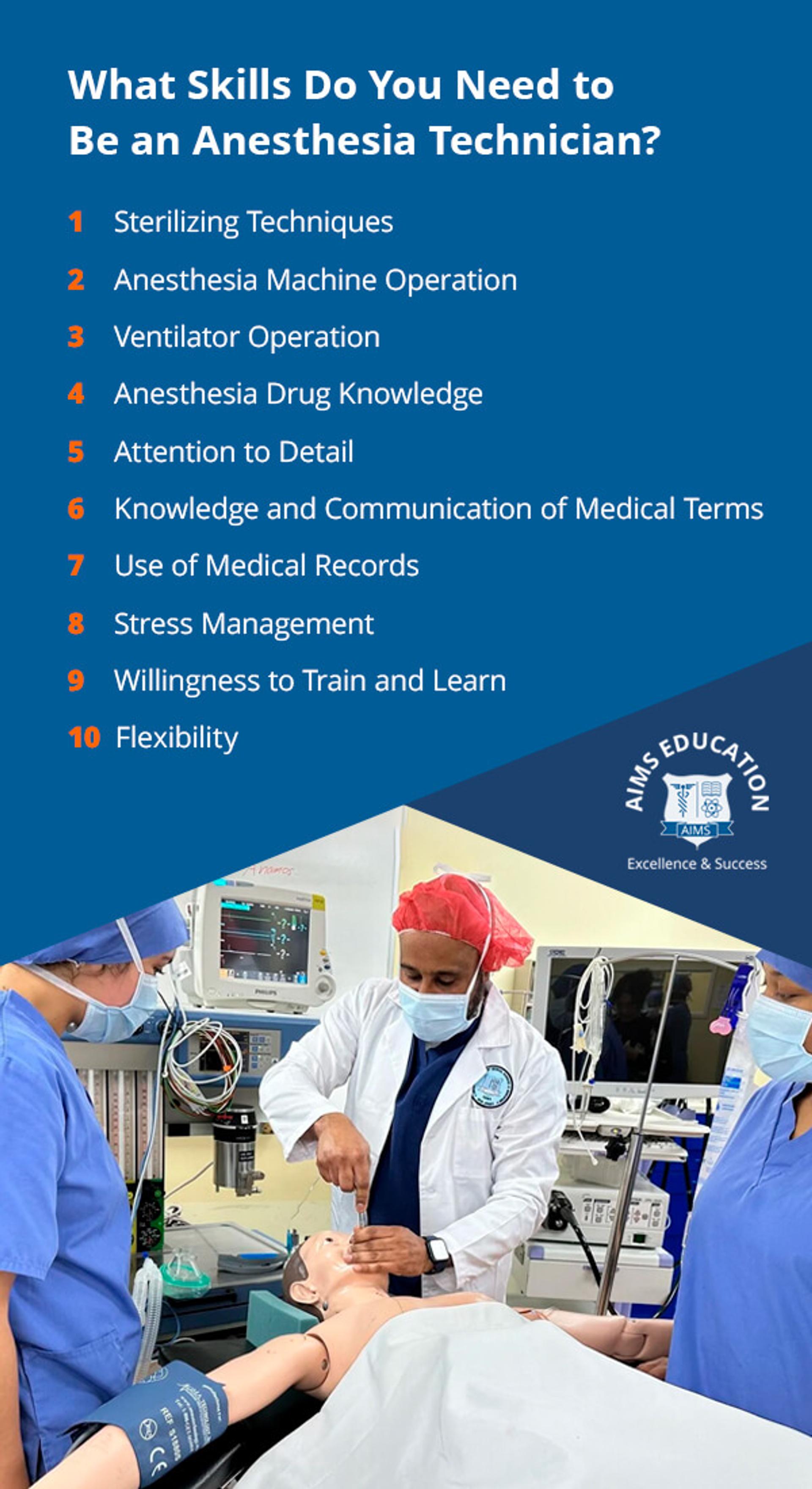
The Technological Arsenal: Equipment Management and Deployment
Anesthesia technicians are the frontline custodians of the complex technological arsenal that underpins anesthetic delivery. Their primary responsibility involves ensuring that all the sophisticated machinery and devices are ready, calibrated, and functioning optimally before, during, and after patient care. This demands a deep understanding of various electronic and mechanical systems, a skill set honed through specialized training and continuous learning.
Vital Sign Monitoring Systems: The Digital Sentinels
At the heart of anesthetic management lies continuous patient monitoring. Anesthesia techs are responsible for the setup, calibration, and troubleshooting of a suite of vital sign monitors. These advanced digital devices, far removed from simple thermometers, provide real-time, high-fidelity data streams crucial for the anesthesiologist’s decision-making.
Electrocardiograms (ECG/EKG): Decoding the Heart’s Electrical Symphony
The ECG, a fundamental tool, displays the electrical activity of the heart. Anesthesia techs ensure the proper placement of electrodes, the integrity of the leads, and the accurate interpretation of the waveforms on the monitor. They understand common arrhythmias and artifact recognition, swiftly addressing any issues that might compromise the data’s reliability. This includes checking lead connections, ensuring skin contact, and managing potential interference from surgical equipment.
Pulse Oximetry: Quantifying Oxygenation in Real-Time
Pulse oximetry, a non-invasive method, measures the oxygen saturation of hemoglobin in the blood. The anesthesia tech ensures the correct placement of the pulse oximeter probe on a suitable body part, free from external pressure or movement that could lead to inaccurate readings. They are familiar with the limitations of the technology, such as the impact of poor perfusion or certain dyes, and can troubleshoot signal loss or aberrant readings.
Capnography: The Breath of Life in Digital Form
Capnography provides a quantitative measurement of carbon dioxide (CO2) in exhaled breath, a critical indicator of ventilation and circulation. Anesthesia techs meticulously set up the capnography sensor, ensuring a tight seal to prevent leaks and accurate waveform acquisition. They understand the significance of the end-tidal CO2 (EtCO2) value and its waveform morphology, recognizing deviations that might signal airway issues, circulatory problems, or metabolic disturbances.
Non-Invasive Blood Pressure (NIBP) Monitoring: Automated Hemodynamic Insights
NIBP cuffs, integrated with the anesthesia machine, automatically inflate and deflate to measure blood pressure at regular intervals. The anesthesia tech selects the appropriate cuff size to ensure accurate readings and correctly positions it to avoid constriction or displacement. They are adept at managing alarm parameters and troubleshooting cuff inflation failures or inaccurate pressure measurements.
Invasive Blood Pressure Monitoring (IBP) and Arterial Lines: Precision Hemodynamic Data
For more critical patients or complex surgeries, invasive blood pressure monitoring via arterial lines is employed. The anesthesia tech’s role here extends to assisting with the insertion and setup of transducers, ensuring they are properly zeroed and leveled to the patient’s heart. They understand the pressure waveform, recognize potential complications like air bubbles or kinks, and ensure the continuous flush system is functioning to prevent clotting.
The Anesthesia Machine: A Technological Hub
The anesthesia machine is the central nervous system of the anesthetic delivery process. Anesthesia techs are intimately familiar with its intricate workings, from gas delivery systems to vaporizers and ventilation capabilities.
Gas Delivery and Blending: Precision Control of Anesthetic Gases
The anesthesia machine precisely mixes medical gases like oxygen, nitrous oxide, and medical air, and delivers them at controlled flow rates. Anesthesia techs are responsible for ensuring the correct gas supply lines are connected, the flow meters are functioning accurately, and the gas blender is calibrated. They understand the pressure requirements and safety interlocks of the system, preventing misconnections or the delivery of incorrect gas mixtures.
Vaporizers: Precise Volatile Agent Administration
Volatile anesthetic agents are delivered via specialized vaporizers, which precisely control the concentration of the liquid anesthetic vaporized into the carrier gas. Anesthesia techs ensure the vaporizers are filled with the correct agent, correctly seated on the machine, and that the dial settings correspond to the intended concentration. They are aware of the different types of vaporizers and their specific operating principles.
Ventilators: Mechanical Respiration Control
Modern anesthesia machines often integrate sophisticated ventilators. Anesthesia techs are responsible for setting up and configuring the ventilator according to the anesthesiologist’s orders, selecting appropriate modes of ventilation (e.g., volume control, pressure control), tidal volume, respiratory rate, and positive end-expiratory pressure (PEEP). They monitor the patient’s response to mechanical ventilation and troubleshoot any alarms or discrepancies between set parameters and delivered volumes.
Adjunct Devices: Expanding the Technological Toolkit
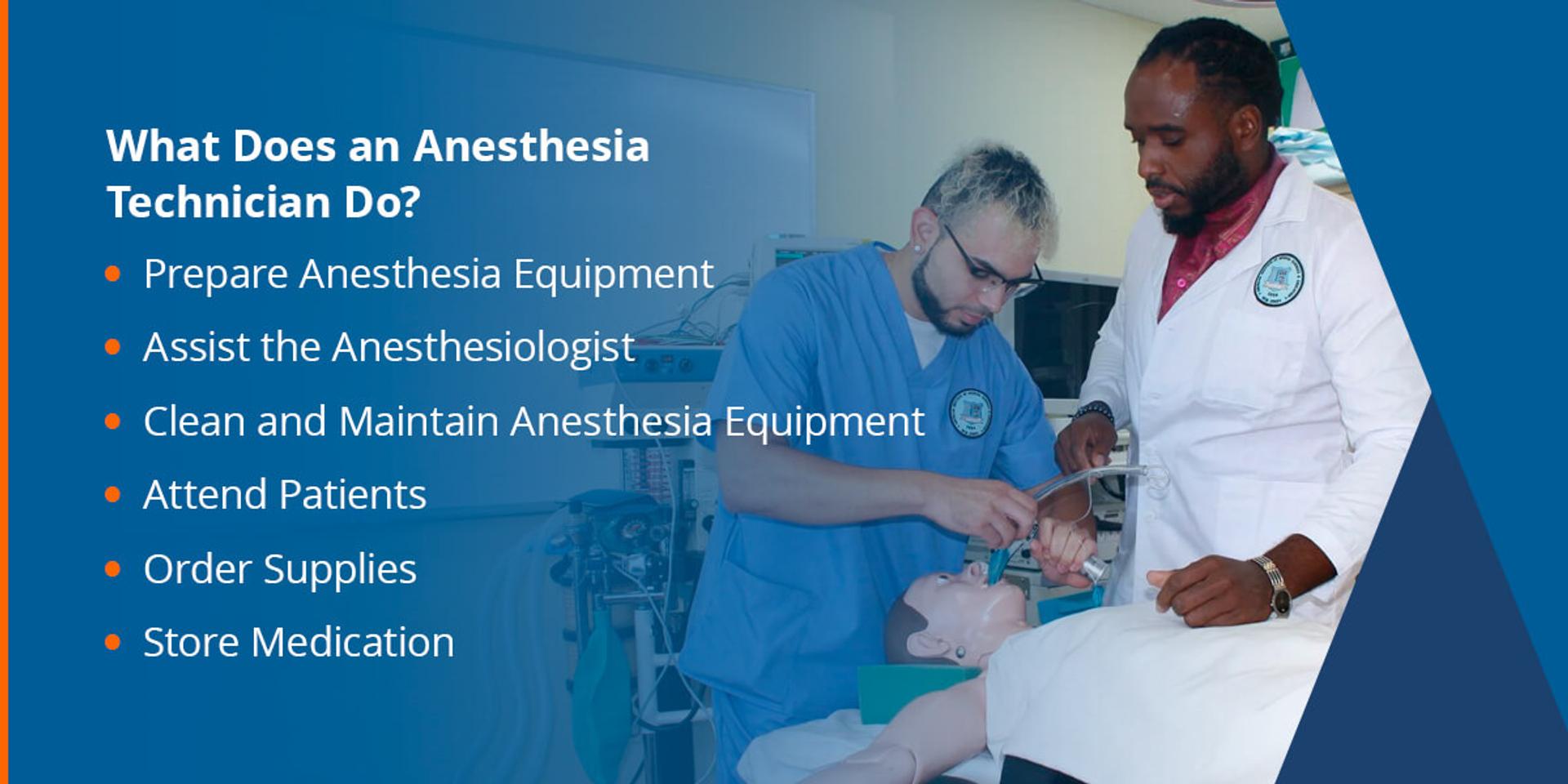
Beyond the core anesthesia machine and monitors, anesthesia techs manage a range of other technologically advanced devices.
Infusion Pumps: Controlled Medication Delivery
Anesthesia techs prepare and set up infusion pumps for the continuous administration of intravenous medications, fluids, and vasoactive agents. They ensure the correct drug, concentration, and infusion rate are programmed, and that the pumps are properly secured and connected to intravenous lines. They understand the various pump functionalities, including bolus doses and ramp infusions.
Warming and Cooling Devices: Thermal Regulation Technology
Maintaining patient temperature is crucial during surgery. Anesthesia techs set up and monitor forced-air warming blankets, fluid warmers, and cooling devices, ensuring they are functioning within safe parameters to prevent hypothermia or hyperthermia.
Airway Management Devices: From Basic to Advanced
While airway management is primarily the anesthesiologist’s domain, anesthesia techs prepare and manage a variety of airway devices, including laryngoscopes, endotracheal tubes of various sizes, supraglottic airway devices, and bronchoscopes. They ensure these are readily available, sterile, and in good working order.
Digital Integration and Data Management: The Software Layer
The technological landscape of anesthesia is increasingly digitalized, with anesthesia techs playing a role in interacting with various software systems and ensuring data integrity.
Electronic Health Records (EHR) and Anesthesia Information Management Systems (AIMS)
Many healthcare facilities utilize Electronic Health Records (EHRs) and specialized Anesthesia Information Management Systems (AIMS) to document and manage patient care. While anesthesiologists input critical clinical data, anesthesia techs may be involved in ensuring the equipment interfaces correctly with these systems. This can include verifying that vital sign data is being transmitted accurately from the monitors to the EHR/AIMS. They might also assist with logging equipment usage or maintenance information within these digital platforms. The seamless flow of data from the patient’s bedside to the digital record is paramount for continuity of care, research, and billing.
Software Updates and Basic Troubleshooting
Like any advanced technology, anesthesia equipment and associated software require periodic updates and occasional troubleshooting. Anesthesia techs often serve as the first line of defense for minor software glitches or connectivity issues. They understand basic troubleshooting steps, such as rebooting devices, checking network cables, or restarting specific software applications. For more complex issues, they are responsible for initiating service requests and liaising with IT departments or biomedical engineering. Their familiarity with the equipment allows them to provide detailed and accurate information to technical support personnel.
Data Integrity and Security Protocols
The digital data generated by anesthesia equipment is highly sensitive and critical for patient care and legal documentation. Anesthesia techs contribute to maintaining data integrity by ensuring equipment is properly connected and functioning, preventing data loss due to device failure or disconnection. Furthermore, in an era of increasing cybersecurity threats, they are implicitly involved in upholding digital security protocols. While not IT security specialists, they follow best practices regarding device access, password management (where applicable), and reporting any suspicious system behavior. They understand the importance of protecting patient health information (PHI) and ensuring that the systems they interact with are secure.
Advanced Technologies and Future Trends: Embracing Innovation
The field of anesthesia is constantly evolving, with new technologies emerging that require anesthesia techs to adapt and expand their skill sets.
Emerging Monitoring Technologies: Beyond Traditional Parameters
Innovations in patient monitoring are continually being introduced. This includes advanced neuromonitoring devices that assess brain function, such as electroencephalography (EEG) and evoked potentials, as well as advanced hemodynamic monitoring techniques that provide more detailed insights into cardiovascular performance. Anesthesia techs are often at the forefront of learning and implementing these new technologies, ensuring their proper setup and integration into the anesthetic workflow.
Robotics and Automation in Anesthesia
While still in its nascent stages, the use of robotics and automation in healthcare, including anesthesia, is a growing area. Anesthesia techs may find themselves involved in the operation or maintenance of robotic systems that assist with drug delivery, patient positioning, or even some diagnostic procedures. As automation becomes more prevalent, their role may shift towards managing and overseeing these advanced systems, ensuring their safe and effective operation.
Virtual and Augmented Reality in Training and Simulation
The use of Virtual Reality (VR) and Augmented Reality (AR) is transforming medical education and training. Anesthesia techs may be involved in setting up and managing VR/AR simulation platforms used to train new anesthesiologists and technicians. These immersive technologies offer a safe and repeatable environment for practicing complex procedures and algorithms, and anesthesia techs play a crucial role in making these training tools accessible and functional.

Tele-Anesthesia and Remote Monitoring
The expansion of tele-health services also has implications for anesthesia. In remote or underserved areas, anesthesia techs might be involved in setting up and maintaining equipment for tele-anesthesia consultations or remote monitoring of patients. This requires a strong understanding of network connectivity, communication protocols, and troubleshooting issues that arise in a remote setting, ensuring that high-quality anesthetic care can be delivered regardless of geographical location.
In conclusion, the anesthesia technician is an indispensable member of the perioperative team, a professional whose role is deeply intertwined with the technological advancements that define modern anesthesia. Their expertise in managing complex equipment, understanding software interfaces, and embracing emerging technologies ensures the safety and efficacy of anesthetic care, allowing surgeons to perform life-saving procedures and patients to recover smoothly. As the field continues to innovate, the anesthesia tech’s commitment to mastering and deploying cutting-edge technology will remain paramount.
aViewFromTheCave is a participant in the Amazon Services LLC Associates Program, an affiliate advertising program designed to provide a means for sites to earn advertising fees by advertising and linking to Amazon.com. Amazon, the Amazon logo, AmazonSupply, and the AmazonSupply logo are trademarks of Amazon.com, Inc. or its affiliates. As an Amazon Associate we earn affiliate commissions from qualifying purchases.