
In the realm of political marketing, few shifts have been as scrutinized—or as surprising to traditional strategists—as the evolving “market share” of the Republican brand among Mexican-American voters. For decades, political analysts treated the Hispanic demographic, particularly those of Mexican descent, as a monolithic “blue wall.” However, the 2020 and 2024 election cycles disrupted this narrative, revealing a significant “brand pivot.” To understand what percentage of Mexicans (specifically Mexican-Americans and the broader Latino community) voted for Donald Trump, we must look beyond simple statistics and analyze the strategic brand positioning that facilitated this shift.
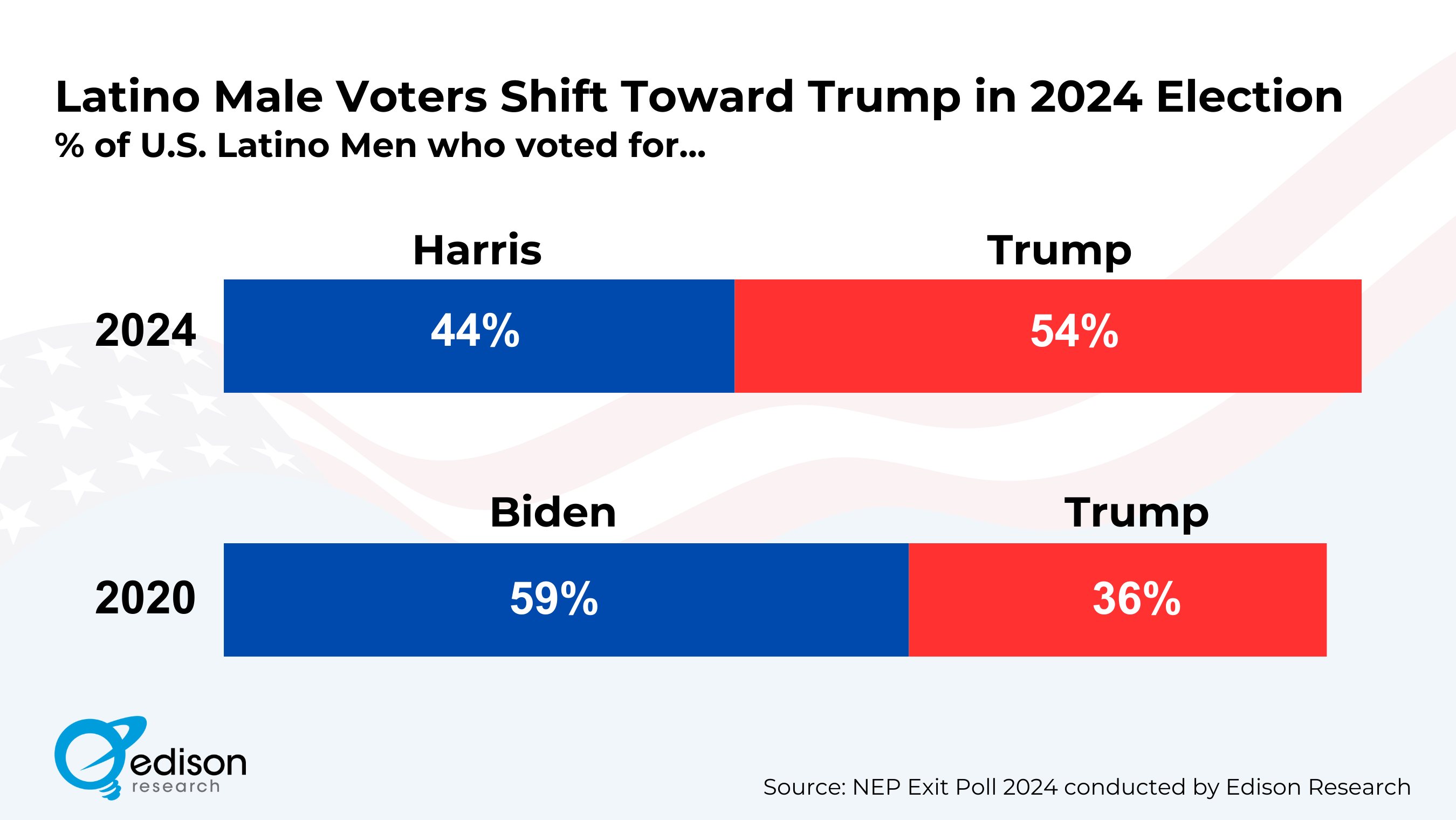
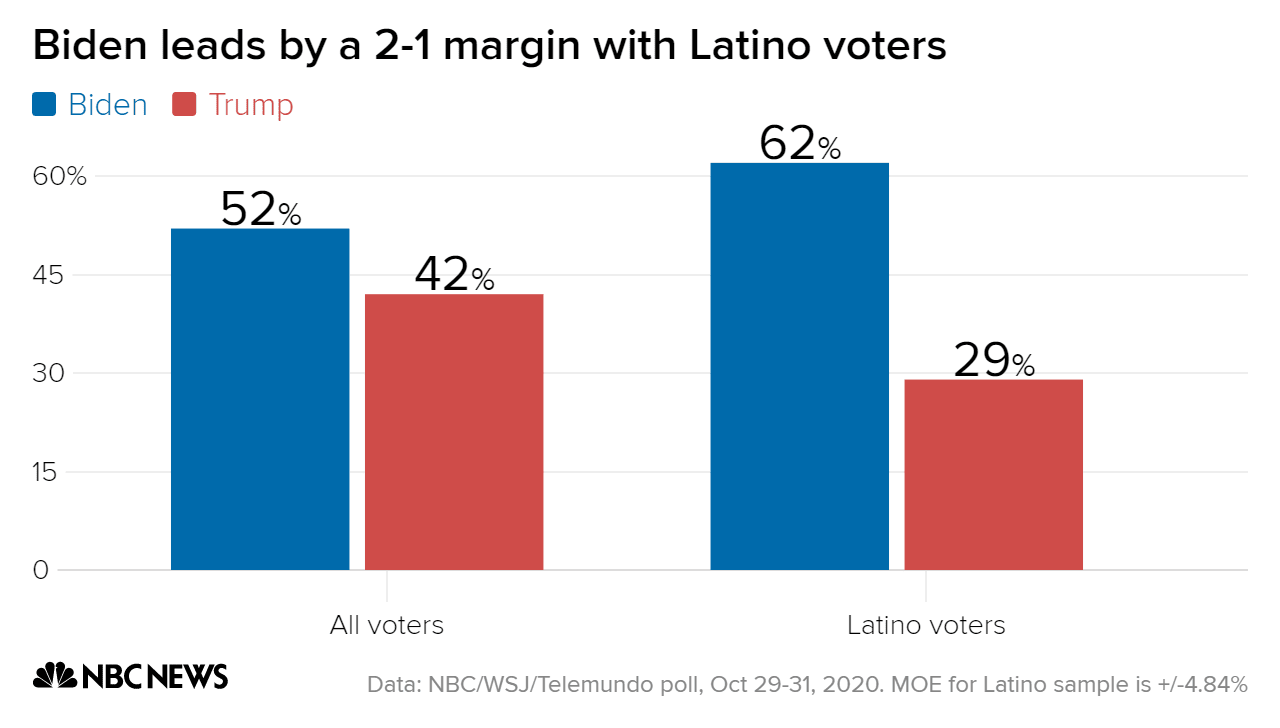
From a brand strategy perspective, Donald Trump did not just run a campaign; he managed a disruptive brand that challenged established market norms. By examining the exit polls—which showed Trump’s support among Hispanic voters jumping from roughly 28% in 2016 to upwards of 36% or even 38% in subsequent cycles—we see a masterclass in demographic micro-targeting and brand repositioning.
The Evolution of Brand Messaging to the Latino Demographic
When analyzing a brand’s growth within a specific demographic, the first point of entry is the value proposition. For years, the GOP brand was perceived by many Mexican-American voters as exclusionary. The “Trump Brand,” however, executed a pivot that emphasized economic pragmatism over traditional social conservatism, successfully capturing a larger slice of the “market.”
Moving Beyond a Monolithic Audience
One of the greatest mistakes in brand strategy is treating a diverse group as a single entity. The Trump campaign recognized that “Latino” is an umbrella term and focused specifically on the Mexican-American experience in border states like Texas and Arizona. By moving away from a one-size-fits-all message, the brand was able to address localized concerns, such as small business ownership and energy sector jobs, which resonate deeply with Mexican-American men in particular.
Economic Empowerment as a Core Value Proposition
The Trump brand positioned itself as the “Brand of Work.” For many Mexican-Americans, particularly those in multi-generational households, the promise of a “Blue-Collar Boom” acted as a powerful brand hook. Messaging shifted from immigration-centric rhetoric to “The American Dream” architecture. By focusing on deregulation and tax incentives that benefited self-employed contractors and small business owners, the brand successfully aligned its interests with the entrepreneurial spirit prevalent in the Mexican-American community.
Market Segmentation: Why the “Mexican-American” Voter is Not a Single Block
In corporate branding, market segmentation is the process of dividing a broad consumer or business market into sub-groups. The Trump campaign’s success was largely due to its ability to identify “niche markets” within the Mexican-American population that felt underserved by the Democratic “incumbent” brand.
Regional Brand Variance: The Rio Grande Valley vs. California
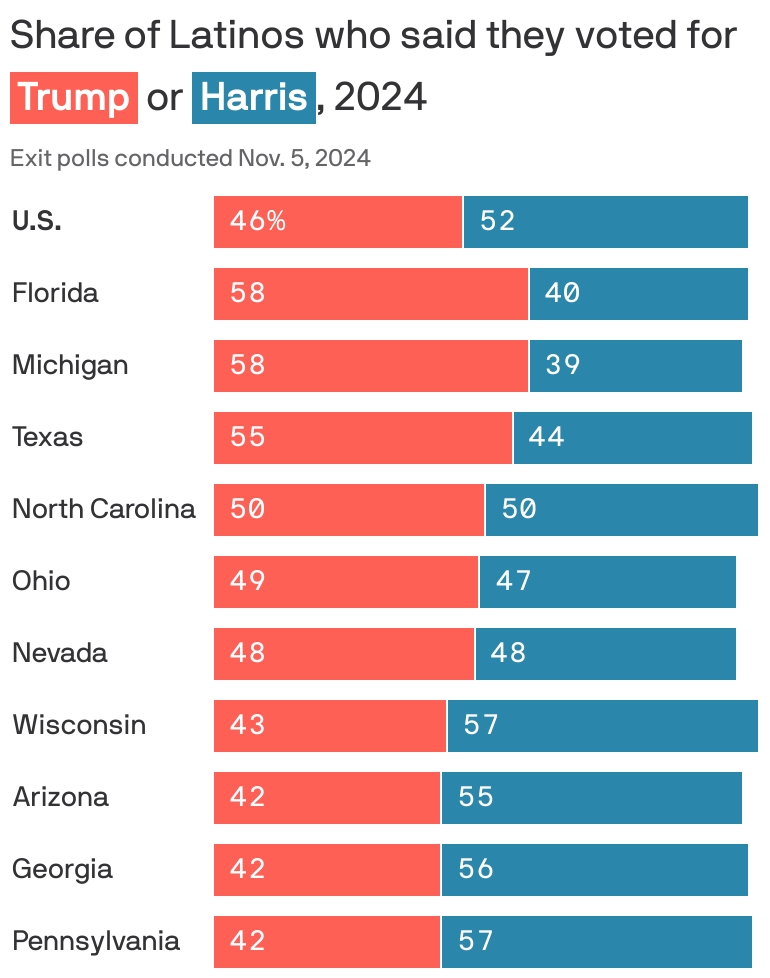
The “Trump Brand” performed differently depending on the regional “storefront.” In the Rio Grande Valley of Texas—a region that is over 90% Hispanic and predominantly of Mexican descent—Trump saw historic gains. This was a result of localized branding that emphasized law enforcement (Border Patrol jobs) and traditional oil and gas interests. Conversely, in urban California, the brand faced more significant “brand friction,” showing that geographical context is a critical variable in demographic penetration.
Generational Shifts in Brand Loyalty
Brand loyalty often erodes over generations. While older Mexican-American voters might have maintained a legacy attachment to the Democratic Party rooted in the civil rights era, younger and middle-aged “acculturated” voters are more likely to behave like “swing consumers.” The Trump brand leaned into this, utilizing a “disruptor” persona that appealed to voters who felt that the political status quo had failed to deliver tangible economic results for their families.
Digital Strategy and Micro-Targeting the Mexican-American Market
In the digital age, a brand is only as strong as its distribution network. The Trump campaign utilized sophisticated data analytics to deliver tailored messaging directly to Mexican-American voters, bypassing traditional media gatekeepers.
Social Media as a Brand Vehicle
The use of platforms like WhatsApp and YouTube was central to the Trump brand’s “direct-to-consumer” strategy. In many Mexican-American circles, WhatsApp is a primary source of news and community engagement. By seeding the platform with viral content—ranging from memes to testimonials from Latino business owners—the campaign created an “organic” brand presence that felt more authentic than high-production television ads.
Combating Brand Erosion through Direct Engagement
When a brand faces a “reputation crisis,” it must engage directly with its critics. The “Latinos for Trump” initiative functioned as a brand advocacy group, providing social proof to hesitant voters. By showcasing Mexican-American voices who supported the MAGA platform, the campaign effectively lowered the “social cost” of switching brand loyalty. This peer-to-peer marketing was instrumental in increasing the percentage of Mexican-Americans who felt comfortable identifying with the Republican brand publicly.
The Competitive Landscape: Comparing Brand Trump to Brand Biden/Harris
To understand why a consumer chooses a new brand, you must look at the failures of the competitor. The Democratic brand, historically the dominant player in the Hispanic market, faced significant “brand dilution” during the last two election cycles.
The Failure of “Latinx” Branding
A significant case study in poor brand-audience alignment is the promotion of the term “Latinx.” While intended to be inclusive, market research consistently showed that a vast majority of the Mexican-American community found the term foreign or even offensive to the Spanish language. The Trump brand capitalized on this “brand disconnect,” positioning itself as the “common sense” alternative to what it labeled as “woke” corporate branding coming from the left.
Authenticity and the “Strongman” Brand Persona
In branding, “Brand Personality” is the set of human characteristics associated with a brand. The Trump brand is built on strength, perceived decisiveness, and a “fighter” mentality. In many facets of Mexican-American culture, these traits are highly valued (often discussed under the umbrella of machismo or traditional leadership). This allowed the Trump brand to establish an emotional connection with male voters that transcended specific policy points, leading to a record-breaking percentage of support from Hispanic men.
Lessons for Corporate Brands from the Demographic Shift
The shift in how Mexican-Americans vote offers profound insights for corporate brand managers and marketers looking to engage with this rapidly growing demographic.
Cultural Nuance vs. Stereotypes
The Trump campaign’s ability to capture a higher percentage of the Mexican-American vote proves that “Spanish-language translation” is not a substitute for “cultural translation.” Corporate brands must move beyond surface-level representation (such as using a specific flag or holiday in advertising) and instead focus on the underlying values—family, faith, and financial independence—that drive the target audience’s decision-making process.
Long-term Brand Equity in Diverse Markets
Building brand equity in the Mexican-American community requires a long-tail strategy. The GOP’s gains were not accidental; they were the result of years of community outreach and a consistent “open for business” message. For brands, the lesson is clear: you cannot show up only during “Hispanic Heritage Month” (or an election year) and expect loyalty. You must provide consistent value and demonstrate an understanding of the specific economic and social pressures your audience faces.
In conclusion, the question of “what percentage of Mexicans voted for Trump” reveals a broader story of brand disruption. By capturing nearly 40% of the Hispanic vote in many regions, the Trump brand proved that no demographic is “owned” by a single entity. Through aggressive micro-targeting, a focus on economic “product features,” and a rejection of alienating academic terminology, the Trump brand successfully re-segmented the American electorate, creating a new blueprint for demographic engagement in the 21st century.
aViewFromTheCave is a participant in the Amazon Services LLC Associates Program, an affiliate advertising program designed to provide a means for sites to earn advertising fees by advertising and linking to Amazon.com. Amazon, the Amazon logo, AmazonSupply, and the AmazonSupply logo are trademarks of Amazon.com, Inc. or its affiliates. As an Amazon Associate we earn affiliate commissions from qualifying purchases.