
In the modern retail landscape, where digital convenience often overshadows the physical storefront, Build-A-Bear Workshop stands as a definitive case study in brand resilience and experiential strategy. To the casual observer, Build-A-Bear is a retail chain specializing in customizable stuffed animals. To a brand strategist, however, it represents a pioneering shift from transactional retail to “experiential retail”—a model where the product is merely a souvenir of the experience provided.
Founded in 1997 by Maxine Clark, Build-A-Bear Workshop reimagined the relationship between the consumer and the commodity. By inviting the customer into the manufacturing process, the brand transformed a passive purchase into an active co-creation. This shift has allowed the company to maintain a dominant corporate identity for over a quarter-century, navigating the rise of e-commerce and changing consumer demographics by anchoring its value proposition in emotional equity rather than just physical inventory.

The Evolution of the Experiential Retail Model
The cornerstone of Build-A-Bear’s brand strategy is the concept of “retailtainment.” At its inception, the brand disrupted the traditional toy industry by moving the assembly line from the factory to the shopping mall. This transparency did more than just provide entertainment; it established a brand narrative of quality, care, and personalization that mass-produced toys could not replicate.
From Transaction to Transformation
In a traditional retail setting, the value exchange occurs at the point of sale. At Build-A-Bear, the value exchange begins the moment a customer enters the store. The layout is designed as a linear journey, guiding the “Guest” (the brand’s term for customers) through various stations. This psychological journey transforms the customer from a buyer into a creator. By the time the transaction is completed, the customer has invested time, effort, and emotion into the product, leading to a much higher perceived value and a deeper brand connection.
The Core Brand Promise: Personalization and Participation
Personalization is the ultimate currency in modern branding. Build-A-Bear was an early adopter of this trend, allowing users to choose not just the “skin” of their plush, but its density, sound, scent, and wardrobe. This participation ensures that no two products are exactly alike, fulfilling a basic human desire for uniqueness. From a brand identity perspective, this reinforces the message that Build-A-Bear is a facilitator of individual expression, rather than just a vendor of toys.
Analyzing the “Heart Ceremony” as Brand Ritual
One of the most potent elements of the Build-A-Bear corporate identity is its use of ritual. Every brand seeks to create a “sticky” experience, but few have succeeded as thoroughly as Build-A-Bear with its “Heart Ceremony.” This ritual involves placing a small fabric heart inside the stuffed animal, but only after the customer performs a series of actions—rubbing the heart on their own heart for love, on their head for memories, or jumping to give it energy.
Psychological Anchoring through Sensory Branding
The Heart Ceremony is a masterclass in sensory branding. It engages the customer’s sense of touch, movement, and emotion. By associating the brand with a physical manifestation of a “wish” or a “heartbeat,” Build-A-Bear anchors its identity in the customer’s subconscious. This ritual creates a lasting memory that is triggered every time the customer sees the finished product. In branding terms, this is known as “emotional anchoring,” a technique that fosters lifelong brand loyalty.
Creating Emotional Equity
Emotional equity refers to the perceived value of a brand based on the feelings it evokes. For Build-A-Bear, the “birth certificate” given at the end of the process serves as a formalization of this equity. It legitimizes the bond between the customer and the product, effectively personifying the toy. This strategy ensures that the product is rarely viewed as disposable. Instead, it becomes a keepsake, which significantly increases the brand’s “halo effect”—the positive impressions that influence how customers feel about the brand long after they leave the store.
Strategic Brand Diversification and Licensing

While the core experience remains the brand’s foundation, Build-A-Bear’s longevity is equally tied to its sophisticated licensing strategy. The brand has moved beyond its proprietary characters to become a platform for some of the world’s most powerful Intellectual Properties (IPs).
Leveraging Pop Culture Partnerships
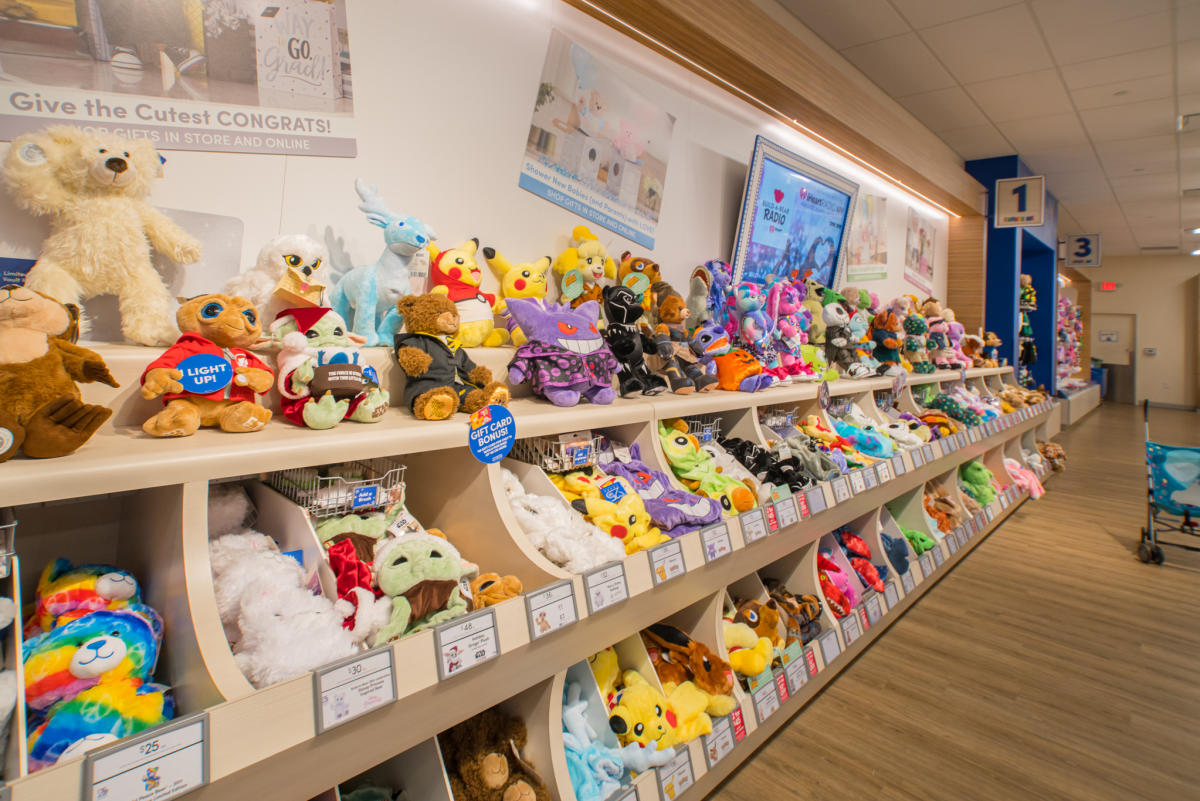
By partnering with global giants like Disney, Marvel, Nintendo, and Sanrio, Build-A-Bear has expanded its corporate identity from a children’s toy store to a cultural hub. These licensing agreements allow the brand to tap into existing fandoms, attracting diverse demographics who might not otherwise engage with the “build-a-friend” concept. When a consumer builds a Star Wars “Grogu” or a Pokémon “Pikachu,” they are combining their loyalty to the IP with Build-A-Bear’s unique experiential process. This synergy strengthens the brand’s position as a versatile and relevant player in the global market.
Bridging the Digital and Physical Divide
In response to the digital revolution, Build-A-Bear has expanded its brand footprint into the virtual world. The creation of “Bear Valley” and partnerships within gaming platforms like Roblox illustrate a brand strategy focused on omnichannel engagement. By allowing children to interact with their plush characters in digital environments, the brand ensures its identity remains central to the modern “phygital” (physical + digital) lifestyle. This strategy maintains brand relevance in an age where screen time often competes with physical play.
Brand Longevity: Adapting to the Modern Consumer
One of the most significant shifts in Build-A-Bear’s recent brand strategy is the “Kidult” phenomenon. As the original generation of Build-A-Bear customers reached adulthood, the brand recognized an opportunity to pivot its marketing and product design toward collectors and nostalgic adults.
The Shift Toward Adult Consumers
The “Kidult” market—adults who purchase toys for themselves—now accounts for a significant portion of the brand’s revenue. Build-A-Bear addressed this by launching “The Bear Cave,” an online storefront featuring more mature themes, higher-end collectibles, and products tied to adult-oriented media (such as The Office or Friends). This pivot demonstrates an agile brand identity that can grow with its audience, transforming a childhood memory into an adult hobby.
Resilience in the E-commerce Era
While many mall-based retailers struggled during the transition to online shopping, Build-A-Bear adapted by enhancing its digital personalization tools. Their “Bear Builder” online tool replicates the in-store experience by allowing users to go through the selection and stuffing process virtually. Although the tactile element is missing, the narrative journey remains intact. This digital adaptation, coupled with a focus on “high-touch” physical locations (such as tourist destinations and shop-in-shops), has allowed the brand to maintain a premium identity in a competitive marketplace.
Lessons in Brand Loyalty and Identity
The success of Build-A-Bear Workshop offers several critical lessons for brand builders in any industry. First, it proves that the process can be just as valuable as the product. By focusing on the journey of the customer, a brand can create a unique competitive advantage that is difficult for competitors to copy.
Second, it highlights the importance of ritual and storytelling. Build-A-Bear does not just sell teddy bears; it sells the story of making a friend. This narrative is reinforced at every touchpoint, from the signage in the store to the “Birth Certificate” printed at the end. For any brand looking to build a loyal community, the ability to weave a consistent, emotionally resonant story is essential.
Finally, Build-A-Bear demonstrates the power of brand evolution. By staying true to its core identity of personalization and “heart,” the company has been able to expand into new demographics, digital platforms, and licensing partnerships without losing its soul. It remains a definitive example of how a clear corporate identity, when paired with an innovative experiential model, can create a brand that transcends generations.
In conclusion, Build-A-Bear Workshop is more than a retail destination; it is a meticulously crafted brand ecosystem that leverages psychology, ritual, and strategic partnerships to create lasting value. It serves as a reminder that in an increasingly automated world, the “human touch”—even when applied to a stuffed animal—remains one of the most powerful tools in a brand’s arsenal.
aViewFromTheCave is a participant in the Amazon Services LLC Associates Program, an affiliate advertising program designed to provide a means for sites to earn advertising fees by advertising and linking to Amazon.com. Amazon, the Amazon logo, AmazonSupply, and the AmazonSupply logo are trademarks of Amazon.com, Inc. or its affiliates. As an Amazon Associate we earn affiliate commissions from qualifying purchases.