
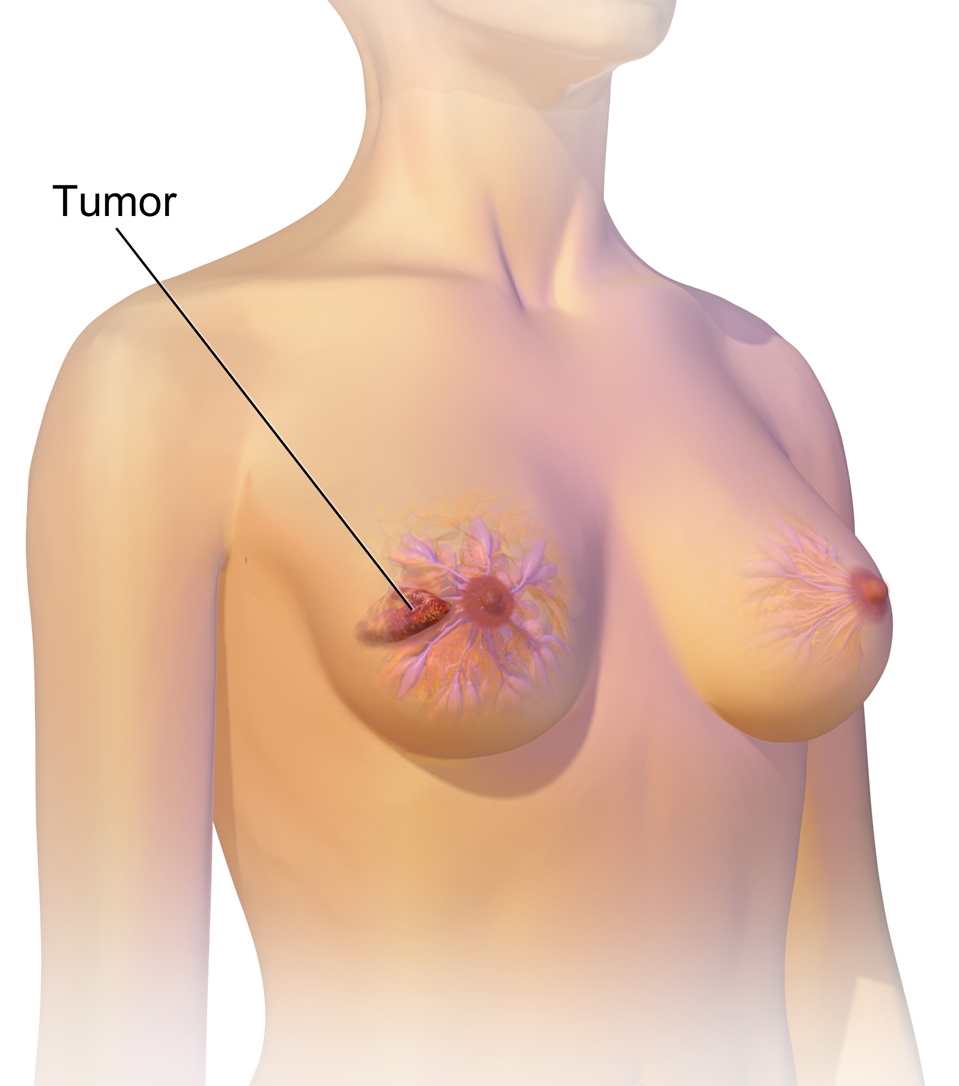
The phrase “what is a breast tumor” traditionally evokes a medical definition centered on cellular biology and oncology. However, in the modern landscape of healthcare, the definition has expanded into the realm of data science, high-resolution imaging, and algorithmic precision. Today, a breast tumor is not just a biological anomaly; it is a complex data point that requires the most sophisticated technology on the planet to identify, categorize, and treat.
As we move further into the decade, the intersection of technology and medicine—often referred to as MedTech—has transformed how we understand these growths. From the software that powers early detection to the artificial intelligence (AI) that assists radiologists in distinguishing between benign and malignant masses, technology is the primary driver of improved survival rates and diagnostic accuracy.
The Evolution of Diagnostic Imaging Technology
To understand what a breast tumor is from a technological perspective, one must first look at the hardware used to visualize it. The transition from analog film to digital processing marked the first major shift in this field, but recent advancements have taken visualization into the third dimension and beyond.
From Analog to Digital Mammography
For decades, the standard for identifying a breast tumor was the analog mammogram. However, the tech industry revolutionized this via Full-Field Digital Mammography (FFDM). This shift allowed for the manipulation of images—zooming, adjusting contrast, and utilizing software filters—to highlight subtle densities that a human eye might miss on traditional film. Digitization also enabled the archiving of images in Picture Archiving and Communication Systems (PACS), allowing for historical comparisons using cloud-based infrastructure.
3D Tomosynthesis: The Power of Volumetric Rendering
Digital Breast Tomosynthesis (DBT), or 3D mammography, is perhaps the most significant hardware advancement in recent years. While a standard 2D mammogram provides a flat image, tomosynthesis uses complex reconstruction algorithms to create a 3D volume of the breast tissue. By taking multiple images from different angles and using “slice” reconstruction software, it effectively eliminates the “overlap” effect where healthy tissue hides a tumor. From a tech standpoint, this involves massive computational power to render high-resolution volumetric data in real-time.
High-Resolution Ultrasound and Elastography
Beyond X-rays, software-driven ultrasound technology has become a cornerstone of tumor characterization. Modern ultrasound machines utilize “elastography”—a software-based technique that measures the stiffness of a tumor. Because malignant tumors are often stiffer than benign ones, the software generates a color-coded map of tissue elasticity. This is a prime example of how physics and software engineering combine to provide non-invasive diagnostic insights.
Artificial Intelligence and Machine Learning in Oncology
If the hardware provides the “eyes,” then Artificial Intelligence (AI) provides the “brain.” In the tech world, the hottest topic in oncology is the application of Machine Learning (ML) to medical imaging.
Computer-Aided Detection (CAD) vs. Modern AI
Computer-Aided Detection (CAD) has existed for a while, but early versions were often criticized for high false-positive rates. Modern AI, powered by Deep Learning and Convolutional Neural Networks (CNNs), has far surpassed these early systems. Today’s AI tools are trained on millions of confirmed cases of breast tumors. They learn to recognize the geometric patterns, spiculation (spiky edges), and micro-calcifications that characterize malignancy.
Neural Networks and Pattern Recognition in Biopsies
The technological definition of a breast tumor also extends to pathology. Digital pathology involves scanning biopsy slides at ultra-high resolutions and running them through AI algorithms. These neural networks can count mitotic figures (cells in the process of dividing) and grade the aggressiveness of a tumor with a level of consistency that human pathologists, prone to fatigue, may struggle to maintain. This “Augmented Intelligence” ensures that the categorization of the tumor is data-driven rather than subjective.
Predictive Analytics for Early-Stage Diagnosis
One of the most promising tech trends is the use of predictive analytics. By aggregating genomic data, lifestyle factors, and imaging results, AI models can now predict the likelihood of a tumor developing before it is even visible on a scan. These software tools utilize “risk-scoring” algorithms that help clinicians decide on more aggressive screening schedules for high-risk individuals, effectively using “Big Data” to move from reactive to proactive care.
Software Ecosystems and Cloud-Based Health Records
The diagnosis of a breast tumor does not happen in a vacuum. It requires a robust software ecosystem to ensure that data moves seamlessly between the radiologist, the surgeon, and the oncologist.
DICOM Standards and Medical Imaging Interoperability
The backbone of this data movement is the DICOM (Digital Imaging and Communications in Medicine) standard. This is the “PDF of the medical world,” ensuring that a 3D scan taken on a machine from one manufacturer can be read by software from another. The tech industry’s focus on interoperability is what allows a specialist in a different city to review a patient’s scans instantly, facilitating the “second opinion” process through high-speed fiber networks and secure cloud portals.
Tele-Oncology: Bridging the Gap with Remote Diagnostics
Telemedicine has evolved far beyond simple video calls. In the context of tumor detection, tele-oncology platforms allow for the remote viewing of high-bandwidth medical images. Advanced streaming protocols ensure that there is no loss in image quality, which is critical when a doctor is looking for a tumor only a few millimeters in size. This tech trend is democratizing healthcare, allowing patients in rural areas to access top-tier diagnostic talent via the cloud.
Data Security and Privacy in Diagnostic Software
When dealing with sensitive medical data, cybersecurity is paramount. The tech infrastructure surrounding breast tumor detection must comply with strict regulations like HIPAA in the US or GDPR in Europe. This has led to the rise of specialized cybersecurity firms that focus on medical device security and encrypted data transmission. From a tech perspective, a breast tumor diagnosis is also a test of a hospital’s “Zero Trust” architecture and encryption protocols.
Future Trends: Liquid Biopsies and Nanotechnology
As we look toward the future of technology in this space, the focus is shifting toward detecting tumors at the molecular level and using advanced tech to monitor recovery.
Genomic Sequencing and Personalized Medicine Platforms
Next-Generation Sequencing (NGS) is a tech-heavy field where massive arrays of computers sequence the DNA of a tumor. This allows for “personalized medicine,” where the software identifies specific genetic mutations within the tumor (such as BRCA1 or HER2) and suggests targeted therapies. This is essentially “Software as a Service” (SaaS) for genetics, where the “service” is the identification of the perfect chemical key to unlock and destroy the tumor’s defenses.
Wearable Tech for Continuous Post-Treatment Monitoring
The “Internet of Medical Things” (IoMT) is introducing wearables that can monitor a patient’s vital signs and recovery markers after a tumor has been removed. Future tech trends suggest the development of “smart” sensors that could potentially detect the biochemical signatures of tumor recurrence in the bloodstream. These sensors would sync with a smartphone app, providing real-time data to the medical team and empowering patients with their own health data.
Nanotechnology and Targeted Drug Delivery
While often seen as a medical field, nanotechnology is deeply rooted in engineering and material science. Tech researchers are developing “nanobots” or lipid nanoparticles that can be programmed to deliver chemotherapy directly to the site of a breast tumor, sparing healthy tissue. This is the ultimate “targeted software update” for the human body, where the “code” is the drug and the “hardware” is the nanoparticle delivery system.

Conclusion
In conclusion, answering the question “what is a breast tumor” through a technological lens reveals a world of incredible innovation. It is no longer just a medical concern; it is a challenge that is being met by software engineers, data scientists, and hardware developers. Through the power of 3D imaging, the precision of AI algorithms, and the connectivity of the cloud, technology is redefining the boundaries of what is possible in oncology. As these tools continue to evolve, the goal remains clear: to use the best that technology has to offer to identify these threats earlier, treat them more effectively, and ultimately save more lives.
aViewFromTheCave is a participant in the Amazon Services LLC Associates Program, an affiliate advertising program designed to provide a means for sites to earn advertising fees by advertising and linking to Amazon.com. Amazon, the Amazon logo, AmazonSupply, and the AmazonSupply logo are trademarks of Amazon.com, Inc. or its affiliates. As an Amazon Associate we earn affiliate commissions from qualifying purchases.