
In the rapidly evolving landscape of information technology, few innovations have sparked as much debate, confusion, and genuine excitement as blockchain. While often conflated with its most famous application—Bitcoin—blockchain is fundamentally a structural revolution in how data is stored, verified, and shared. At its core, blockchain is a distributed ledger technology (DLT) that enables the secure, transparent, and decentralized recording of transactions.
To understand the magnitude of this technology, one must look past the market volatility of cryptocurrencies and examine the underlying software architecture. Blockchain represents a paradigm shift from centralized databases, managed by a single authority, to a decentralized network where trust is established through mathematics and consensus protocols rather than institutional intermediaries. This article explores the technical foundations of blockchain, its structural components, and how it is reshaping the future of digital security and software development.
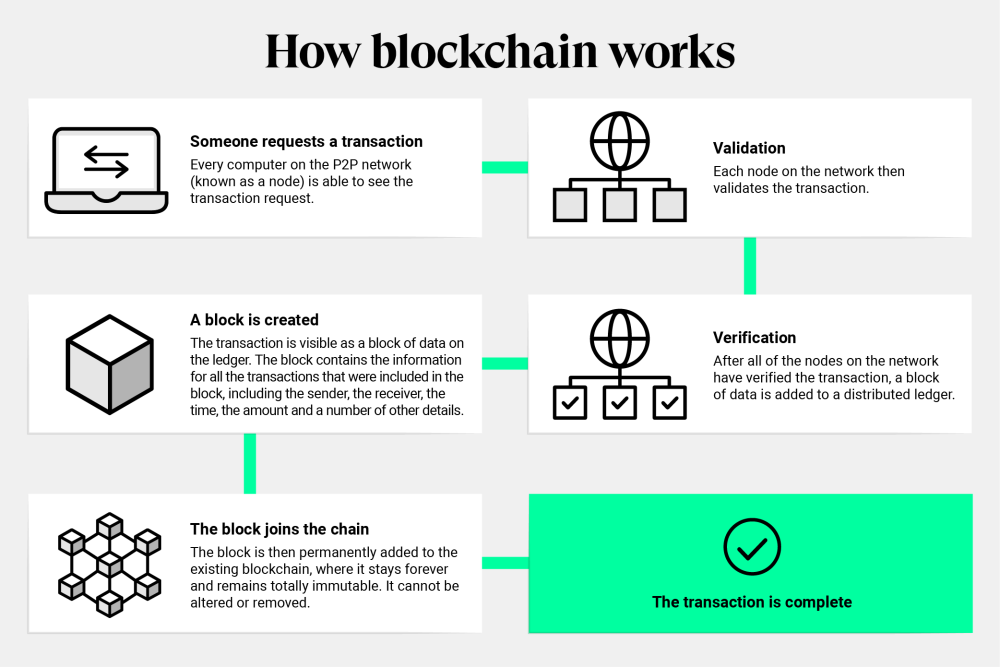
The Core Components: How Blockchain Technology Functions
To grasp the “how” of blockchain, we must deconstruct it into its primary technical pillars. Unlike a traditional SQL database where a system administrator has the power to alter or delete entries, a blockchain is designed to be append-only and immutable.
Distributed Ledger Technology (DLT)
The primary differentiator of blockchain is its distributed nature. In a traditional centralized network, a single server or “master” node holds the “truth” of the data. If that server is compromised or fails, the system collapses. Blockchain operates on a Peer-to-Peer (P2P) network. Every participating node (computer) in the network maintains a full or partial copy of the entire ledger. When a new transaction occurs, it is broadcast to the network, and every node updates its records accordingly. This redundancy ensures that there is no single point of failure.
Cryptography and Hashing
Security in blockchain is maintained through advanced cryptographic techniques, specifically “hashing.” A hash function takes an input of any size (data) and produces a fixed-size string of characters, which serves as a unique digital fingerprint.
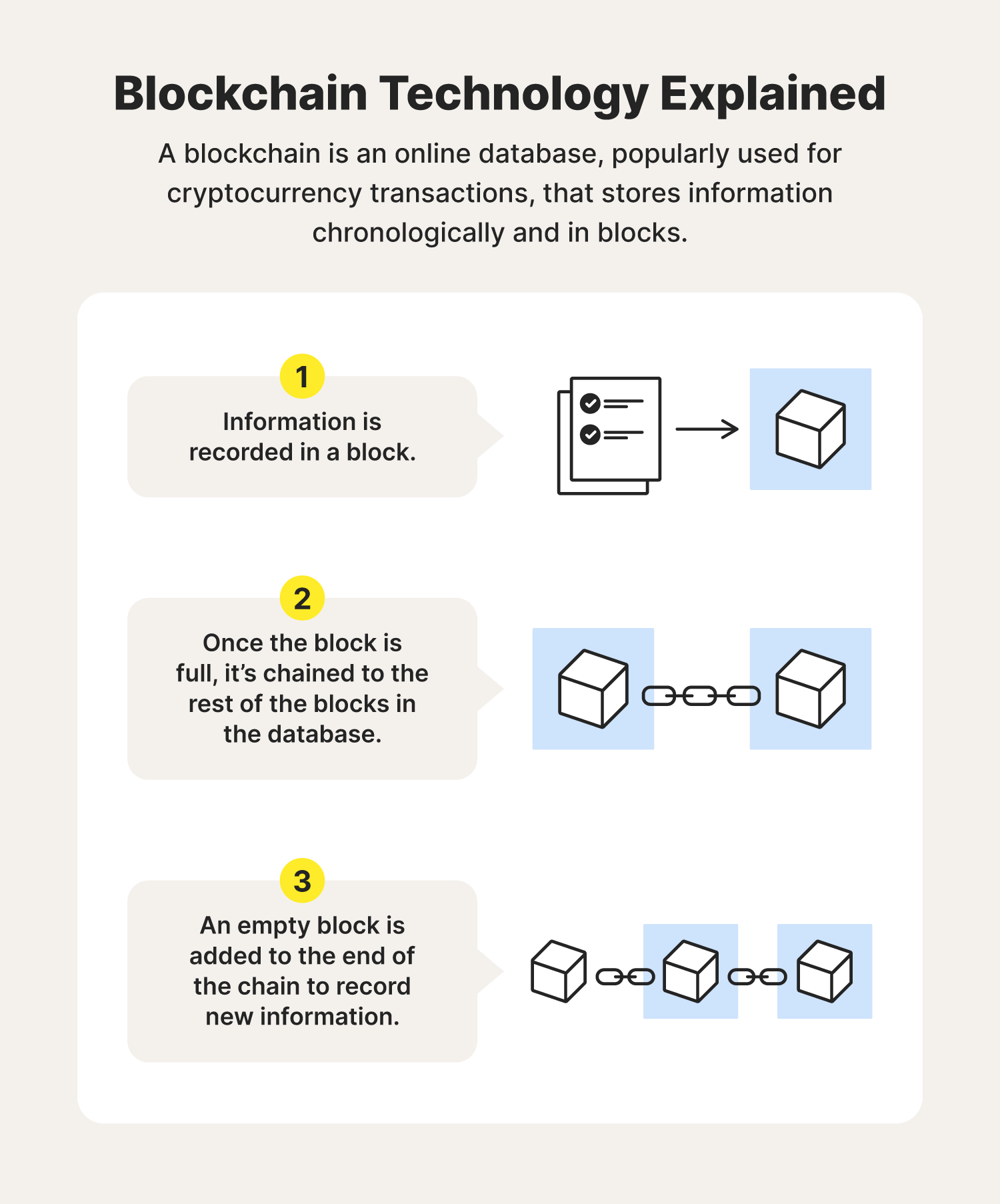
In a blockchain, each block contains the hash of the previous block. This creates a mathematical link. If a malicious actor attempts to change even a single bit of data in an old block, that block’s hash changes. Consequently, every subsequent block in the chain would become invalid because the “link” is broken. This “cascading effect” is what makes tampering with historical data computationally impossible for all practical purposes.
The Consensus Mechanism
Since there is no central authority to validate transactions, the network must agree on the state of the ledger. This is achieved through a consensus mechanism. The two most prominent methods are Proof of Work (PoW) and Proof of Stake (PoS).
- Proof of Work: Utilized by Bitcoin, it requires miners to solve complex mathematical puzzles to validate transactions and create new blocks. This requires immense computational power, making it prohibitively expensive to attack the network.
- Proof of Stake: A more energy-efficient alternative used by Ethereum 2.0. Validators are chosen based on the number of tokens they “stake” or lock up as collateral. This aligns the interests of the validators with the health of the network.
From Bitcoin to Smart Contracts: The Evolution of Software Infrastructure
Blockchain technology has evolved through several “generations,” moving from simple value transfer to complex, programmable environments.
Ethereum and the Rise of Programmable Money
While the first generation of blockchain (Bitcoin) was designed as a decentralized payment system, the second generation, led by Ethereum, introduced the concept of “Smart Contracts.” A smart contract is a self-executing piece of code stored on the blockchain. It automatically executes the terms of an agreement when predefined conditions are met.
This turned the blockchain from a static ledger into a “World Computer.” Developers could now build decentralized applications (dApps) that operate without a central server. This software layer allows for the automation of complex workflows, such as escrow services, insurance payouts, or decentralized identity verification, all handled by code rather than human intervention.
Layer 1 vs. Layer 2 Solutions
As blockchain adoption grew, technical bottlenecks appeared, specifically regarding transaction speed and cost (gas fees). This led to the development of a tiered architecture.
- Layer 1: Refers to the base blockchain (e.g., Ethereum, Bitcoin, Solana). This is where the core security and consensus happen.
- Layer 2: These are protocols built on top of Layer 1 to handle transactions off-chain, bundling them together before settling them on the main chain. Technologies like “Rollups” or the “Lightning Network” allow for thousands of transactions per second, comparable to traditional payment processors like Visa, while still inheriting the security of the underlying blockchain.
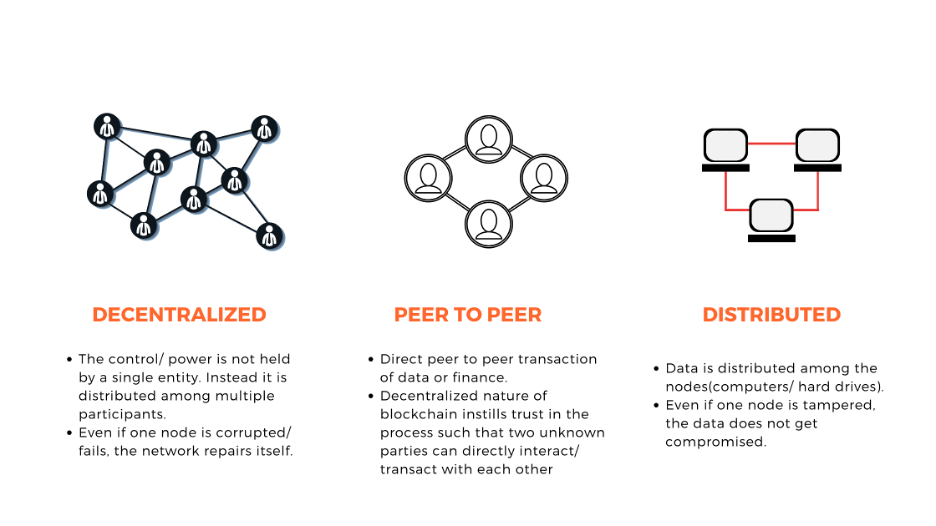
Digital Security and the Immutable Nature of the Chain
In an era defined by data breaches and identity theft, the security implications of blockchain are profound. The technology offers a “Zero Trust” framework where security is baked into the protocol rather than added as an afterthought.
Preventing the Double-Spend Problem
Before blockchain, digital files were easily copied. If you sent a digital photo to a friend, you still possessed the original. This “double-spending” was the primary hurdle for digital currency. Blockchain solves this by ensuring that once a digital asset is transferred, the ledger is updated across all nodes simultaneously. The sender no longer “owns” the asset according to the global consensus, making it impossible to spend the same unit of value twice.
Resistance to Censorship and Tampering
Because the data is distributed across thousands of nodes globally, it is nearly impossible for any government or private entity to “shut down” a public blockchain. Furthermore, the immutability of the records provides an audit trail that is invaluable for digital security. In a traditional corporate environment, a rogue employee might alter database logs to hide unauthorized activity. In a blockchain-based system, every action is timestamped and cryptographically sealed, making unauthorized changes visible to the entire network instantly.
The Future of Tech: Beyond Cryptocurrencies
While the financial sector was the first to adopt blockchain, the tech industry is now looking at how this architecture can solve problems in logistics, AI, and decentralized computing.
Decentralized Applications (dApps)
The next phase of the internet, often referred to as Web3, is built on dApps. Unlike traditional apps (like Twitter or Uber) where a company owns your data and controls the platform, dApps run on a blockchain. This allows users to retain ownership of their data via private keys. If a user wants to move their data from one dApp to another, they can do so without asking permission from a corporate gatekeeper.
The Intersection of AI and Blockchain
As Artificial Intelligence becomes more prevalent, the need for data integrity is paramount. Blockchain can provide a secure, transparent log for AI training sets, ensuring that the data has not been tampered with. Additionally, decentralized “compute” networks are emerging, where blockchain is used to coordinate and pay for the massive processing power required by AI models, distributing the workload across a global network of GPUs rather than relying solely on centralized cloud providers like AWS or Google Cloud.
Challenges and Technical Limitations
Despite its potential, blockchain is not a “silver bullet.” It faces several technical hurdles that the developer community is actively working to resolve.
The Scalability Trilemma
Coined by Vitalik Buterin, the Scalability Trilemma suggests that it is difficult for a blockchain to achieve all three of these properties simultaneously: Security, Decentralization, and Scalability. Usually, a network can only optimize two at the expense of the third. For example, Bitcoin is highly secure and decentralized but slow (low scalability). Conversely, some newer blockchains are incredibly fast but have fewer nodes, leading to concerns about centralization.
Energy Consumption and Sustainable Protocols
The environmental impact of Proof of Work mining has been a major point of criticism. However, the tech industry is pivoting toward sustainability. The “Merge” of Ethereum in 2022 reduced its energy consumption by over 99.9% by switching to Proof of Stake. Future tech trends in this space are heavily focused on “Green Blockchain” initiatives and improving the efficiency of cryptographic proofs (such as Zero-Knowledge Proofs) to minimize the computational overhead required for verification.
Conclusion
Blockchain is far more than a mechanism for digital assets; it is a foundational technology that redefines how we establish truth in a digital environment. By utilizing distributed ledgers, cryptographic hashing, and decentralized consensus, it offers a level of security and transparency that traditional databases cannot match.
As we move toward a more digitized world, the software infrastructure provided by blockchain will likely become the “invisible” back-end for everything from supply chain management to secure voting and autonomous AI systems. The transition from centralized to decentralized systems is still in its early stages, but the technical blueprints are already being drawn. Understanding blockchain is not just about understanding money; it is about understanding the future of secure, global software architecture.
aViewFromTheCave is a participant in the Amazon Services LLC Associates Program, an affiliate advertising program designed to provide a means for sites to earn advertising fees by advertising and linking to Amazon.com. Amazon, the Amazon logo, AmazonSupply, and the AmazonSupply logo are trademarks of Amazon.com, Inc. or its affiliates. As an Amazon Associate we earn affiliate commissions from qualifying purchases.