
The blind box phenomenon has transcended its origins as a niche novelty to become a powerhouse in modern consumer culture. At its core, a blind box is a type of packaging that completely conceals its contents. Consumers purchase these items without knowing exactly which specific design or variant they will receive. While the concept of “surprise” has existed in retail for decades—think Cracker Jack prizes or trading card packs—the modern blind box has been elevated by sophisticated marketing, scarcity tactics, and intense brand community building.
For businesses and marketers, the blind box is not merely a product; it is a masterclass in consumer psychology and inventory management. By gamifying the shopping experience, brands have successfully turned the simple act of purchasing a collectible into an addictive ritual, creating a unique intersection of retail and entertainment.

The Psychology of the Blind Box Economy
The success of the blind box model relies heavily on the human psychological drive toward variable rewards and the “fear of missing out” (FOMO). By stripping away the ability to choose, brands transform a standard commercial transaction into a high-stakes emotional event.
The Power of Variable Rewards
B.F. Skinner’s research into operant conditioning established that intermittent reinforcement—where the reward is unpredictable—creates a much stronger psychological habit than consistent, predictable rewards. When a consumer buys a blind box, they are essentially playing a game of chance. The anticipation of opening the box triggers a dopamine release, which is amplified if the consumer “wins” by pulling a rare or highly coveted figure. This cycle of anticipation and resolution keeps consumers returning to the retail shelf, hoping for that elusive chase figure.
Scarcity and Social Proof
Blind box brands employ a tiered rarity system to maintain market heat. By producing common, rare, and “secret” (or hidden) editions, brands create a natural hierarchy among their products. A “secret” figure, which might have a production ratio of 1:144, immediately acquires a secondary market value far exceeding its retail price. This scarcity creates social proof; when collectors share their pulls on social media, it validates the thrill of the chase, encouraging others to participate in the trend to gain status within the community.
Brand Strategy and the Gamification of Retail
For corporations, the blind box offers a distinct strategic advantage: it turns products into content. Unlike traditional retail, where a product is judged solely on its utility or aesthetic, a blind box is judged on its “pull rate” and its place in a broader narrative.
Creating Intellectual Property (IP) Ecosystems
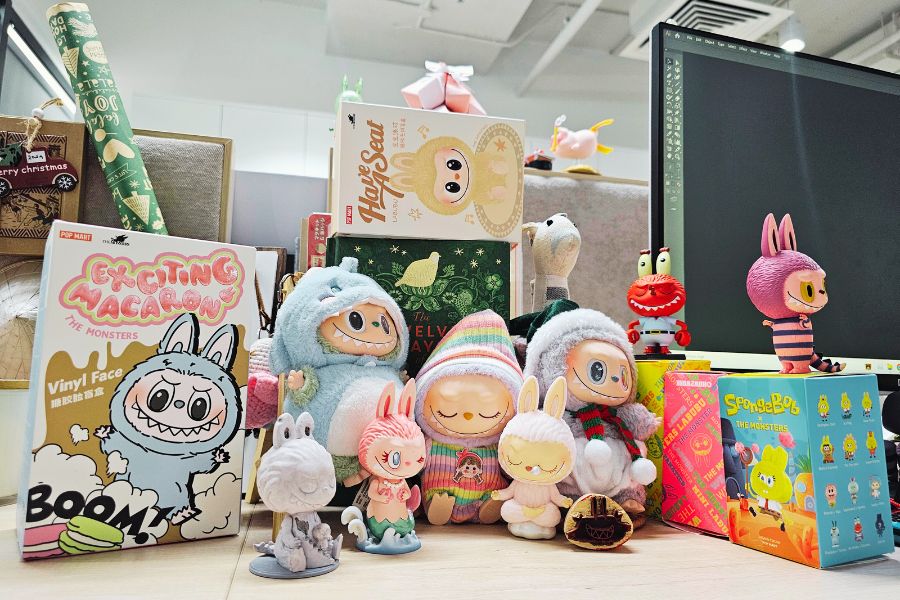
Leading companies in this space do not just sell plastic figurines; they sell lore. By developing consistent character designs, thematic series, and collaborative releases with other established brands, companies build a deep, immersive ecosystem. When a brand treats its products as characters in a larger, evolving story, customers stop being mere shoppers and become fans. This shift is critical for long-term brand loyalty. If a customer is invested in the backstory of a particular series, they are significantly more likely to purchase every iteration released to “complete the set.”
Influencing Consumer Behavior through “Sets”
The “complete the set” mentality is a core pillar of blind box marketing. By releasing a series of 12 figures, brands leverage the psychological discomfort of incompleteness. When a consumer has 11 out of 12 figures, the pressure to find the final piece becomes a powerful motivator to continue purchasing. This drives volume, increases average transaction value, and ensures that even the “common” items in a series serve a strategic purpose: they keep the customer engaged while they hunt for the rarer pieces.
The Role of Secondary Markets and Community Hubs
The blind box economy does not end at the checkout counter. A robust secondary market is essential to the health of the brand. Platforms such as eBay, StockX, and dedicated enthusiast forums serve as critical infrastructure for the blind box industry.
Value Appreciation and Investment Potential
When a brand successfully cultivates a secondary market where items retain or gain value, it legitimizes the purchase as an “investment.” Collectors view their purchases not just as impulsive toys, but as assets that could potentially be resold for profit. This perception mitigates the “buyer’s remorse” associated with impulsive spending, as the consumer feels they are acquiring something with lasting value. Brands that actively manage their production numbers to prevent market oversaturation effectively protect the value of their collectors’ holdings, thereby reinforcing brand loyalty.
Community-Driven Marketing
Community interaction is the engine that drives modern brand growth. Collectors often engage in “trading” to complete their sets, which creates organic social interactions. Brands facilitate this by creating digital spaces—apps, social media groups, and community meetups—where users can showcase their collections, trade doubles, and discuss upcoming releases. By fostering these micro-communities, brands gain invaluable insights into consumer preferences, which they then use to inform the designs of their next series. This feedback loop ensures that the brand remains relevant and in sync with the desires of its most dedicated customer base.
Future-Proofing the Model: Risks and Opportunities
Despite the immense success of the blind box model, it is not without its challenges. As the market becomes increasingly saturated, brands must adapt to maintain the interest of the modern consumer.
Balancing Regulation and Ethics
Because blind boxes mimic the mechanics of gambling, they are increasingly under the scrutiny of regulatory bodies worldwide. Ensuring that the “odds” are clearly stated, preventing the exploitation of younger demographics, and maintaining transparent business practices are vital for long-term survival. Brands that act ethically and maintain clear communication with their base are far more likely to withstand shifts in regulatory landscapes than those that lean into predatory tactics.

Digital Integration and the Future of Collectibles
The integration of digital technology is the next frontier for the blind box industry. We are already seeing the emergence of “digital blind boxes,” where the purchase yields a digital asset, such as a Non-Fungible Token (NFT) or a virtual item for a metaverse-based game. This eliminates physical manufacturing and shipping costs while allowing for infinite global scalability. Furthermore, hybrid models—where a physical purchase includes a QR code that grants a digital counterpart—offer the best of both worlds, providing the tactile satisfaction of a physical collectible with the connectivity and utility of a digital asset.
Ultimately, the blind box remains a testament to the power of structured surprise. By mastering the balance between mystery, scarcity, and community, brands have created a retail model that is incredibly resilient. Whether applied to traditional toys, high-end design objects, or digital assets, the blind box structure continues to prove that consumers are not just buying products—they are buying the thrill of the discovery and the identity that comes with being part of a collective, global pursuit. As long as brands can continue to innovate their themes and maintain the integrity of their ecosystems, the blind box will remain a cornerstone of modern brand strategy and consumer engagement.
aViewFromTheCave is a participant in the Amazon Services LLC Associates Program, an affiliate advertising program designed to provide a means for sites to earn advertising fees by advertising and linking to Amazon.com. Amazon, the Amazon logo, AmazonSupply, and the AmazonSupply logo are trademarks of Amazon.com, Inc. or its affiliates. As an Amazon Associate we earn affiliate commissions from qualifying purchases.