
Deciding to close a bank account, especially one you’ve held for a significant period like a Citibank checking account, is a financial decision that requires careful consideration and a systematic approach. Whether you’re streamlining your finances, moving to a new bank offering more competitive rates or services, or simply no longer need a particular account, understanding the proper procedure is crucial to avoid complications. This guide will walk you through everything you need to know, ensuring a smooth and hassle-free closure of your Citibank checking account, all within the realm of sound personal financial management.

Why You Might Consider Closing Your Account
Before diving into the mechanics of closure, it’s beneficial to reflect on the reasons driving this decision. Understanding your motivations can help reinforce your choice and ensure it aligns with your broader financial strategy.
Changing Financial Needs and Goals
Life circumstances evolve, and so do our financial requirements. What served you well years ago might not be the optimal solution today. Perhaps you’ve changed jobs, moved to a different city, started a family, or are planning for retirement. Each of these life stages often brings new banking needs, such as a preference for a bank with better online tools, more favorable interest rates on savings, or specific types of loans. If your Citibank checking account no longer aligns with your current financial trajectory, it’s a valid reason to explore alternatives.
Seeking Better Banking Alternatives
The banking landscape is competitive, with an array of institutions—from traditional brick-and-mortar banks to online-only challengers and credit unions—vying for your business. Many consumers close accounts with one bank to open new ones elsewhere, often driven by a desire for lower fees, higher interest yields, superior customer service, more accessible branch locations, or advanced digital banking features. If another financial institution offers benefits that Citibank doesn’t, or provides a better overall value proposition for your specific needs, making a switch can be a smart financial move.
Consolidating Accounts or Moving
Sometimes, the motivation for closing an account is purely for simplification. Holding multiple checking accounts across different banks can complicate financial tracking and management. Consolidating your banking relationships can reduce administrative overhead, make budgeting easier, and minimize the risk of overlooking small balances or recurring fees. Similarly, if you’re relocating to a new area where Citibank has a limited presence, or if you prefer a local bank, closing your account can be a practical step in managing your finances in a new environment.
Essential Preparations Before You Close
Closing a bank account isn’t as simple as just telling the bank you’re done. A series of preparatory steps are crucial to prevent financial disruptions, unexpected fees, or difficulties in accessing your funds. These steps are foundational to responsible personal finance.
Reviewing Your Account Balance and Activity
The first step is to thoroughly review your Citibank checking account’s recent activity and current balance. Ensure there are no pending transactions that could later overdraft the account or tie up funds. If your balance is negative due to fees or an accidental overdraft, you’ll need to deposit funds to bring it to zero, or even a small positive balance, before the bank will allow you to close it. Similarly, if you anticipate receiving any last-minute deposits, it’s wise to wait for those to clear. Pulling the last few months of statements can help you identify any recurring debits or credits you might have forgotten about.
Redirecting Direct Deposits and Automatic Payments
This is perhaps the most critical preparatory step. Almost all checking accounts are linked to various financial flows. Before closing, you must redirect all incoming direct deposits (like your salary, government benefits, or investment dividends) and update all outgoing automatic payments (such as utility bills, loan payments, subscription services, or credit card bills) to your new bank account or an alternative payment method. Missing this step can lead to bounced payments, late fees, and significant inconvenience. Make a comprehensive list of all linked transactions, including online bill pay setups within Citibank, and systematically update each one. Allow ample time for these changes to take effect, often one to two billing cycles.
Transferring Remaining Funds
Once you’ve updated all direct deposits and automatic payments, and all outstanding transactions have cleared, you’ll need to transfer any remaining funds out of your Citibank checking account. You can typically do this via an electronic transfer (ACH transfer) to your new bank account, a wire transfer (though this often incurs a fee), or by requesting a cashier’s check from Citibank for the remaining balance. Some banks may also allow you to withdraw the cash if you’re closing in person, but limits may apply. Ensure the transfer is complete and the funds are accessible in your new account before proceeding with the closure request.
Archiving Important Account Records
For your personal financial history and potential tax purposes, it’s advisable to download and save digital copies of at least the last 5-7 years of your checking account statements and transaction history. While Citibank might retain these records for a period, having your own copies ensures easy access should you ever need proof of payment, income, or specific transactions. This is a crucial step for maintaining robust financial records.
Addressing Joint Accounts
If your Citibank checking account is a joint account, all account holders typically need to agree to and be present (or provide written consent) for the closure process. Each party will usually need to sign any necessary documentation. Ensure you communicate clearly with any co-owners about the decision and coordinate the closure process to avoid misunderstandings or delays.
Step-by-Step Methods for Closing Your Citibank Account
Once you’ve completed all the necessary preparations, you’re ready to initiate the account closure. Citibank, like most major banks, offers several avenues for this, each with its own requirements.
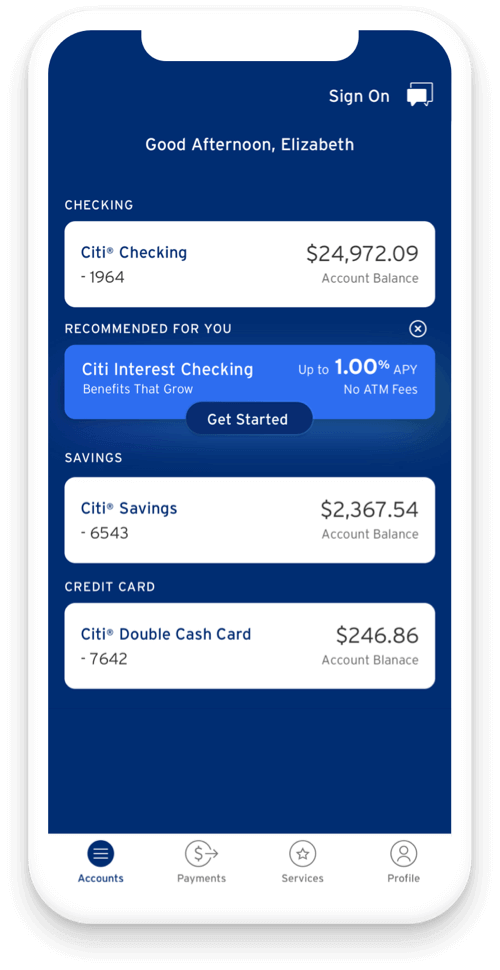
Closing Your Account In-Person at a Citibank Branch
For many, visiting a Citibank branch is the most straightforward and secure method. It allows you to speak directly with a representative, ask any questions, and receive immediate confirmation.
- Locate a Branch: Use Citibank’s website or app to find the nearest branch.
- Gather Documents: Bring a valid government-issued photo ID (driver’s license, passport) and, if possible, your debit card and checkbook associated with the account.
- Speak to a Banker: Inform them you wish to close your checking account. They will guide you through the process, confirm your identity, verify the account balance, and provide any necessary forms to sign.
- Receive Confirmation: Request a written confirmation of account closure for your records. This is vital proof that the account has been officially terminated.
Initiating Closure Over the Phone
If visiting a branch isn’t convenient, you may be able to close your account over the phone.
- Call Customer Service: Dial Citibank’s customer service number (usually found on their website, your statements, or the back of your debit card).
- Verify Identity: Be prepared to answer security questions to verify your identity.
- Request Closure: Clearly state your intention to close the checking account. The representative will likely review the account details, confirm a zero balance, and guide you on the next steps. They might mail you a form to sign and return, or they might be able to complete the process directly, depending on Citibank’s specific policy for phone closures.
- Follow Up: If forms are mailed, return them promptly. If the closure is processed directly, inquire about how you will receive written confirmation.
Closing by Mail (If Applicable)
In some cases, particularly if you’ve moved far from a branch or prefer written communication, closing by mail might be an option. However, this is less common for checking accounts due to security concerns and the need for immediate balance verification.
- Contact Citibank First: It is absolutely critical to first contact Citibank customer service to confirm if they accept closure requests by mail and what specific documentation they require. Do not simply send a letter without prior instruction.
- Prepare a Letter: If permitted, draft a formal letter stating your account number, your full name, contact information, and a clear request to close the checking account. Sign the letter exactly as your signature appears on file with the bank.
- Include Documentation: Enclose a copy of your government-issued ID.
- Send Certified Mail: Send the letter via certified mail with a return receipt requested. This provides proof that Citibank received your request.
- Wait for Confirmation: Be prepared for this method to take longer, and ensure you follow up if you don’t receive confirmation within a reasonable timeframe.
Online or App-Based Closure (Check Availability)
While many banks are enhancing their digital capabilities, the ability to close a checking account entirely online or through a mobile app is still relatively uncommon, especially for larger institutions like Citibank, due to security protocols and the complexities of balance reconciliation.
- Check Citibank’s Digital Platforms: Log into your Citibank online banking portal or mobile app. Look for options related to account management or customer service.
- Contact Support: If you don’t see an explicit “close account” option, use the secure messaging feature or chatbot to inquire about online closure possibilities. It’s more likely that these platforms will direct you to a phone number or a branch visit. Assume you cannot close an account this way unless explicitly stated by the bank.
Important Considerations and Potential Pitfalls
Navigating the account closure process isn’t just about following steps; it’s also about being aware of potential issues that could arise.
Understanding Account Balances and Potential Fees
Ensure your account balance is truly zero, or even slightly positive, before requesting closure. If your account goes into a negative balance after you’ve initiated closure (e.g., a pending transaction clears late), Citibank could levy overdraft fees. Furthermore, some banks impose an “early closure fee” if you close an account shortly after opening it (e.g., within 90 or 180 days). Review your account agreement or speak with a representative to understand any such fees. These fees are a direct cost to your personal finances and should be avoided if possible.
The Impact on Linked Accounts and Services
Your checking account might be linked to other Citibank products or services, such as a savings account, investment accounts, or credit cards for overdraft protection. Closing your checking account could potentially impact these linkages. For instance, if your checking account was the primary funding source for an overdraft protection line of credit, you’ll need to make alternative arrangements. Always confirm with Citibank representatives how closing your checking account might affect any other banking relationships you have with them.
Ensuring Final Confirmation of Closure
Do not consider your account closed until you receive an official, written confirmation from Citibank. This could be an email, a letter mailed to your address, or a printed receipt from a branch. This document is your proof that you are no longer responsible for the account. Without it, you might find yourself still incurring fees or being responsible for transactions years down the line. Keep this confirmation indefinitely with your other important financial documents.
What Happens After Closure and Moving Forward
Once your Citibank checking account is officially closed and you have your confirmation, the immediate task is done. However, there are still a couple of final thoughts for your financial well-being.
Verification and Documentation
Periodically (e.g., a month or two after closure), you might want to discreetly check your credit report to ensure there are no lingering issues related to the closed account. While checking accounts don’t directly impact credit scores in the same way loans or credit cards do, any unreported debts or outstanding issues could appear. Keeping your closure confirmation letter handy can resolve any discrepancies quickly.
Planning Your Next Banking Steps
With your old account closed, focus on optimizing your new banking relationship. Ensure all your financial needs are met with your chosen alternative. This might involve setting up new online bill pay features, understanding fee structures, and exploring additional services offered by your new institution. This proactive approach ensures a smooth transition and a stronger financial footing.

Maintaining Financial Organization
The act of closing an account is an excellent opportunity to reinforce good financial habits. Regularly review your accounts, statements, and financial goals. Ensure your banking relationships consistently align with your personal finance strategy. By staying organized and proactive, you can manage your money effectively and make informed decisions about your financial future.
aViewFromTheCave is a participant in the Amazon Services LLC Associates Program, an affiliate advertising program designed to provide a means for sites to earn advertising fees by advertising and linking to Amazon.com. Amazon, the Amazon logo, AmazonSupply, and the AmazonSupply logo are trademarks of Amazon.com, Inc. or its affiliates. As an Amazon Associate we earn affiliate commissions from qualifying purchases.