
In an era increasingly defined by digital transformation, the banking sector has undergone a profound metamorphosis. Traditional brick-and-mortar institutions, once the sole arbiters of financial services, now contend with a new breed of challengers: the digital banks. Among these innovators stands Openbank, a name that has resonated across European financial markets and beyond. But beyond the buzzwords and digital facade, what exactly is Openbank, and how does it fundamentally reshape our understanding and interaction with money?
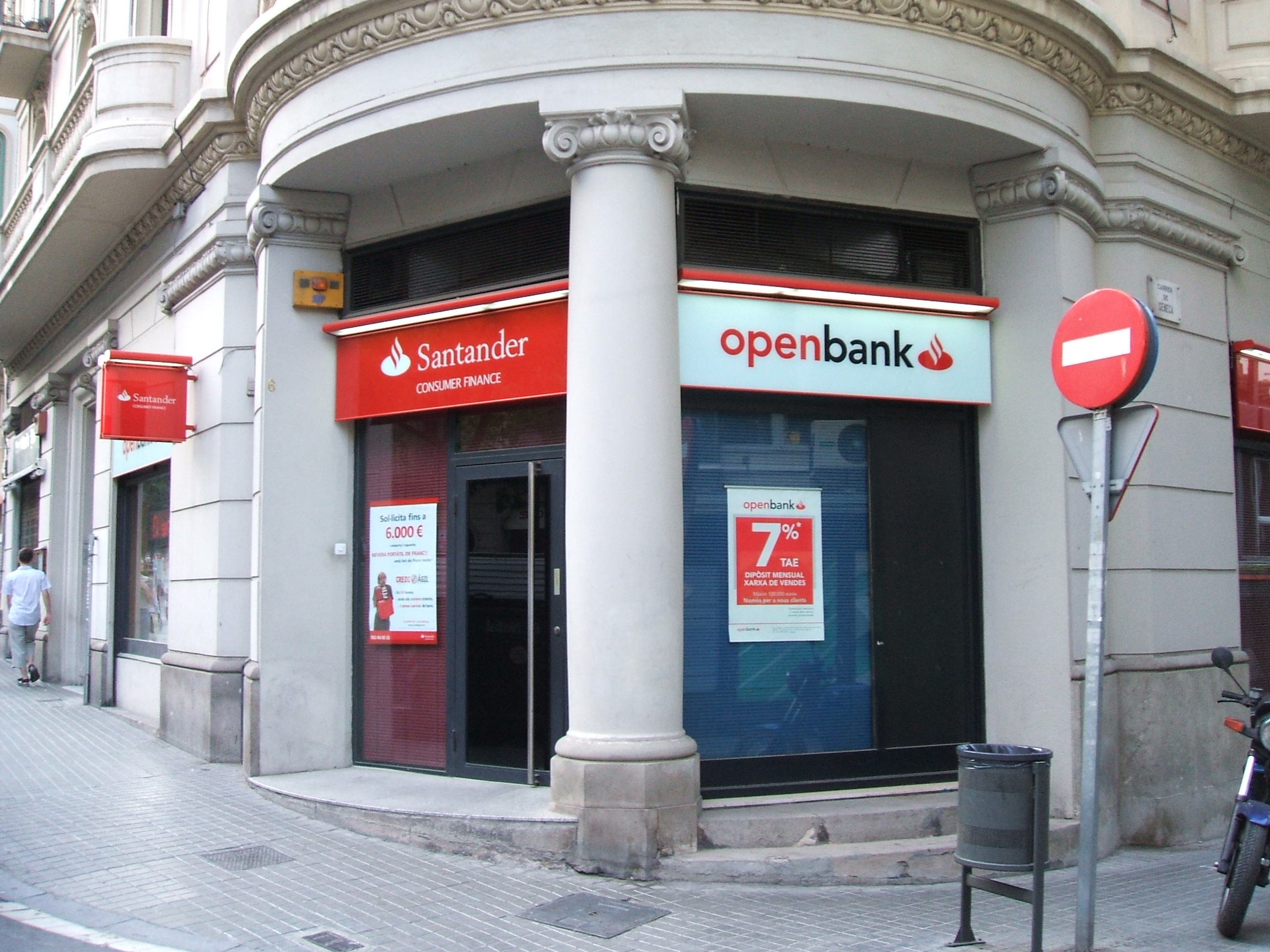
Openbank is not just another online bank; it represents a significant evolution in financial services. Launched by Banco Santander, one of the world’s largest and most established financial institutions, Openbank embodies a strategic move to blend the security and heritage of traditional banking with the agility, convenience, and cost-effectiveness of a pure digital model. This article will meticulously explore Openbank from a purely financial perspective, dissecting its offerings, its impact on personal and business finance, and its strategic position within the burgeoning digital financial ecosystem.
The Genesis of a Digital Financial Powerhouse
The story of Openbank is intrinsically linked to the broader narrative of financial evolution, demonstrating how established players are adapting to a tech-driven world. Its inception wasn’t merely a technological upgrade but a strategic financial maneuver designed to capture a new segment of the market and respond to changing consumer expectations.
Origins and the Santander Legacy
Openbank’s unique position in the market is largely attributable to its parent company, Banco Santander. Launched in 1999 as Spain’s first online bank, it was an early pioneer in the digital space. However, its significant re-launch in 2017, backed by Santander’s robust financial muscle and extensive experience, marked its true emergence as a formidable digital-first entity. This backing provides Openbank with an unparalleled advantage over many standalone fintech startups: the immediate trust, regulatory compliance infrastructure, and deep financial reserves of a global banking giant.
For consumers, this translates into a powerful combination: the innovative, user-friendly interface and accessible services characteristic of a digital bank, coupled with the security, stability, and extensive financial expertise typically associated with a traditional, large-scale institution. This blend is crucial in the “Money” niche, where trust and security are paramount. Customers can feel confident that their deposits and investments are managed under a well-regulated framework, mitigating risks often perceived with nascent digital entities.
The Strategic Shift Towards Digital-First Banking
The decision by Santander to invest heavily in a standalone digital brand like Openbank was a recognition of a seismic shift in financial consumer behavior. Millennials and Gen Z, in particular, demand instant access, intuitive mobile experiences, and transparent fee structures—attributes often lacking in legacy banking models. Openbank was designed from the ground up to meet these demands, unencumbered by the sprawling physical branch networks and outdated IT systems that can hinder traditional banks.
From a financial strategy standpoint, this pivot allowed Santander to tap into a growing market segment without cannibalizing its core traditional banking operations immediately. It created a laboratory for digital innovation, where new financial products and services could be rapidly iterated and deployed, tested in a purely digital environment before potentially influencing the broader group’s strategy. This agility in product development, from savings accounts to investment platforms, is a key financial advantage for Openbank. It allows for a quicker response to market changes and consumer needs, offering more relevant and often more cost-effective financial solutions than traditional counterparts.
Core Financial Offerings and User Value
At the heart of Openbank’s appeal in the “Money” category are its diverse range of financial products and services, meticulously designed to cater to the modern consumer and small business alike. These offerings are not just digital versions of traditional products; they are often enhanced by technology to provide greater convenience, transparency, and sometimes, better returns or lower costs.
Everyday Banking: Accounts, Cards, and Payments
Openbank provides a comprehensive suite of everyday banking services essential for managing personal and household finances. Its current accounts are typically characterized by zero maintenance fees, a major draw for consumers weary of hidden charges. These accounts often come with associated debit and sometimes credit cards, frequently offering benefits like cashback on purchases or no foreign transaction fees, which can result in significant savings for frequent travelers or online shoppers.
The mobile app and online platform serve as the central hubs for all financial activities. Users can effortlessly manage their budgets, categorize spending, set financial goals, and transfer money instantly. The integration of modern payment methods like Apple Pay and Google Pay further enhances convenience, allowing for seamless transactions. From a financial perspective, the ease of managing day-to-day money, the transparency of transactions, and the absence of many common banking fees contribute directly to improved personal financial health and better budgeting capabilities.
Investment Solutions for the Modern Investor
Beyond basic transactional banking, Openbank has made significant strides in offering accessible investment solutions, democratizing wealth management for a broader audience. Its investment platform typically features a range of options, from automated robo-advisors to self-directed trading. Robo-advisors, a key financial tool for beginners, construct diversified portfolios based on a user’s risk tolerance and financial goals, often with lower fees than traditional financial advisors. This lowers the barrier to entry for investing, allowing more individuals to participate in wealth creation.
For more experienced investors, Openbank often provides access to a variety of financial instruments, including funds, ETFs, and sometimes even direct stock trading. The focus is on providing tools and information that empower users to make informed financial decisions, from setting up recurring investments to tracking portfolio performance. The integration of banking and investing within a single digital ecosystem simplifies financial planning and management, allowing users to move funds between accounts seamlessly and gain a holistic view of their financial standing. This integrated approach can lead to better overall financial outcomes by facilitating easier access to growth opportunities.
Lending and Financing Options
Openbank also extends its financial services to include various lending and financing options, addressing diverse credit needs. This typically includes personal loans, and potentially mortgages, all managed through their digital platforms. The application process is streamlined, leveraging digital verification and credit assessment tools to provide quick decisions and disbursements. This digital efficiency can be a significant advantage for individuals needing timely access to credit for planned expenses or unexpected emergencies.
The digital nature of the lending process also often translates into competitive interest rates due to lower operational overheads. Furthermore, Openbank’s integration within the Santander group might allow it to offer more robust and varied lending products than smaller digital banks, backed by the group’s extensive balance sheet. For businesses, while Openbank primarily targets retail customers, its general approach to efficient digital lending could influence how small business financing evolves, prioritizing speed and data-driven assessment over cumbersome paperwork. The financial implication is faster access to capital at potentially better terms, crucial for both personal financial flexibility and entrepreneurial growth.
Openbank’s Value Proposition in the Financial Landscape
Openbank’s success and growing appeal stem from a clear value proposition that directly addresses common pain points in traditional banking. Its advantages are predominantly financial, offering tangible benefits that impact users’ wallets and financial peace of mind.
Competitive Pricing and Fee Structures
Perhaps the most compelling financial advantage of Openbank is its commitment to competitive pricing and transparent fee structures. Many of its core services, such as current accounts and basic debit cards, come with zero monthly maintenance fees. This stands in stark contrast to many traditional banks that levy charges for various services, which can accumulate to a substantial sum over a year.
For investment products, Openbank typically offers lower management fees for its robo-advisory services and competitive brokerage fees for self-directed trading. This focus on cost-effectiveness directly translates into greater financial returns for customers, as less of their money is eroded by fees. The transparency means customers are fully aware of any potential charges upfront, eliminating unpleasant surprises and fostering trust in their financial institution. This financial benefit is a core driver of customer acquisition and retention in the digital banking space.
Accessibility and Global Reach
Leveraging its digital-only model and Santander’s international footprint, Openbank offers impressive accessibility and a growing global reach. While primarily focused on certain European markets (e.g., Spain, Germany, the Netherlands, Portugal, Argentina), its digital platform allows for seamless management of accounts from anywhere in the world. This is particularly beneficial for expatriates, international students, or individuals who travel frequently, providing a consistent banking experience regardless of geographical location.
The ability to open an account and manage finances entirely online, often within minutes, removes significant barriers to entry that exist with traditional banks requiring in-person visits and extensive paperwork. This ease of access can empower a broader demographic to engage with formal financial services, promoting financial inclusion. Furthermore, its multi-currency accounts and competitive exchange rates (where offered) provide significant financial advantages for international transactions and cross-border money management, reducing costs and complexities associated with global finance.
Financial Security and Regulatory Compliance
In the digital realm, concerns about financial security are paramount. Openbank addresses this by combining advanced technological security measures with the robust regulatory compliance framework inherited from Banco Santander. All deposits are typically protected by national deposit guarantee schemes (e.g., the Spanish Deposit Guarantee Fund), ensuring customer funds up to a certain limit even in the unlikely event of bank failure. This gives customers the same level of financial protection as any major traditional bank.
Beyond regulatory safeguards, Openbank employs state-of-the-art encryption, multi-factor authentication, and continuous fraud monitoring to protect customer data and transactions. The financial integrity of customer accounts is a top priority, supported by a dedicated cybersecurity team. This strong emphasis on security is a critical component of its value proposition in the “Money” category, fostering confidence and trust, which are foundational to any financial relationship. Users can rest assured that their financial assets and personal information are safeguarded against digital threats.
The Future of Money: Openbank’s Role in Evolution
Openbank is not just a participant in the digital banking revolution; it is actively shaping the future trajectory of how individuals and businesses interact with their finances. Its strategic direction and ongoing innovations point towards a future where financial services are more integrated, personalized, and accessible.
Innovation in Financial Products and Services
Openbank continually seeks to innovate its financial product suite. This extends beyond basic accounts to areas like hyper-personalized financial insights, AI-driven savings recommendations, and potentially even integrations with emerging financial technologies like blockchain for certain payment or investment services. The focus is on leveraging data and technology to offer more than just transactions—it aims to provide actionable financial intelligence.
For instance, future iterations might include predictive analytics that help users avoid overdrafts, smart savings accounts that automatically sweep spare change into investment portfolios, or even dynamically adjusting loan terms based on real-time financial behavior. These innovations directly contribute to better financial management and optimization for the consumer, moving banking from a reactive service to a proactive financial partner.
Data-Driven Personalization in Finance
One of Openbank’s most significant advantages, given its digital nature, is the ability to harness data to offer highly personalized financial experiences. Unlike traditional banks that often offer a one-size-fits-all approach, Openbank can analyze spending patterns, saving habits, and investment preferences to tailor financial advice, product recommendations, and even dynamic pricing.
This personalization can manifest in custom budgeting tools, specific investment opportunities aligned with individual goals, or even proactive alerts about potential financial inefficiencies. From a money management perspective, this means users receive more relevant guidance and services, leading to more informed financial decisions and ultimately, better financial health. It shifts the paradigm from generic banking to individualized financial coaching.
Challenging Traditional Banking Paradigms
Openbank, as a prominent digital bank backed by a legacy institution, stands as a potent challenger to the traditional banking model. It demonstrates that it’s possible to offer comprehensive, secure, and user-friendly financial services without the extensive overhead of physical branches. This model forces traditional banks to re-evaluate their own operations, pricing, and customer service strategies.
The success of Openbank encourages greater competition in the financial sector, which often results in better products, lower fees, and improved services for consumers across the board. It pushes the entire industry towards greater digitalization and efficiency, ultimately benefiting the broader economy by making financial services more accessible and cost-effective. By proving that a fully digital bank can thrive and maintain high standards of security and service, Openbank plays a crucial role in accelerating the transformation of the global financial landscape.
Navigating the Digital Financial Ecosystem
Understanding Openbank’s place within the broader financial world requires an evaluation of its offerings against personal financial needs and compared to other players in the digital banking space. Its impact is reshaping how individuals choose and interact with their financial providers.
Evaluating Openbank for Your Financial Needs
For individuals considering a move to Openbank, a careful assessment of personal financial needs is crucial. If a customer values low fees, a seamless digital experience, integrated investment options, and the security of a large banking group, Openbank presents a compelling case. It is particularly well-suited for digitally-savvy individuals, those looking for transparent pricing, and those who prefer managing their finances primarily through a mobile app or online platform.
However, if in-person branch interactions, a very wide range of complex financial products requiring face-to-face advisory, or highly specialized business banking services are priorities, then a hybrid approach or a different institution might be more appropriate. Openbank’s strength lies in its efficient, streamlined digital offerings for retail and some small business finance, not necessarily in bespoke, high-touch financial advisory traditionally offered by private banks.
Comparing Openbank with Other Digital Challengers
The digital banking landscape is crowded with various fintechs and challenger banks. When comparing Openbank, it’s essential to consider its distinct advantages. Unlike many pure-play fintech startups, Openbank benefits from the regulatory compliance, capital reserves, and decades of financial expertise of the Santander group. This often translates into a broader range of proven financial products (like mortgages or more complex investment vehicles) and a higher degree of perceived security than some newer entrants.
Other challenger banks might excel in niche areas (e.g., specific budgeting tools, unique foreign exchange services), but Openbank offers a comprehensive suite that rivals traditional banks in breadth while surpassing them in digital agility. Its competitive advantage in the “Money” category lies in offering a ‘best of both worlds’ scenario: innovative digital features with the reliability of an established financial institution.
The Impact on Consumer Financial Choices
Openbank’s presence significantly broadens consumer financial choices. It offers a viable alternative to both traditional banks and smaller, unproven digital startups. This increased competition drives innovation and better value across the entire financial sector. Consumers now have more power to demand better service, lower fees, and more intuitive platforms.
By successfully bridging the gap between legacy banking and pure fintech, Openbank is helping to define what modern financial services should look like. It empowers individuals with greater control over their money, offers accessible avenues for saving and investing, and fosters a more transparent and efficient financial environment. Ultimately, Openbank is not just a digital bank; it is a testament to the evolving nature of money itself and our increasingly digital relationship with it.
aViewFromTheCave is a participant in the Amazon Services LLC Associates Program, an affiliate advertising program designed to provide a means for sites to earn advertising fees by advertising and linking to Amazon.com. Amazon, the Amazon logo, AmazonSupply, and the AmazonSupply logo are trademarks of Amazon.com, Inc. or its affiliates. As an Amazon Associate we earn affiliate commissions from qualifying purchases.