
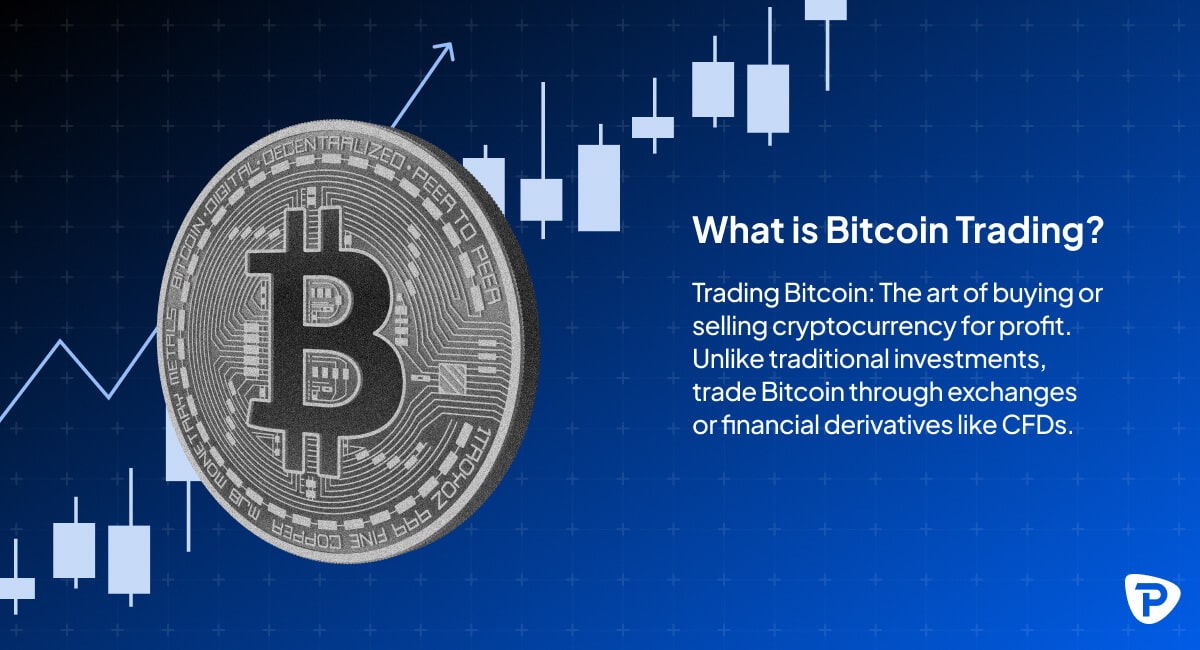
In the contemporary financial landscape, few questions are asked with as much frequency or fervor as “What is Bitcoin trading at?” This single metric—the real-time spot price of the world’s first cryptocurrency—has transitioned from a niche curiosity for cypherpunks into a critical data point for institutional fund managers, retail investors, and global economists. However, understanding what Bitcoin is trading at requires more than a glance at a ticker symbol; it necessitates a deep dive into the underlying mechanics of price discovery, market sentiment, and the macroeconomic forces that govern the digital asset class.
The Mechanics of Real-Time Bitcoin Pricing
The price of Bitcoin is not set by a central authority or a single governing body. Instead, it is the result of a continuous, global process of price discovery occurring across hundreds of digital asset exchanges. When we ask what Bitcoin is trading at, we are essentially asking for the most recent equilibrium point where a buyer and a seller agreed on a transaction.
Supply and Demand Dynamics
At its most fundamental level, Bitcoin’s price is a function of pure supply and demand. Unlike fiat currencies, which can be printed at the discretion of central banks, Bitcoin has a hard-capped supply of 21 million coins. This programmed scarcity means that any increase in demand—whether driven by institutional adoption, geopolitical instability, or technological advancement—puts immediate upward pressure on the price. Conversely, when large “whales” or institutional holders sell off their positions, the influx of supply can cause the trading price to retract rapidly.
The Role of Global Exchanges and Liquidity
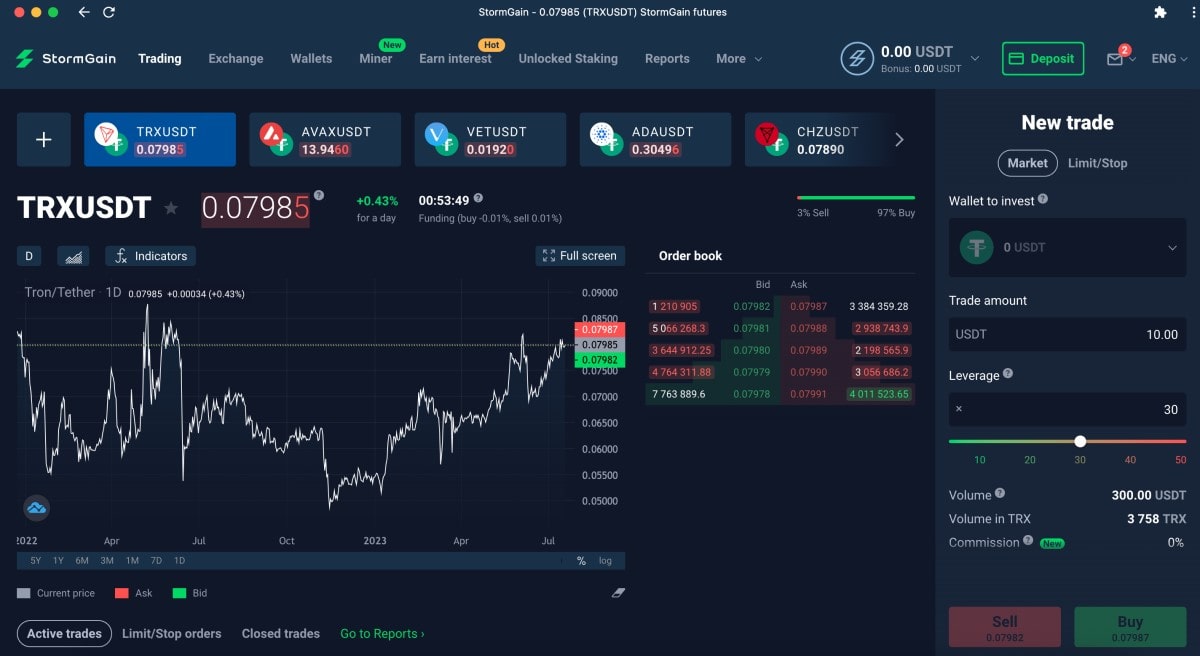
Bitcoin trades 24/7, 365 days a year. The price you see on a financial news site is usually a weighted average of the prices across major exchanges like Coinbase, Binance, and Kraken. Because these exchanges operate independently, slight price discrepancies (known as arbitrage opportunities) can exist, though they are usually closed within seconds by automated trading bots. The “liquidity” of the market—how much Bitcoin can be bought or sold without significantly moving the price—is a crucial factor in determining the stability of the current trading level.
Catalysts Driving Current Market Valuation
Bitcoin does not trade in a vacuum. Its price action is heavily influenced by a cocktail of internal developments within the crypto ecosystem and external pressures from the broader financial world. Understanding why Bitcoin is trading at a specific level requires looking at the catalysts currently moving the needle.
The Impact of Institutional Adoption
One of the most significant shifts in Bitcoin’s market structure over the last few years has been the “institutionalization” of the asset. The approval of Spot Bitcoin ETFs (Exchange-Traded Funds) in the United States marked a watershed moment. These financial products allow traditional investors to gain exposure to Bitcoin’s price movements through their standard brokerage accounts. As billions of dollars in “dry powder” from pension funds and insurance companies enter the market, the price floor of Bitcoin has historically moved higher, reflecting its newfound status as a legitimate institutional asset class.
Macroeconomic Influences and the Federal Reserve
Bitcoin is increasingly viewed as a sensitive barometer for global liquidity. When the Federal Reserve and other central banks lower interest rates or engage in quantitative easing, the “easy money” often finds its way into risk-on assets like Bitcoin. Conversely, when interest rates rise to combat inflation, Bitcoin’s trading price often faces headwinds as investors move capital into “safer” yield-bearing assets like Treasury bonds. Therefore, anyone tracking what Bitcoin is trading at must also keep a close eye on inflation data (CPI) and central bank policy shifts.
The Significance of the Bitcoin Halving Cycle
To understand the long-term trajectory of Bitcoin’s trading price, one must understand the “Halving.” This is a pre-programmed event that occurs approximately every four years, during which the reward for mining new Bitcoin blocks is cut in half. This effectively reduces the rate at which new supply enters the market.
Historical Price Trends Post-Halving
History has shown a consistent pattern: in the 12 to 18 months following a halving event, Bitcoin has traditionally entered a “bull market” phase. This is a simple matter of math. If demand remains constant or increases while the daily production of new Bitcoin is slashed by 50%, the price must rise to reach a new equilibrium. Investors often look at these four-year cycles to determine whether the current trading price represents a local top or a generational buying opportunity.
Scarcity and the Stock-to-Flow Model
Many professional analysts use the “Stock-to-Flow” model to justify Bitcoin’s valuation. This model compares the existing supply (stock) with the annual production (flow). As the halving events make Bitcoin more scarce than gold, many proponents argue that the natural trading price of Bitcoin will continue to climb as it captures more of the “store of value” market share currently held by precious metals.
Navigating Volatility: Strategies for the Modern Investor
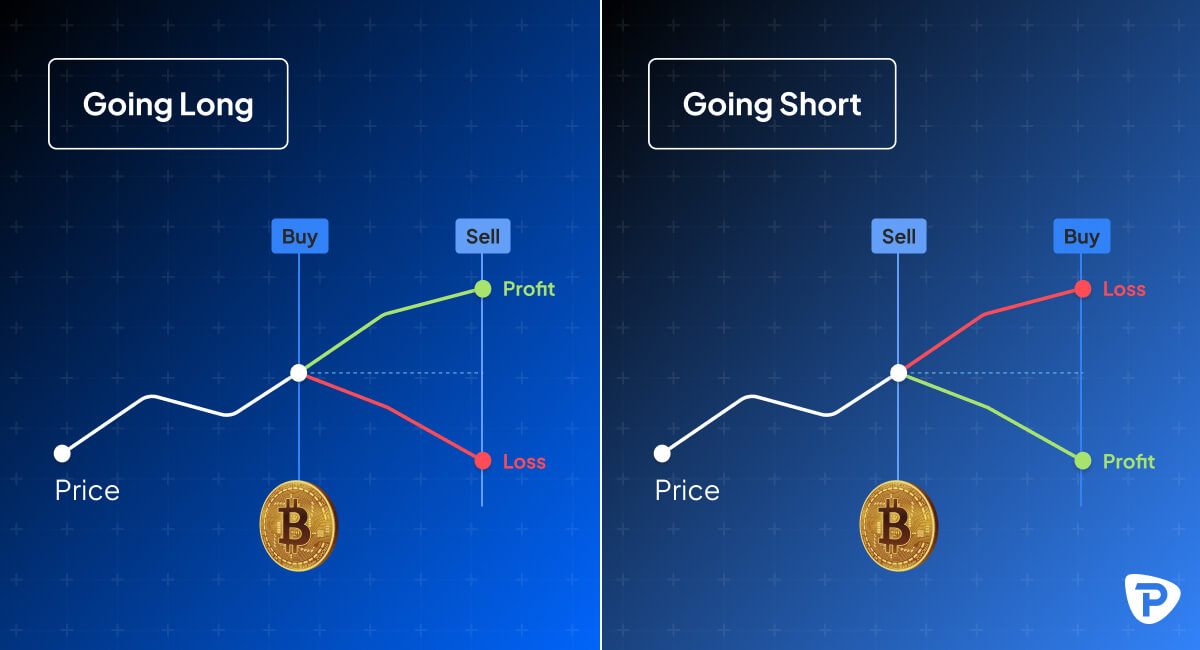
For the average person, seeing Bitcoin trade at $30,000 one month and $60,000 the next can be dizzying. This volatility is a double-edged sword; it provides the potential for life-changing gains but carries the risk of significant short-term drawdowns. Successful money management in this space requires a disciplined approach.
Dollar-Cost Averaging (DCA)
Rather than obsessing over what Bitcoin is trading at on a minute-by-minute basis, many successful investors employ a Dollar-Cost Averaging strategy. This involves investing a fixed amount of money at regular intervals (e.g., $100 every week) regardless of the price. This strategy mitigates the risk of “buying the top” and allows the investor to accumulate more units when the price is low, effectively lowering their average cost basis over time.
Risk Mitigation and Asset Allocation
From a financial planning perspective, Bitcoin should rarely constitute 100% of an individual’s portfolio. Financial advisors often suggest a “barbell strategy,” where the bulk of a portfolio is held in traditional, low-risk assets, while a small percentage (typically 1% to 5%) is allocated to high-growth, high-volatility assets like Bitcoin. This allows the investor to participate in the “upside” of Bitcoin’s price appreciation without jeopardizing their entire financial future during a market correction.
The Future Outlook: Where Is the Market Heading?
As we look toward the future, the question of “What is Bitcoin trading at?” will likely be answered by higher levels of price stability and continued integration into the global financial plumbing.
Regulatory Clarity and Market Maturity
One of the primary historical drags on Bitcoin’s price has been regulatory uncertainty. As governments around the world develop clearer frameworks for digital asset custody, taxation, and trading, the perceived risk of the asset decreases. Regulatory clarity acts as a green light for more conservative financial institutions to enter the fray, which generally leads to higher sustained trading prices and lower volatility.
Bitcoin as a Long-term Store of Value
Ultimately, the value of Bitcoin is tied to its utility as a censorship-resistant, borderless, and provably scarce form of digital money. In an era of high sovereign debt and currency devaluation, Bitcoin is increasingly seen as “digital gold.” If Bitcoin continues to eat into the market capitalization of the global gold market or the offshore banking sector, the current trading prices may one day be viewed as incredibly low entry points in the context of a multi-decade secular trend.
In conclusion, knowing what Bitcoin is trading at is only the first step. To truly master this market, an investor must understand the interplay between its fixed supply, the burgeoning institutional demand, and the broader macroeconomic environment. While the “ticker price” will always fluctuate, the underlying trend toward digital scarcity suggests that Bitcoin will remain a central pillar of the modern financial conversation for years to come.
aViewFromTheCave is a participant in the Amazon Services LLC Associates Program, an affiliate advertising program designed to provide a means for sites to earn advertising fees by advertising and linking to Amazon.com. Amazon, the Amazon logo, AmazonSupply, and the AmazonSupply logo are trademarks of Amazon.com, Inc. or its affiliates. As an Amazon Associate we earn affiliate commissions from qualifying purchases.