
In the annals of corporate history, few brands have managed to define an entire category of products as effectively—and as controversially—as Benzedrine. While modern audiences might recognize it as a historical footnote in pharmacology, the story of what Benzedrine was used for is, at its core, a study in pioneering brand strategy, market creation, and the eventual challenges of managing a brand’s lifecycle in a highly regulated environment.
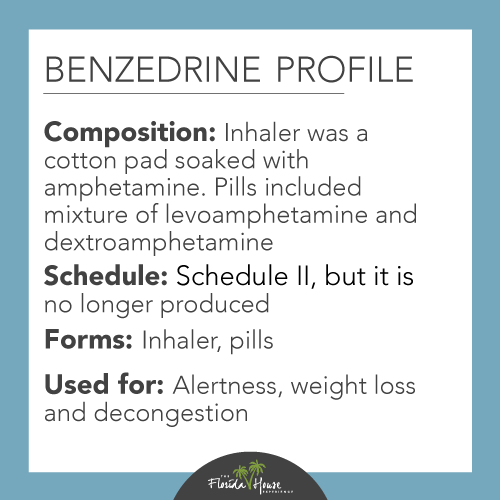
Benzedrine was the brand name for amphetamine sulfate, the first of its kind to hit the commercial market. Developed and marketed by Smith, Kline & French (SKF), the brand did not just sell a chemical compound; it sold a promise of productivity, vitality, and modern medical progress. Understanding the rise and transformation of this brand provides invaluable insights for today’s brand strategists and corporate leaders.
The Birth of a Powerhouse: How Benzedrine Defined a Category
To understand the branding success of Benzedrine, one must look at the landscape of the 1930s. Smith, Kline & French faced a unique challenge: they had a potent stimulant with no established market. Their strategy was a masterclass in “Market Development”—creating a need where none had previously been articulated by the public.
Identifying the Market Gap
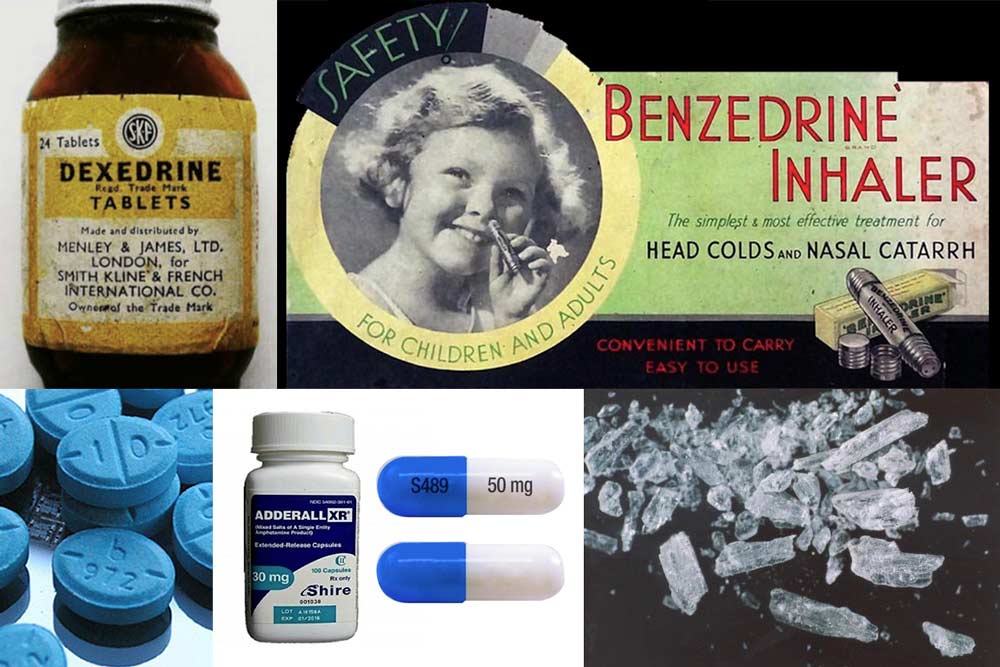
The initial branding of Benzedrine was not focused on cognitive enhancement, but on a much more mundane problem: nasal congestion. By launching the “Benzedrine Inhaler,” the company established a foothold in the over-the-counter market. This was a strategic “Trojan Horse” maneuver. By familiarizing the public with the brand through a common ailment, they built brand equity and trust before pivoting to more complex medical applications.
From Congestion to Cognition
As the brand matured, the strategy shifted from topical relief to systemic performance. SKF began to reposition Benzedrine tablets as a solution for “fatigue” and “mild depression.” This move represented one of the earliest examples of “lifestyle branding” in the pharmaceutical sector. They weren’t just selling a pill for a disease; they were selling a tool for the modern, high-functioning individual. This pivot allowed the brand to penetrate multiple demographics, from weary students to overworked professionals.
Strategic Positioning and the “Wonder Drug” Narrative
In the mid-20th century, the Benzedrine brand became synonymous with the “miracle of science.” The branding strategy relied heavily on the optimism of the era, positioning the product as a triumph of human ingenuity over biological limitations.
Leveraging Scientific Authority
The Benzedrine brand was meticulously built upon the foundation of clinical authority. SKF didn’t just market to consumers; they marketed to the “gatekeepers”—physicians and pharmacists. By flooding medical journals with sophisticated advertisements that featured high-end graphic design and authoritative copy, they ensured that the brand was perceived as a legitimate scientific breakthrough rather than a mere stimulant. This “B2B2C” (Business to Business to Consumer) strategy was essential in establishing Benzedrine as the gold standard in its field.
Omnichannel Presence Before the Digital Age
Long before social media, Benzedrine utilized an omnichannel approach to maintain top-of-mind awareness. It appeared in popular literature, was mentioned in news reports about the military (where it was used to keep soldiers alert), and was integrated into the cultural zeitgeist. The brand became a metonym—much like “Kleenex” is used for tissues, “Bennies” became the colloquial term for stimulants. From a brand strategy perspective, reaching this level of “generic trademark” status is the ultimate sign of market dominance, though it carries significant risks regarding trademark dilution.
Crisis Management and the Evolution of Brand Identity
No brand survives for decades without facing significant headwinds. For Benzedrine, the challenge was not a lack of demand, but the consequences of its own success. As the potential for misuse became evident, the brand had to navigate an increasingly complex regulatory and social landscape.
Navigating Regulatory Shifts
As the FDA began to tighten controls on amphetamines in the 1950s and 60s, the Benzedrine brand faced a crisis of identity. The very “vitality” they had marketed began to be viewed through the lens of “addiction.” A lesser brand might have collapsed under this pressure. However, the parent company utilized a “Brand Migration” strategy. They began to transition their marketing focus toward Dexedrine (dextroamphetamine), a “cleaner” and more refined successor. This allowed the company to preserve its market share while slowly phasing out the increasingly controversial Benzedrine brand.
The Transition to Niche Applications
Instead of fighting a losing battle against the total market, the Benzedrine brand was strategically narrowed. It moved from being a “cure-all” for fatigue to a specialized treatment for narcolepsy and specific neurological conditions. This is a classic example of “Niche Down” strategy—when a brand’s broad appeal becomes a liability, finding a highly specific, defensible territory is the key to longevity.
Modern Lessons: What Today’s Brands Can Learn from the Benzedrine Lifecycle
The story of Benzedrine offers profound lessons for modern entrepreneurs, CMOs, and brand builders. While the product itself has been superseded by modern medicine, the strategic maneuvers used to build and defend the brand remain remarkably relevant.
The Power of the “First Mover” Advantage
Benzedrine’s primary strength was its status as the first commercially available amphetamine. This “First Mover Advantage” allowed it to set the price, define the language of the category, and build a massive barrier to entry for competitors. For modern tech or finance brands, the lesson is clear: being first isn’t just about timing; it’s about aggressively defining the category before anyone else can.
Ethics as a Pillar of Long-Term Brand Sustainability
Perhaps the most critical lesson from the Benzedrine era is the intersection of brand and ethics. In the short term, the brand’s aggressive marketing of “pep” and “energy” led to record-breaking profits. In the long term, however, the failure to address the societal impact of the product led to severe regulatory backlash and a tarnished legacy.
In the modern era, “Brand Purpose” and “Corporate Social Responsibility” (CSR) are not just buzzwords; they are defensive strategies. A brand that ignores the long-term consequences of its product—whether it’s a social media app’s effect on mental health or a financial tool’s impact on market stability—risks the same fate as Benzedrine: a total loss of the “Social License to Operate.”
Adaptation or Extinction
Finally, the Benzedrine story highlights the necessity of brand evolution. The brand was successful because it was able to pivot from a nasal inhaler to a cognitive enhancer, and eventually into a specialized medical tool. In today’s fast-paced market, a brand’s ability to reinvent its value proposition in response to changing cultural and regulatory climates is the single most important factor in its survival.

Conclusion: The Brand That Shaped an Era
What Benzedrine was used for extends far beyond the medical symptoms it addressed. It was used as a tool for productivity during the Great Depression, a weapon of endurance during World War II, and a symbol of the fast-paced, high-pressure lifestyle of the post-war boom.
From a brand strategy perspective, Benzedrine remains a fascinating case study. It demonstrates how a brand can move from a laboratory discovery to a cultural icon through strategic positioning, authoritative marketing, and the clever exploitation of market gaps. However, it also serves as a cautionary tale about the limits of growth and the importance of ethical foresight. For any brand builder looking to leave a lasting mark on their industry, the legacy of Benzedrine provides a roadmap of both the heights that can be reached and the pitfalls that must be avoided. In the end, a brand is more than just a name on a bottle—it is a promise made to the consumer, and the history of Benzedrine shows us just how powerful, and how fragile, that promise can be.
aViewFromTheCave is a participant in the Amazon Services LLC Associates Program, an affiliate advertising program designed to provide a means for sites to earn advertising fees by advertising and linking to Amazon.com. Amazon, the Amazon logo, AmazonSupply, and the AmazonSupply logo are trademarks of Amazon.com, Inc. or its affiliates. As an Amazon Associate we earn affiliate commissions from qualifying purchases.