
In the rapidly evolving landscape of global finance, the traditional barriers between “old money” and “new digital assets” are dissolving. At the center of this transformation is Coinbase, a platform that has evolved from a simple Bitcoin brokerage into a comprehensive financial ecosystem. For the modern investor, understanding what Coinbase is requires looking past the flashy headlines of cryptocurrency volatility and examining it as a foundational tool for personal finance, wealth management, and the future of digital transactions.
As the first major cryptocurrency exchange to go public on the Nasdaq, Coinbase represents more than just a software application; it represents the institutionalization of a new asset class. This guide explores the multifaceted nature of Coinbase through the lens of money, investing, and financial empowerment.
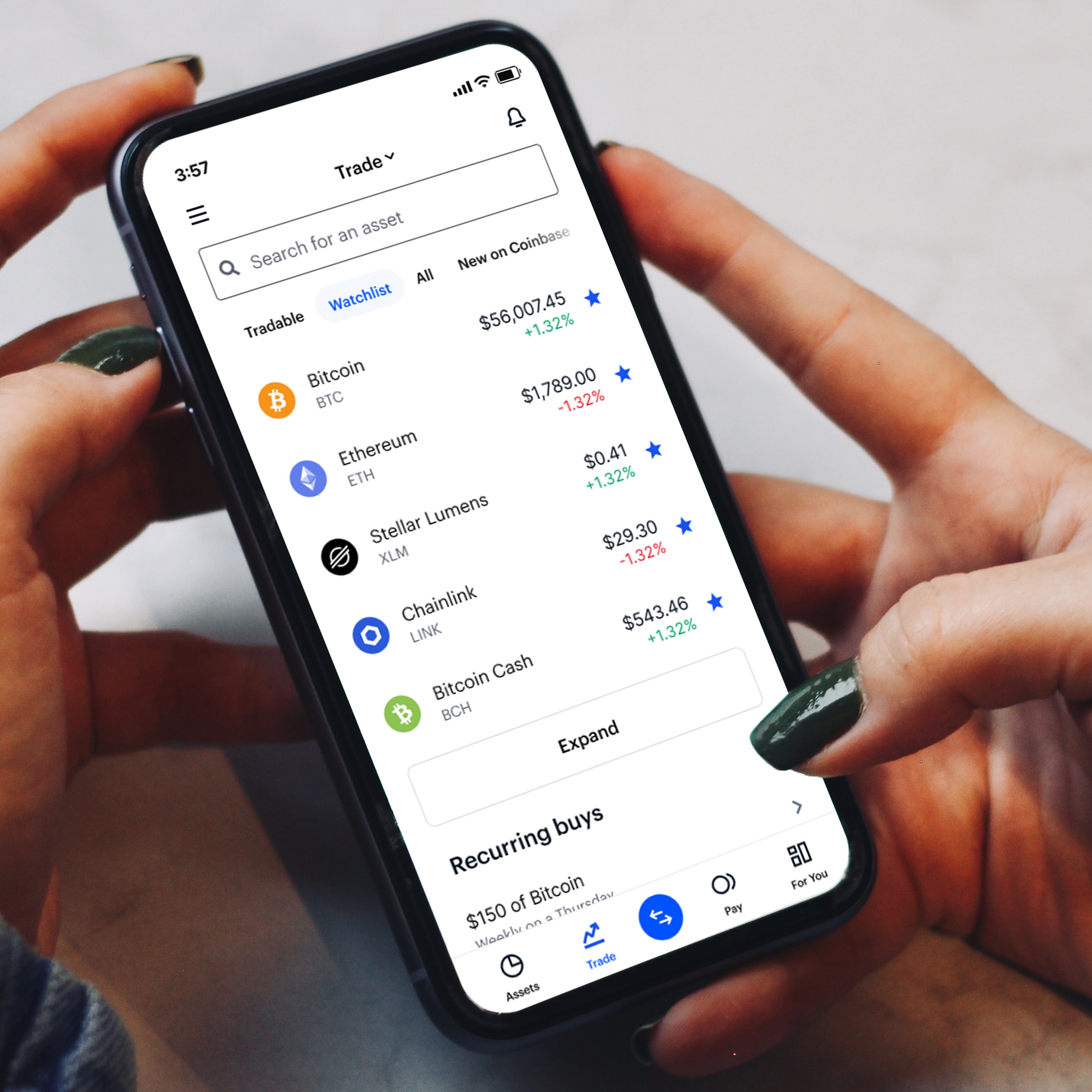
The Evolution of Digital Finance: Understanding the Coinbase Ecosystem
The traditional financial system—composed of banks, clearinghouses, and centralized stock exchanges—has operated on the same basic infrastructure for decades. Coinbase was founded with the radical premise of creating an “open financial system” for the world. To the average user, however, it functions as a sophisticated bridge between the fiat currency in their bank account (USD, EUR, GBP) and the burgeoning world of digital assets.
The Role of a Centralized Exchange in Modern Portfolios
At its core, Coinbase is a centralized exchange (CEX). In the context of personal finance, this means it acts as a trusted intermediary. While the underlying technology of cryptocurrency is decentralized, the process of moving traditional wealth into the digital space often requires a custodian.
For an investor, Coinbase provides the liquidity necessary to enter and exit positions. It aggregates buy and sell orders from millions of users worldwide, ensuring that when you want to convert $1,000 into Bitcoin, there is a counterparty ready to facilitate that trade. This role is vital for price discovery and market stability, making digital assets accessible to those who are not technologically inclined but are financially savvy.
Simplifying Wealth Management for the Everyday Investor
One of the greatest hurdles to digital investing was historically the “complexity gap.” Managing private keys, understanding blockchain addresses, and navigating peer-to-peer transfers were significant deterrents for those focused on wealth preservation.
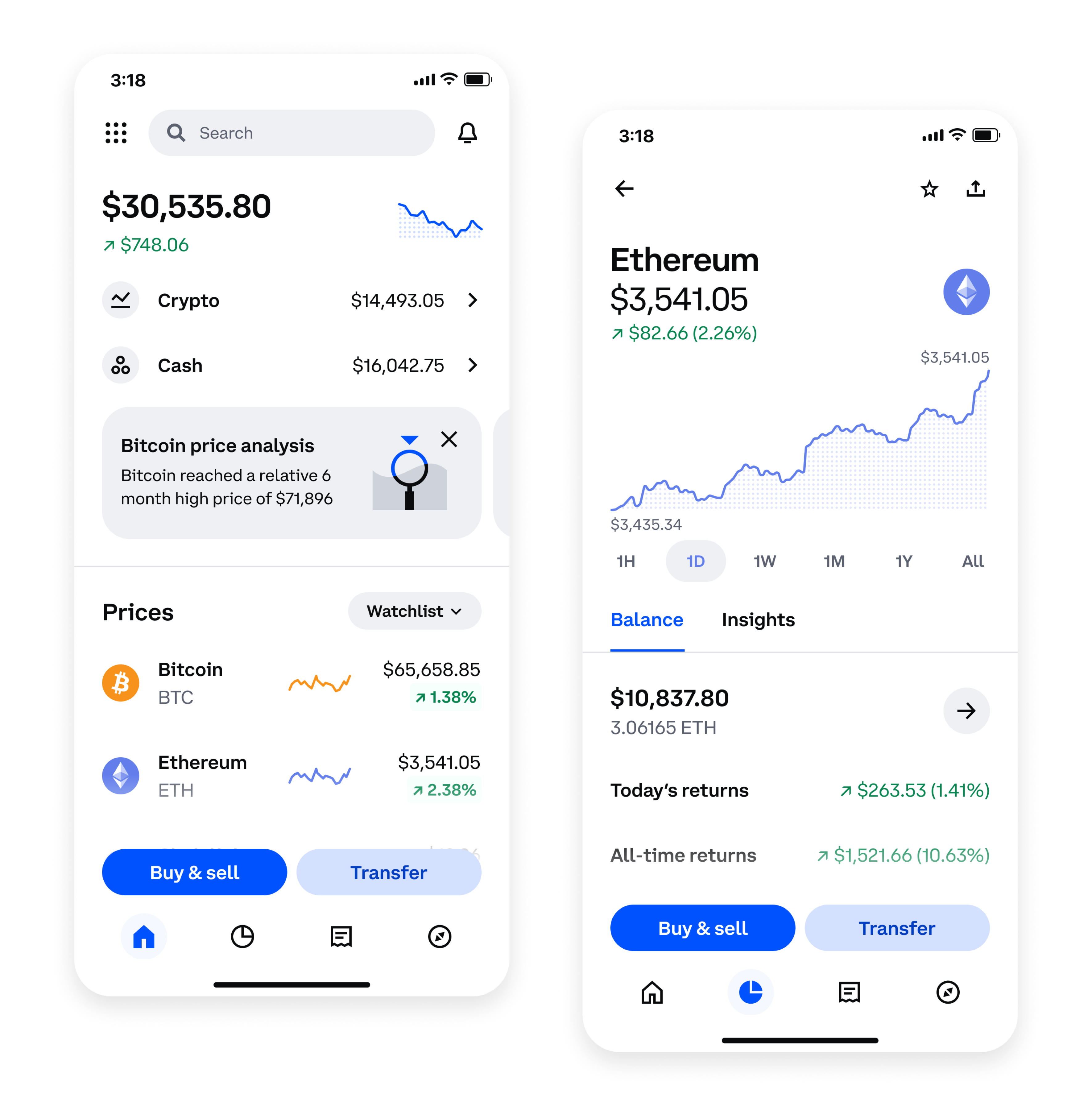
Coinbase solved this by providing a user experience that mirrors traditional banking apps. By offering a clean interface, clear balance sheets, and historical performance tracking, it has integrated digital assets into the broader context of a user’s financial life. It allows an individual to view their crypto holdings with the same clarity they would view a 401(k) or a standard brokerage account, thereby legitimizing the asset class as a viable component of a diversified portfolio.
Core Financial Tools and Services
Coinbase is no longer just a place to “buy and hold.” It has expanded into a full-suite financial services provider, offering tools that cater to everyone from the casual saver to the professional trader. These tools are designed to maximize the utility of one’s capital.
Trading and Portfolio Management
The primary function of Coinbase remains its exchange capability. Users can trade hundreds of different assets, ranging from market leaders like Bitcoin and Ethereum to “stablecoins” like USDC, which are pegged 1:1 to the US dollar.
For the disciplined investor, Coinbase provides advanced charting tools and order types—such as limit orders and stop-losses—through its “Advanced Trade” feature. This allows for precise entry and exit points, a necessity for managing risk in a market known for its fluctuations. From a money management perspective, the ability to pivot between volatile assets and stable cash-equivalents within seconds is a powerful tool for capital preservation.
Staking and Passive Income Opportunities
One of the most compelling aspects of Coinbase for the “Money” niche is the ability to earn yield. Through a process called “staking,” users can earn rewards on certain digital assets simply by holding them on the platform.
In a world where traditional savings accounts often offer interest rates that fail to keep pace with inflation, staking presents an alternative for passive income. Coinbase handles the technical complexities of participating in network validation, taking a small commission and passing the majority of the rewards to the user. This effectively turns a static investment into a dividend-producing asset, shifting the focus from speculative price appreciation to consistent cash flow.
The Coinbase Card: Bridging Digital and Fiat Spending
A common criticism of digital assets is their perceived lack of “real-world” utility. The Coinbase Card addresses this directly. This Visa debit card allows users to spend their crypto balances (or USD/USDC) anywhere Visa is accepted.
From a personal finance standpoint, this provides unparalleled liquidity. An investor can hold their wealth in a digital asset, and at the moment of purchase—whether buying groceries or paying for a flight—the platform handles the conversion to fiat currency. Furthermore, many versions of the card offer “crypto back” rewards, allowing users to accumulate more assets through their everyday spending, effectively turning a liability (spending) into a micro-investment strategy.
Navigating Security and Regulatory Compliance
In the realm of personal finance, the safety of one’s capital is paramount. Coinbase has distinguished itself by positioning itself as the most compliant and regulated entity in the space, which is a critical consideration for any serious investor.
Institutional-Grade Security for Individual Wealth
Coinbase utilizes “cold storage” for the vast majority of its customers’ assets. This means the private keys are kept offline, disconnected from the internet, and thus protected from cyber-attacks. For the individual investor, this provides a level of security that is difficult to achieve on one’s own without significant technical expertise.
Additionally, the platform employs multi-factor authentication (MFA) and biometric security. For those concerned about the “all or nothing” nature of digital asset security, Coinbase offers “Vaults,” which require multiple email approvals and a time-delayed withdrawal process, acting as a digital equivalent to a safe-deposit box.
Understanding Insurance and Asset Protection
A vital part of financial planning is understanding what happens when things go wrong. Coinbase maintains a robust insurance policy to protect its systems against theft or cybersecurity breaches. It is important to note, however, that while cash balances (USD) are held in banks and are eligible for FDIC insurance up to $250,000, the digital assets themselves are not covered by government-backed insurance like SIPC.
Understanding these nuances is essential for a holistic financial strategy. Coinbase’s transparency as a publicly traded company (NASDAQ: COIN) means that its balance sheets are audited and its financial health is a matter of public record, providing a layer of accountability that is often missing in the private sectors of the crypto world.
Integrating Coinbase into Your Long-Term Investment Strategy
To treat Coinbase as a serious financial tool, one must move beyond the “get rich quick” mentality and integrate it into a disciplined investment framework.
Dollar-Cost Averaging with Recurring Buys
Successful investing is often more about time in the market than timing the market. Coinbase facilitates this through “Recurring Buys.” A user can set their account to automatically purchase a fixed dollar amount of an asset—say $50 of Bitcoin—every week or month.
This strategy, known as Dollar-Cost Averaging (DCA), is a cornerstone of prudent money management. It mitigates the risk of a single poorly timed investment and smooths out the volatility over the long term. By automating this process, Coinbase helps users remove emotion from their financial decisions, fostering the discipline required for long-term wealth accumulation.
Tax Reporting and Financial Accountability
For any investor, taxes are an unavoidable reality. One of the most significant advantages of using a platform like Coinbase is its suite of tax-reporting tools. The platform tracks every trade, every reward earned through staking, and every capital gain or loss.
At the end of the fiscal year, Coinbase provides consolidated reports and integrations with popular tax software. In the “Money” niche, this level of organization is invaluable. It ensures that the investor remains compliant with local tax laws, avoiding potential penalties and providing a clear audit trail for their growing net worth.

Conclusion: The Future of Your Wallet
“What is Coinbase?” is a question that can be answered simply: it is a modern financial institution designed for a digital-first world. It has democratized access to a previously exclusive market, provided tools for passive income, and established a secure environment for wealth preservation.
For the individual focused on personal finance and investing, Coinbase serves as a gateway. It is a place where traditional currency is transformed into digital opportunity. Whether used for long-term accumulation, earning yield, or as a liquid spending account, it represents the intersection of technology and capital. As the global economy continues its shift toward digitization, the role of platforms like Coinbase will only become more central to the way we earn, save, and grow our money.
aViewFromTheCave is a participant in the Amazon Services LLC Associates Program, an affiliate advertising program designed to provide a means for sites to earn advertising fees by advertising and linking to Amazon.com. Amazon, the Amazon logo, AmazonSupply, and the AmazonSupply logo are trademarks of Amazon.com, Inc. or its affiliates. As an Amazon Associate we earn affiliate commissions from qualifying purchases.