
In the fast-paced world of technology, the leap from a “great idea” to a functional, scalable product is often a chasm filled with failed startups and abandoned codebases. The bridge across that chasm is background research. In a technical context, background research is the systematic process of gathering, analyzing, and synthesizing existing information to inform the development of software, hardware, or digital ecosystems. It is the “discovery phase” that ensures a development team isn’t reinventing the wheel—or worse, building a wheel that doesn’t fit the vehicle.
Whether you are an engineer exploring a new AI framework, a product manager defining a SaaS roadmap, or a CTO evaluating a shift to a new tech stack, background research provides the empirical evidence required to make high-stakes decisions. It moves the needle from “I think this will work” to “the data suggests this is the optimal path.”
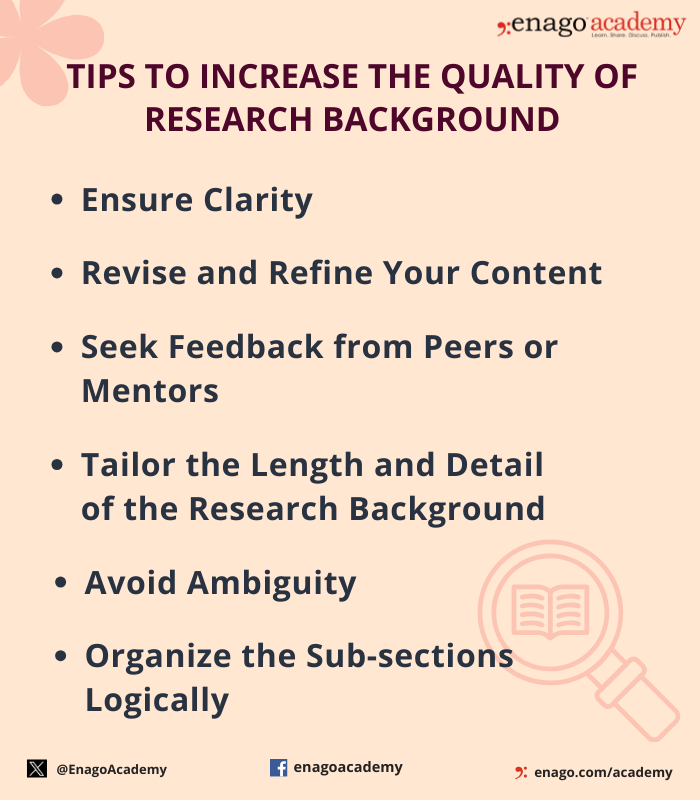
The Role of Background Research in the Product Discovery Phase
In modern tech environments, particularly those following Agile or DevOps methodologies, background research is the cornerstone of the Product Discovery phase. This is where the feasibility of a technical solution is tested against market realities and technical constraints.
Identifying Technical Feasibility and Risk
Before a single line of code is written, background research helps teams understand what is technically possible. This involves investigating existing APIs, hardware limitations, and software dependencies. For instance, if a team intends to build a real-time video processing app, background research would involve analyzing current latency standards, server-side processing capabilities, and the limitations of various codecs. Identifying these “technical blockers” early prevents the “sunk cost fallacy” where teams continue to invest in a project that was doomed by infrastructure limitations from the start.
Analyzing the Competitive Tech Landscape
In the tech sector, competition is often defined by features and performance. Background research involves a deep dive into the “tech stacks” of competitors. What frameworks are they using? How do they handle data encryption? What is their user interface (UI) philosophy? By conducting this research, a company can identify “feature gaps”—areas where competitors are lagging—and capitalize on them. It also helps in benchmarking performance, ensuring that a new tool isn’t just “new,” but objectively better than what is currently available on GitHub or the App Store.
Understanding User Requirements and Mental Models
Tech is only as good as its adoption. Background research includes looking into user behavior patterns and “mental models.” This involves reviewing existing literature on User Experience (UX) design and analyzing feedback from similar digital products. By researching how users interact with current technology, developers can build intuitive interfaces that require less onboarding time. This phase of research translates human needs into technical specifications.
Methodologies and Modern Tools for Tech-Centric Research
The digital age has transformed how background research is conducted. No longer confined to libraries, tech research utilizes a sophisticated suite of AI tools and data analytics platforms to extract insights from massive datasets.
Leveraging AI and Large Language Models (LLMs)
The advent of AI has revolutionized the “literature review” aspect of background research. Tools like Perplexity AI, ChatGPT (with browsing), and specialized academic AI engines allow researchers to synthesize thousands of technical papers, documentation files, and forum discussions (like Stack Overflow) in seconds. These tools can summarize the pros and cons of migrating from a monolithic architecture to microservices, or provide a comparative analysis of Python versus Go for high-concurrency backend tasks.
Big Data and Market Intelligence Platforms
For tech professionals, background research often involves “data scraping” and the use of market intelligence platforms like Sensor Tower, Gartner, or Forrester. These platforms provide empirical data on app downloads, churn rates, and emerging tech trends. Quantitative research—analyzing numbers and trends—complements the qualitative research found in white papers. For a software firm, this might mean researching the adoption rates of cloud-native technologies to decide whether to invest in Kubernetes certification for their staff.
Open Source Intelligence (OSINT)
In the tech world, the open-source community is a goldmine for background research. Platforms like GitHub allow researchers to see how other developers have solved similar problems. By analyzing the “Issues” and “Pull Requests” sections of relevant repositories, a researcher can identify common bugs or limitations in existing software. This “community-driven” research ensures that a development team learns from the collective experience of the global developer community.

Driving Architecture and Infrastructure Decisions
Background research isn’t just about the “what”—it’s about the “how.” The insights gathered during the research phase directly dictate the architectural choices of a project.
Selecting the Optimal Tech Stack
One of the most critical outcomes of background research is the selection of the tech stack (the combination of programming languages, frameworks, and tools used to build an application). A researcher must look at factors such as community support, scalability, and long-term viability. For example, researching the lifecycle of a framework like Vue.js versus React can help a lead developer choose a tool that will remain supported and relevant for the next decade. Choosing a “dying” language based on anecdotal preference rather than background research can lead to a “legacy debt” nightmare.
Security and Compliance Research
In an era of increasing cyber threats and strict data regulations (like GDPR and CCPA), background research into security protocols is mandatory. This involves researching encryption standards, secure authentication methods (like OAuth 2.0 or OpenID Connect), and the compliance requirements of specific regions. Tech companies must research the security vulnerabilities of third-party libraries before integrating them into their codebase. This proactive research is the first line of defense against data breaches.
Scalability and Performance Optimization
Background research helps in predicting how a system will behave under stress. By researching “load balancing” techniques and “horizontal scaling” models used by high-traffic platforms (like Netflix or Amazon), engineers can design systems that grow seamlessly. This includes researching database performance (SQL vs. NoSQL) to determine which can handle the expected data volume and velocity of the new product.
The Impact of Research on Product-Market Fit and ROI
Ultimately, background research is a business strategy disguised as a technical process. It ensures that the resources allocated to a tech project generate a significant Return on Investment (ROI).
Minimizing Development Costs
The most expensive way to find out a feature doesn’t work is to build it. Background research allows for the creation of “Low-Fidelity Prototypes” and “Minimum Viable Products” (MVPs) based on validated data. By identifying what users don’t need or what technology is too expensive to implement, companies can save hundreds of thousands of dollars in wasted development hours. It shifts the development process from “trial and error” to “informed execution.”
Future-Proofing Technical Innovations
Tech moves at a breakneck speed. What is cutting-edge today may be obsolete by the time a product launches. Background research involves “trend forecasting”—looking at the trajectory of emerging technologies like Web3, Quantum Computing, or Edge Computing. By understanding where the industry is heading, tech leaders can build products that are “future-proof,” ensuring they remain compatible with upcoming hardware and software ecosystems.
Enhancing Stakeholder Confidence
Whether you are pitching to a Venture Capitalist (VC) or a corporate board, background research provides the “proof of concept” required to secure funding. A pitch backed by exhaustive background research—showing market demand, technical feasibility, and a clear understanding of the competitive landscape—is far more likely to succeed. It demonstrates professional rigor and a deep understanding of the digital economy.

Conclusion: Research as a Competitive Advantage
In the realm of technology, background research is far from a passive academic exercise. It is an active, strategic necessity. It is the process of de-risking innovation. By meticulously analyzing the technical landscape, leveraging modern AI tools, and prioritizing user-centric data, organizations can ensure that their digital products are built on a foundation of reality rather than assumption.
In an industry where the only constant is change, the ability to conduct thorough, insightful background research is the ultimate competitive advantage. It empowers tech professionals to build smarter, faster, and more secure solutions that not only meet the demands of today but are prepared for the disruptions of tomorrow. Before the first line of code is committed to the repository, background research has already determined the potential for success.
aViewFromTheCave is a participant in the Amazon Services LLC Associates Program, an affiliate advertising program designed to provide a means for sites to earn advertising fees by advertising and linking to Amazon.com. Amazon, the Amazon logo, AmazonSupply, and the AmazonSupply logo are trademarks of Amazon.com, Inc. or its affiliates. As an Amazon Associate we earn affiliate commissions from qualifying purchases.