
In the annals of global recognition, few names carry as much “brand equity”—albeit of a deeply controversial nature—as that of Pablo Escobar. At the height of his power in the late 1980s, the Escobar name was synonymous with an empire that controlled 80% of the world’s cocaine market. However, following his death in 1993, the “Escobar” brand transitioned from a symbol of unprecedented narco-wealth to a toxic liability. The story of what happened to his family—his wife Maria Victoria Henao, his son Juan Pablo, and his daughter Manuela—is not just a tale of survival, but a fascinating case study in brand deconstruction, identity pivot, and the ethics of legacy management.
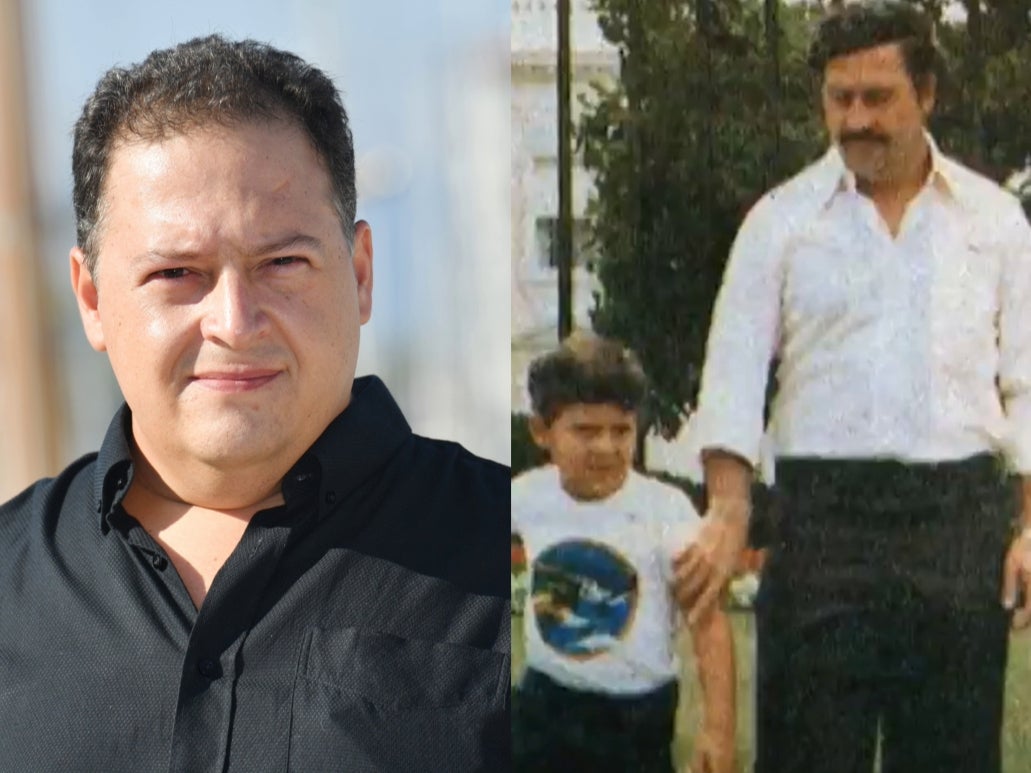
To understand what happened to the Escobar family is to analyze how individuals navigate the total collapse of a personal brand and the grueling process of building a new identity from the ashes of infamy.
From Infamy to Anonymity: The Initial Brand Deconstruction
When the Medellín Cartel collapsed, the Escobar family faced a crisis that no corporate PR firm could solve. They were the faces of a “brand” that was wanted by the Colombian government, the rival Cali Cartel, and international authorities. For the family, the first step in their survival strategy was not a pivot, but a total brand erasure.
Shedding the Escobar Name
In 1994, after being denied asylum by multiple countries, the family settled in Buenos Aires, Argentina. The most critical move in their “rebranding” was the legal change of their identities. Maria Victoria Henao became María Isabel Santos Caballero; Juan Pablo became Sebastián Marroquín; and Manuela became Juana Manuela Marroquín Santos.
This was a literal de-branding. By discarding the Escobar surname, the family sought to decouple their personal futures from the “Narco-Kingpin” associations. In the world of brand strategy, this is known as “identity distancing.” They understood that as long as the Escobar name was attached to them, they could never enter a legitimate market or lead a normal life. For over a decade, they lived as middle-class expats, successfully maintaining a “ghost brand” status.
The Legal and Social Pressure of a Toxic Identity
Even with new names, the family discovered that a brand as powerful as Escobar’s is difficult to bury. In 1999, their true identities were discovered by the Argentine authorities, leading to a temporary arrest of Maria and Sebastián on charges of money laundering. Although they were eventually cleared, the incident highlighted a core branding lesson: a legacy brand, especially one rooted in notoriety, possesses a long tail. The “Escobar” association acted as a permanent stain on their professional reputation, making it nearly impossible for them to engage in traditional business without scrutiny.
Sebastián Marroquín and the Art of Ethical Rebranding
As the 21st century progressed, the strategy shifted. Juan Pablo Escobar, now established as Sebastián Marroquín, realized that total anonymity was no longer sustainable in a digital, hyper-connected world. He chose to step back into the public eye, but with a radically different brand positioning: the “Messenger of Peace.”
Architecting a New Narrative
Marroquín’s rebranding is one of the most sophisticated examples of personal brand pivoting in modern history. Rather than defending his father’s actions or capitalizing on the “glamour” of the cartel lifestyle, he chose a path of radical accountability. In his 2009 documentary, Sins of My Father, he met with the children of his father’s most prominent victims.
From a brand strategy perspective, Marroquín moved from being a “beneficiary of crime” to a “voice of reconciliation.” By publicly apologizing and denouncing the violence of the Medellín Cartel, he effectively “reclaimed” his narrative. He transformed his association with Pablo Escobar from a passive liability into an active platform for anti-drug advocacy and non-violence education.
Using Media as a Tool for Redemption
Marroquín’s brand reached a global audience through his best-selling books, such as Pablo Escobar: My Father. Unlike the sensationalized versions of Escobar’s life seen in popular media, Marroquín’s brand is built on “authentic disillusionment.” He provides a counter-narrative to the “Narco-chic” aesthetic, focusing on the loneliness, fear, and ultimate loss inherent in his father’s business model. By positioning himself as a truth-teller, he has built a professional career as an architect and an author, proving that even the most damaged personal brands can be rehabilitated through transparency and a shift in core values.
The Commercialization of the Narco-Aesthetic
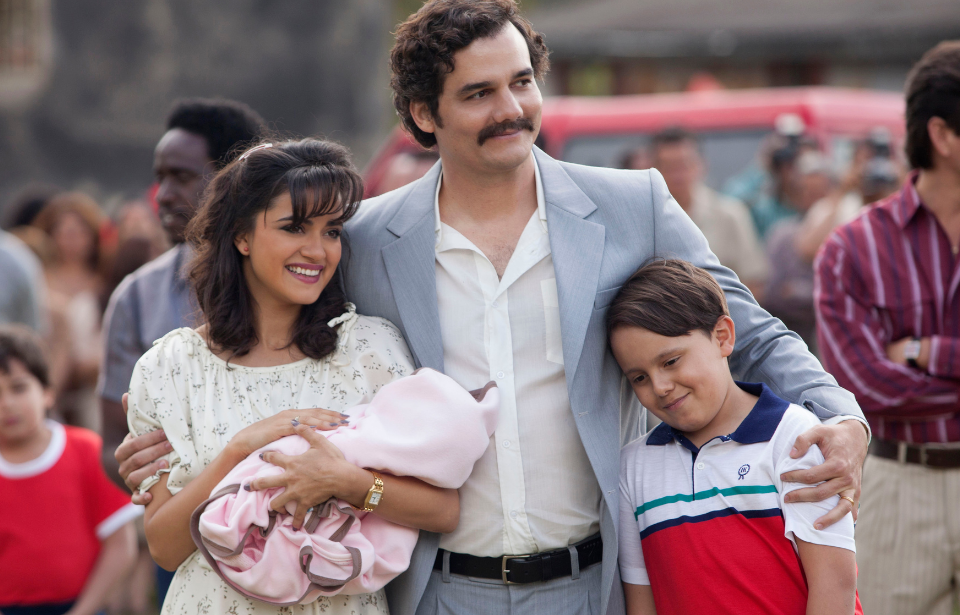
While the family sought to distance themselves from the violence, they also had to navigate the global “commercialization” of the Escobar name. With the rise of shows like Netflix’s Narcos, the Escobar brand became a pop-culture phenomenon. This created a unique tension: how does a family manage a brand they didn’t ask for, which is being sold by third parties for profit?
“Escobar Henao” – Clothing and Ethical Statements
In 2012, Sebastián Marroquín launched a clothing line called “Escobar Henao.” This move was met with significant controversy. Was he finally cashing in on his father’s name?
The brand strategy behind the clothing line was nuanced. The shirts featured images of his father’s ID cards and documents but were emblazoned with provocative, peace-oriented questions like, “What are you doing with your future?” and “What is your plan?” Marroquín argued that the brand was intended to provoke thought and steer youth away from crime. However, the market’s reaction showed the difficulty of “ethical irony” in branding. Many saw it as a violation of the victims’ memories. The clothing line serves as a cautionary tale in brand strategy: some symbols are so heavily weighted with negative meaning that they cannot be effectively used as “edgy” marketing tools without alienating the core audience.
Navigating the Ethical Boundaries of a Blood-Stained Brand
The family has frequently clashed with entertainment giants over the “Escobar” trademark. Roberto Escobar (Pablo’s brother, who is not part of the immediate family unit mentioned above) has been more aggressive in attempting to monetize the name through “Escobar Inc.,” even attempting to sue Netflix and launch “Escobar-branded” tech gadgets.
In contrast, the immediate family—Maria and Sebastián—have largely avoided pure-profit exploitation. Their brand management has been more focused on “narrative correction.” They have criticized Narcos for glorifying the lifestyle, arguing that the show’s brand is harmful to the youth of Colombia. This creates a fascinating brand war: the “Hollywood Escobar” vs. the “Family Escobar.” The former sells adrenaline and power; the latter sells regret and reality.
Lessons in Crisis Management and Brand Pivot
The trajectory of the Escobar family offers profound insights for modern brand managers, publicists, and individuals facing reputation crises. Their journey from the world’s most notorious family to a group of private citizens and peace advocates demonstrates the mechanics of identity survival.
Decoupling the Individual from the Icon
The most successful aspect of the family’s journey has been the successful decoupling of their individual lives from the “Pablo Escobar” icon. Maria Victoria Henao, in her memoir Mrs. Escobar: My Life with Pablo, rebranded herself as a survivor of a patriarchal and violent system rather than a co-conspirator. This “victim-survivor” brand pivot allowed her to find a degree of public empathy.
For any brand facing a crisis, the lesson is clear: you must find a way to separate the current entity from the past transgression. This requires a clear break in messaging and a consistent, multi-year commitment to a new set of values.
Long-term Sustainability of a Reclaimed Heritage
Today, what happened to the Escobar family is a story of quiet resilience. Manuela Escobar has remained the most consistent in her “total anonymity” brand strategy, choosing to stay entirely out of the public eye to protect her mental health and privacy. This, too, is a strategic choice—the brand of “silence.”
Sebastián Marroquín, meanwhile, continues to manage his brand as a global speaker. He has turned a name that was once a “death sentence” into a “teaching moment.” The sustainability of his brand relies on his refusal to glorify the past. He understands that his value to the market is not his connection to the money, but his perspective on the cost of that money.

Conclusion: The Evolution of the Escobar Identity
The evolution of the Escobar family brand from 1993 to the present day is a remarkable study in the power of identity. They began with a brand that was synonymous with terror and ended with a fragmented but resilient legacy.
Through the lens of brand strategy, we see three distinct approaches:
- The Erasure (Manuela): Total removal from the public marketplace.
- The Pivot (Sebastián): Reclaiming a toxic narrative and turning it into an educational tool.
- The Memoir (Maria): Humanizing a controversial figure to find a niche of empathy.
Ultimately, the story of what happened to the Escobar family proves that while you cannot choose the brand you are born into, you can—through deliberate strategy, ethical positioning, and radical transparency—choose the brand you leave behind. The Escobar name will forever be a part of history, but the family has managed to ensure that the “Escobar” brand is no longer the only thing that defines them.
aViewFromTheCave is a participant in the Amazon Services LLC Associates Program, an affiliate advertising program designed to provide a means for sites to earn advertising fees by advertising and linking to Amazon.com. Amazon, the Amazon logo, AmazonSupply, and the AmazonSupply logo are trademarks of Amazon.com, Inc. or its affiliates. As an Amazon Associate we earn affiliate commissions from qualifying purchases.