
In the hyper-competitive landscape of global sports, a professional football club is far more than a group of athletes competing on a pitch. It is a corporate entity, a cultural symbol, and, most importantly, a global brand. When asking “What is AS Roma?”, the answer from a marketing and brand strategy perspective reveals a fascinating case study of how a historic institution can navigate the transition from a local heritage club to a modern, international lifestyle brand.
Associazione Sportiva Roma (AS Roma) represents one of the most potent intersections of sports and place-based branding in the world. Based in the heart of Italy’s capital, the club leverages the prestige of the “Rome” name to build a unique market position. For brand strategists and corporate identity experts, AS Roma provides a masterclass in how to manage a legacy brand, execute digital transformation, and capitalize on star-driven marketing.

The Core Pillars of the AS Roma Brand Identity
Every successful brand is built on a foundation of clear, recognizable symbols and a core narrative. AS Roma’s brand identity is intrinsically linked to the history of the city of Rome itself, providing a level of “borrowed equity” that few other sports brands can claim.
The Symbolic Power of the Giallorossi
The club’s primary visual identity is defined by its colors: “Giallorosso” (yellow and red). Specifically, the brand utilizes the imperial colors of Rome—golden yellow and Pompeian red. In branding terms, this color palette serves as a direct psychological link to the Roman Empire, evoking feelings of power, history, and eternal prestige. By anchoring its identity in the city’s civic colors, the AS Roma brand positions itself as the “People’s Club” of the capital, a stark contrast to competitors who may lack such a visceral geographic connection.
The Lupetto: A Masterclass in Logo Evolution
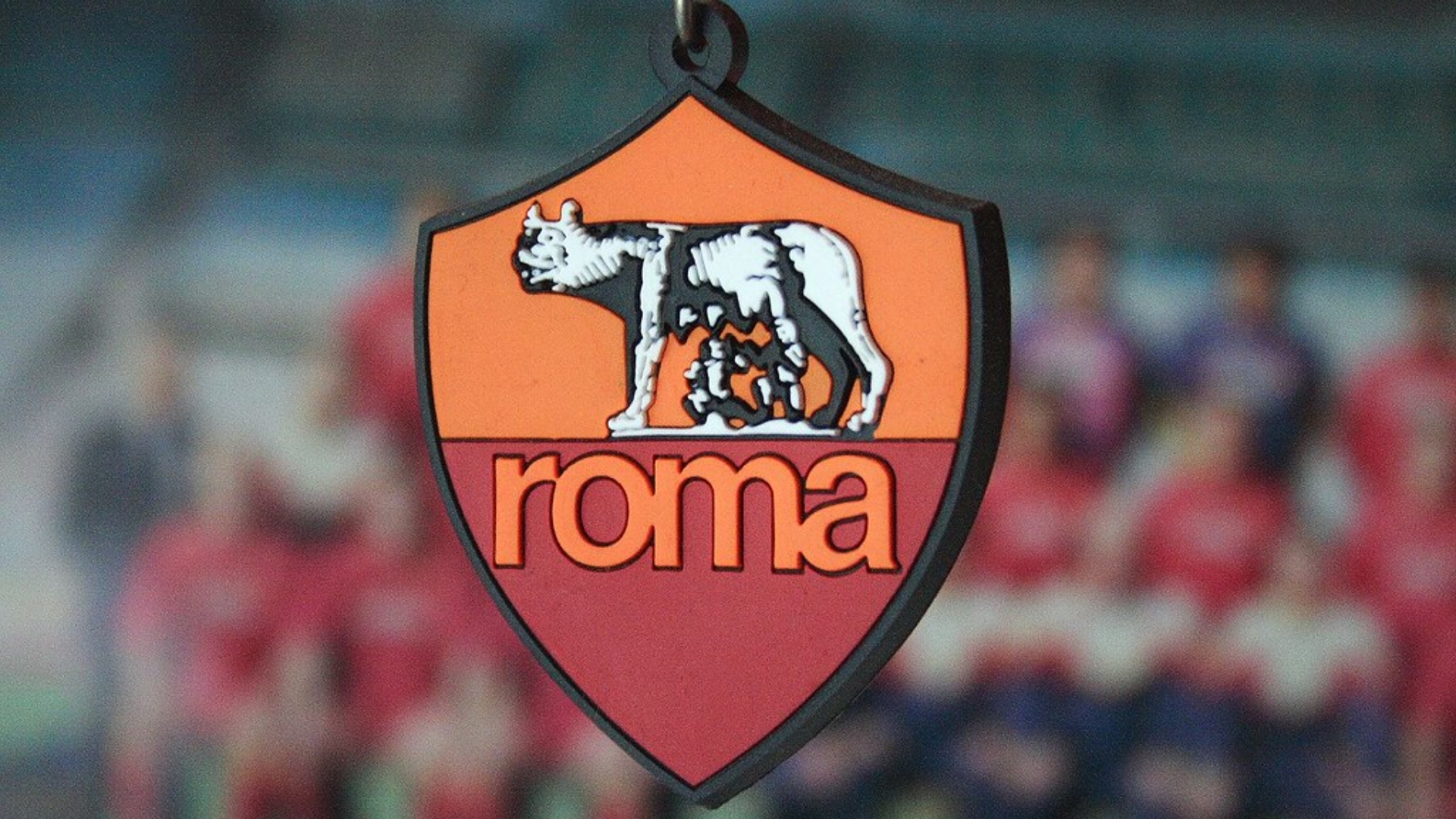
The evolution of AS Roma’s crest is a significant chapter in its brand history. The traditional crest features the Capitoline Wolf nursing Romulus and Remus, a direct reference to the founding myth of Rome. However, in the late 1970s, the club introduced the “Lupetto” (the little wolf), designed by Piero Gratton. This minimalist, stylized wolf head became an icon of modernist sports branding.
In recent years, the club has strategically rotated between the traditional crest for corporate formality and the Lupetto for lifestyle apparel and retro-merchandising. This dual-logo strategy allows the brand to appeal to two distinct demographics: the traditionalist “Ultra” fan and the modern, fashion-conscious consumer.
Strategic Global Expansion and Market Positioning
Under various ownership groups, most notably the transition from James Pallotta to the Friedkin Group, AS Roma has shifted its focus from a purely Italian audience to a global marketplace. This shift represents a transition from a “local sports team” to a “global entertainment product.”
Transitioning from a Local Club to a Global Lifestyle Brand
The modern AS Roma brand strategy focuses on “Sportainment.” By collaborating with fashion brands (such as Fendi) and lifestyle influencers, the club has moved beyond the back pages of sports newspapers and into the realms of high fashion and luxury. This is a deliberate effort to diversify revenue streams. By positioning AS Roma as a “cool” Italian brand rather than just a football team, the organization can sell merchandise to consumers in Tokyo, New York, or Shanghai who may not even watch Serie A, but who identify with the aesthetic and the Roman lifestyle.
Leveraging the “Rome” Association
In marketing, location is often a key differentiator. AS Roma holds the naming rights to one of the most famous cities on Earth. The brand strategy has increasingly integrated the city’s landmarks—the Colosseum, the Pantheon, and the Trevi Fountain—into its visual storytelling. This “Brand Rome” synergy is a powerful tool for attracting international sponsors. For a global corporation, partnering with AS Roma isn’t just a sports sponsorship; it is an entry point into the romanticized, high-culture imagery of Italy’s capital.

Fan Engagement and Digital Brand Strategy
While many clubs struggled to adapt to the digital age, AS Roma became a pioneer in digital marketing and social media innovation. The club’s digital department reinvented the “tone of voice” for sports brands, moving away from corporate stiffness toward a more human, witty, and engaging persona.
Social Media Innovation and Tone of Voice
AS Roma’s English-language Twitter (now X) account famously broke the mold of professional sports communication. By using humor, memes, and self-deprecating irony, the brand managed to build a massive global following of “neutral” fans. This was a calculated brand play: if you cannot compete with the massive financial outlays of clubs like Manchester City or Real Madrid, you compete on “Brand Affinity.” By being the most likable and creative brand in the digital space, AS Roma increased its “Share of Heart,” which eventually translates into digital revenue and sponsorship attractiveness.
Community as Brand Equity
A brand is only as strong as its community. AS Roma has invested heavily in CSR (Corporate Social Responsibility) through its “Roma Cares” foundation. From a brand perspective, these initiatives—such as campaigns to find missing children through transfer announcement videos—build profound brand equity. It transforms the club from a commercial entity into a socially conscious actor. This ethical positioning is increasingly important to Gen Z and Millennial consumers, who prefer to align themselves with brands that demonstrate social value.
The Influence of Star Power on Brand Value
In the world of sports branding, individuals often act as brand accelerators. AS Roma has masterfully used “Talent Branding” to elevate its own corporate status.
Francesco Totti: The Eternal Brand Ambassador
No discussion of the AS Roma brand is complete without Francesco Totti. For over two decades, Totti was the human embodiment of the AS Roma brand. In marketing terms, he was the “Hero Archetype.” His loyalty—turning down lucrative offers from bigger clubs—reinforced the brand values of loyalty, passion, and Roman identity. Even in retirement, Totti’s association with the club provides a “halo effect,” maintaining the brand’s prestige and authenticity.
The “Mourinho Effect” on Corporate Identity
The appointment of Jose Mourinho as manager in 2021 was a significant brand move. Beyond his tactical abilities, Mourinho is a global “super-brand” himself. His arrival instantly increased AS Roma’s media valuation, attracted higher-tier sponsors, and sold out the Stadio Olimpico for dozens of consecutive matches. This highlights a key strategy in the club’s modern era: using high-profile “anchor personalities” to boost brand visibility and perceived market value.
Future Outlook: Building a Sustainable Brand Legacy
As AS Roma looks toward the future, the focus is on consolidating its brand gains into long-term financial stability and infrastructure.
Commercial Infrastructure and Revenue Streams
A critical component of the club’s future brand strategy is the development of a new stadium. Currently, the club shares the Stadio Olimpico with its rivals, Lazio. Owning a stadium is a transformative step for a brand; it allows for the creation of a “Brand Home”—a 365-day-a-year destination that includes museums, flagship stores, and hospitality suites. This control over the “physical brand experience” is essential for maximizing Matchday revenue and deepening fan loyalty.
The Vision for the Future
The goal for AS Roma is to reach the upper echelon of the “Football Money League.” To do this, the brand must continue to balance its dual identity: remaining the authentic, gritty heart of the city of Rome while presenting a polished, luxury-aligned image to the global market.
In conclusion, “What is AS Roma?” is a question with a multi-layered answer. It is a historic sporting institution, yes. But more importantly, in the modern economy, it is a sophisticated brand that utilizes heritage, digital innovation, and the incomparable allure of the Eternal City to carve out a unique space in the global marketplace. By successfully navigating the tension between tradition and modernization, AS Roma remains a premier example of how a legacy brand can reinvent itself for the 21st century without losing its soul.
aViewFromTheCave is a participant in the Amazon Services LLC Associates Program, an affiliate advertising program designed to provide a means for sites to earn advertising fees by advertising and linking to Amazon.com. Amazon, the Amazon logo, AmazonSupply, and the AmazonSupply logo are trademarks of Amazon.com, Inc. or its affiliates. As an Amazon Associate we earn affiliate commissions from qualifying purchases.