
In the landscape of personal finance, car insurance often represents one of the most significant recurring expenses for the average household. While legally mandated in almost every jurisdiction, the cost of coverage varies wildly from one provider to another. Finding the “most affordable” car insurance is rarely a matter of identifying a single company that offers the lowest rates to everyone; rather, it is about understanding how financial risk is assessed and leveraging specific strategies to align your profile with the lowest possible premiums.
This guide explores the mechanics of insurance pricing from a financial perspective, identifying the providers that consistently lead the market in affordability and outlining actionable steps to reduce your annual spend without compromising your financial security.
1. Decoding the Variables: How Financial Risk Dictates Your Premium
To understand affordability, one must first understand how insurance companies function as financial institutions. At their core, insurers are risk managers. They use actuarial science to predict the likelihood of a claim. The “cheapest” insurance is typically offered to the individuals who present the lowest mathematical risk.
The Role of Credit-Based Insurance Scores
In many regions, your credit history is one of the most influential factors in determining your premium. Actuarial data suggests a strong correlation between financial responsibility and driving habits. Drivers with high credit scores are statistically less likely to file claims, leading insurers to offer them significantly lower rates. From a personal finance standpoint, improving your credit score is often the most effective long-term strategy for securing affordable insurance.
Demographic Benchmarking
Age, marital status, and gender are standard metrics used to calculate risk. Statistically, young drivers (under 25) and senior drivers (over 75) face higher premiums due to the perceived risk of accidents. Conversely, married couples often see a “marriage discount,” as data indicates they are more risk-averse than single individuals. Understanding these benchmarks allows you to anticipate life stages where your premiums may naturally fluctuate.
Vehicle Selection and Replacement Value
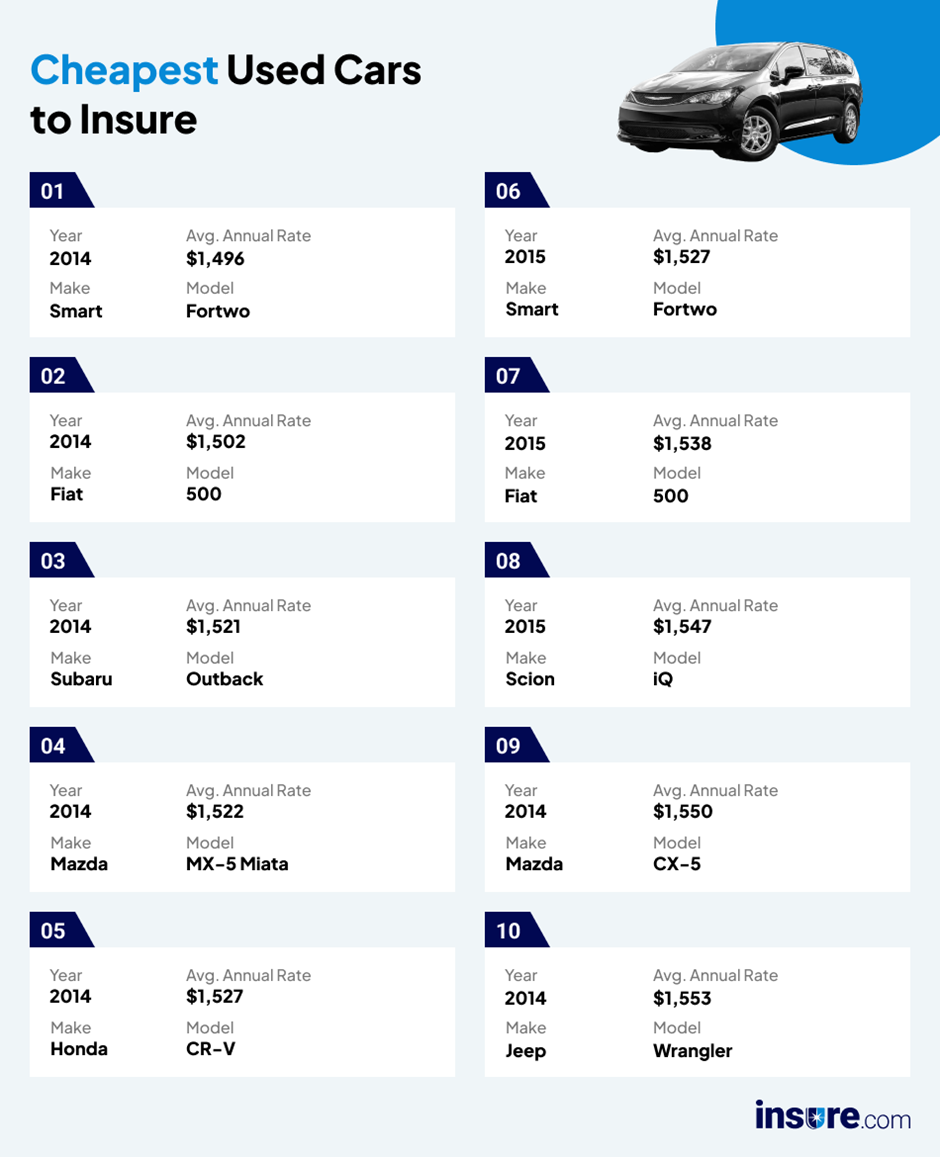
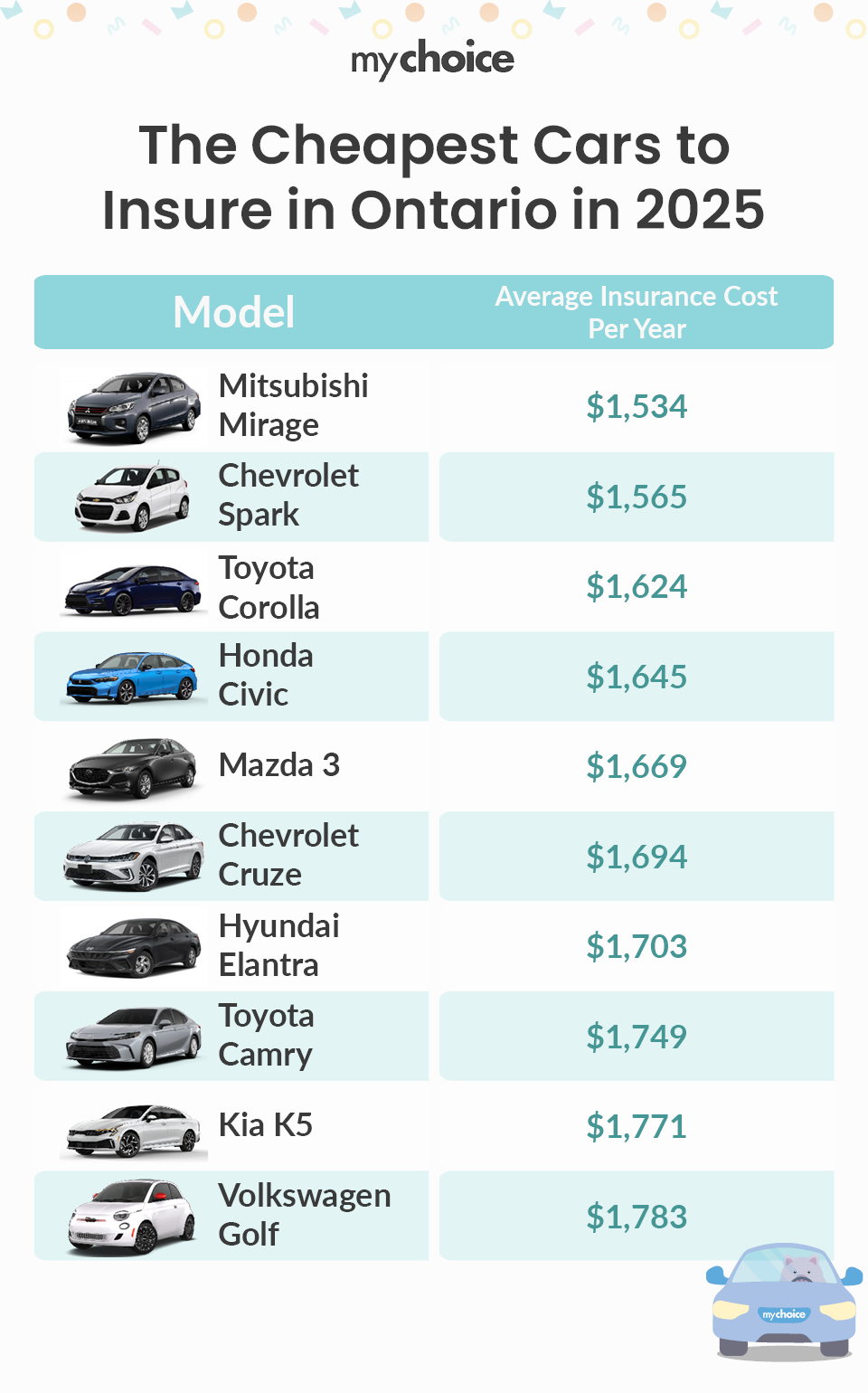
The car you choose to drive has a direct impact on your insurance “wallet share.” A vehicle with high safety ratings, low theft rates, and affordable repair costs will always be cheaper to insure than a luxury sports car or a high-end electric vehicle with specialized parts. Before making a vehicle purchase, it is prudent to run insurance quotes to ensure the “total cost of ownership” fits within your budget.
2. Market Leaders: Identifying the Most Affordable Providers
While rates are individualized, certain companies consistently rank as the most affordable options in the national and regional markets. Identifying these players is the first step in a successful comparison-shopping strategy.
National Value Leaders: GEICO and State Farm
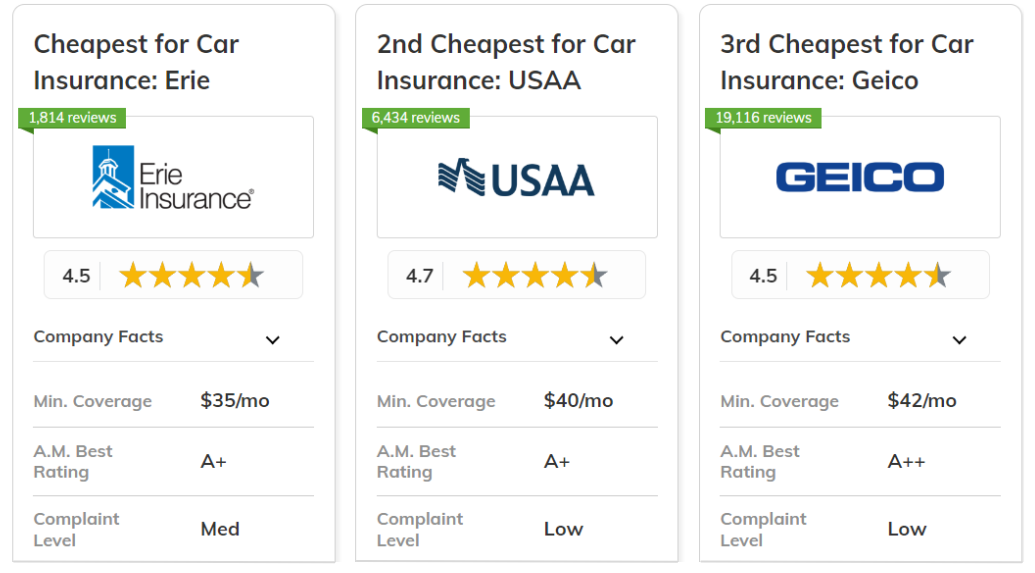
GEICO has built its brand on the premise of affordability, often leading the market for drivers with clean records and good credit. Their lean operating model allows them to pass savings to the consumer. State Farm, as a mutual company, often provides competitive rates through its extensive network of local agents, particularly for families looking to bundle multiple types of insurance.
The Military Advantage: USAA
For those who qualify—active military members, veterans, and their families—USAA is consistently the most affordable provider in the United States. Beyond low premiums, USAA offers a level of customer service and financial stability that is rarely matched by standard commercial carriers. If you have a military connection, this should be your first stop for a quote.
Specialized Regional Carriers
Often, the most affordable insurance is found through smaller, regional companies like Erie Insurance or Auto-Owners Insurance. These companies focus on specific geographic areas and may have a more nuanced understanding of local risk than national giants. Because they spend less on national advertising, their overhead is lower, which can result in lower premiums for the policyholder.
3. Strategic Ways to Reduce Your Monthly Outlay
Achieving affordability is not a passive endeavor. There are several financial maneuvers you can employ to force your premiums down, regardless of which carrier you choose.
Leveraging Multi-Policy and Multi-Vehicle Discounts
“Bundling” remains one of the most effective financial tools in the insurance industry. By placing your homeowners or renters insurance with the same company that insures your vehicle, you can often save between 5% and 25% across all policies. Furthermore, insuring multiple vehicles under one household policy creates an economy of scale that reduces the per-vehicle cost.
Telematics and Usage-Based Insurance (UBI)
The rise of “Pay-How-You-Drive” (PHYD) programs has revolutionized insurance affordability. By allowing an insurer to monitor your driving habits via a mobile app or a device installed in your car, you can receive discounts based on actual performance rather than demographic averages. For low-mileage drivers or those who practice safe habits like gentle braking and avoiding late-night driving, telematics can result in savings of up to 40%.
The Financial Impact of Increasing Your Deductible
One of the fastest ways to lower your premium is to increase your deductible—the amount you pay out of pocket before insurance kicks in. From a wealth-management perspective, if you have an adequate emergency fund, moving from a $500 deductible to a $1,000 or $2,000 deductible can significantly reduce your monthly expense. You are essentially “self-insuring” the smaller risks in exchange for a lower fixed cost.
4. Navigating Coverage Options for Optimal Value
Affordability is not just about the lowest price; it is about the best value. Buying a policy that is cheap but leaves you financially vulnerable in a lawsuit is a poor financial decision.
Liability-Only vs. Full Coverage
If you drive an older vehicle with a low resale value, “full coverage” (which includes collision and comprehensive) may not be financially viable. If the annual cost of the coverage exceeds 10% of the car’s total value, it is often more logical to switch to liability-only and save the difference in a dedicated vehicle replacement fund.
Uninsured and Underinsured Motorist Protection
While it may seem counterintuitive to add coverage to save money, Uninsured Motorist (UM) protection is a vital financial safeguard. In many areas, a significant percentage of drivers carry no insurance. If such a driver hits you, the cost of medical bills and repairs could be catastrophic. Affordable insurance means protecting your net worth from external risks that you cannot control.
Personal Injury Protection (PIP) and Medical Payments
Depending on your health insurance quality, you may be able to adjust your PIP or Medical Payments coverage. If you have a robust health insurance plan with low deductibles, carrying the state-mandated minimum for medical coverage on your auto policy can trim your premium without leaving you exposed.
5. The Financial Roadmap to Long-Term Savings
Maintaining affordable car insurance is an ongoing process of optimization. As your financial situation and life circumstances change, so too should your approach to insurance.
Annual Comparison Shopping
The insurance market is dynamic. Companies change their “rating tiers” frequently, meaning a company that was the most expensive for you last year might be the most affordable this year. A best practice in personal finance is to shop your policy at least once every twelve months or after major life events such as moving, getting married, or buying a home.
The Cost of a Clean Record
From a financial standpoint, a single speeding ticket or at-fault accident can increase your premiums by 20% to 50% for three to five years. Defensive driving courses are not just for safety; many insurers offer a 5% to 10% discount for completing an accredited course. This is a high-return investment for a few hours of your time.
Improving Your Financial Profile for Better Rates
Ultimately, the most affordable car insurance is reserved for those who manage their finances well. By paying down debt, ensuring on-time payments, and maintaining a high credit score, you signal to insurers that you are a low-risk client. In the world of money, your reputation for reliability is your greatest asset in lowering costs.
In conclusion, identifying the most affordable car insurance requires a dual approach: selecting the right provider and optimizing your individual profile. By treating insurance as a strategic component of your personal financial plan—rather than a static bill—you can significantly reduce your expenditures while maintaining the protection necessary to secure your financial future. Whether through telematics, deductible adjustments, or disciplined credit management, the path to affordability is paved with informed financial decisions.
aViewFromTheCave is a participant in the Amazon Services LLC Associates Program, an affiliate advertising program designed to provide a means for sites to earn advertising fees by advertising and linking to Amazon.com. Amazon, the Amazon logo, AmazonSupply, and the AmazonSupply logo are trademarks of Amazon.com, Inc. or its affiliates. As an Amazon Associate we earn affiliate commissions from qualifying purchases.