
The world of insurance can often feel complex, with its own set of acronyms and specialized roles. For many consumers and even some business owners, terms like “MGA” might sound like jargon. However, understanding what an Insurance Managing General Agent (MGA) is can illuminate a crucial part of how insurance products reach the market and how specialized risks are managed. This article will delve into the function of MGAs, exploring their role within the insurance ecosystem, their significance in leveraging technology and branding, and their impact on the financial landscape of both insurers and policyholders.
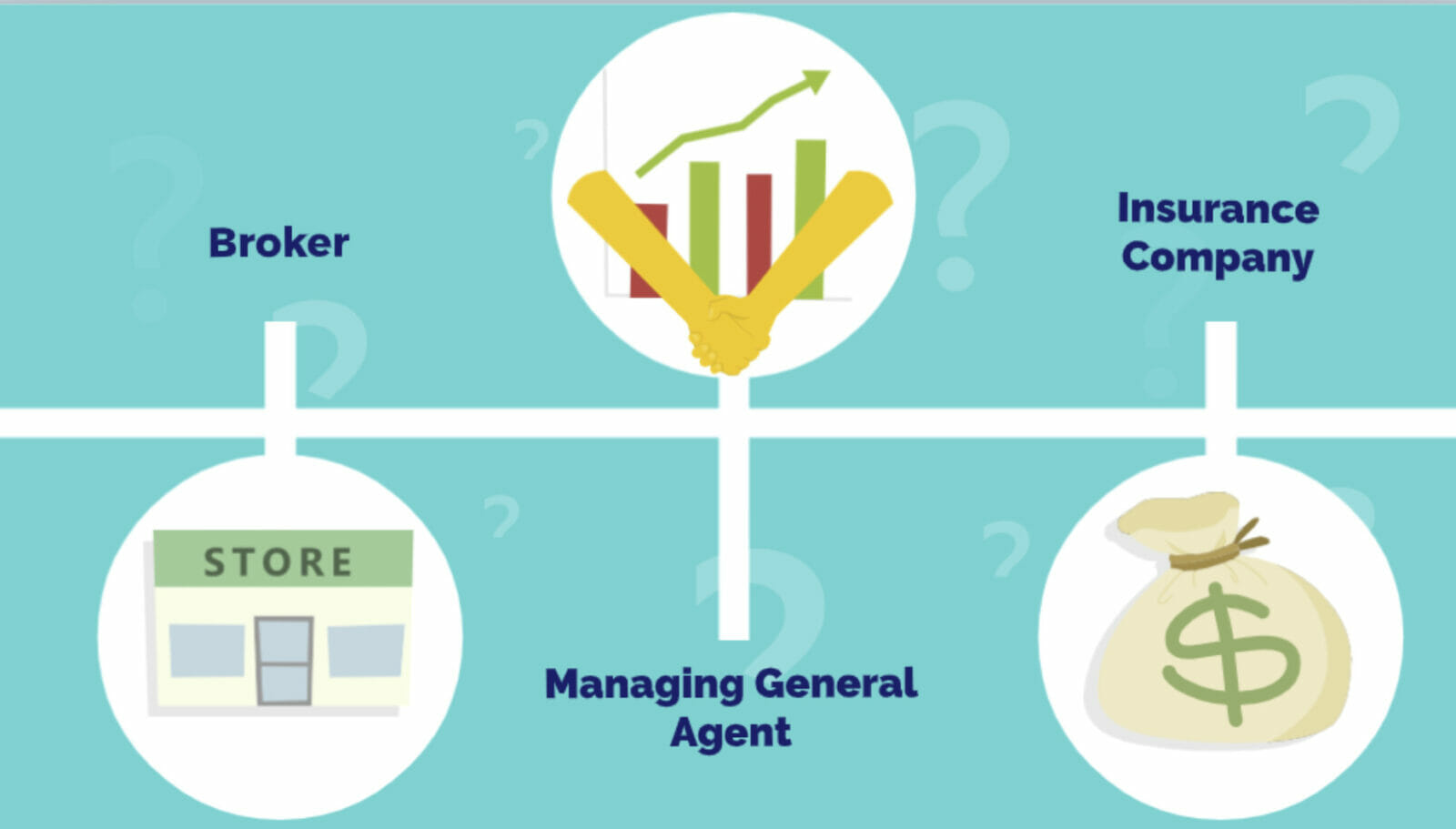
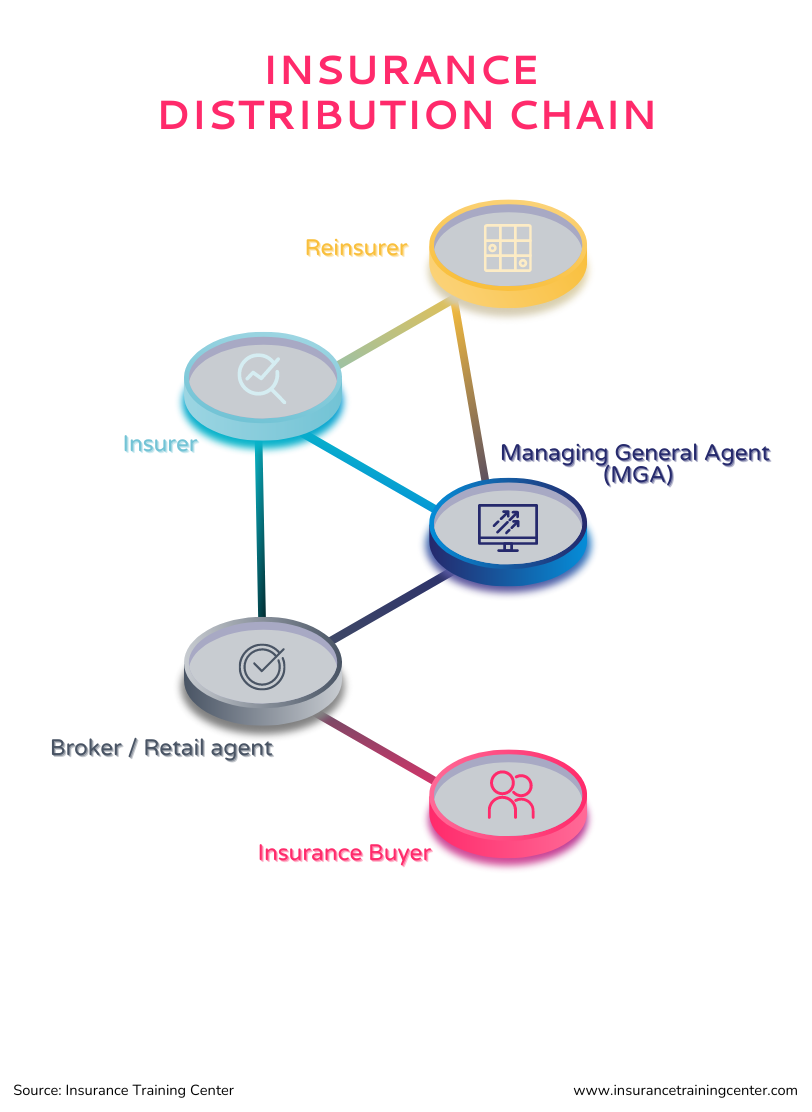
The core concept of an MGA revolves around their unique position as an intermediary. Unlike a traditional insurance agent who primarily focuses on selling policies directly to clients, an MGA acts as an independent entity that possesses significant underwriting authority granted by an insurance carrier. This authority allows them to operate much like a miniature insurance company, but without directly holding the capital or assuming the full financial risk of policy underwriting. They essentially manage a specific book of business or a particular line of insurance on behalf of one or more insurance carriers.
The MGA’s Role: Bridging the Gap Between Carriers and Underwriting Expertise
To truly grasp what an insurance MGA is, it’s essential to understand the structure of the insurance industry. At its foundation are the insurance carriers, the companies that underwrite policies and hold the financial reserves to pay claims. However, these carriers often don’t have the capacity or the specialized expertise to handle every single type of risk or to operate efficiently in every niche market. This is where MGAs step in.
Underwriting Authority: The Core of the MGA Function
The defining characteristic of an MGA is its delegated underwriting authority. This means that, within pre-defined parameters set by the carrier, the MGA can assess risks, determine policy terms, set premiums, and bind coverage. This delegation is not a mere administrative task; it signifies a deep level of trust and competence bestowed upon the MGA by the carrier. The MGA is expected to possess specialized knowledge in the specific lines of business they handle, whether it’s commercial property, professional liability, specialty healthcare, or unique personal lines.
This underwriting authority allows MGAs to be agile and responsive. They can often develop and launch new insurance products or tailor existing ones to meet the specific needs of underserved markets or emerging risks more quickly than a large carrier might be able to. This speed and specialization are critical in dynamic industries where risks are constantly evolving.
Beyond Sales: The Multifaceted Responsibilities of an MGA
While MGAs have the authority to underwrite, their responsibilities extend far beyond just approving or denying applications. They are typically involved in a comprehensive range of activities that mirror those of an insurer:
- Product Development and Customization: MGAs often work closely with carriers to design and refine insurance products that cater to specific market demands. They understand the nuances of the risks they cover and can advise on policy language, coverage enhancements, and pricing strategies.
- Marketing and Distribution: MGAs are responsible for building and managing their distribution networks. This can involve working with retail agents, brokers, or even developing direct-to-consumer channels. Their success is directly tied to their ability to effectively market and sell the products they underwrite.
- Claims Handling: In many instances, MGAs are also empowered to handle claims for the policies they underwrite. This includes investigating claims, negotiating settlements, and ensuring prompt and fair payment to policyholders. This end-to-end responsibility for the policy lifecycle allows for a more seamless customer experience.
- Reinsurance Placement: For certain complex or high-risk policies, MGAs may be involved in sourcing and managing reinsurance, which is insurance for insurance companies. This helps to spread the risk and protect the carrier from catastrophic losses.
- Regulatory Compliance: MGAs must operate within the stringent regulatory frameworks of the insurance industry. This includes adhering to state-specific licensing requirements, financial reporting, and consumer protection laws.
The MGA in the Digital Age: Leveraging Tech and Brand for Growth
The insurance industry, like all sectors, is undergoing a significant digital transformation. MGAs are at the forefront of this evolution, leveraging technology and strategic branding to enhance their operations, reach their target audiences, and differentiate themselves in a competitive marketplace.
Embracing Technology for Efficiency and Innovation
Technology plays a pivotal role in the modern MGA’s success. From back-office operations to customer-facing interactions, digital tools are reshaping how MGAs function:

- Underwriting Platforms and AI: Sophisticated underwriting platforms, often powered by artificial intelligence (AI) and machine learning, enable MGAs to analyze vast amounts of data more effectively. AI can assist in risk assessment, fraud detection, and pricing optimization, leading to more accurate underwriting decisions and improved profitability.
- Customer Relationship Management (CRM) Systems: Robust CRM systems are essential for managing client relationships, tracking leads, and streamlining communication. For MGAs, this means better servicing of their broker networks and policyholders.
- Digital Distribution Channels: MGAs are increasingly utilizing online portals, application programming interfaces (APIs), and digital marketplaces to expand their reach. This allows them to connect with a wider array of brokers and potentially even offer direct quoting and binding for certain products.
- Data Analytics and Business Intelligence: The ability to collect, analyze, and interpret data is crucial. MGAs use business intelligence tools to understand market trends, identify emerging risks, assess the performance of their product lines, and make data-driven strategic decisions.
- Cybersecurity and Digital Security: As operations become more digitized, robust digital security measures are paramount. MGAs must protect sensitive policyholder data and their own proprietary information from cyber threats. This is not just a technical necessity but also a critical component of building trust and maintaining a strong reputation.
Building a Strong Brand: The Key to Differentiation
In a crowded insurance market, a strong brand is no longer a luxury; it’s a necessity for MGAs. Their brand represents their expertise, their reliability, and their unique value proposition.
- Specialization as a Brand Pillar: Many successful MGAs build their brand around deep specialization in specific insurance niches. This allows them to be recognized as go-to experts for particular risks, attracting both clients and carriers seeking that specialized knowledge.
- Reputation and Trust: The insurance industry is built on trust. An MGA’s reputation for fair claims handling, ethical underwriting, and excellent customer service is their most valuable asset. This reputation is meticulously built through consistent delivery of value and transparent operations.
- Marketing and Communication: Effective marketing strategies are vital for conveying the MGA’s brand message. This includes professional website design, targeted digital marketing campaigns, insightful content creation (like articles and case studies), and active participation in industry events.
- Personal Branding of Key Personnel: For many MGAs, the expertise and leadership of their key individuals play a significant role in shaping the brand perception. Highlighting the knowledge and experience of their underwriting teams and leadership can build confidence among partners and clients.
- Corporate Identity and Design: A cohesive corporate identity, including logos, branding guidelines, and consistent visual elements across all touchpoints, reinforces the MGA’s professionalism and market presence.
The Financial Implications: Impact on Insurers and Policyholders
The presence and function of MGAs have tangible financial implications for both the insurance carriers they represent and the policyholders they serve.
Benefits for Insurance Carriers
For insurance carriers, partnering with MGAs offers several strategic financial advantages:
- Access to Niche Markets and Specialized Expertise: MGAs allow carriers to enter or expand into niche markets or cover complex risks without having to build their own internal infrastructure and expertise from scratch. This is often more capital-efficient than organic growth in specialized areas.
- Reduced Overhead and Operational Costs: By outsourcing underwriting, claims handling, and distribution for specific lines of business, carriers can significantly reduce their operational overhead and fixed costs.
- Increased Distribution Reach and Premium Volume: MGAs can tap into distribution networks that carriers might not have direct access to, leading to increased policy sales and premium volume.
- Flexibility and Responsiveness: MGAs provide carriers with flexibility to test new products or markets without significant long-term commitment. Their agility allows for quicker responses to changing market conditions.
- Enhanced Profitability through Specialization: By partnering with MGAs who possess deep expertise in profitable niche markets, carriers can improve their overall portfolio profitability.
Advantages for Policyholders
Policyholders also benefit from the existence and operations of MGAs, often without even realizing it:
- Access to Specialized Coverage: MGAs enable the creation and availability of insurance products for risks that might be too specialized or complex for standard carriers to underwrite effectively. This means individuals and businesses with unique needs can find the coverage they require.
- Potentially More Competitive Pricing: Due to their specialization and efficiency, MGAs can sometimes offer more competitive pricing for certain types of insurance. Their focused approach allows for more precise risk assessment and pricing.
- Improved Customer Service: When an MGA handles the entire policy lifecycle, from underwriting to claims, policyholders can experience a more integrated and responsive service. This can lead to faster claim resolutions and a smoother overall experience.
- Innovation in Products and Services: MGAs are often at the forefront of product innovation, adapting to new risks and developing creative insurance solutions that better meet evolving consumer and business demands.
Conclusion: The Evolving Role of the Insurance MGA
In conclusion, an Insurance Managing General Agent (MGA) is a sophisticated intermediary that plays a vital and often underestimated role in the insurance industry. They are empowered by insurance carriers to underwrite business, manage distribution, and often handle claims within specific lines of insurance. Their ability to leverage specialized expertise, coupled with their increasing adoption of technology and strategic branding, makes them indispensable partners for carriers seeking to expand their reach and for consumers and businesses requiring tailored insurance solutions.
As the insurance landscape continues to evolve, driven by technological advancements and shifting market demands, the role of the MGA is likely to become even more prominent. Their agility, focus, and capacity for innovation position them to effectively navigate complex risks and serve diverse market segments, ultimately contributing to a more robust and responsive insurance ecosystem for everyone. Understanding what an insurance MGA is provides a clearer picture of the intricate processes that ensure coverage is available for a vast array of needs in our modern world.
aViewFromTheCave is a participant in the Amazon Services LLC Associates Program, an affiliate advertising program designed to provide a means for sites to earn advertising fees by advertising and linking to Amazon.com. Amazon, the Amazon logo, AmazonSupply, and the AmazonSupply logo are trademarks of Amazon.com, Inc. or its affiliates. As an Amazon Associate we earn affiliate commissions from qualifying purchases.