
In the modern economic landscape, the term “ecological footprint” has evolved from a niche environmental metric into a critical indicator of financial health and systemic risk. While traditionally viewed through the lens of biology or conservation, the ecological footprint is, at its core, a sophisticated accounting tool. It measures how much of the earth’s regenerative capacity is required to support the consumption of a specific population or economic activity. In an era where “Natural Capital” is being integrated into global balance sheets, understanding the ecological footprint is no longer just an ethical choice—it is a financial necessity for investors, business leaders, and personal finance enthusiasts alike.
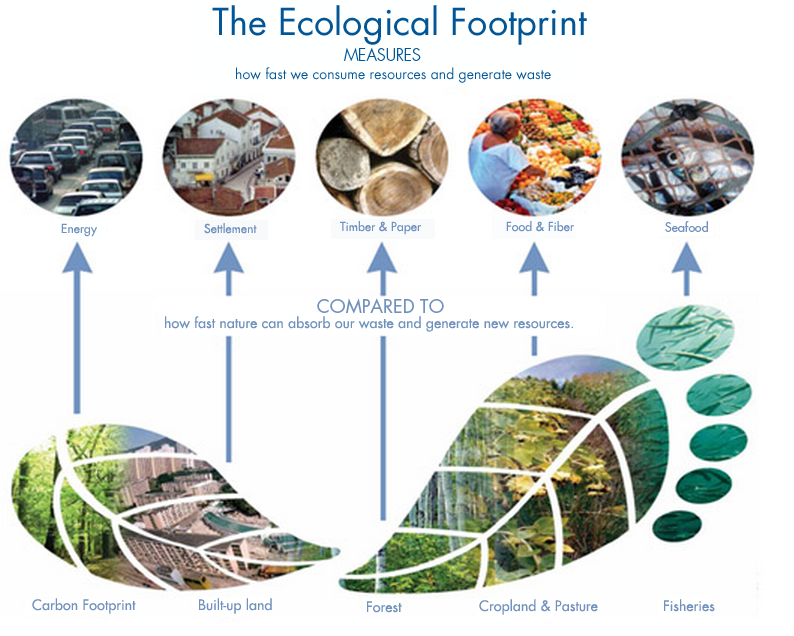
To understand the ecological footprint from a monetary perspective, one must view the planet as a finite endowment. Every year, the earth produces a set amount of “interest” in the form of renewable resources. When our ecological footprint exceeds the planet’s biocapacity, we stop living off the interest and begin liquidating the principal. This article explores the fiscal implications of this resource accounting, the rise of green investment strategies, and how managing your footprint can lead to significant long-term financial security.
The Economics of the Ecological Footprint: Why Resource Scarcity Matters to Your Wallet
The fundamental principle of finance is the management of scarce resources. The ecological footprint applies this exact logic to the physical world. By measuring the biologically productive land and sea area required to provide the resources we use and to absorb our waste, we can calculate the “budget” of the planet. When we exceed this budget, we enter a state of ecological deficit, which translates directly into economic volatility and inflationary pressure.
Defining the Footprint as Natural Capital
In financial terms, natural capital refers to the world’s stocks of geology, soil, air, water, and all living things. These assets provide a flow of valuable goods and services, such as food, fiber, and carbon sequestration. An ecological footprint is essentially a “withdrawal slip” against this capital. For a business or a national economy, failing to account for this withdrawal leads to an incomplete balance sheet. Modern financial analysts are increasingly treating resource dependency as a liability. If a company requires vast amounts of water or land to produce its revenue, and those resources are dwindling, that company’s “cost of goods sold” (COGS) is destined to rise, threatening its profit margins and long-term valuation.
The Concept of “Ecological Debt” and Financial Risk
Just as a consumer can live on credit cards for a limited time, a global economy can survive by overdrawing its biological accounts. This is known as “Earth Overshoot Day”—the date when humanity’s demand for ecological resources in a given year exceeds what Earth can regenerate in that year. From a money management perspective, this is the equivalent of a sovereign debt crisis. As we deplete these resources, we create “ecological debt.” This debt manifests in the economy through supply chain disruptions, increased insurance premiums due to climate instability, and the rising cost of raw materials. Investors who ignore the ecological footprint of their holdings are essentially ignoring a massive, unpriced debt that will eventually be called in by the market.
Investing in Sustainability: How Footprints Shape Modern Portfolios
The shift toward ESG (Environmental, Social, and Governance) investing has turned the ecological footprint into a primary data point for asset managers. Institutional investors, including massive pension funds and sovereign wealth funds, now use footprint data to de-risk their portfolios. They recognize that companies with high ecological footprints are often exposed to greater regulatory, legal, and operational risks.
ESG Integration and the Rise of Green Alpha
“Alpha” refers to an investment’s ability to beat the market. In the current financial climate, “Green Alpha” is being generated by companies that have successfully decoupled their revenue growth from their ecological footprint. By using fewer resources to generate more value, these companies operate with higher efficiency. For an investor, a company with a shrinking ecological footprint is often a proxy for a well-managed, forward-thinking organization. These firms are less likely to be hit by carbon taxes or resource-scarcity-driven price hikes, making them safer bets for long-term capital appreciation.

Identifying “Stranded Assets” through Footprint Analysis
One of the greatest risks in modern investing is the “stranded asset.” This occurs when an asset (such as a coal mine, a fleet of internal combustion vehicles, or inefficient real estate) loses its value prematurely due to shifts in the regulatory or economic environment. By analyzing the ecological footprint of a sector, investors can identify which industries are most at risk of asset stranding. For instance, as global carbon accounting becomes more stringent, companies with high-carbon footprints may find their infrastructure becomes a liability rather than an asset. Smart money is currently flowing out of high-footprint, high-risk sectors and into “circular economy” models that prioritize resource regeneration.
The Carbon Market: Turning Environmental Impact into a Financial Asset
Perhaps the most direct link between the ecological footprint and money is the emergence of the global carbon market. This market effectively puts a price tag on a portion of the ecological footprint—specifically, the carbon emissions component. By commodifying the ability of the earth to absorb CO2, the financial world has created a system where a low footprint can be sold as a credit, and a high footprint must be paid for as an expense.
Carbon Credits and Offsets as Investment Vehicles
For businesses and individual investors, carbon credits have become a legitimate asset class. A company that reduces its ecological footprint below its regulatory allowance can sell its excess “capacity” to others. This creates a direct financial incentive for footprint reduction. Furthermore, the voluntary carbon market allows individuals and firms to invest in projects—such as reforestation or methane capture—that effectively “cancel out” their footprint. As a financial instrument, these credits are subject to supply and demand, and as regulations tighten globally, the price of these credits is expected to rise, offering a unique opportunity for speculative and hedge-based investing.
Regulatory Compliance and Its Impact on Corporate Bottom Lines
Governments worldwide are implementing “Cap and Trade” systems and carbon taxes. These are essentially “usage fees” for the planet’s biocapacity. For a corporation, the size of its ecological footprint now directly dictates its tax burden. In regions like the European Union, the Carbon Border Adjustment Mechanism (CBAM) ensures that even imported goods are taxed based on their ecological footprint. This shift moves footprint management from the CSR (Corporate Social Responsibility) department directly to the CFO’s office. Reducing a footprint is no longer just about “being green”; it is about tax optimization and protecting the bottom line.
Personal Finance and the Sustainable Consumer: Managing Your Individual Budget
The logic of the ecological footprint extends all the way down to personal finance and household budgeting. Often, the actions that reduce your individual footprint are the same actions that increase your net worth. Sustainability, when viewed through a financial lens, is a strategy for reducing “lifestyle creep” and optimizing long-term expenditures.
The Financial Benefits of Efficiency and Waste Reduction
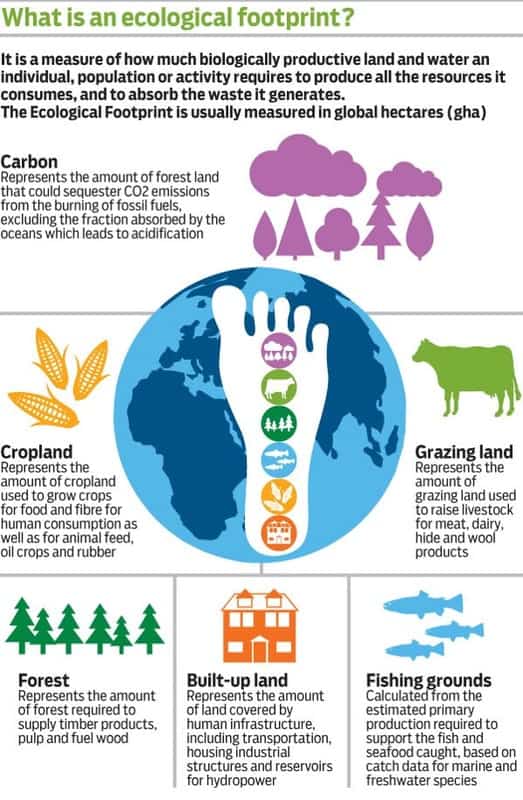
Consider the primary components of an individual’s ecological footprint: housing, transportation, and food.
- Housing: Investing in energy efficiency (insulation, heat pumps, LED lighting) reduces your footprint while lowering monthly utility bills—essentially providing a guaranteed, tax-free return on investment.
- Transportation: Moving away from high-footprint, fuel-dependent vehicles toward electric alternatives or public transit reduces exposure to volatile oil prices, which act as a “stealth tax” on the consumer.
- Consumption: A “low-footprint” lifestyle emphasizes durability and quality over “fast fashion” and disposable goods. While the upfront cost may be higher, the “cost per use” is significantly lower, leading to thousands of dollars in savings over a decade.
Long-term Savings through Sustainable Capital Expenditures
For the average homeowner, “greening” their footprint can be seen as a series of strategic capital expenditures (CapEx). Installing solar panels, for example, is a way to “pre-pay” for 25 years of electricity at a fixed, lower rate, hedging against future energy inflation. Similarly, choosing to live in a walkable urban center may have a higher property cost but eliminates the massive depreciating asset of a car and its associated insurance, maintenance, and fuel costs. When you align your personal finance goals with a reduction in your ecological footprint, you aren’t just saving the planet—you are building a more resilient, low-overhead financial future.
In conclusion, the ecological footprint is the ultimate ledger of the 21st century. Whether you are an institutional investor looking for the next growth sector, a business leader trying to navigate new tax regulations, or an individual aiming to optimize your monthly budget, the footprint offers a clear framework for decision-making. By respecting the earth’s biocapacity, we aren’t just performing an act of environmental stewardship; we are engaging in sound, long-term financial management. In a world of finite resources, the most profitable path forward is the one that leaves the smallest mark.
aViewFromTheCave is a participant in the Amazon Services LLC Associates Program, an affiliate advertising program designed to provide a means for sites to earn advertising fees by advertising and linking to Amazon.com. Amazon, the Amazon logo, AmazonSupply, and the AmazonSupply logo are trademarks of Amazon.com, Inc. or its affiliates. As an Amazon Associate we earn affiliate commissions from qualifying purchases.