
Sleep apnea is a serious sleep disorder that affects millions of people worldwide. Its defining characteristic is the repeated interruption of breathing during sleep, known as an apnea event. While often silent and unnoticed by the individual experiencing them, these events can have profound consequences for health and well-being. Understanding what constitutes an apnea event is the first crucial step in recognizing the problem and seeking effective solutions.
The complexity of apnea events extends beyond a simple pause in breathing. It involves a nuanced interplay of physiological mechanisms, leading to a cascade of effects that can disrupt sleep architecture, oxygen levels, and cardiovascular function. This article delves into the nature of apnea events, exploring their causes, types, and the broader implications for both immediate sleep quality and long-term health. We will also touch upon the technological advancements and strategic approaches that are emerging to help diagnose, manage, and even prevent these disruptive occurrences.
The Mechanics of an Apnea Event: When Breathing Takes a Break
At its core, an apnea event is a temporary cessation of airflow to the lungs. This pause can last for a few seconds to over a minute and can occur multiple times throughout the night. The frequency and duration of these events are critical indicators of the severity of sleep apnea. While the experience is characterized by a lack of breathing, the underlying causes and physiological responses are multifaceted.
Respiratory Effort: The Driving Force Behind Different Apnea Types
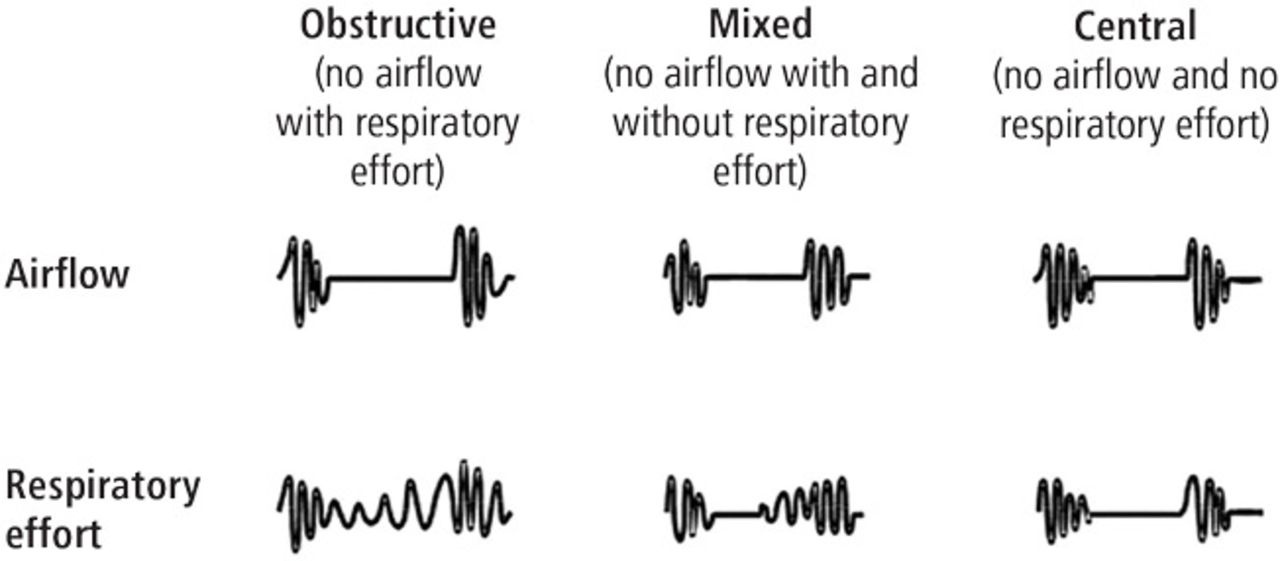
The distinction between the primary types of sleep apnea hinges on whether the brain signals the body to breathe and whether the respiratory muscles attempt to do so. This fundamental difference dictates how the apnea event unfolds and what interventions are most effective.
Obstructive Sleep Apnea (OSA): The Physical Blockage
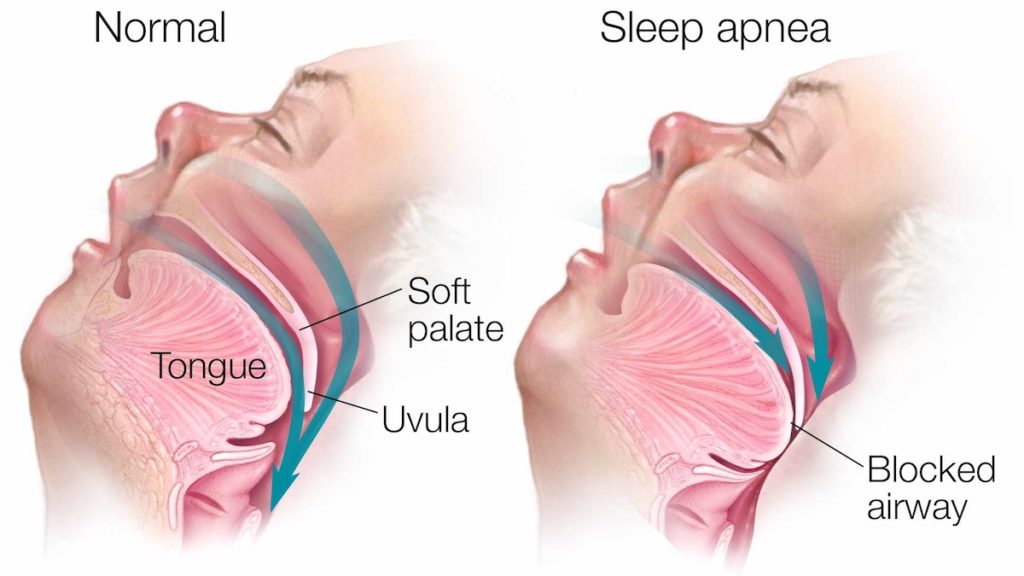
In Obstructive Sleep Apnea (OSA), the most common form, the airway becomes physically blocked during sleep. This blockage typically occurs in the pharynx, the part of the throat behind the mouth and nasal cavity. During normal breathing, the muscles in the throat help keep the airway open. However, during sleep, these muscles relax, and in individuals with OSA, the soft tissues in the throat (such as the tongue, soft palate, and uvula) can collapse inwards, narrowing or completely obstructing the airway.
Despite the physical obstruction, the brain continues to send signals to the respiratory muscles to breathe. This is characterized by continued chest and abdominal movements as the individual tries to draw air into their lungs. However, because the airway is blocked, air cannot reach the lungs, leading to a drop in blood oxygen levels. This struggle to breathe is what eventually triggers a brief awakening or a partial arousal from sleep, often unnoticed by the sleeper, which then reopens the airway, allowing breathing to resume. These arousals, even if not fully conscious, fragment sleep and prevent the restorative deep sleep cycles necessary for overall health.
Central Sleep Apnea (CSA): The Brain’s Signal Failure
In contrast to OSA, Central Sleep Apnea (CSA) occurs when the brain fails to send the correct signals to the muscles that control breathing. The airway itself is generally open, but the brain’s respiratory control center is not functioning properly. This means that even though the body has the capacity to inhale, the brain doesn’t initiate the command to do so.
In CSA, there is a lack of respiratory effort, meaning you won’t see the same chest and abdominal movements that are characteristic of OSA. The individual simply stops breathing because the signal to breathe is absent. Like OSA, CSA also leads to reduced oxygen levels in the blood and subsequent arousals from sleep. CSA is often associated with underlying medical conditions that affect the brainstem, such as stroke, heart failure, or the use of certain medications like opioids.
Mixed Apnea: A Combination of Obstruction and Central Issues
Mixed apnea, as the name suggests, is a combination of both obstructive and central sleep apnea events. An apnea event might begin with a central component, where the brain fails to signal breathing, followed by an obstructive component, where the airway becomes physically blocked. Alternatively, it could start as an obstructive event that transitions into a central one. The presence of mixed apnea can sometimes complicate diagnosis and treatment, as it requires addressing both the physical obstruction and the potential underlying central nervous system issues.
The Immediate and Long-Term Consequences of Apnea Events
The repeated cessation of breathing, even for short durations, triggers a series of physiological responses that have immediate and cumulative effects on the body. These consequences range from daytime fatigue and cognitive impairment to serious cardiovascular complications.
The Oxygen Deprivation and Stress Response
During each apnea event, the body experiences a dip in blood oxygen saturation. This lack of oxygen, known as hypoxia, acts as a stressor on the body. The brain detects this oxygen deficit and initiates a survival response. This involves releasing stress hormones like adrenaline and cortisol, which increase heart rate and blood pressure, preparing the body for immediate action. While this response is essential for acute survival, its constant activation during sleep can lead to significant health problems over time.
The repeated surges in adrenaline also contribute to fragmented sleep. The body’s fight-or-flight mechanism is activated, causing brief awakenings or arousals that prevent the individual from entering deep, restorative sleep stages. This chronic sleep deprivation, even if the person doesn’t recall waking up, is a major contributor to the daytime symptoms of sleep apnea.
The Toll on Cardiovascular Health
The constant fluctuations in oxygen levels and the repeated activation of the stress response place an immense strain on the cardiovascular system. This is why sleep apnea is strongly linked to an increased risk of developing or worsening several serious heart conditions.
- High Blood Pressure (Hypertension): The surges in blood pressure during apnea events, combined with the chronic stress response, can lead to persistently elevated blood pressure, even when awake. This makes sleep apnea a significant, and often undiagnosed, cause of hypertension.
- Heart Disease: The increased workload on the heart and the reduced oxygen supply can contribute to the development of coronary artery disease, heart attacks, and heart failure.
- Stroke: The fluctuations in blood pressure and oxygen levels can increase the risk of blood clots forming, which can lead to a stroke.
- Arrhythmias: Sleep apnea can disrupt the heart’s electrical activity, leading to irregular heartbeats such as atrial fibrillation.
Cognitive Impairment and Mental Well-being
Beyond the physical toll, sleep apnea significantly impacts cognitive function and mental well-being. The fragmented sleep and chronic oxygen deprivation affect the brain’s ability to function optimally.
- Daytime Sleepiness and Fatigue: This is perhaps the most common and noticeable symptom. Individuals with sleep apnea often feel excessively tired during the day, even after what they perceive as a full night’s sleep. This can lead to reduced productivity, difficulty concentrating, and an increased risk of accidents, particularly while driving or operating machinery.
- Memory and Concentration Problems: The lack of restorative sleep impairs the brain’s ability to consolidate memories and maintain focus. This can manifest as forgetfulness, difficulty learning new information, and a general feeling of mental fogginess.
- Mood Disorders: Sleep apnea is frequently associated with an increased prevalence of depression, anxiety, and irritability. The chronic lack of quality sleep can significantly impact emotional regulation and overall mood.
Technological Advancements and Strategic Approaches to Managing Apnea Events
Fortunately, the understanding and management of sleep apnea have seen remarkable progress, driven by advancements in technology and a more strategic approach to patient care and public awareness. From sophisticated diagnostic tools to innovative treatment devices and digital platforms for support and education, individuals are better equipped than ever to address this condition.
The Role of Tech in Diagnosis and Monitoring
The accurate identification of apnea events is crucial for effective treatment. Technology plays a pivotal role in this process, offering increasingly sophisticated and accessible diagnostic methods.
- Sleep Studies (Polysomnography): The gold standard for diagnosing sleep apnea is a comprehensive sleep study, typically conducted in a sleep lab or at home. These studies utilize advanced sensors to monitor various physiological parameters, including breathing patterns, airflow, oxygen saturation, brain waves, heart rate, and muscle activity. Specialized software analyzes this data to precisely identify and quantify apnea events, differentiating between obstructive and central types.
- Wearable Devices and Smart Home Technology: The proliferation of wearable technology and smart home gadgets has opened new avenues for at-home sleep monitoring. While not a substitute for a formal diagnosis, some devices can track sleep duration, detect snoring patterns, and even estimate oxygen levels. This preliminary data can empower individuals to have more informed conversations with their healthcare providers and encourage them to seek professional evaluation. The integration of AI in analyzing the data from these devices is also becoming more sophisticated, offering personalized insights into sleep quality and potential disruptions.
- Telemedicine and Digital Platforms: For individuals in remote areas or those with mobility issues, telemedicine platforms are revolutionizing access to sleep specialists. Virtual consultations and remote monitoring allow for timely assessments and adjustments to treatment plans. Furthermore, online forums and dedicated apps provide communities for individuals to share experiences, find support, and access educational resources about sleep apnea and apnea events.
Branding and Awareness: Shining a Light on a Silent Issue
The journey from experiencing symptoms to seeking diagnosis and treatment is often hindered by a lack of awareness about sleep apnea and its implications. Strategic branding and targeted marketing efforts are essential in demystifying this condition and encouraging proactive health management.
- Public Health Campaigns: Effective branding of sleep apnea as a serious but manageable health condition is vital. Public awareness campaigns, utilizing compelling storytelling and clear messaging, can educate the general public about the symptoms and risks of sleep apnea. This involves creating relatable content that resonates with diverse audiences, highlighting the impact of apnea events on daily life and long-term health.
- Healthcare Provider Education: Ensuring that healthcare professionals are well-versed in recognizing the signs and symptoms of sleep apnea is paramount. Case studies illustrating the varied presentations of the disorder and the benefits of early intervention can help equip doctors and nurses to ask the right questions and refer patients for appropriate testing.
- Patient Empowerment: Branding initiatives that focus on patient empowerment can encourage individuals to take ownership of their sleep health. This involves providing clear, accessible information about apnea events, diagnostic procedures, and treatment options, fostering a sense of agency and control over their well-being.
Financial and Economic Considerations: Investing in Sleep Health
The financial implications of untreated sleep apnea are substantial, both for individuals and for the broader economy. Investing in diagnosis, treatment, and preventative strategies can yield significant returns in terms of improved health, increased productivity, and reduced healthcare costs.
- Cost of Untreated Sleep Apnea: The direct healthcare costs associated with managing the complications of sleep apnea – such as cardiovascular disease, diabetes, and accidents – are significant. Furthermore, the indirect costs stemming from lost productivity, absenteeism from work, and impaired cognitive function can have a considerable economic impact.
- Investing in Sleep Apnea Management: Early diagnosis and effective treatment of sleep apnea can mitigate these costs. Investing in a sleep study and appropriate therapy, such as Continuous Positive Airway Pressure (CPAP) machines or oral appliances, can lead to substantial long-term savings by preventing or reducing the severity of associated health problems.
- Insurance and Financial Planning: Understanding insurance coverage for sleep studies and treatments is crucial for individuals. Financial advisors and online platforms can offer guidance on budgeting for sleep health expenses, exploring payment options, and maximizing insurance benefits. For businesses, promoting employee wellness programs that address sleep health can lead to a healthier, more productive workforce and reduced healthcare expenditures.
In conclusion, an apnea event is more than just a temporary pause in breathing; it’s a silent interruption with far-reaching consequences. Understanding its mechanics, recognizing its impact on physical and mental health, and leveraging the power of technology, strategic branding, and sound financial planning are all essential components in the fight against sleep apnea. By shedding light on this pervasive disorder, we empower individuals to prioritize their sleep health, leading to improved well-being and a healthier future.
aViewFromTheCave is a participant in the Amazon Services LLC Associates Program, an affiliate advertising program designed to provide a means for sites to earn advertising fees by advertising and linking to Amazon.com. Amazon, the Amazon logo, AmazonSupply, and the AmazonSupply logo are trademarks of Amazon.com, Inc. or its affiliates. As an Amazon Associate we earn affiliate commissions from qualifying purchases.