
California has long been at the forefront of economic policy in the United States, often serving as a bellwether for labor laws and financial shifts. As of January 1, 2024, the state has reached a new milestone in its multi-year plan to raise the floor for workers. Navigating the complexities of the California minimum wage is no longer just about knowing a single number; it requires an understanding of sector-specific mandates, local municipal ordinances, and the broader implications for personal finance and business sustainability.
In the “Money” niche, understanding these figures is essential for budgeting, payroll management, and long-term financial planning. Whether you are an entrepreneur calculating your overhead or an individual looking to optimize your household income, the current landscape of California’s wage laws offers both challenges and opportunities.
The Baseline: Understanding California’s $16.00 Minimum Wage Standard
Effective January 1, 2024, the general minimum wage for all employers in California rose to $16.00 per hour. This increase represents the final step in a series of scheduled hikes that began years ago, aimed at ensuring the state’s lowest-paid workers can keep pace with a rising cost of living. However, the financial implications of this baseline go far beyond the hourly rate.
The Elimination of the Small Business Tier
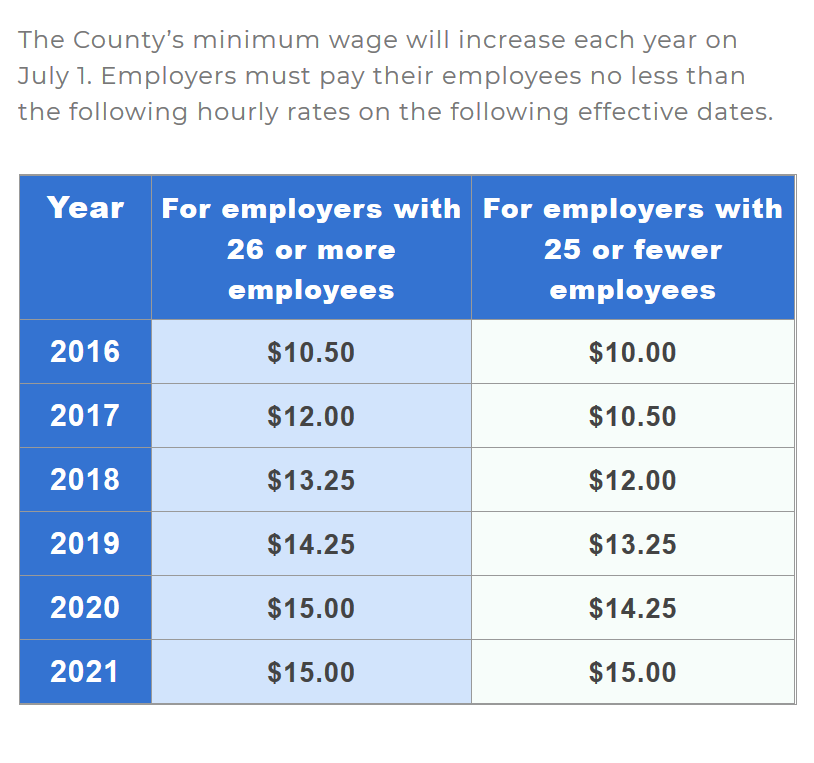
For several years, California maintained a two-tiered system where businesses with 25 or fewer employees paid a slightly lower rate than larger corporations. This grace period has officially ended. As of 2024, the $16.00 per hour rate applies to every employer in the state, regardless of the size of their workforce. For small business owners and startups, this means a mandatory recalibration of their profit-and-loss (P&L) statements to accommodate higher labor costs without the previous safety net of a lower tier.
Exempt vs. Non-Exempt Financial Thresholds
One of the most significant “hidden” impacts of the minimum wage increase is its effect on salaried employees. In California, to be exempt from overtime pay, an employee must earn a monthly salary equivalent to at least twice the state minimum wage for full-time work. With the $16.00 hourly rate, the minimum annual salary for exempt employees has risen to $66,560. Business finance managers must carefully audit their payroll to ensure that mid-level managers who were previously exempt do not inadvertently fall into non-exempt status, which could trigger unexpected overtime liabilities.
The Role of the Consumer Price Index (CPI)
Future increases are no longer tied to specific legislative dates but are instead indexed to inflation. According to California Labor Code, the minimum wage will now adjust annually based on the U.S. Consumer Price Index for Urban Wage Earners and Clerical Workers (CPI-W). For personal finance planning, this provides a predictable, albeit modest, hedge against inflation, ensuring that purchasing power does not erode as drastically as it might in states with stagnant wage floors.
Industry Disruptors: The Rise of Sector-Specific Minimum Wages
While $16.00 is the state baseline, 2024 introduced a revolutionary shift toward industry-specific wage floors. This move recognizes that certain sectors face unique economic pressures and labor demands. From a business finance perspective, this creates a fragmented market where “labor competition” is now codified by law.
Assembly Bill 1228 and the $20 Fast Food Minimum
Perhaps the most discussed shift in the California economy this year is the $20.00 per hour minimum wage for fast-food workers, which took effect on April 1, 2024. This applies to workers at “national fast-food chains,” defined as restaurants with at least 60 locations nationwide. From an investment and business strategy standpoint, this has forced a massive shift in the fast-food model. Chains are looking toward increased automation, menu price adjustments, and streamlined operations to maintain margins while paying nearly 25% above the state baseline.
The Healthcare Worker Minimum Wage (Senate Bill 525)
Healthcare is another sector undergoing a radical wage transformation. SB 525 established a phased-in minimum wage for healthcare workers, ranging from $18 to $23 per hour starting in mid-2024, depending on the type of facility. Large health systems and dialysis clinics are on a faster track to reach $25 per hour, while smaller rural hospitals have a longer runway. For those in healthcare administration or those investing in the medical sector, these rising labor costs are a primary factor in financial forecasting and hospital valuation.
Implications for Industry Competitiveness
These sector-specific raises create a “wage gravity” effect. If a retail worker at a clothing store is earning $16.00, but a fast-food worker across the street is earning $20.00, the retail store must decide whether to raise wages voluntarily to retain talent or risk high turnover. This creates an environment of “de facto” wage increases across the board, influencing the broader economy beyond the regulated sectors.
The Micro-Economy of Municipalities: Local Minimum Wage Ordinances
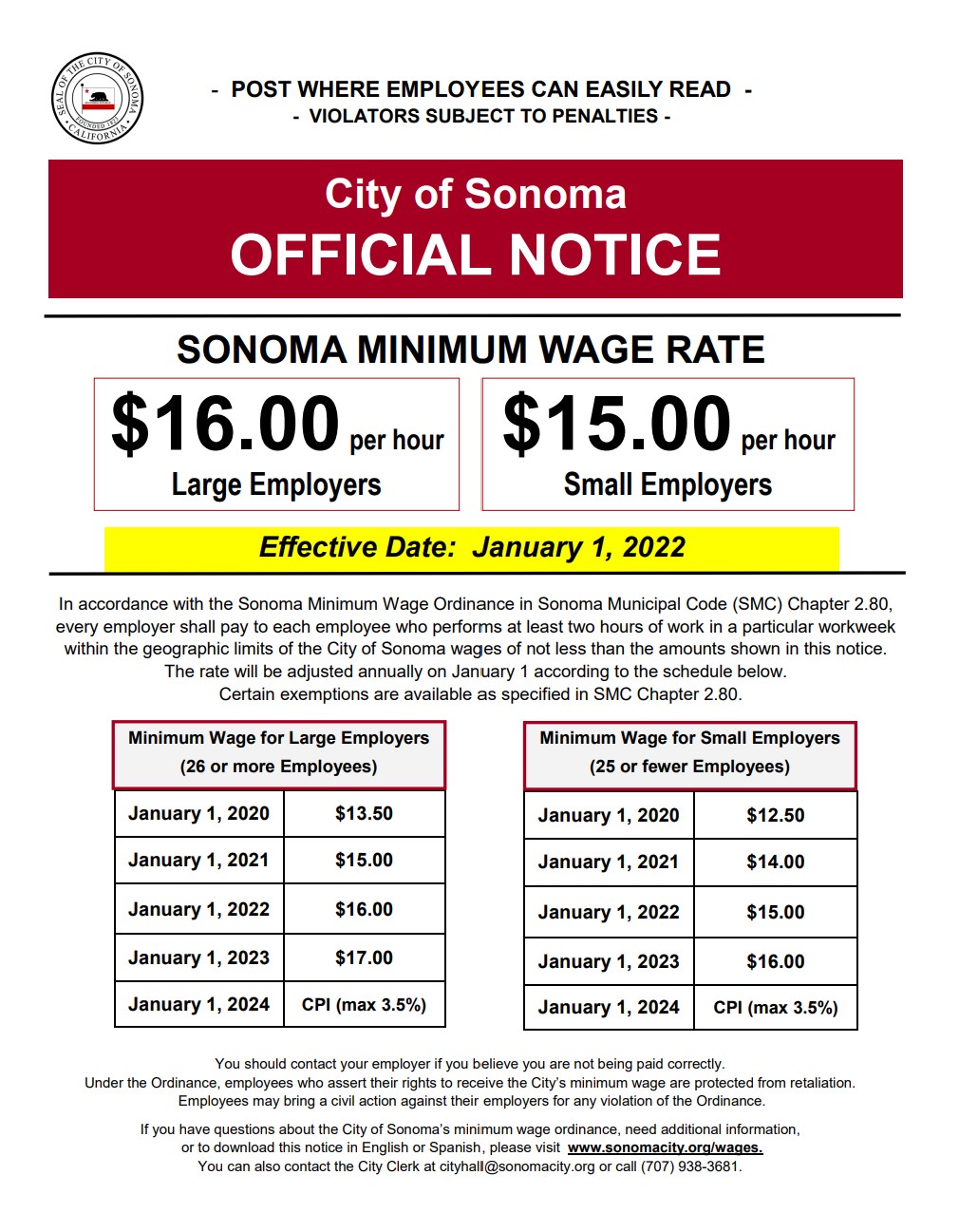
California’s financial landscape is further complicated by local autonomy. Many cities and counties have exercised their right to set minimum wages that exceed the state’s $16.00 floor. For businesses operating in multiple locations, this requires a hyper-local approach to financial compliance.
High-Cost Hubs: West Hollywood and San Francisco
Cities with some of the highest costs of living in the country have pushed their wages significantly higher. For example, West Hollywood and San Francisco have consistently maintained rates well above $18.00 per hour. In these jurisdictions, the “Money” focus shifts to extreme efficiency. Businesses in San Francisco must account for not only the higher hourly rate but also mandatory employer contributions to healthcare through the Health Care Security Ordinance (HCSO), adding another layer of financial complexity to every hour worked.
Managing Geographic Payroll Disparities
For companies with a distributed workforce—such as a delivery service or a construction firm with projects in various counties—payroll management becomes a logistical hurdle. An employee may spend four hours working in a city with a $16.00 minimum and four hours in a city with an $18.50 minimum. Financial software and precise time-tracking are essential tools here to avoid legal penalties and ensure accurate tax withholding.
Compliance for Remote and Hybrid Teams
In the post-pandemic era, the question of “where” work happens is vital. If a company is based in a low-wage county but employs a remote worker living in a city with a higher local minimum wage, the employer is generally required to pay the rate where the work is performed. This adds a layer of complexity to the hiring strategy, as the “cost of labor” is now tied to the employee’s residence rather than the company’s headquarters.
Strategic Financial Planning for Business Owners and Entrepreneurs
Rising wages are often viewed through the lens of increased costs, but a sophisticated financial strategy looks for ways to turn these mandates into operational strengths.
Optimizing Labor Costs and Operational Efficiency
To offset higher wages, businesses are increasingly turning to technology. This includes self-service kiosks in retail, AI-driven customer support, and advanced inventory management systems that reduce the “man-hours” required for daily operations. From a business finance perspective, the initial capital expenditure (CapEx) on technology is becoming more attractive as the long-term operational expenditure (OpEx) of labor rises.
The Ripple Effect on Middle-Management Salaries
When the “floor” rises, the “ceiling” often follows. If an entry-level employee’s pay increases from $15.50 to $16.00, a supervisor making $18.00 may feel their specialized skills are being undervalued. This is known as “wage compression.” Financial planners must budget for “step-up” raises across the entire organization to maintain morale and prevent talent poaching from competitors who have adjusted their entire pay scale.
Tax Credits and Financial Incentives
While wages are rising, there are various federal and state tax credits available to businesses that hire from specific demographics (such as the Work Opportunity Tax Credit). Savvy business owners work with financial advisors to identify these offsets, effectively lowering their net labor cost while remaining in full compliance with California’s aggressive wage laws.
Personal Wealth Management in a High-Wage, High-Cost Environment
For the individual, a higher minimum wage is a tool for better personal finance management, but it is not a silver bullet given California’s high inflation and housing costs.
Budgeting Strategies for Entry-Level Income
At $16.00 per hour, a full-time worker earns roughly $2,773 per month before taxes. In many parts of California, this requires a disciplined approach to budgeting. Financial experts recommend the 50/30/20 rule (50% for needs, 30% for wants, 20% for savings), though the “needs” portion in California often swallows a larger percentage. Utilizing financial tools like high-yield savings accounts or automated budgeting apps can help individuals maximize the utility of their increased hourly rate.
The Role of Side Hustles in California’s Economy
Even with a $16.00 or $20.00 hourly rate, many Californians find that a single stream of income is insufficient for long-term wealth building or home ownership. The “Money” niche in California is heavily influenced by the “gig economy.” Many minimum wage earners leverage side hustles—ranging from digital freelance work to delivery services—to bridge the gap between “living wage” and “thriving wage.” The key to success here is understanding the tax implications of 1099 income vs. W-2 income.

Planning for Inflation and Future Adjustments
As the minimum wage becomes indexed to the CPI, individuals should view their raises as a way to maintain their standard of living rather than a windfall of “extra” money. Strategic personal finance involves moving away from just “trading time for money” and looking toward micro-investing platforms or employer-sponsored retirement plans (like CalSavers, California’s retirement mandate for businesses) to build long-term equity.
In conclusion, California’s minimum wage landscape in 2024 is a complex tapestry of state baselines, industry-specific requirements, and local ordinances. For the business owner, it demands rigorous financial planning and operational agility. For the worker, it provides a necessary floor in a high-cost environment, but one that requires careful budgeting and secondary income strategies to achieve true financial independence. Understanding these numbers is the first step in mastering the unique financial ecosystem of the Golden State.
aViewFromTheCave is a participant in the Amazon Services LLC Associates Program, an affiliate advertising program designed to provide a means for sites to earn advertising fees by advertising and linking to Amazon.com. Amazon, the Amazon logo, AmazonSupply, and the AmazonSupply logo are trademarks of Amazon.com, Inc. or its affiliates. As an Amazon Associate we earn affiliate commissions from qualifying purchases.