
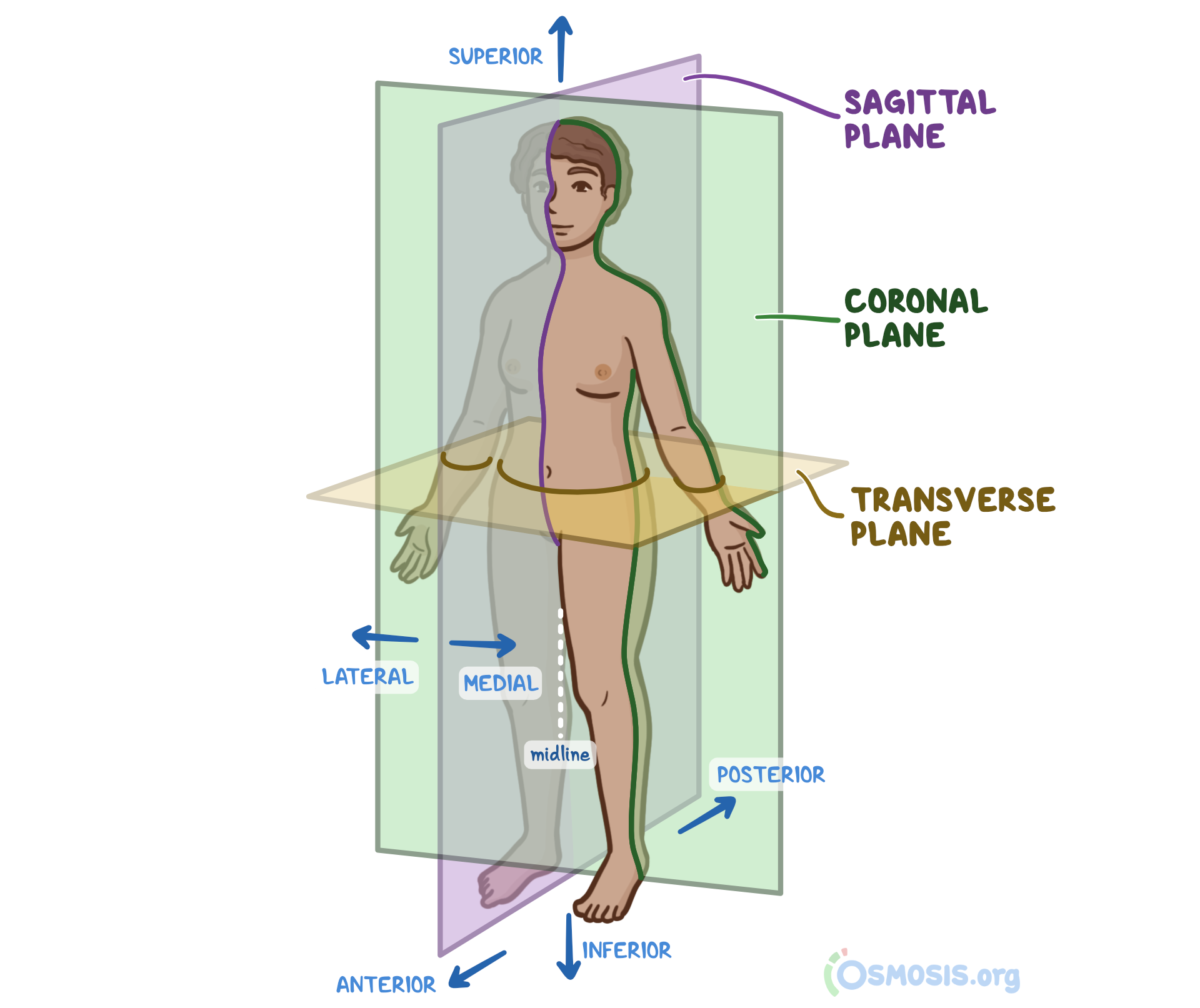
In the world of medical science, the “anatomical position” refers to a standardized posture—standing upright, feet together, palms facing forward—that serves as a universal map for the human body. However, in the rapidly accelerating landscape of technology, this concept has migrated from the pages of Gray’s Anatomy into the codebases of cutting-edge software. In the tech sector, the anatomical position is no longer just a physical reference; it is the “Ground Zero” for digital human modeling (DHM), artificial intelligence, and spatial computing.
As we move toward a future defined by the Metaverse, AI-driven healthcare, and advanced biometrics, understanding the digital anatomical position is crucial. It is the foundational framework that allows software to understand human movement, enables VR headsets to track our limbs, and permits AI to diagnose postural deviations from a single camera feed.
The Evolution of the Anatomical Standard: From Textbooks to Digital Twins
The transition from physical medicine to digital architecture required a standardized way to translate the human form into binary data. This is where the concept of the “Digital Twin” begins. For a computer to simulate a human, it must first have a reference point that defines “up,” “down,” “left,” and “right” in a three-dimensional coordinate system.
The Role of 3D Modeling Software and Rigging
In software like Blender, Maya, or Cinema 4D, the anatomical position is often represented by the “T-Pose” or “A-Pose.” While these differ slightly from the classical medical anatomical position, they serve the same tech-centric purpose: rigging. Rigging is the process of creating a digital skeleton (a “rig”) for a 3D model.
By starting in a standardized anatomical position, developers ensure that the digital joints align perfectly with the software’s “Inverse Kinematics” (IK) algorithms. This allows the software to calculate how a person’s elbow should move when their wrist is pulled forward, ensuring that digital characters move realistically rather than clipping through their own geometry.
Precision in Biometric Data and Digital Archetypes
Beyond entertainment, the tech industry uses the anatomical position to standardize biometric data. When engineers design wearable tech, such as the Apple Watch or specialized medical sensors, they rely on “Anthropometric Data.” This is a massive database of human measurements taken in the standard anatomical position. By using these digital archetypes, hardware designers can ensure that a “one-size-fits-all” gadget actually accommodates the 5th to 95th percentile of the human population.
AI and Machine Learning: Teaching Algorithms Human Geometry
Artificial Intelligence does not naturally understand what a human looks like. To an AI, a person is simply a collection of pixels or a point cloud. To make sense of this data, developers use the anatomical position to train neural networks in “Pose Estimation.”
Computer Vision and Pose Estimation
Pose estimation is a subfield of computer vision that detects the position and orientation of a person. Companies like Tesla (for pedestrian detection) and specialized fitness apps (for form correction) use models like PoseNet or OpenPose.
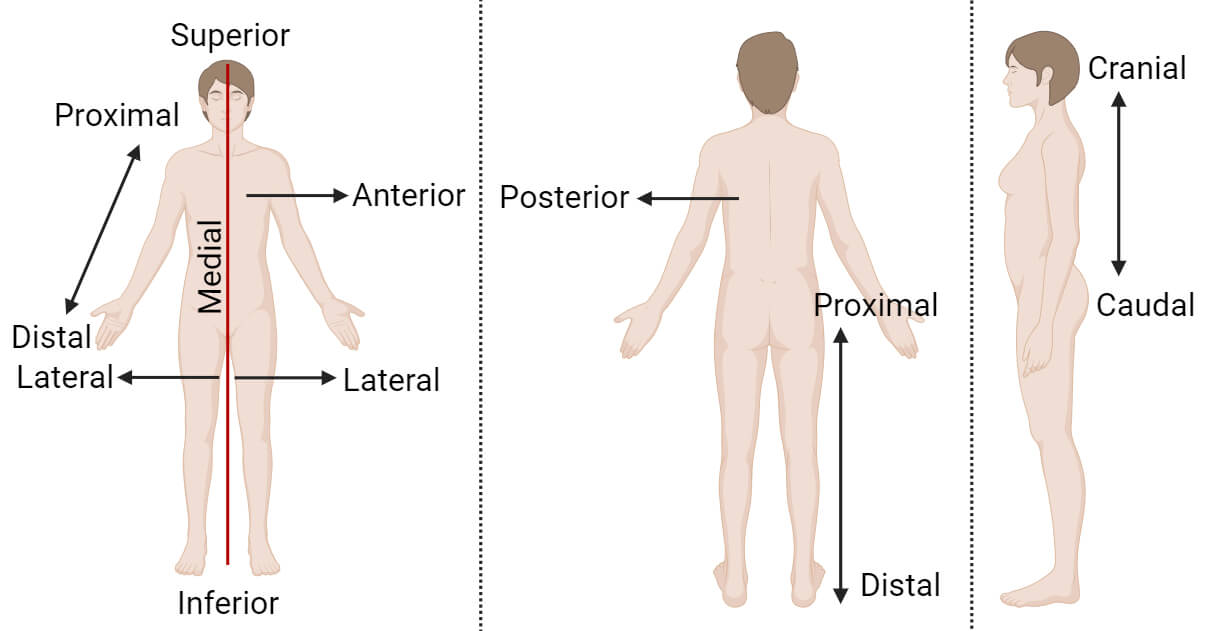
These AI models are trained on millions of images of people in various postures, but they are all benchmarked against the standard anatomical position. By understanding the “neutral” state of human anatomy, the AI can calculate the degree of flexion in a knee or the rotation of a spine. This has massive implications for “Telehealth 2.0,” where AI can analyze a patient’s range of motion through a webcam more accurately than a human eye could in person.
Training Neural Networks for Medical Accuracy
In the MedTech sector, AI is being used to analyze MRI and CT scans. For the software to identify an abnormality, it must first recognize what the “standard” anatomical position looks like in a digital 3D space. Through deep learning, these tools can now “segment” different organs and bones automatically. By referencing the standardized anatomical position, the AI can immediately identify if a bone is displaced or if a tumor is growing in a specific quadrant of the body, significantly reducing the time required for diagnostic review.
Virtual and Augmented Reality: Redefining Spatial Positioning
The rise of spatial computing—driven by devices like the Meta Quest 3 and the Apple Vision Pro—has turned the anatomical position into a real-time requirement. In these environments, the user’s body is the controller, and the software must constantly map the user’s physical anatomical position to their virtual avatar.
Ergonomics in Hardware Design and UX
Virtual Reality (VR) is only immersive if the digital world reacts correctly to the human body. Tech designers use the anatomical position to define the “Golden Circle” of reach. This is the area a user can touch without straining their muscles. By mapping the digital anatomical position, UI/UX designers can place virtual buttons and menus in locations that are biologically comfortable. This prevents “gorilla arm” syndrome (fatigue from holding arms out too long) and ensures that the tech feels like an extension of the body rather than a burden.
Haptic Feedback and Body Orientation
Advanced haptic suits, like those being developed for enterprise training or high-end gaming, rely on “Anatomical Mapping.” These suits contain sensors that must be calibrated to the wearer’s specific limb lengths. The calibration process usually begins with the user standing in a variant of the anatomical position. This allows the software to synchronize the suit’s vibratory motors with the user’s nervous system, ensuring that if something “touches” the avatar’s forearm in the game, the user feels it in the exact same anatomical location in real life.
Digital Security and Biometrics: The Anatomy of Access
As we move away from passwords toward biological authentication, the anatomical position plays a silent but vital role in digital security. We are no longer just using fingerprints; we are using the entire structural integrity of the body as a key.
Skeletal Mapping for Authentication
“Gait analysis” is a growing field in digital security where individuals are identified by the way they move. Because every human has a unique bone structure and center of gravity, their “dynamic anatomical position” (how they move through space) acts as a biometric signature. Advanced security software in high-stakes environments uses 3D cameras to map the skeletal structure of individuals, comparing their movement patterns against a stored anatomical baseline. Unlike a password, your skeletal geometry cannot be easily spoofed or stolen.
Future Trends in Behavioral Biometrics
The next frontier of digital security is “Behavioral Biometrics.” This tech monitors how you hold your phone, the angle of your wrist when you type, and your posture while sitting. All of these metrics are deviations from the standard anatomical position. By using AI to learn your specific “anatomical deviations,” software can create a continuous authentication loop. If someone else picks up your device, the software will notice that the “anatomical grip” and “postural signature” have changed, and it can automatically lock the device.
The Future of the Digital Human
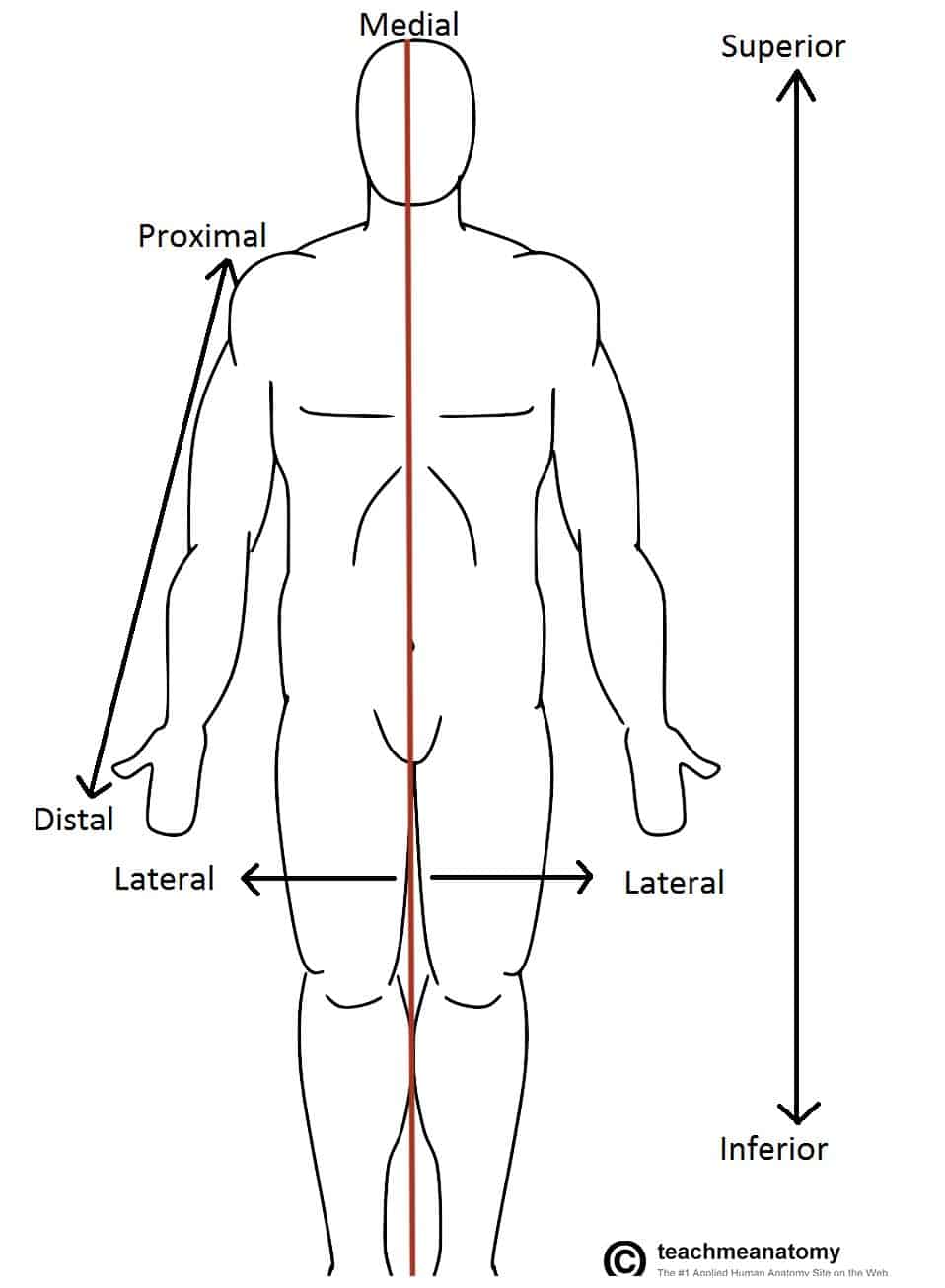
The anatomical position is the bridge between the carbon-based world of biology and the silicon-based world of technology. As we continue to integrate software into our physical lives, the importance of this standardized map will only grow.
From the developer rigging a character for a AAA video game to the engineer training an AI to detect early-stage scoliosis, the anatomical position provides the necessary language for humans and machines to communicate. It is the “source code” of the human form, ensuring that as we venture further into digital frontiers, we remain grounded in the reality of our physical selves.
In the next decade, we can expect to see “Personalized Anatomical Models” stored in the cloud—secure, digital versions of our physical selves that we can use to virtually try on clothes, test the ergonomics of a new car before buying it, or allow a surgeon to practice a procedure on our exact digital twin. All of this starts with a simple, centuries-old medical concept: the anatomical position.
aViewFromTheCave is a participant in the Amazon Services LLC Associates Program, an affiliate advertising program designed to provide a means for sites to earn advertising fees by advertising and linking to Amazon.com. Amazon, the Amazon logo, AmazonSupply, and the AmazonSupply logo are trademarks of Amazon.com, Inc. or its affiliates. As an Amazon Associate we earn affiliate commissions from qualifying purchases.