
The United States dollar stands as the world’s primary reserve currency, a status that imbues it with significant influence over global finance, trade, and investment. However, its “worth” is not a static figure; it’s a dynamic concept influenced by a myriad of economic, political, and social forces, constantly fluctuating in value against other currencies and in terms of its purchasing power. For individuals managing personal finances, investors strategizing portfolios, or businesses engaged in international trade, understanding the current valuation of the US dollar is not merely academic—it’s a critical component of informed decision-making. Today, the dollar’s value reflects a complex interplay of domestic economic health, global market sentiment, and the policies enacted by central banks worldwide.

Understanding the Dollar’s Value: More Than Just a Number
To grasp the true “worth” of the US dollar today, we must look beyond a single exchange rate and consider various dimensions of its value. Its strength or weakness impacts everything from the price of your groceries to the profitability of multinational corporations.
Exchange Rates: The Global Barometer
The most immediate and widely observed measure of the dollar’s worth is its exchange rate against other major currencies, such as the Euro (EUR), Japanese Yen (JPY), British Pound (GBP), and Chinese Yuan (CNY). These rates reflect how many units of a foreign currency one US dollar can buy, or vice-versa.
For instance, if 1 USD can buy 0.92 EUR, and then strengthens to buy 0.95 EUR, the dollar has appreciated against the Euro. These rates are determined by supply and demand in the foreign exchange (forex) market, driven by factors like interest rate differentials, economic performance, political stability, and market speculation. A higher exchange rate typically signals a “stronger” dollar in global markets, making foreign goods cheaper for Americans but U.S. exports more expensive for foreign buyers. Conversely, a “weaker” dollar makes U.S. exports more competitive and foreign goods pricier domestically.
Purchasing Power: What Your Dollar Buys
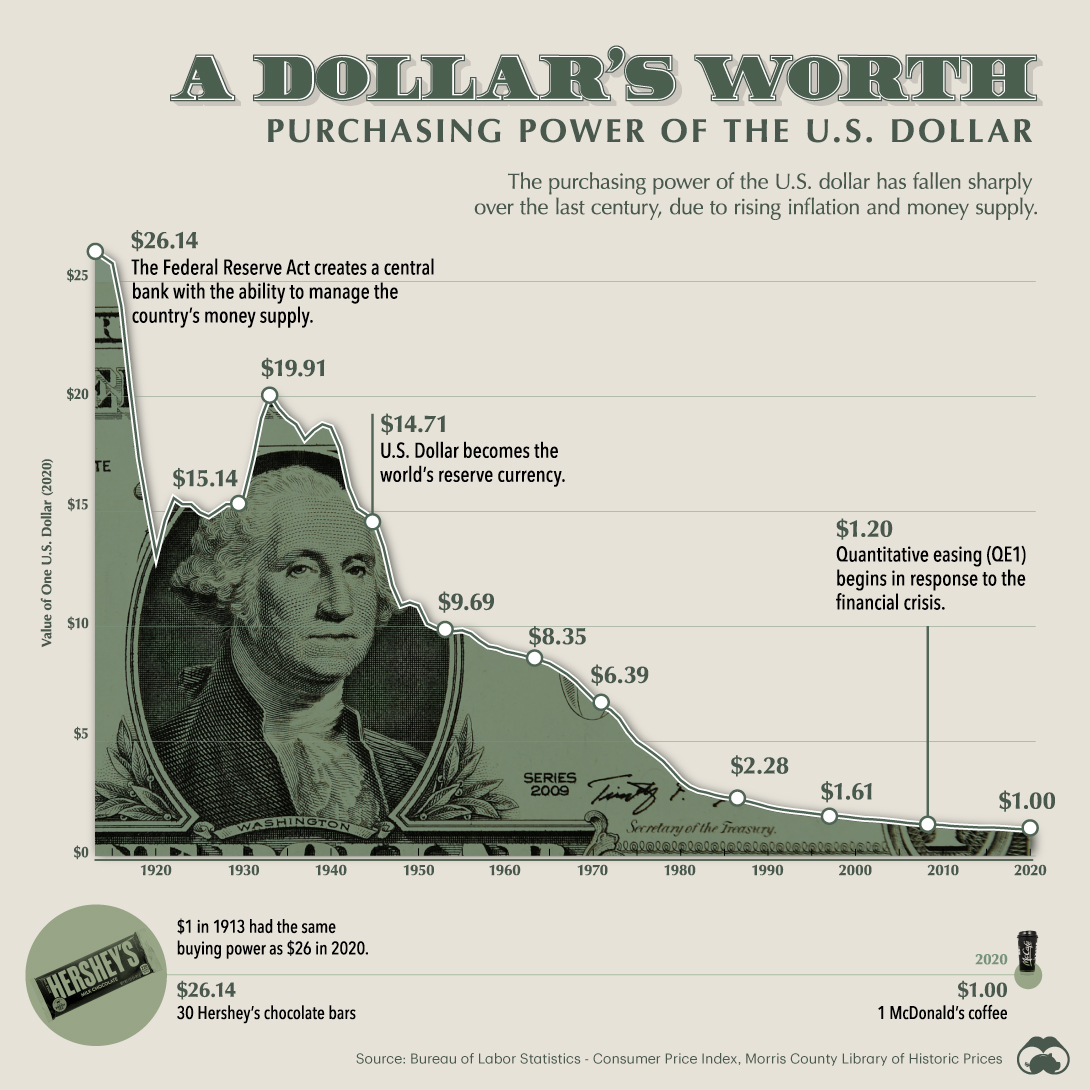
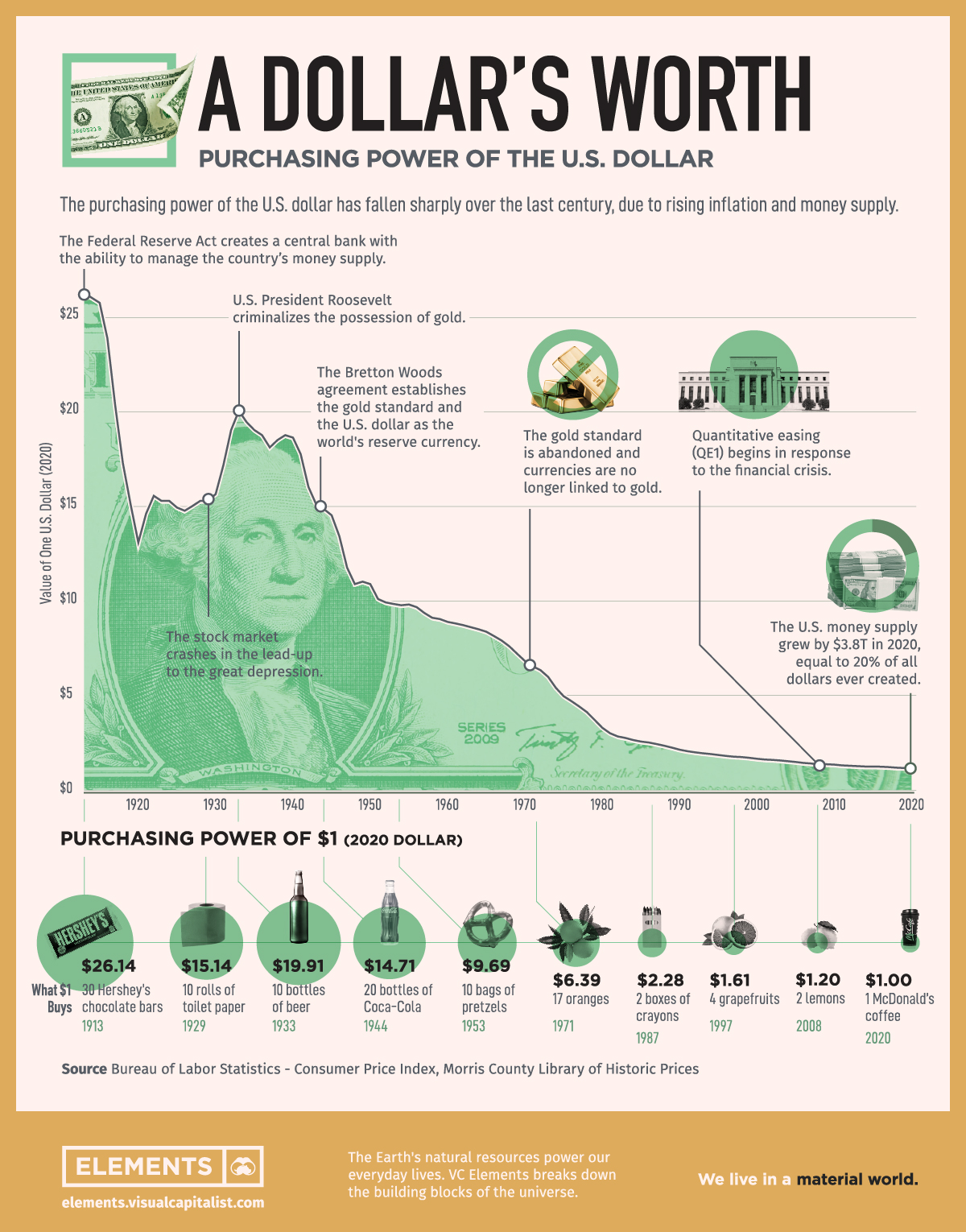
Beyond exchange rates, the dollar’s purchasing power refers to the quantity of goods and services a single dollar can acquire within the domestic economy. This is primarily affected by inflation. If inflation rises, the same dollar buys fewer goods and services than it did previously, effectively diminishing its internal worth. Conversely, disinflation or deflation would increase its purchasing power. Understanding this internal value is crucial for personal finance, as it directly impacts one’s cost of living, savings effectiveness, and retirement planning. While exchange rates reflect external value, purchasing power reflects internal economic reality.
The Dollar as a Reserve Currency
The US dollar’s status as the world’s dominant reserve currency further solidifies its “worth.” Central banks globally hold significant portions of their foreign exchange reserves in dollars, and it’s the currency of choice for international trade and finance, especially for commodities like oil and gold. This deep liquidity and widespread acceptance create a constant global demand for dollars, often acting as a stabilizing factor even during times of economic uncertainty. When global markets face turmoil, investors often flock to the dollar as a “safe haven” asset, further boosting its perceived worth and demand. This role ensures its continued relevance and impact on financial markets worldwide.
Key Factors Influencing the Dollar’s Strength
The movements of the US dollar are never random. They are the cumulative result of identifiable forces, both domestic and international, that continuously reshape its perceived value.
Interest Rates and Monetary Policy
Perhaps the most significant driver of the dollar’s value is the monetary policy set by the Federal Reserve (the U.S. central bank), particularly changes in interest rates. When the Federal Reserve raises its benchmark interest rate, it makes dollar-denominated assets (like U.S. bonds) more attractive to foreign investors seeking higher returns. This increased demand for dollar assets translates into a stronger dollar as investors need to buy dollars to invest. Conversely, lower interest rates tend to weaken the dollar. The Fed’s forward guidance, inflation targets, and quantitative easing/tightening programs all play a crucial role in signaling future rate paths, thereby influencing the dollar’s trajectory.
Economic Indicators
The overall health and performance of the U.S. economy provide a fundamental underpinning for the dollar’s worth. Robust economic growth, as measured by indicators like Gross Domestic Product (GDP), strong employment figures (non-farm payrolls, unemployment rate), and stable inflation rates, generally signals a healthy economy, making the dollar more attractive to investors. Conversely, signs of economic contraction, rising unemployment, or uncontrolled inflation can weaken confidence in the dollar. Specific reports such as the Consumer Price Index (CPI), Producer Price Index (PPI), and retail sales data are closely watched for insights into inflationary pressures and consumer spending habits, which directly influence the Fed’s policy decisions and, consequently, the dollar’s value.
Geopolitical Events and Global Stability
In times of global uncertainty, political instability, or financial crises, the US dollar often acts as a “safe haven” currency. Investors and central banks tend to move capital into perceived safe assets, and given the U.S.’s relatively stable political environment, deep financial markets, and reserve currency status, the dollar often benefits from such flight-to-safety flows. Major geopolitical events, from wars and trade disputes to sovereign debt crises in other nations, can therefore significantly impact the dollar’s strength, often pushing it higher as global risk aversion intensifies.
Trade Balances and Current Account Deficits/Surpluses
A nation’s trade balance (the difference between its exports and imports) and current account balance (which includes trade, services, and income flows) also influence its currency. A persistent trade deficit, where a country imports more than it exports, means that more domestic currency is being converted into foreign currency to pay for imports, potentially putting downward pressure on the domestic currency. Conversely, a trade surplus implies greater demand for the domestic currency. While the U.S. has historically run trade and current account deficits, the dollar’s reserve status and global demand often mitigate the negative pressure this might otherwise exert.
Impact of a Strong or Weak Dollar on Your Finances
The dollar’s fluctuating value isn’t just a concern for economists and traders; it has tangible effects on the daily lives and financial strategies of individuals and businesses.
For Consumers: Imports, Travel, and Inflation
A stronger dollar makes imported goods cheaper for U.S. consumers. Whether it’s electronics, apparel, or foreign cars, a favorable exchange rate reduces the dollar cost of these items. This can also lead to lower domestic prices for goods that rely heavily on imported components. Conversely, a weaker dollar makes imports more expensive, potentially contributing to domestic inflation.
For those planning international travel, a strong dollar means your money goes further abroad, making vacations and business trips more affordable. A weak dollar, however, increases the cost of overseas travel. The reverse holds true for foreign tourists visiting the U.S.
Moreover, a strong dollar can sometimes indirectly suppress domestic inflation by making imports cheaper, while a weak dollar can fuel inflation by raising the cost of foreign goods and services.
For Investors: Returns on Foreign Assets and Commodities
Investors with diversified portfolios must consider the dollar’s strength. A strong dollar can erode the returns on foreign investments when those foreign currency-denominated assets are converted back into dollars. For example, if you own European stocks, and the Euro weakens against the dollar, your dollar-denominated return will be lower, even if the stock price in Euros remained constant or rose slightly. Conversely, a weaker dollar can boost the dollar-denominated returns of foreign assets.
Commodities, particularly oil and gold, are often priced in U.S. dollars. A stronger dollar makes these commodities more expensive for buyers using other currencies, which can dampen demand and put downward pressure on commodity prices. A weaker dollar has the opposite effect, making commodities cheaper for foreign buyers and potentially driving up their prices. This dynamic influences investment decisions in commodity markets and related industries.
For Businesses: Exports, Imports, and International Competitiveness
For American businesses, the dollar’s value is a critical determinant of international competitiveness. U.S. exporters generally prefer a weaker dollar, as it makes their products and services cheaper and more attractive to foreign buyers. This can boost export volumes and revenues. A strong dollar, however, makes U.S. exports more expensive, potentially reducing demand and hurting the profitability of export-oriented companies.
Conversely, businesses that import raw materials or finished goods benefit from a strong dollar, as it reduces their input costs. Those with significant international operations might see their foreign earnings decrease when converted back into a stronger dollar. Multinational corporations must constantly hedge against currency fluctuations to protect their profit margins, as a significant shift in the dollar’s value can drastically alter their financial performance.
Tools and Strategies to Monitor the Dollar’s Value
Staying informed about the dollar’s worth is crucial for sound financial management. Fortunately, a wealth of resources and strategies are available to help individuals and businesses track its movements.
Financial News and Economic Calendars
Reliable financial news outlets (e.g., Wall Street Journal, Bloomberg, Reuters, Financial Times) offer daily analyses and real-time updates on currency markets, economic indicators, and central bank announcements. Economic calendars provided by these platforms or dedicated financial data sites list upcoming economic releases (e.g., GDP reports, inflation data, employment statistics, central bank meetings) and their expected impact on currencies. Following these closely can provide proactive insights into potential dollar movements.
Currency Exchange Platforms and Apps
For real-time tracking of exchange rates, numerous online platforms and mobile applications are available. These tools allow users to monitor the dollar’s value against various currencies, set alerts for specific price levels, and even execute foreign exchange transactions. Reputable platforms like XE.com, OANDA, or even integrated banking apps provide user-friendly interfaces to keep abreast of the dollar’s global standing.
Consulting Financial Professionals
For complex financial decisions involving significant currency risk, such as large international investments or managing business foreign exchange exposure, consulting a financial advisor, currency strategist, or international business consultant is advisable. These professionals can provide tailored advice, help develop hedging strategies, and offer in-depth analysis beyond what readily available tools can provide, ensuring that personal and business finances are optimally positioned relative to dollar fluctuations.
Looking Ahead: The Future Trajectory of the US Dollar
Predicting the exact future worth of the US dollar is an exercise fraught with uncertainty, yet understanding the dominant forces at play can provide valuable context for navigating the financial landscape.
Persistent Inflation and Fed Responses
One of the most significant factors influencing the dollar’s immediate future is the trajectory of inflation within the U.S. economy and the Federal Reserve’s response to it. If inflation proves more persistent than anticipated, the Fed may be compelled to maintain a hawkish stance, potentially keeping interest rates higher for longer. This scenario could continue to support a stronger dollar, making it attractive to investors seeking real returns. Conversely, a rapid deceleration of inflation might prompt the Fed to consider interest rate cuts, which could lead to a weaker dollar. The balancing act between controlling inflation and supporting economic growth will define much of the dollar’s near-term path.
Global Economic Shifts and De-dollarization Debates
In the longer term, the dollar’s dominance faces evolving challenges from global economic shifts. The rise of other major economic blocs, particularly in Asia, and increasing calls for “de-dollarization” among some nations could incrementally reduce the dollar’s share in global trade and reserves. While a rapid dethroning of the dollar is unlikely given its deep liquidity and established infrastructure, a gradual shift towards a more multi-polar currency system could influence its future worth and stability. The economic performance of key trading partners and geopolitical alliances will play a significant role in this ongoing evolution.
Technological Advancements and Digital Currencies
The advent of digital currencies, including central bank digital currencies (CBDCs) and stablecoins, presents another dimension to the dollar’s future. While the U.S. is exploring a potential digital dollar, its implementation could have varied impacts. A well-designed digital dollar could enhance the currency’s efficiency and global reach, reinforcing its appeal. However, the rise of widely adopted CBDCs from other major economies, or highly efficient blockchain-based alternatives, could introduce new competition in the global financial landscape, potentially altering the dynamics of currency demand and valuation over the long haul.
In conclusion, the worth of the US dollar today is a complex, multi-faceted concept, encompassing its global exchange rates, domestic purchasing power, and its entrenched role as a reserve currency. It is a constantly moving target, influenced by everything from the mundane details of economic reports to the grand narratives of global geopolitics and technological innovation. For anyone navigating the world of finance, an ongoing, informed understanding of these dynamics is not just beneficial, but essential.
aViewFromTheCave is a participant in the Amazon Services LLC Associates Program, an affiliate advertising program designed to provide a means for sites to earn advertising fees by advertising and linking to Amazon.com. Amazon, the Amazon logo, AmazonSupply, and the AmazonSupply logo are trademarks of Amazon.com, Inc. or its affiliates. As an Amazon Associate we earn affiliate commissions from qualifying purchases.