
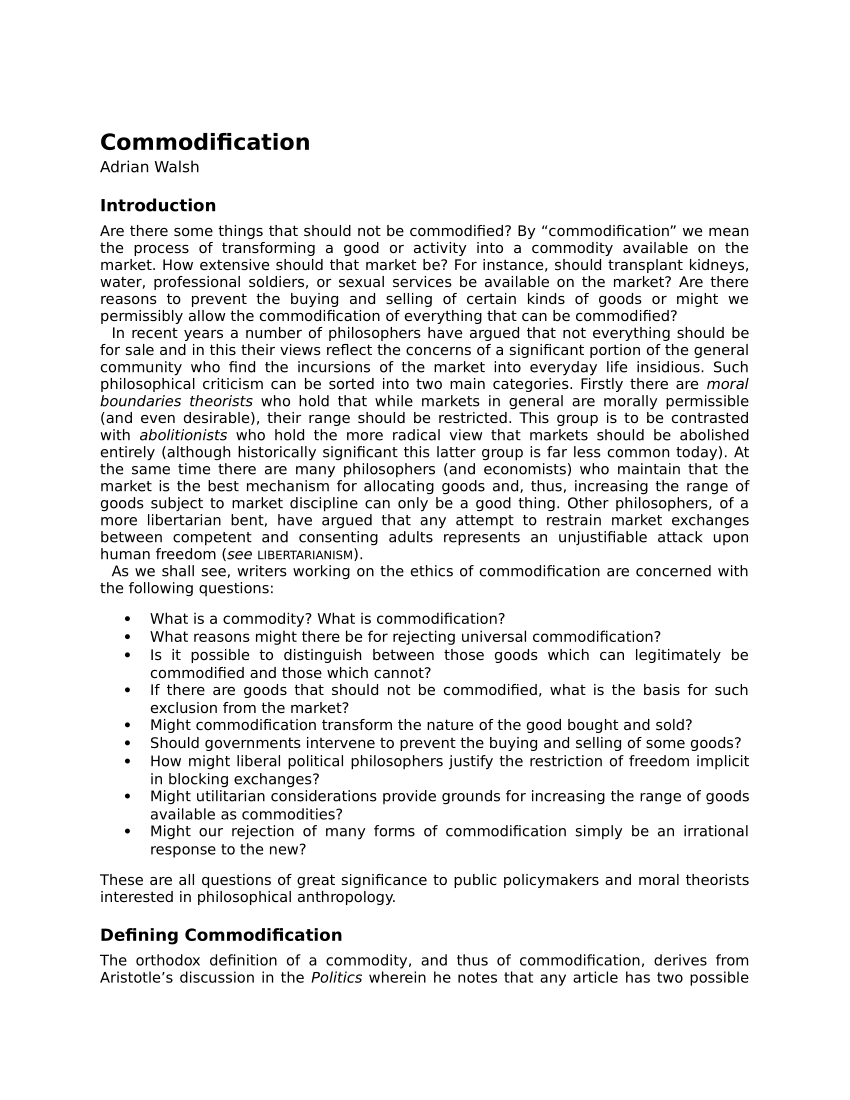
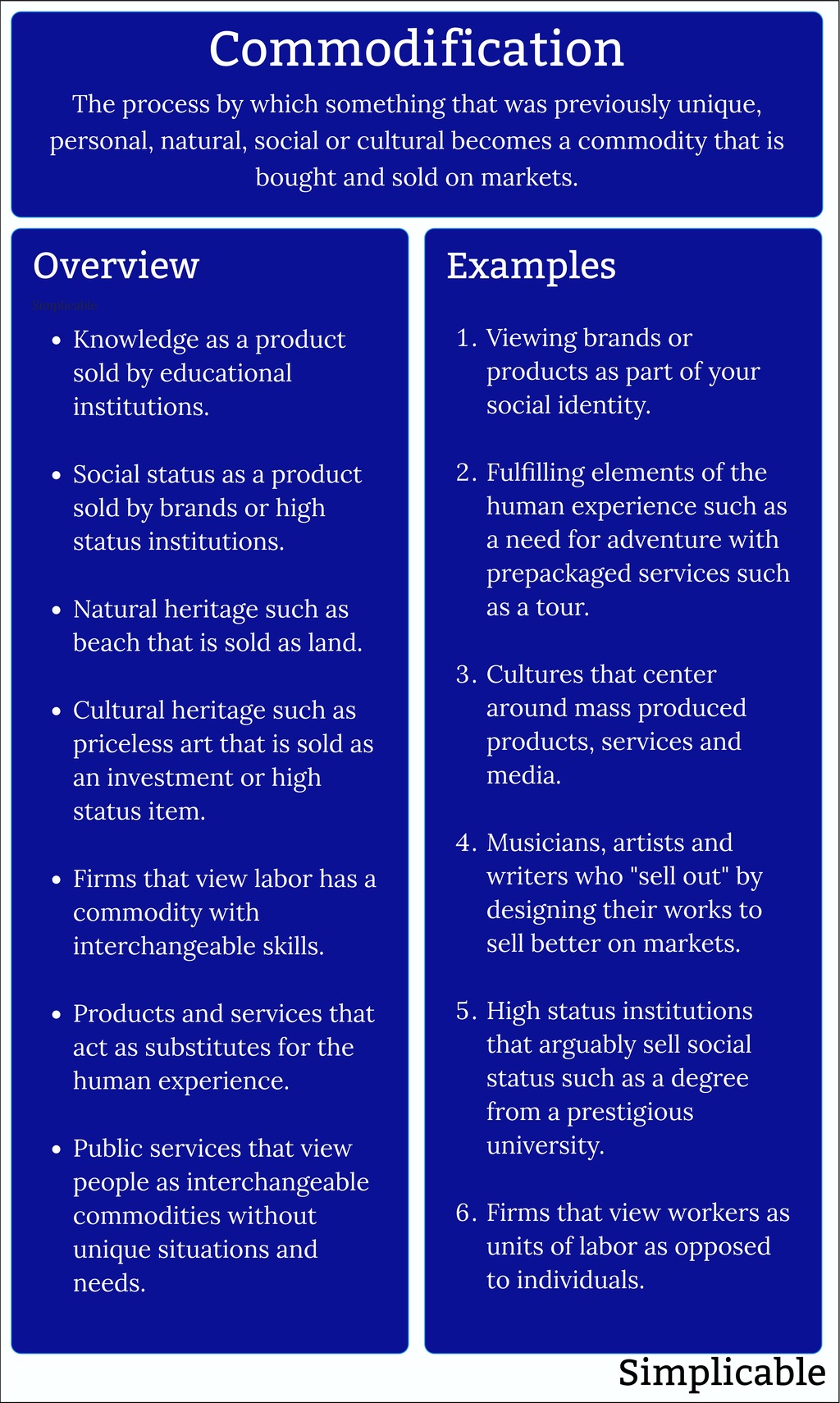
The term “commodification” often conjures images of basic, interchangeable goods like grain or raw materials. However, in the dynamic and ever-evolving landscape of technology, its meaning takes on a more nuanced and significant dimension. When we talk about the commodification of technology, we’re exploring how once-novel, complex, and expensive innovations become increasingly standardized, accessible, and ultimately, treated as commodities – products or services that are widely available and priced primarily on their utility rather than their unique features. This process is not merely about price reduction; it fundamentally alters market dynamics, influences innovation cycles, and reshapes how we perceive and utilize technology.
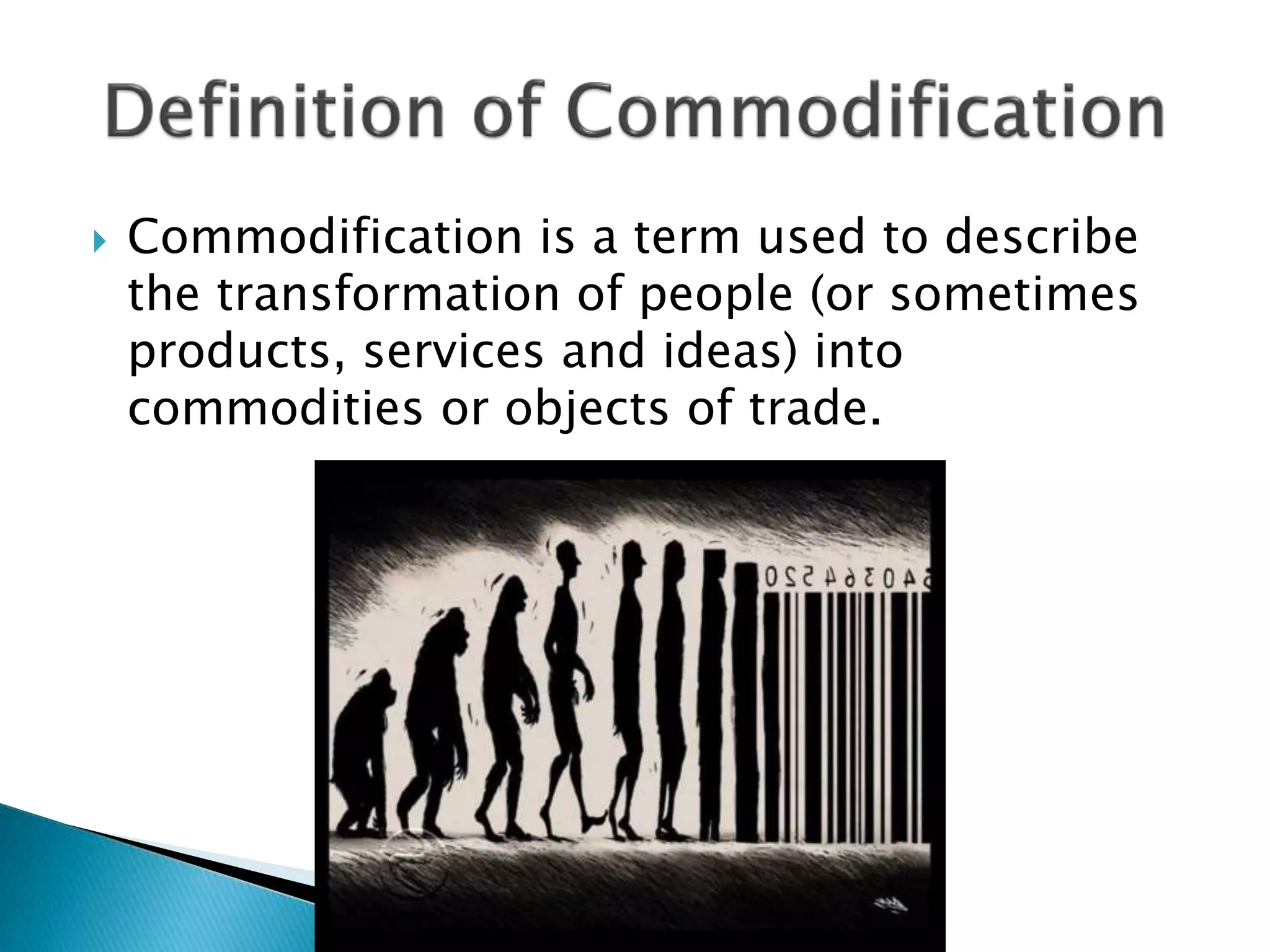
The tech industry, perhaps more than any other, is a prime example of commodification in action. From the personal computer to cloud computing, and from mobile apps to artificial intelligence, the trajectory of many technological advancements follows a predictable path: initial exclusivity and high cost, followed by increasing standardization, broader adoption, and a focus on price and accessibility. Understanding this phenomenon is crucial for businesses operating within the tech sphere, for investors looking to identify opportunities, and for consumers seeking to make informed decisions about their technological investments.
The Journey from Innovation to Interchangeability: Tracing Tech’s Commodification Arc
The lifecycle of a technological product or service is often marked by a clear progression from a nascent, high-value offering to a widely adopted, commodity-like good. This journey is driven by a confluence of factors, including increased competition, economies of scale, open standards, and the relentless pursuit of market share. Understanding this arc is key to grasping the essence of tech commodification.
The Era of Exclusivity and High Value
In its infancy, any groundbreaking technology is typically the domain of a few specialized companies or research institutions. The barriers to entry are high, requiring significant investment in research and development, specialized manufacturing processes, and a deep understanding of complex engineering. During this phase, the technology is not a commodity. Instead, it’s a premium product or service, commanding high prices and appealing to early adopters and businesses with specific, often mission-critical needs. The value proposition lies not just in its function but in its novelty and the competitive advantage it offers. Think of the early days of personal computers, where a machine was a significant investment for businesses and hobbyists alike. Similarly, the initial rollout of sophisticated cloud computing services was exclusive to large enterprises with substantial budgets and IT departments.
Standardization and the Rise of Economies of Scale
As a technology matures, standardization becomes a crucial catalyst for its commodification. Industry-wide protocols, common interfaces, and interoperability standards emerge, allowing different manufacturers to produce compatible products. This standardization reduces the need for proprietary, bespoke solutions and opens the door for a wider range of players to enter the market. The increased competition that follows drives down prices as companies vie for market share. Furthermore, the scaling up of production, fueled by mass adoption, leads to significant economies of scale. Manufacturing processes become more efficient, supply chains are optimized, and the cost per unit plummets. This is evident in the evolution of CPUs, RAM modules, and storage devices in the computing world. What were once expensive, specialized components are now mass-produced, relatively inexpensive, and largely interchangeable parts found in almost every computing device.
The Commodity Threshold: Price, Accessibility, and Utility
Once a technology reaches a certain level of standardization and widespread availability, it crosses the threshold into being a commodity. At this stage, the primary differentiator for many consumers and businesses is no longer the unique features of the technology itself, but its price, reliability, and ease of access. The unique selling proposition shifts from “what it can do” to “how affordably and reliably it can do it.” For example, basic cloud storage services, which were once a revolutionary offering, are now commoditized. Users can choose from numerous providers based on cost per gigabyte, security features, and uptime guarantees, with the core functionality being largely the same. Similarly, mobile operating systems and their app ecosystems have become so ubiquitous and standardized that the basic functionality of most apps is now a commodity. Users often select apps based on user reviews and price points rather than on truly groundbreaking features.
Implications of Commodification on Tech Businesses and Innovation
The commodification of technology presents a double-edged sword for businesses. While it fuels broader adoption and market growth, it also intensifies competition and can squeeze profit margins, forcing companies to rethink their strategies for survival and growth. The very success of a technology can, paradoxically, become its greatest challenge.
The Race to the Bottom: Navigating Squeezed Margins
As technologies become commoditized, the price becomes a dominant factor in purchasing decisions. This often leads to a “race to the bottom” where companies compete primarily on cost. For businesses that were once at the forefront of innovation, this can be a perilous situation. Their proprietary technologies and unique selling propositions are eroded as competitors catch up and offer similar functionalities at lower prices. This forces a strategic shift from competing on features to competing on efficiency, operational excellence, and cost leadership. Companies that can optimize their supply chains, streamline their production, and achieve greater economies of scale are better positioned to survive and thrive in a commoditized market. Failure to adapt can lead to declining profitability, market share erosion, and ultimately, the obsolescence of the business model.
The Pivot to Services and Ecosystems
In response to commodification, many tech companies are shifting their focus from selling individual hardware or software products to building comprehensive service ecosystems and recurring revenue streams. When the underlying technology becomes a commodity, the value proposition moves to the services that surround it, the user experience, and the integration within a larger network. Cloud computing, for instance, is not just about renting server space; it’s about the managed services, the analytics platforms, the security tools, and the developer support that cloud providers offer. Similarly, smartphone manufacturers have moved beyond selling just the device to offering app stores, cloud synchronization services, and integrated digital ecosystems that create customer lock-in and generate ongoing revenue. This shift allows companies to differentiate themselves not by the commodity itself, but by the value-added services and the overall experience they deliver.
The Continuous Cycle of Disruption and Reinvention
The commodification of one technology often lays the groundwork for the emergence of the next wave of innovation. As existing technologies become more accessible and affordable, they create new platforms and opportunities for disruptive advancements. For example, the commodification of computing power and internet connectivity enabled the rise of mobile computing and the app economy. The commodification of data storage and processing has paved the way for advanced artificial intelligence and machine learning applications. Therefore, for tech companies, staying ahead of the curve requires a constant commitment to research and development, a willingness to embrace new paradigms, and a proactive approach to identifying and capitalizing on emerging technologies before they, too, become commoditized.
The User’s Perspective: Access, Affordability, and the “Good Enough” Phenomenon
For end-users, the commodification of technology is largely a positive development. It democratizes access to powerful tools, fosters widespread adoption, and drives down costs, making sophisticated capabilities available to a much broader audience. However, it also introduces new considerations for users as they navigate an increasingly standardized marketplace.
Democratizing Access and Driving Adoption
The most significant benefit of commodification for consumers and businesses alike is the dramatic increase in accessibility and affordability. Technologies that were once the exclusive preserve of large corporations or wealthy individuals are now available to the masses. The smartphone, a device that embodies a multitude of once-separate, expensive technologies, is now in the pockets of billions worldwide. Cloud computing services have empowered small businesses and startups to access computing power and sophisticated software that would have been prohibitively expensive just a decade ago. This democratization fuels innovation at all levels of society, allowing individuals and organizations to leverage technology to solve problems, create new opportunities, and improve their lives.
The Rise of the “Good Enough” User
In a commoditized market, the focus for many users shifts from seeking the absolute cutting edge to finding a solution that is “good enough” for their needs. When multiple providers offer similar core functionality at competitive prices, the decision-making process becomes less about chasing the latest features and more about finding a balance between price, performance, reliability, and ease of use. This phenomenon has led to the rise of many successful companies that don’t necessarily offer the most advanced technology but provide a solid, reliable, and affordable solution that meets the demands of the majority of users. For instance, in the realm of productivity software, while there are always high-end, feature-rich options, many users are perfectly served by more affordable, commoditized alternatives that offer the essential tools they require.
The Importance of Ecosystem Lock-in and Switching Costs
While commodification drives accessibility, it can also lead to situations where users become reliant on specific ecosystems. Once a user invests in a particular platform or service, the cost and effort of switching to a competitor can be significant. This is particularly true for services that involve data migration, learning new interfaces, or reconfiguring integrated systems. Tech companies often leverage this by building their commoditized offerings into comprehensive ecosystems that encourage user loyalty and increase switching costs. For consumers and businesses, it becomes important to consider the long-term implications of their technology choices, not just the immediate price and functionality, but also the potential for future lock-in and the effort required to change course.
The Future of Tech Commodification: AI, Quantum Computing, and Beyond
The commodification process is not static; it’s a continuous evolution that will shape the future of technology. As new frontiers are explored, they will inevitably follow a similar trajectory, transforming from exclusive innovations to widely accessible tools. The implications for how we develop, deploy, and interact with technology are profound and far-reaching.
AI as the Next Frontier of Commodification
Artificial intelligence, once a concept confined to research labs and science fiction, is rapidly becoming a commoditized technology. We are seeing the emergence of powerful AI models and tools that are accessible to a much wider audience. Cloud providers offer AI-as-a-service, allowing developers to integrate machine learning capabilities into their applications without needing to build their own complex infrastructure. Open-source AI frameworks and pre-trained models further accelerate this trend. This commodification of AI promises to unlock unprecedented levels of automation, personalization, and insight across virtually every industry. However, it also raises questions about the ethical implications of widespread AI deployment, data privacy, and the potential for job displacement as AI capabilities become more generalized.
Quantum Computing: The Long Road to Commoditization
Quantum computing represents a potential paradigm shift in computational power, but its journey towards commoditization is likely to be a long and complex one. The initial barriers to entry for quantum computing are immense, involving highly specialized hardware, complex cryogenic systems, and a deep understanding of quantum mechanics. For the foreseeable future, access to quantum computing resources will remain limited and expensive, primarily available to large research institutions and major corporations. However, as the technology matures, and as more user-friendly programming interfaces and algorithms are developed, we can anticipate a gradual process of commoditization. This could manifest in the form of quantum computing as a cloud service, specialized quantum software libraries, and eventually, perhaps, more accessible quantum processing units. The impact of commoditized quantum computing, when it arrives, could be revolutionary, solving problems currently intractable for even the most powerful classical computers.
The Ever-Expanding Definition of “Tech” and its Commodities
Ultimately, the concept of commodification in tech is a dynamic one. As new technologies emerge, they become the innovations of today and the commodities of tomorrow. The internet, personal computers, smartphones, and cloud computing have all undergone this transformation. We can expect this trend to continue, with advancements in areas like augmented reality, virtual reality, biotechnology, and advanced materials all eventually following a path towards greater standardization and accessibility. The ongoing commodification of technology is not just about cheaper gadgets; it’s about the continuous democratization of powerful tools and capabilities, reshaping industries, economies, and the very fabric of our digital lives. Understanding this process is essential for navigating the opportunities and challenges that lie ahead in the ever-evolving technological landscape.
aViewFromTheCave is a participant in the Amazon Services LLC Associates Program, an affiliate advertising program designed to provide a means for sites to earn advertising fees by advertising and linking to Amazon.com. Amazon, the Amazon logo, AmazonSupply, and the AmazonSupply logo are trademarks of Amazon.com, Inc. or its affiliates. As an Amazon Associate we earn affiliate commissions from qualifying purchases.