
Amyotrophic Lateral Sclerosis (ALS), often referred to as Lou Gehrig’s disease, is a progressive neurodegenerative disorder that fundamentally alters the lives of those it touches. Characterized by the gradual death of motor neurons—the nerve cells in the brain and spinal cord that control voluntary muscle movement—ALS acts as a systematic disconnect between the mind and the body. While the condition is medically complex, understanding its implications is essential for patients, families, and the healthcare community navigating its challenges.
The Biological Mechanism: How ALS Affects the Nervous System
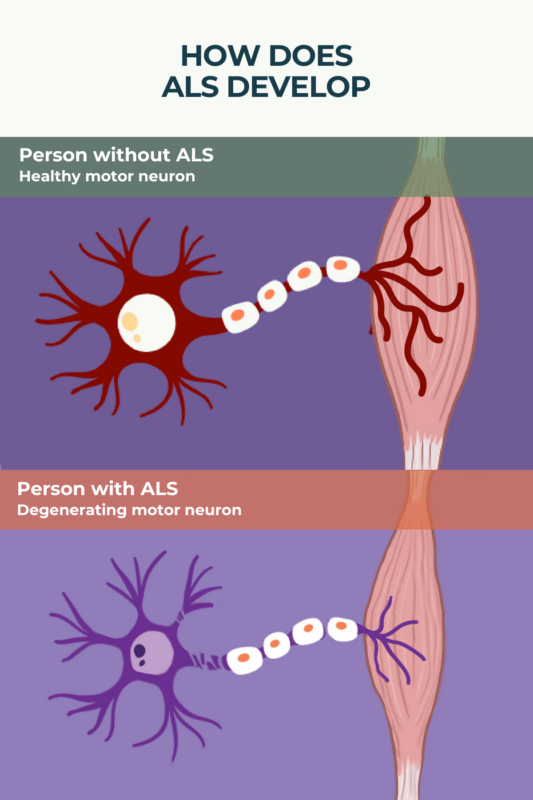
At the core of ALS is the degeneration of upper and lower motor neurons. In a healthy nervous system, the brain sends electrical impulses through the spinal cord to the muscles, allowing for everything from blinking to walking. In ALS, these neurons wither away or die, halting the transmission of these signals.
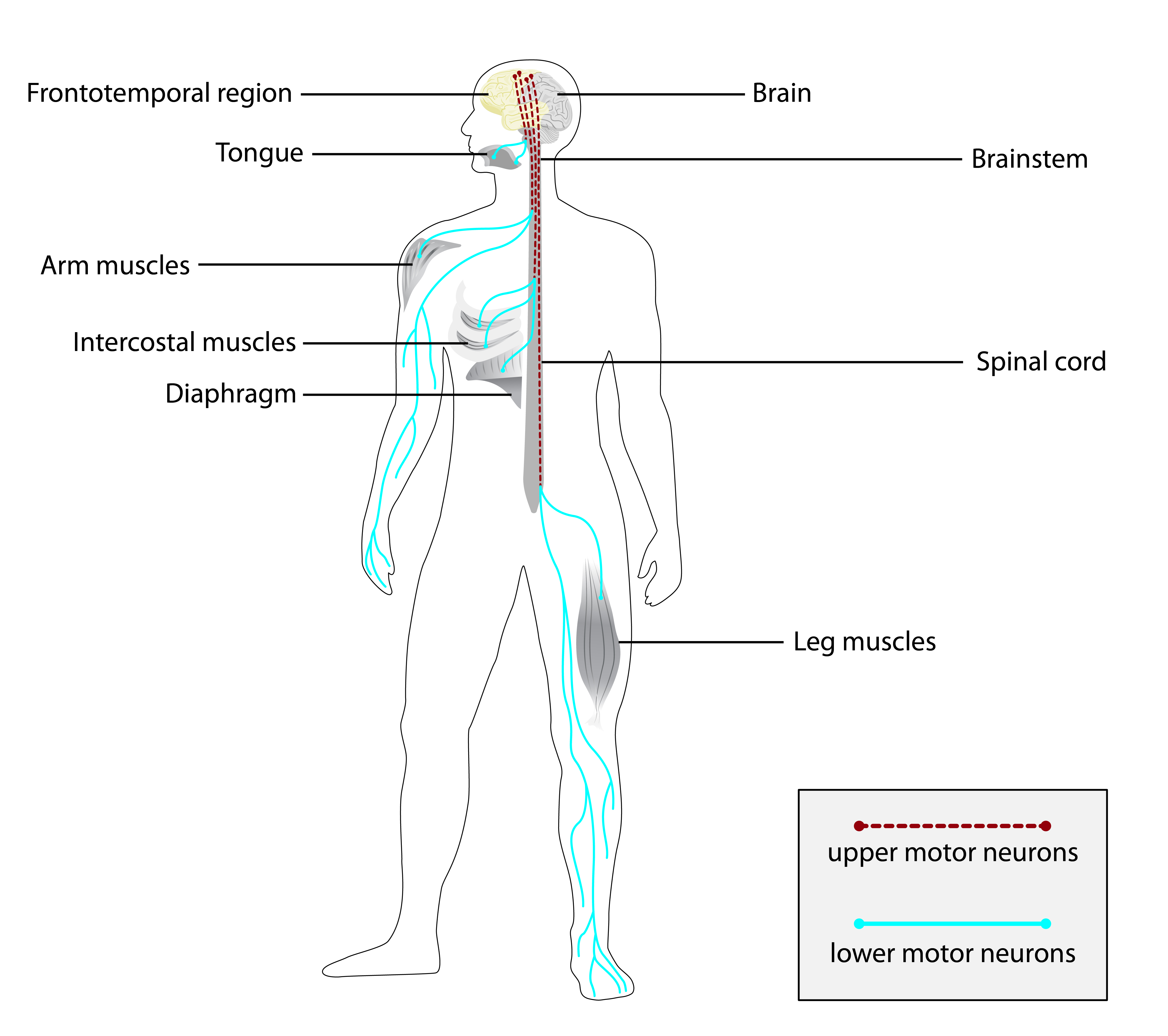
Upper vs. Lower Motor Neurons
The motor system is divided into two primary segments. Upper motor neurons are located in the brain and provide the instructions for movement. Lower motor neurons, found in the brainstem and spinal cord, receive these instructions and relay them to the muscles. ALS is distinct because it targets both. When these neurons perish, the muscles they control are no longer signaled to activate. This leads to a cascade of physical limitations, beginning with weakness or twitching and eventually resulting in muscle atrophy.
The Breakdown of Signal Transmission
As the disease progresses, the muscles begin to lose their bulk and tone. Because the nerves are no longer stimulating the muscles, the body enters a state of denervation. This is not a failure of the muscles themselves initially, but rather a failure of the “wiring” that keeps them operational. Over time, the muscles shrink, causing the characteristic frailty associated with late-stage diagnosis. Crucially, the sensory nerves—which control touch, sight, and hearing—typically remain intact, meaning patients remain mentally and perceptually sharp even as their physical autonomy declines.
Recognizing the Early Warning Signs and Diagnostic Challenges
The onset of ALS is notoriously subtle, making early detection a significant challenge for medical professionals. Because symptoms often mimic other, less severe neurological conditions, the path to a formal diagnosis can be lengthy and emotionally taxing.
Initial Physical Manifestations
Early symptoms vary widely depending on which group of muscles is affected first. Many patients experience “limb-onset” ALS, noticing difficulty with fine motor tasks such as buttoning a shirt, holding a pen, or tripping frequently while walking. Others experience “bulbar-onset” ALS, which affects the muscles involved in speech, swallowing, and chewing. These patients may notice their voice becoming slurred or find themselves choking on liquids, symptoms that are often mistaken for allergies or minor throat issues.
The Diagnostic Process: A Process of Elimination
There is no single “ALS test” that provides a definitive answer. Instead, neurologists utilize a process of elimination known as clinical evaluation. This involves a comprehensive review of the patient’s medical history, a detailed neurological exam, and a series of tests designed to rule out other conditions like multiple sclerosis, spinal cord tumors, or Lyme disease.
Common diagnostic tools include:
- Electromyography (EMG): A procedure that measures the electrical activity of muscles to detect abnormalities in nerve function.
- Nerve Conduction Studies (NCS): Used to measure the electrical signal speed of nerves.
- Magnetic Resonance Imaging (MRI): Often used to rule out structural issues in the brain or spine that could be mimicking ALS symptoms.
Management Strategies and Supporting Quality of Life

While there is currently no cure for ALS, the landscape of management has shifted significantly toward improving the quality of life and slowing the progression of symptoms. Multidisciplinary care teams—comprised of neurologists, physical therapists, speech-language pathologists, and respiratory therapists—are the standard of care for managing the complexity of the disease.
Medical and Pharmacological Interventions
Recent advancements in pharmacology have introduced medications designed to influence the pathways of disease progression. These drugs aim to inhibit the excitotoxicity that contributes to nerve damage. While they do not reverse the damage already done, they can extend the survival time of patients and provide a window for further interventions.
Therapeutic Support Systems
Therapy plays a dual role in ALS management. Physical therapy is not focused on “building” muscle—as the nerves cannot support growth—but rather on maintaining joint mobility and preventing the complications of immobility, such as pressure sores or joint contractures. Speech therapy, meanwhile, focuses on strategies for communication and safe swallowing techniques. As the disease advances, these professionals assist in the transition to assistive communication devices, such as eye-tracking software or speech synthesizers, which allow patients to maintain their voice and social presence.
The Role of Respiratory Care
The most critical aspect of long-term ALS management involves respiratory support. As the muscles of the diaphragm weaken, breathing becomes labored. Non-invasive ventilation, such as BiPAP (bilevel positive airway pressure) machines, can significantly improve sleep quality and daily energy levels during the middle stages of the disease. Proactive planning for respiratory needs allows patients and families to make informed decisions about comfort and care long before a crisis occurs.
The Future of ALS Research: Seeking a Breakthrough
Research into ALS has entered an unprecedented era of technological and scientific innovation. By utilizing high-throughput genetic sequencing and big data analytics, scientists are beginning to unravel the mysteries of both sporadic and familial forms of the disease.
Genetic Research and Biomarkers
Approximately 10% of ALS cases are familial, linked to specific genetic mutations such as C9orf72, SOD1, and FUS. By studying these genetic markers, researchers are creating targeted therapies that act like “molecular scalpels,” aiming to silence the mutated genes causing the damage. The discovery of biomarkers—biological indicators in blood or spinal fluid—is also gaining momentum, which may one day allow for earlier diagnosis and more efficient clinical trial monitoring.
Gene Therapy and Stem Cell Innovation
The horizon of ALS treatment is increasingly occupied by gene silencing technologies and stem cell research. These experimental approaches seek to either replace the damaged cells or provide a protective environment for existing neurons to slow the degenerative process. While these treatments are largely currently restricted to clinical trial settings, they represent a significant shift from reactive care to proactive, curative science.
Living with ALS: The Human Perspective
Beyond the clinical metrics and biological pathways, ALS is a deeply human experience. The psychological impact of living with a progressive illness is profound, necessitating robust support systems for both the patient and their caregivers.
Coping and Mental Health
The preservation of cognitive function means that patients are fully aware of their physical decline. Consequently, mental health support is just as vital as physical care. Support groups, counseling, and peer networks provide a necessary outlet for the emotional challenges of the disease. Maintaining a sense of identity and purpose—whether through art, writing, or technology—remains a pillar of the holistic approach to ALS.
Advancements in Assistive Technology
Technology is arguably the most powerful tool in the arsenal against the isolation of ALS. Assistive technologies, including brain-computer interfaces (BCIs), are being developed to allow patients to control computers, wheelchairs, and home automation systems through neural activity alone. These innovations restore a measure of independence that was once considered impossible, proving that while the body may be restricted, the human spirit continues to find pathways to connect, contribute, and communicate. As research continues to advance, the goal remains clear: to transition ALS from a terminal diagnosis to a manageable condition, and eventually, to a memory of the past.
aViewFromTheCave is a participant in the Amazon Services LLC Associates Program, an affiliate advertising program designed to provide a means for sites to earn advertising fees by advertising and linking to Amazon.com. Amazon, the Amazon logo, AmazonSupply, and the AmazonSupply logo are trademarks of Amazon.com, Inc. or its affiliates. As an Amazon Associate we earn affiliate commissions from qualifying purchases.