
The discovery of stolen mail can trigger a wave of anxiety, and rightly so. Far from being a mere inconvenience, missing mail often signifies a direct threat to your personal finance and financial security. In an era where even physical documents can unlock a treasure trove of sensitive financial information, understanding the immediate and long-term financial actions to take is paramount. This guide focuses exclusively on navigating the financial implications and safeguarding your monetary well-being when your mail is compromised.
Stolen mail is not just about missing letters; it’s a potential gateway for identity thieves to access your bank statements, credit card offers, tax documents, investment reports, or even checks. The consequences can range from minor financial inconvenience to severe identity theft, leading to fraudulent accounts opened in your name, drained bank accounts, damaged credit scores, and complex financial recovery processes. Recognizing the gravity of this situation and acting swiftly, with a focus on your financial assets, is the first line of defense.
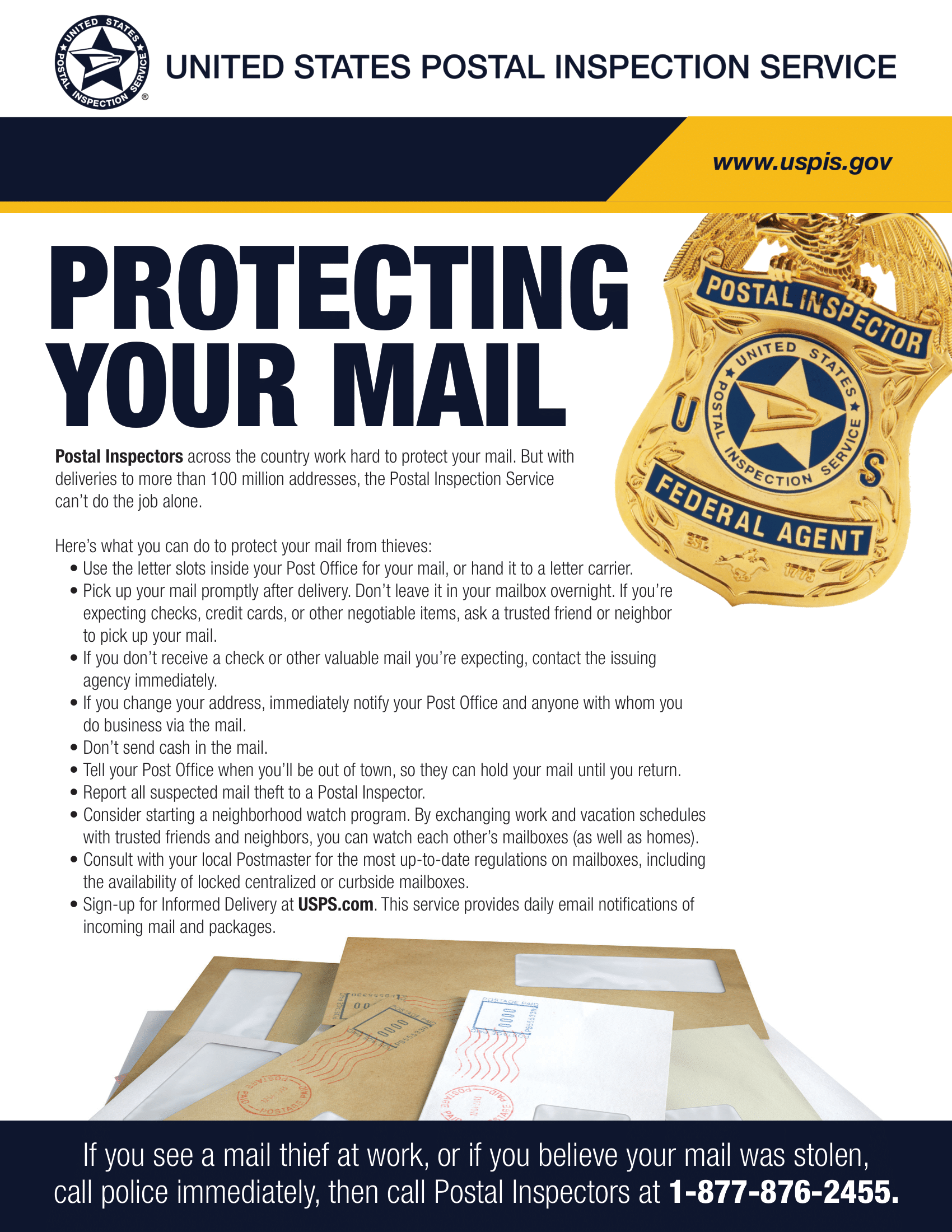
The Immediate Financial Fallout and First Steps
The moment you suspect or confirm your mail has been stolen, your priority must shift to protecting your financial assets and credit. Hesitation can grant thieves valuable time to exploit any financial information they’ve acquired.
Assessing the Damage: What Financial Information Was Compromised?
Begin by trying to determine what specific pieces of mail might have been taken. Did you expect a new credit card, a bank statement, tax forms (W-2s, 1099s), investment portfolio updates, or checks? Even seemingly innocuous mail, like utility bills, can contain enough information (name, address, account numbers) to help build a profile for financial fraud.
If you suspect checks were stolen, immediately review your bank account activity for any suspicious transactions or attempts to cash fraudulent checks. If it was a credit card, check your online account for recent activity. If tax documents are gone, understand the severe risk of tax fraud, where thieves file false returns to claim refunds in your name. The clearer your picture of the potential breach, the more targeted your subsequent financial actions can be. This initial assessment directly informs the urgency and scope of your response, helping you prioritize which financial institutions to contact first.
Contacting Financial Institutions and Creditors
This is a critical, immediate step. If you believe bank statements, credit card information, or checks were stolen:
-
Banks and Credit Card Companies: Contact them immediately. Report the mail theft and ask them to flag your accounts for unusual activity. They may advise you to change account numbers, cancel credit cards and issue new ones, or place additional security measures on your accounts. Be prepared to provide details about the missing mail and when you last received a particular statement or card.
-
Investment Firms: If brokerage statements or retirement account information was compromised, alert your investment providers. They can advise on securing these accounts, which often hold significant financial value.
-
Lenders: If loan statements (mortgage, auto, personal loans) were stolen, notify these lenders as well. While direct financial access might be harder for thieves through these documents, the personal information contained can still aid identity theft.
-
Utility Companies: Though not directly financial institutions, utility bills contain personal data. Inform them, as identity thieves sometimes open new utility accounts in victims’ names.
Document every call: date, time, person you spoke with, and a summary of the conversation and any actions taken. This record is invaluable for future reference or if further financial complications arise.
Filing a Police Report and its Financial Implications
While a police report might not immediately recover your stolen mail, it is an essential financial and legal step, particularly if identity theft or significant financial fraud ensues.
-
Proof of Crime: A police report provides official documentation that a crime occurred. This can be crucial when disputing fraudulent charges with credit card companies, banks, or insurance providers. Many financial institutions require a police report number before they will fully investigate or absolve you of responsibility for fraudulent activity.
-
Legal Recourse: It establishes a record should you need to pursue legal action or seek compensation for financial losses.
-
Identity Theft Claims: If your mail theft leads to full-blown identity theft, a police report is often a prerequisite for filing an Identity Theft Report with the Federal Trade Commission (FTC) in the U.S., which offers additional rights and support for victims.
When filing, provide as much detail as possible about the stolen mail and any financial implications you anticipate. Get a copy of the report for your records. This report serves as a foundational piece of evidence in your financial recovery toolkit.
Protecting Your Financial Identity and Credit Score
The information gleaned from stolen mail can be used to open new lines of credit, take out loans, or make unauthorized purchases. Protecting your financial identity and proactively monitoring your credit score are critical to mitigating long-term damage.
Placing Fraud Alerts and Credit Freezes
These are two of the most powerful financial tools at your disposal to prevent identity thieves from opening new accounts in your name:
-
Fraud Alerts: A fraud alert notifies businesses that check your credit that you might be a victim of identity theft. When you or someone else applies for credit in your name, the business must take reasonable steps to verify your identity. You only need to contact one of the three major credit bureaus (Equifax, Experian, TransUnion) to place an initial 1-year fraud alert; that bureau is legally required to inform the other two. This alert is free and can be renewed. It’s a good first line of defense that won’t hinder your own credit applications too much.
-
Credit Freezes (Security Freezes): A credit freeze locks down your credit report, making it impossible for anyone, including you, to open new credit accounts until you “thaw” or “unfreeze” it. This is the most robust protection against new account fraud. You must contact each of the three credit bureaus individually to place a freeze. It is also free to place and lift a freeze. While more restrictive than an alert, it’s highly effective. If you plan to apply for new credit, you’ll need to temporarily lift the freeze, which can typically be done online or by phone within minutes.
Understanding the difference and deploying these tools judiciously can save you from significant financial headaches. Given that mail theft is a direct precursor to identity theft, a credit freeze is highly recommended.
Monitoring Your Financial Accounts and Credit Reports
Vigilance is key to detecting fraudulent activity early.
-
Financial Accounts: Scrutinize all your financial statements – checking, savings, credit cards, investment accounts – as soon as they become available. Look for any unfamiliar transactions, even small ones. Small, unauthorized charges can be “test” transactions by thieves to see if an account is active before making larger purchases. If you typically receive paper statements, switch to electronic statements temporarily or permanently to reduce risk, ensuring you have strong passwords and multi-factor authentication on your online accounts.
-
Credit Reports: You are entitled to one free credit report from each of the three major credit bureaus annually via AnnualCreditReport.com. In the wake of mail theft, it’s wise to pull these reports immediately and review them meticulously for any accounts you don’t recognize, inquiries you didn’t authorize, or incorrect personal information. Regularly spaced pulls (e.g., one every four months from a different bureau) can provide ongoing oversight. Any discrepancies should be disputed immediately.
-
Credit Monitoring Services: Consider subscribing to a credit monitoring service. While some come with a fee, many banks and credit card companies offer free versions to their customers. These services alert you to significant changes on your credit report, such as new accounts being opened, hard inquiries, or changes in public records, providing an early warning system for potential financial fraud.

Understanding the Impact on Your Personal Finance
Stolen mail and subsequent identity theft can have profound and lasting effects on your personal finance:
-
Direct Financial Loss: Unauthorized charges on credit cards, drained bank accounts, or stolen tax refunds represent direct monetary losses.
-
Damaged Credit Score: Fraudulent accounts, late payments associated with them, or excessive inquiries can significantly lower your credit score, impacting your ability to get loans, mortgages, or even certain jobs at favorable rates.
-
Time and Effort: The process of resolving identity theft and financial fraud is incredibly time-consuming and stressful, often diverting time from productive financial management or earning income.
-
Emotional Toll: The violation of financial security can cause significant emotional distress, leading to anxieties about future financial stability.
Recognizing these potential impacts underscores the importance of a swift and thorough financial response.
Recovering from Financial Fraud and Identity Theft
Should the mail theft escalate into full-blown financial fraud or identity theft, a structured approach to recovery is essential to minimize your losses and restore your financial standing.
Disputing Fraudulent Charges and Accounts
This is a multi-pronged process:
-
Credit Card Fraud: If unauthorized charges appear on your credit card, contact the card issuer immediately. Under federal law (Fair Credit Billing Act), your liability for unauthorized credit card use is generally limited to $50, and many issuers have zero-liability policies, provided you report the fraud promptly. They will investigate and usually reverse the charges.
-
Debit Card and Bank Account Fraud: For unauthorized debit card transactions or withdrawals from your bank account, report them to your bank as soon as possible. The Electronic Fund Transfer Act offers varying levels of protection depending on how quickly you report the fraud. Reporting within two business days limits your liability to $50, but delays can increase it significantly.
-
New Accounts in Your Name: If you discover entirely new accounts opened fraudulently, you must dispute them directly with the financial institution that opened the account. Provide them with your police report and FTC Identity Theft Report (if applicable). They are legally required to investigate.
Keep meticulous records of all communication, case numbers, and documentation. This evidence will be vital as you navigate the recovery process.
Working with Credit Bureaus to Correct Errors
Once you’ve disputed fraudulent accounts with the financial institutions, you must also work with the credit bureaus to remove them from your credit report.
-
Notify All Three Bureaus: Even if you placed a fraud alert with one, directly inform all three major credit bureaus (Equifax, Experian, TransUnion) about any fraudulent accounts or inquiries on your report.
-
Provide Documentation: Submit copies of your police report, FTC Identity Theft Report, and any correspondence from the fraudulent financial institutions confirming the fraud. Clearly identify which accounts are fraudulent and request their removal.
-
Monitor for Resolution: Follow up regularly to ensure these errors are corrected. It can take time, and persistence is often required. Incorrect information on your credit report can severely hinder your ability to obtain loans, mortgages, or even rent an apartment, so diligently working to clear these records is a direct investment in your financial future.
The Role of Financial Tools in Recovery
Beyond credit freezes and monitoring, several financial tools can aid in recovery:
-
Identity Theft Insurance: Some homeowner’s or renter’s insurance policies, or standalone identity theft protection plans, offer coverage for expenses related to identity theft recovery, such as legal fees, lost wages from time spent resolving issues, and even direct financial losses not covered by banks. Review your existing policies or consider acquiring one.
-
Budgeting and Financial Planning Software: These tools can help you track all your financial accounts in one place, making it easier to spot discrepancies. They can also help you re-establish your financial footing by managing your budget carefully during a potentially challenging recovery period.
-
Secure Document Storage: Once issues are resolved, using secure digital platforms for financial documents, protected by strong passwords and multi-factor authentication, can minimize the risk of future physical mail theft containing sensitive data.
Long-Term Financial Security and Proactive Measures
Once the immediate crisis subsides, adopting long-term habits to protect your financial information from mail theft and other forms of identity fraud is crucial.
Implementing Advanced Personal Finance Safeguards
Moving forward, integrate robust practices into your financial routine:
-
Shred Sensitive Documents: Never throw away mail containing personal or financial information without shredding it first. Invest in a cross-cut shredder that makes documents unreadable. This includes bank statements, credit card offers, bills, and any document with your name, address, or account numbers.
-
Go Paperless: Whenever possible, opt for electronic statements and bills. This significantly reduces the amount of sensitive financial information traveling through the mail system. Ensure your online accounts are secured with strong, unique passwords and multi-factor authentication.
-
Secure Mailboxes: If you live in an area with a high risk of mail theft, consider a locking mailbox. For businesses, ensure mail is retrieved promptly and securely handled. Another option is renting a P.O. Box or a private mailbox service for important financial correspondence.
Regularly Reviewing Financial Statements and Credit Scores
Proactive monitoring is your best defense against recurring issues:
-
Monthly Review: Make it a habit to review all bank and credit card statements as soon as they become available. Reconcile your spending and look for anything out of the ordinary.
-
Annual Credit Report Check: Continue to pull your free credit reports annually from AnnualCreditReport.com. Stagger these reports throughout the year (e.g., Experian in January, Equifax in May, TransUnion in September) to maintain continuous oversight.
-
Utilize Free Credit Score Services: Many banks, credit card companies, and online platforms offer free access to your credit score. While not full credit reports, significant drops or changes can signal potential problems.
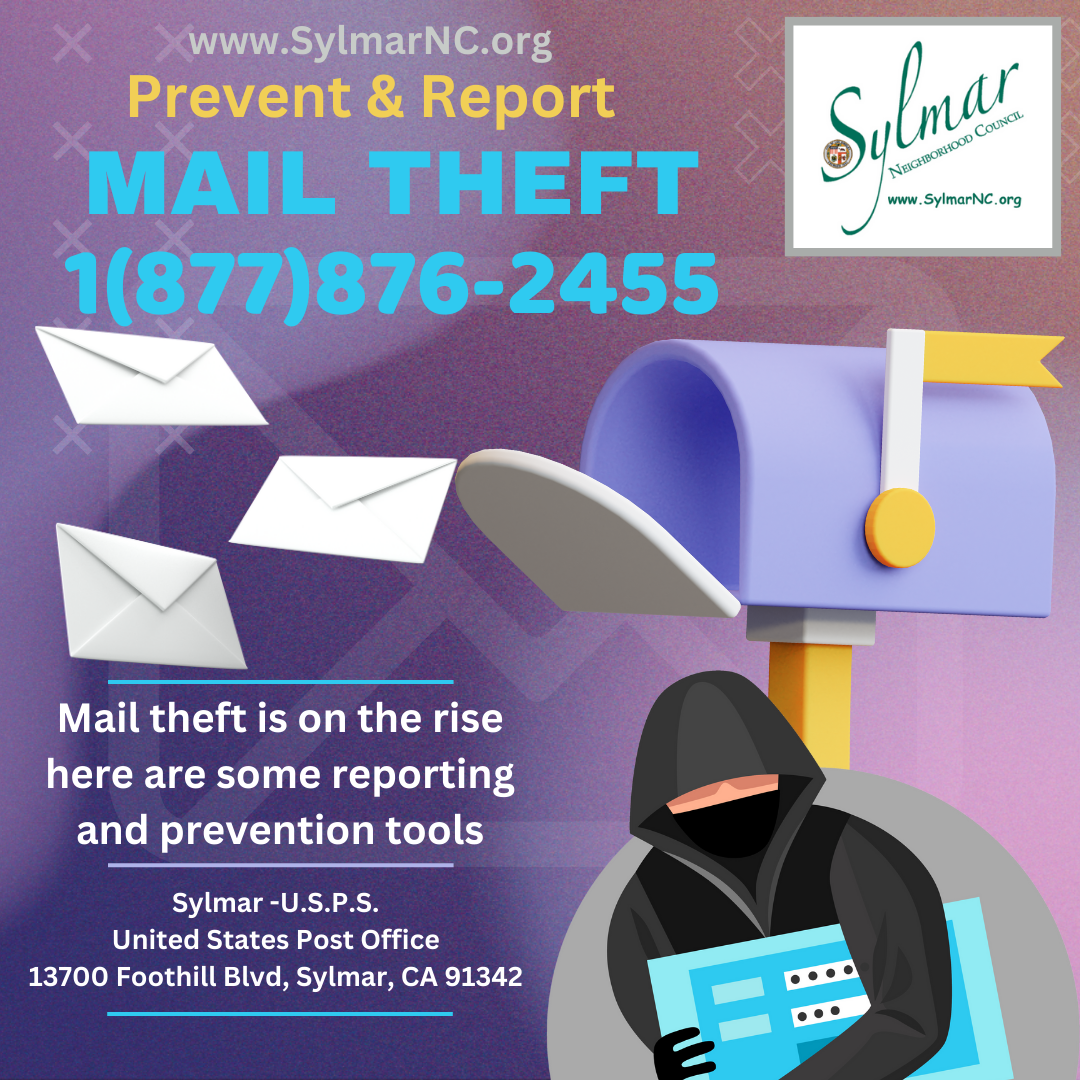
Utilizing Secure Mail Practices for Businesses and Individuals
Beyond personal finance, businesses also face significant financial risks from mail theft, particularly those dealing with sensitive client data, checks, or invoices.
-
For Individuals:
-
Don’t Let Mail Sit: Empty your mailbox daily, especially if you won’t be home for an extended period, ask a trusted neighbor or the post office to hold your mail.
-
Mail Sensitive Outgoing Mail Securely: Don’t leave outgoing checks or sensitive documents in an unsecured mailbox. Take them directly to a post office or a secure postal collection box.
-
Be Wary of “Phishing” Mail: Some thieves send official-looking but fake mail (e.g., utility bills) to trick you into revealing financial information.
-
-
For Businesses:
-
Locking Mailboxes/Mail Rooms: Implement secure mailboxes or dedicated, locked mail rooms where incoming mail is safely stored until distribution.
-
Prompt Mail Handling: Designate staff to retrieve mail daily and ensure it’s processed and distributed quickly. Don’t let invoices, checks, or sensitive business financial documents sit unattended.
-
Secure Outgoing Mail: Use secure methods for mailing outgoing checks or financial documents, such as certified mail or direct drop-off at a post office.
-
Employee Training: Train employees on the risks of mail theft and best practices for handling sensitive company financial information.
-
Stolen mail is a serious financial threat that demands an immediate, informed, and sustained response. By understanding the direct financial implications, acting decisively to protect your accounts and credit, diligently working through recovery, and adopting long-term financial security measures, you can significantly reduce the risk and impact of this unsettling experience on your monetary well-being. Your proactive engagement in safeguarding your personal finance is your most valuable asset against identity theft.
aViewFromTheCave is a participant in the Amazon Services LLC Associates Program, an affiliate advertising program designed to provide a means for sites to earn advertising fees by advertising and linking to Amazon.com. Amazon, the Amazon logo, AmazonSupply, and the AmazonSupply logo are trademarks of Amazon.com, Inc. or its affiliates. As an Amazon Associate we earn affiliate commissions from qualifying purchases.