
In the rapidly evolving landscape of digital communication, slang often serves as a shorthand for complex social behaviors. The term “perv,” a clipping of the word “pervert,” has transitioned from a colloquial insult to a significant keyword in the realms of digital security, content moderation, and child safety online. For technology professionals, platform developers, and digital safety advocates, understanding the nuances of this term is not merely about linguistics; it is about building robust systems that can distinguish between harmless banter, linguistic evolution, and predatory behavior.
As we navigate the complexities of Web 3.0 and the increasing integration of artificial intelligence in our daily interactions, the context behind such terms becomes a focal point for algorithmic training and community guidelines. This article explores the technological infrastructure required to manage sensitive terminology, the evolution of digital safety protocols, and the ethical considerations of pervasive monitoring in the modern age.
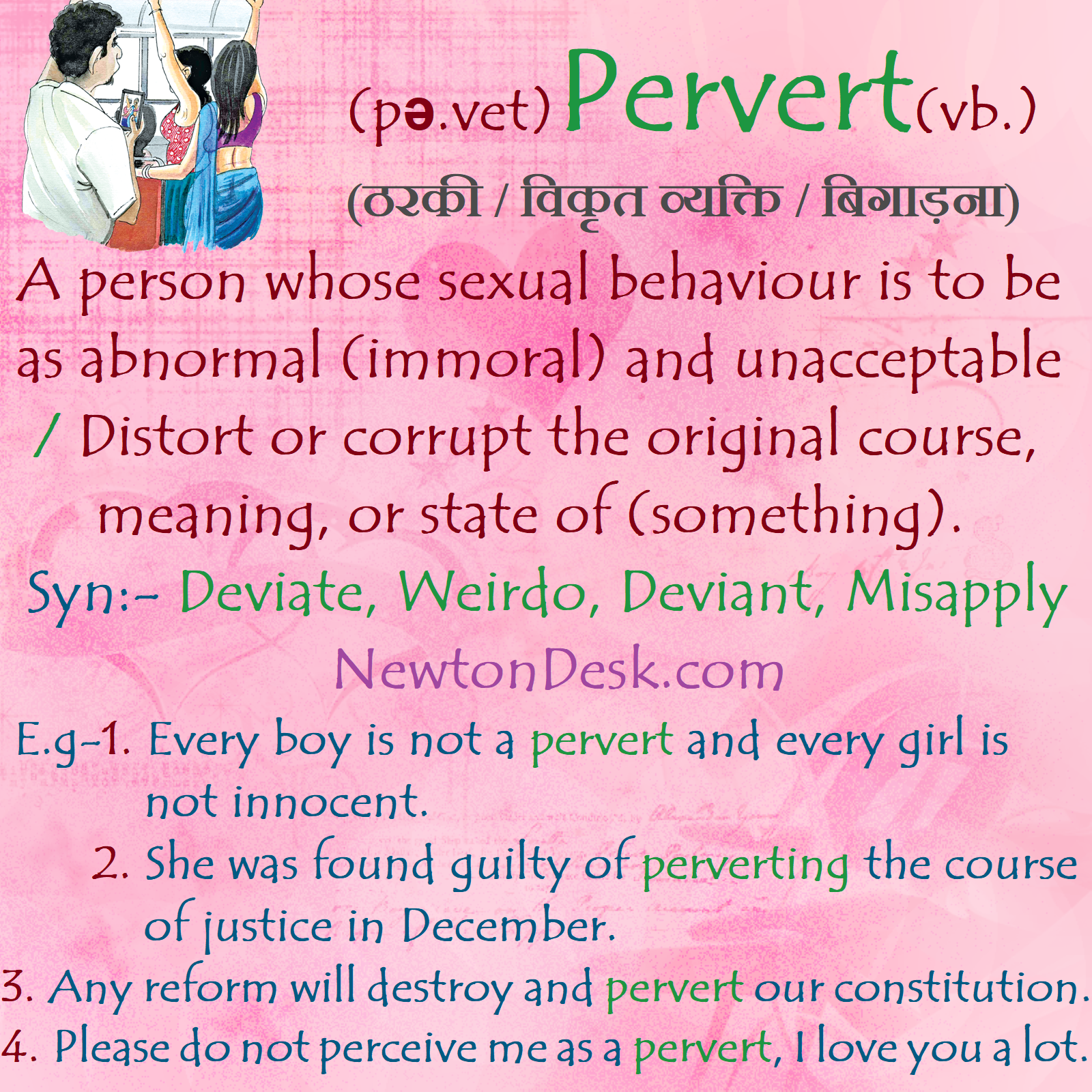
The Etymology and Digital Evolution of the Term
To understand the technological implications of the term “perv,” one must first examine its transition into the digital sphere. While the root word has existed for centuries, its shorthand version has become a “red flag” within the metadata of social media platforms and messaging apps.
From Slang to Security Flag
In the early days of the internet—the era of IRC chats and basic forums—moderation was largely manual. Keywords were added to “blacklists” to prevent harassment. The term “perv” was among the first wave of words targeted by basic filtering software. However, the tech industry quickly realized that a “hard block” on specific words was inefficient. Language is fluid; users began using leetspeak (e.g., “p3rv”) or intentional misspellings to bypass filters.
Today, the term is treated as a high-priority signal in trust and safety (T&S) workflows. When a user is labeled or labels themselves with this term, it triggers a chain of automated responses. In a tech context, the word serves as a behavioral marker. Security protocols now look for the term not just as a standalone string of characters, but as part of a “grooming” pattern or a violation of harassment policies.
The Semantic Shift in the Age of Social Media
The meaning of “perv” has also experienced a semantic shift in digital subcultures. In some tech-centric communities, it is used ironically or as a self-deprecating comment regarding a niche obsession (e.g., “a design perv” or “a code perv”). This creates a massive challenge for Natural Language Processing (NLP) engines.
A professional digital environment must distinguish between a user expressing a deep, obsessive interest in high-fidelity audio equipment and a user engaging in predatory behavior. This shift has forced developers to move away from static word lists toward dynamic, context-aware AI models that can interpret intent rather than just syntax.
Technological Implementation: How Platforms Identify and Filter Harmful Content
The “back-end” of how a platform handles the word “perv” involves a sophisticated stack of technologies. It is no longer about simple keyword matching; it is about behavioral analytics and machine learning.
Natural Language Processing (NLP) and Sentiment Analysis
Modern content moderation relies heavily on NLP. When a comment containing the term “perv” is posted, the system performs sentiment analysis to determine the emotional weight of the sentence.
-
Tokenization: The system breaks the sentence into individual components.
-
Contextual Embedding: The AI looks at the surrounding words. Is it “You are a perv” (likely harassment) or “I’m such a perv for new tech gadgets” (enthusiasm)?
-
Vectorization: The words are converted into numerical values that represent their meaning in a multi-dimensional space. Words used in a harmful context will cluster differently than those used in a joking or benign context.
This technology allows platforms to reduce “friction” for regular users while maintaining a high shield against genuine toxicity.
The Role of AI in Pattern Recognition
Beyond the word itself, tech companies use pattern recognition to monitor the behavior associated with certain keywords. For instance, if a user frequently uses the term in private messages to minors, the AI doesn’t just flag the word; it flags the metadata—time of day, frequency of messages, and the age gap between users.
This is where “perv” moves from a slang term to a data point in a sophisticated risk assessment matrix. Developers create “heuristics”—rules of thumb—that help the AI decide whether to shadow-ban a post, send it to a human moderator, or issue an automatic warning to the user.

Digital Privacy and the Ethical Implications of Pervasive Monitoring
As we develop more advanced tools to catch “pervs” and other bad actors, we run into the “privacy-security paradox.” To identify harmful language, platforms must monitor private communications, which raises significant ethical questions regarding digital surveillance.
Balancing User Safety with Personal Privacy
The tech industry is currently divided over End-to-End Encryption (E2EE). While E2EE protects user privacy from hackers and government overreach, it also hides the use of predatory language from platform moderators.
Companies like Meta and Apple have explored “Client-Side Scanning” (CSS). This technology would scan images and text on a user’s device before they are encrypted and sent. Critics argue that this creates a “backdoor” that could be exploited. From a tech standpoint, the challenge is: How do we identify a “perv” without becoming a “Big Brother” that monitors every innocent interaction?
The Risk of “False Positives” in Algorithmic Moderation
One of the greatest technical hurdles is the “false positive.” If an AI is too aggressive in flagging the term “perv,” it can stifle legitimate speech or unfairly penalize users. This is particularly problematic in marginalized communities or subcultures where slang is used differently.
For developers, the goal is to reach a state of “High Precision, High Recall.”
-
Precision: Of all the times the system flagged the term, how many were actually harmful?
-
Recall: Of all the harmful instances that occurred, how many did the system catch?
Improving these metrics requires massive datasets and continuous human-in-the-loop (HITL) training, where human moderators review flagged content to “teach” the AI about nuance.
Safeguarding the Future: Best Practices for Digital Security
As we look toward the future of the internet—including the Metaverse and immersive VR environments—the definition and detection of predatory behavior (often summarized by the slang “perv”) will require even more advanced technological interventions.
Building Resilient Communities through Education
Technology alone cannot solve the problem of online harassment. A holistic approach involves “Safety by Design.” This means building interfaces that empower users to protect themselves.
-
Granular Blocking Tools: Allowing users to block specific keywords (like “perv”) from their own feeds.
-
Intervention UI: When a user types a word flagged as potentially harmful, the app can provide a “nudging” notification: “Are you sure you want to send this? It may violate community guidelines.”
-
Transparency Reports: Tech companies are increasingly expected to publish data on how many accounts were banned for predatory behavior, providing a “scorecard” for their moderation tech.
The Future of Proactive Content Moderation
We are moving away from reactive moderation (waiting for a report) toward proactive moderation. Future AI models will likely use multi-modal detection—analyzing text, voice tonality, and even “digital body language” in virtual spaces to identify “pervs” and harassers before they can cause harm.
In the realm of “Pervasive Computing,” where smart devices are everywhere, the ethical stakes are even higher. The industry must ensure that the tools used to catch bad actors are transparent, auditable, and subject to democratic oversight.

Conclusion
The question “what does perv mean” may seem simple on the surface, but in the context of modern technology, it opens a window into the complex world of digital ethics, AI development, and online safety. What began as a four-letter slang word is now a focal point for NLP researchers, privacy advocates, and security engineers.
As we continue to build the digital infrastructure of the future, our ability to define, detect, and contextually understand such terms will determine the safety and inclusivity of the internet. The goal for the tech industry is clear: to create environments where technology serves as a shield against the predatory, while simultaneously protecting the fundamental right to private, unmonitored human expression. By leveraging advanced AI and maintaining a commitment to ethical design, we can ensure that the digital world remains a space for innovation rather than harassment.
aViewFromTheCave is a participant in the Amazon Services LLC Associates Program, an affiliate advertising program designed to provide a means for sites to earn advertising fees by advertising and linking to Amazon.com. Amazon, the Amazon logo, AmazonSupply, and the AmazonSupply logo are trademarks of Amazon.com, Inc. or its affiliates. As an Amazon Associate we earn affiliate commissions from qualifying purchases.