
In an increasingly digitized world, subscription services have become an integral part of our daily lives, and few are as ubiquitous and multifaceted as Amazon Prime. Beyond its widely recognized expedited shipping, Prime bundles an extensive array of benefits that touch upon entertainment, shopping, and convenience. For many, the question isn’t just “what is Amazon Prime membership fee?” but rather, “what financial value does it truly offer?” Understanding the cost is the first step towards a comprehensive financial assessment of whether this pervasive service aligns with your personal budgeting and spending habits. This article delves into the various facets of the Amazon Prime membership fee, analyzing its structure, the financial implications of its benefits, and how consumers can critically evaluate its worth as a recurring expenditure.

Deconstructing the Amazon Prime Membership Fee: A Financial Overview
At its core, Amazon Prime is a premium subscription service designed to enhance the Amazon shopping experience while offering a suite of supplementary digital services. The membership fee is the gateway to this ecosystem, and its structure is designed to offer flexibility, albeit with varying cost efficiencies depending on the chosen payment plan. Understanding these financial tiers is crucial for any consumer performing a cost-benefit analysis.
Current Pricing Tiers: Annual vs. Monthly Breakdown
As of recent updates, the standard Amazon Prime membership is primarily offered through two payment structures: monthly and annual. Each comes with its own financial implications.
- Annual Membership: The most common and generally most cost-effective option for consistent users. Paying for an entire year upfront typically results in a lower average monthly cost compared to paying month-to-month. This approach suits individuals or households who are confident in their long-term usage and can comfortably allocate the lump sum in their budget. The financial benefit here is akin to a bulk discount – you save money by committing for a longer period. For instance, if the annual fee is $139, this breaks down to approximately $11.58 per month. This upfront investment locks in the price for a year, shielding you from potential short-term monthly price increases.
- Monthly Membership: This option provides greater flexibility, allowing members to subscribe and unsubscribe as needed without a long-term commitment. Priced higher on a per-month basis (e.g., $14.99 per month), it can be beneficial for those who only require Prime services for specific periods, such as during holiday shopping seasons or for a limited time to binge-watch a particular series. While more expensive over a full year (totaling nearly $180 annually at the $14.99 rate), it allows for better cash flow management and avoids tying up a larger sum of money for an extended period if usage is intermittent. It’s a premium for flexibility, a common trade-off in many financial services.
Deciding between annual and monthly largely depends on your predicted usage and cash flow. If you anticipate using Prime services for at least 9-10 months out of the year, the annual subscription almost always offers a superior return on investment.
Understanding the Prime Value Proposition Beyond the Price Tag
The direct fee is only one side of the coin. The true financial assessment of Amazon Prime lies in evaluating the cumulative value of its diverse benefits. These benefits, when quantified, often justify the subscription cost for frequent users. The core proposition isn’t merely about paying for a service, but investing in a suite of conveniences and entertainment options that could otherwise incur separate, often higher, costs.
For example, the immediate benefit of free two-day (or faster) shipping on eligible items can quickly offset the membership fee. If you frequently order items online and would otherwise pay for standard shipping, the savings accumulate. Consider an average shipping cost of $5 per order; just 28 orders per year would effectively cover an annual $139 membership fee through shipping savings alone. For many consumers, especially those without easy access to physical stores or who value doorstep delivery convenience, this saving can be substantial.
Beyond shipping, Prime Video, Prime Music, Prime Reading, and exclusive deals at Whole Foods Market all add layers of financial value. Each of these services, if subscribed to individually from other providers, would represent significant monthly expenses. For instance, Prime Video offers a vast library of movies and TV shows, potentially negating the need for separate streaming subscriptions like Netflix or Hulu for some users. Similarly, Prime Music could substitute for other music streaming services. The true financial value here is in the consolidation of services and the potential to reduce or eliminate other entertainment expenditures.
Maximizing Your Investment: Financial Benefits and Savings Opportunities
Amazon Prime is not just a fee; it’s an investment in a lifestyle of convenience and entertainment. From a financial perspective, understanding how to leverage its myriad benefits is key to ensuring you get the most out of your membership fee. It’s about recognizing direct savings and understanding the indirect value of included services.
The Tangible Savings: Free Shipping and Exclusive Discounts
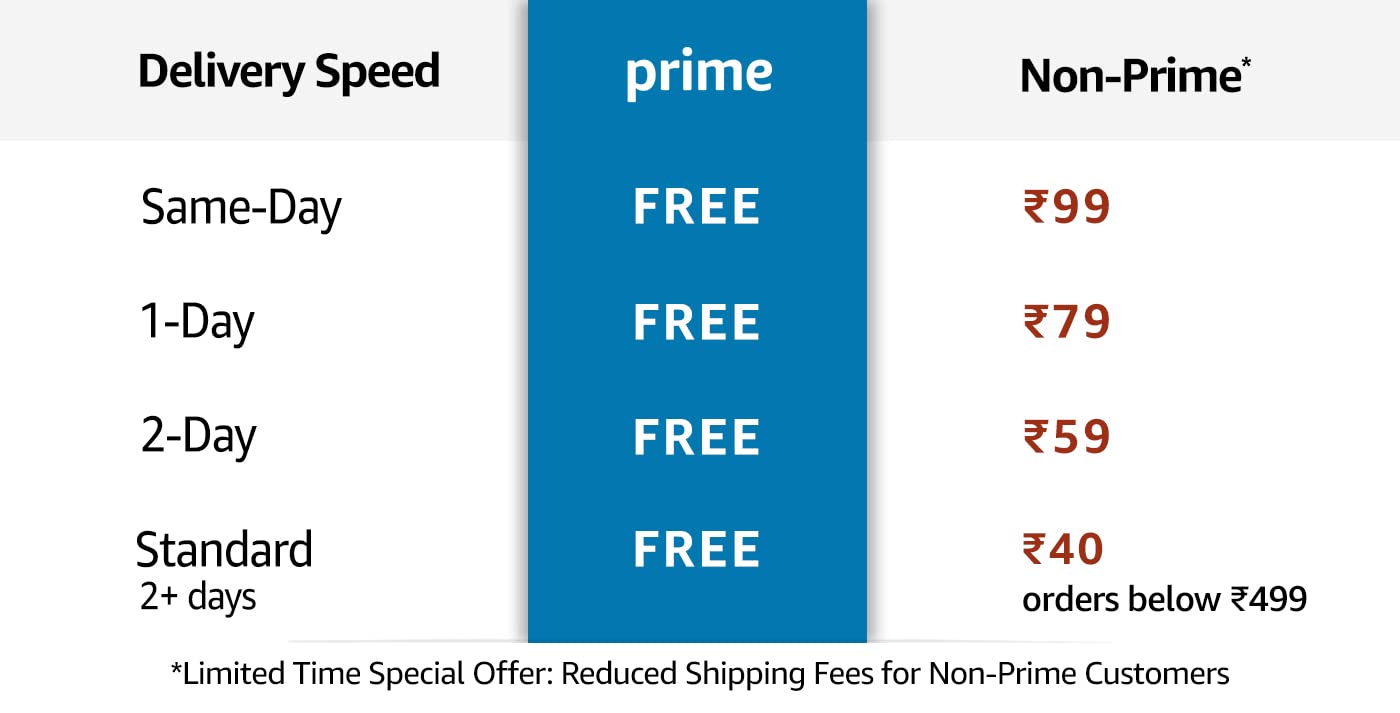
The most immediate and quantifiable financial benefit of Prime is undoubtedly its expedited shipping. For consumers who regularly shop on Amazon, the elimination of shipping fees can lead to substantial annual savings. Consider the scenario where you might make 30-50 purchases a year. Even if each standard shipping fee were a modest $5, that’s $150-$250 in potential savings, already surpassing the annual Prime membership cost. This free shipping extends to various speeds, including same-day, one-day, and two-day delivery on eligible items, providing not just cost savings but also value in terms of time and convenience – factors that, while harder to put a dollar amount on, significantly enhance the overall shopping experience.
Furthermore, Prime members gain access to exclusive deals and discounts, particularly during major sales events like Prime Day. These curated sales can offer significant savings on electronics, home goods, apparel, and more. For budget-conscious shoppers, strategic purchasing during these periods can lead to considerable financial advantages, especially for big-ticket items. There are also smaller, ongoing Prime-exclusive deals that pop up throughout the year, rewarding members with lower prices on everyday essentials. For groceries, Prime members enjoy exclusive savings and discounts at Whole Foods Market, alongside free 2-hour grocery delivery in select areas. This specific benefit can translate into tangible savings on weekly grocery bills, directly impacting a household’s largest variable expense.
Hidden Financial Perks: Digital Entertainment and Lifestyle Advantages
Beyond shipping and direct shopping discounts, Prime membership bundles an impressive suite of digital services that, if purchased separately, would accrue significant costs.
- Prime Video: A streaming service offering thousands of movies, TV shows, and Amazon Originals. Subscribing to a comparable standalone streaming service often costs $10-$15 per month. For a Prime member, this entire library is included, representing potential annual savings of $120-$180.
- Amazon Music Prime: Access to millions of songs and thousands of stations and playlists ad-free. While not as extensive as the premium Amazon Music Unlimited, it can serve as a viable alternative to other paid music streaming services for many users, which typically cost around $10 per month.
- Prime Reading & Amazon First Reads: Access to a rotating selection of ebooks, magazines, and comics. Additionally, First Reads allows members to choose one free Kindle book from a selection of editor’s picks each month. For avid readers, this can represent substantial savings on book purchases over a year.
- Amazon Photos: Unlimited full-resolution photo storage, plus 5 GB for video. Cloud storage services often charge monthly fees for comparable storage capacities, making this a valuable, often overlooked, benefit for those who cherish their digital memories.
- Prime Gaming: Free games, a free monthly Twitch channel subscription, and exclusive in-game content. For gamers, this can mean savings on game purchases and added value in their gaming experience.
These “hidden” perks contribute significantly to the overall financial value of a Prime membership, transforming it from merely a shipping service into a comprehensive digital lifestyle package that can help consolidate or even eliminate other monthly subscription expenses.
Special Programs: Reduced Rates for Qualified Individuals
Amazon acknowledges that not all consumers have the same financial capacity, and it offers discounted Prime memberships to certain qualified individuals, making the service more accessible and financially viable for a broader demographic.
- Student Prime: Eligible college students can sign up for a significantly discounted Prime membership. This student discount not only makes the service more affordable but also comes with an extended free trial period (typically six months). This reduced rate recognizes the financial constraints often faced by students while providing them with essential benefits like expedited shipping for textbooks and supplies, and entertainment options during study breaks.
- EBT and Medicaid Holders: Individuals receiving qualifying government assistance (e.g., EBT, Medicaid) are also eligible for a discounted monthly Prime membership. This initiative underscores Amazon’s effort to provide access to its services, including crucial grocery delivery options, to financially vulnerable populations at a more affordable rate.
These special programs are vital for enhancing the financial inclusivity of Prime. They represent a significant saving compared to the standard membership fees, ensuring that the benefits of Amazon Prime are not exclusively for those with higher disposable incomes, thereby broadening its reach and impact.
Is Amazon Prime a Smart Financial Decision for You?
Determining whether an Amazon Prime membership is a financially sound choice requires a thoughtful personal assessment. It’s not a one-size-fits-all answer, as its value heavily depends on individual spending habits, lifestyle, and how actively one utilizes its extensive suite of benefits.
Performing a Personal Cost-Benefit Analysis
The cornerstone of any good financial decision is a robust cost-benefit analysis. For Amazon Prime, this involves itemizing both the explicit costs and the perceived or actual financial gains.
On the Cost Side:
- Annual or Monthly Fee: The direct payment you make.
- Opportunity Cost: What else could that money be spent on? Could it contribute to an emergency fund, debt repayment, or a different investment?
On the Benefit Side (Monetized):
- Shipping Savings: Calculate how much you would spend on shipping for your typical Amazon orders without Prime. If you make 2-3 orders per month at $5 shipping each, that’s $120-$180 annually.
- Avoided Subscription Costs: If Prime Video replaces Netflix, or Prime Music replaces Spotify, factor in those monthly savings.
- Exclusive Discounts/Deals: Estimate savings from Prime Day or other member-exclusive sales, especially on high-value items you planned to buy anyway.
- Whole Foods Savings: For regular shoppers, quantify the impact of member-exclusive discounts.
- Digital Content Savings: For readers or gamers, estimate the value of free books/games.
If the sum of your monetized benefits (shipping savings + avoided subscriptions + estimated discounts) consistently exceeds the membership fee, then from a purely financial standpoint, Prime is likely a good investment.
Budgeting for Your Prime Membership: Integration into Personal Finance
Integrating a Prime membership into your personal budget is crucial. Treat it like any other recurring utility or subscription.
- Categorization: Assign it to a “subscriptions” or “entertainment” category in your budget.
- Monthly vs. Annual Allocation: If you opt for the annual plan, ensure you set aside money each month or track it as a large annual expense. Some people prefer to divide the annual fee by 12 and budget that amount monthly, even if it’s paid once a year. This prevents a sudden hit to cash flow.
- Reassessment: Periodically (e.g., annually before renewal) review your Prime usage. Are you still benefiting enough to justify the cost? Your spending habits might change.
A disciplined approach to budgeting ensures that the Prime fee doesn’t become a “silent killer” of your savings goals, but rather a planned expenditure that delivers perceived value.
Assessing Usage Habits: When the Value Outweighs the Cost
The actual value of Amazon Prime is intrinsically linked to how much you use it. For heavy users—those who frequently order items, stream content regularly, utilize Prime Reading, or shop at Whole Foods—the membership fee almost certainly pays for itself many times over.
However, for sporadic users, the value proposition diminishes. If you order from Amazon only a few times a year, rarely stream Prime Video, and don’t utilize other perks, the monthly or annual fee might be an unnecessary expenditure. In such cases, the convenience of free shipping for a few items might not justify the full annual cost. It might be more cost-effective to pay for shipping on individual orders or to opt for a monthly membership only during peak usage periods.
Ultimately, the decision to subscribe or renew should be driven by an honest assessment of your actual usage patterns and how those patterns translate into quantifiable financial savings or significant non-monetary value (like time saved or unparalleled convenience).
Managing Your Prime Investment: Subscriptions and Cancellation
Like any financial commitment, managing your Amazon Prime membership effectively is key to ensuring it remains a worthwhile investment. This includes understanding the free trial, payment cycles, and the process for cancellation should your financial assessment change.
Initiating and Managing Your Free Trial Period
Amazon typically offers a generous 30-day free trial for new Prime members. This trial period is a crucial opportunity for prospective members to thoroughly evaluate the service’s financial benefits and overall utility without any upfront cost. During this month, consumers can test the expedited shipping, explore the Prime Video library, sample Prime Music, and experiment with other benefits. From a financial perspective, this allows for a risk-free assessment of whether the service genuinely aligns with your shopping and entertainment needs before committing any funds. It’s essential to set a reminder for the end of the trial period to either continue with the paid membership or cancel, avoiding an unintended charge.
Understanding the Auto-Renewal and Payment Cycle
Like many subscription services, Amazon Prime operates on an auto-renewal basis. Once your trial ends or your current paid period expires, Amazon will automatically charge your default payment method for the next subscription period (monthly or annually, depending on your chosen plan). This auto-renewal feature ensures uninterrupted access to services but also necessitates active management. It’s important for members to periodically review their subscription status and payment method, especially if credit card information changes or if they are contemplating discontinuing the service. Being aware of the renewal date is vital for budgeting and avoiding unwanted charges, particularly if your usage has declined.
The Cancellation Process: Minimizing Unwanted Expenditures
Should your financial assessment lead you to conclude that Prime is no longer a sound investment, cancelling your membership is a straightforward process. Amazon provides clear instructions on how to manage your membership, including options to end it.
- Immediate Cancellation: You can choose to end your membership immediately. Depending on how much you’ve used Prime benefits during the current paid period, you may be eligible for a full or partial refund. Amazon’s policy typically offers a full refund if you haven’t used any Prime benefits (like free shipping or streaming) during the current paid term.
- End at Renewal: Alternatively, you can opt to let your membership expire at the end of the current billing cycle. This allows you to continue enjoying Prime benefits until the last day you’ve paid for, after which your membership will simply not renew. This is often the preferred option for those who have already paid for a full month or year and wish to utilize the service until its natural conclusion.
Effectively managing your Prime subscription, from trial to potential cancellation, is a critical aspect of sound personal financial management in the age of recurring digital services. It empowers consumers to make informed choices that align with their budget and maximize the value derived from their expenditures.
The Evolving Financial Landscape of Subscription Services
Amazon Prime exists within a broader ecosystem of subscription services, each vying for a share of consumer wallets. Understanding its position in this landscape, and anticipating future changes, is key to long-term financial planning.
Amazon Prime in the Broader Subscription Economy
The modern consumer often juggles multiple subscriptions: streaming video (Netflix, Disney+), music (Spotify, Apple Music), software (Microsoft 365, Adobe Creative Cloud), and even physical goods or curated boxes. This “subscription fatigue” can lead to significant monthly outflows if not carefully managed. Amazon Prime, with its bundled approach, attempts to consolidate several needs into one payment.
From a financial perspective, Prime’s competitive advantage lies in its comprehensive nature. It’s not just an entertainment service or a shopping convenience; it’s both, along with cloud storage, reading, and more. This multi-faceted offering can potentially allow consumers to reduce their overall subscription expenditure by replacing standalone services. For instance, a Prime member might find they don’t need a separate video streaming service or a dedicated music streaming platform, thus saving on those monthly fees. The challenge for consumers is to rigorously evaluate whether they are truly utilizing enough of Prime’s bundled benefits to justify its cost relative to other subscriptions they might already have or are considering.
Future Considerations for Prime Pricing and Value
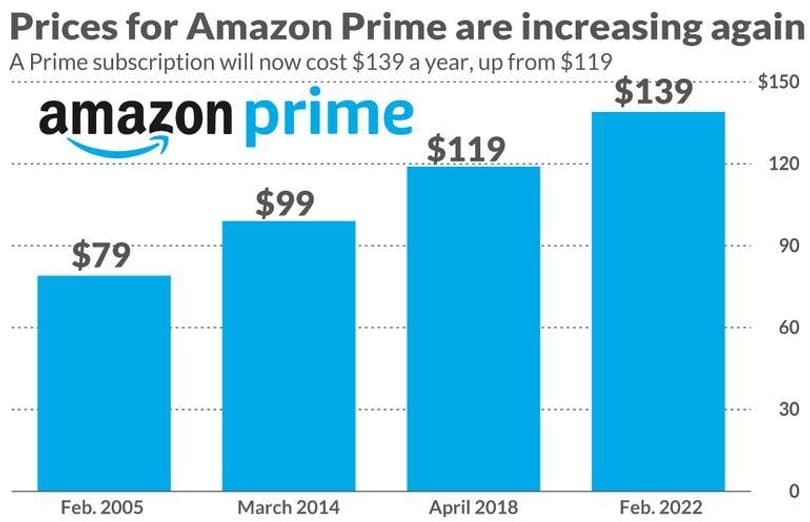
The Amazon Prime membership fee has seen several increases over its lifetime, reflecting inflation, expanded benefits, and market adjustments. This trend is likely to continue as Amazon invests further in content, logistics, and new technologies. From a financial planning standpoint, consumers should anticipate potential future price adjustments and factor them into their long-term budgeting for recurring expenses.
Furthermore, the value proposition of Prime may evolve. Amazon continuously adds new benefits and features, which could either enhance its financial appeal or, conversely, add features that many users won’t utilize, thereby diminishing the perceived value for some. Savvy financial consumers will need to periodically re-evaluate their Prime membership, perhaps annually, considering both the current fee and the relevance of the latest suite of benefits to their personal needs. This ongoing assessment ensures that Amazon Prime remains a financially beneficial and value-driven expenditure rather than a forgotten, automatically renewing drain on their disposable income.
In conclusion, the Amazon Prime membership fee is more than just a number; it represents an access point to a vast digital ecosystem. A diligent financial assessment, weighing the direct costs against the tangible and intangible benefits, is essential for any consumer looking to make an informed, budget-conscious decision about whether this pervasive service truly delivers value for their money.
aViewFromTheCave is a participant in the Amazon Services LLC Associates Program, an affiliate advertising program designed to provide a means for sites to earn advertising fees by advertising and linking to Amazon.com. Amazon, the Amazon logo, AmazonSupply, and the AmazonSupply logo are trademarks of Amazon.com, Inc. or its affiliates. As an Amazon Associate we earn affiliate commissions from qualifying purchases.