
In an increasingly interconnected world, the ability to send money quickly and efficiently is a fundamental necessity for individuals and businesses alike. From paying bills and supporting family members overseas to executing business transactions and splitting costs with friends, money transfers are a daily occurrence. However, with convenience often comes risk. The digital landscape, while offering unprecedented speed and accessibility, also presents a fertile ground for fraudsters and a host of potential pitfalls that can compromise your financial security. Understanding “what is the safest way to send money” isn’t merely about choosing a reliable service; it’s about adopting a comprehensive strategy that prioritizes vigilance, due diligence, and an informed approach to every transaction.
The concept of “safety” in money transfers is multifaceted. It encompasses protection against fraud and scams, safeguarding personal and financial data, ensuring the funds reach the intended recipient without error, and having recourse should something go wrong. This guide aims to demystify the complexities of money transfers, helping you navigate the various options available and implement best practices to ensure your money is sent securely, every time.
Understanding the Risks Associated with Money Transfers
Before diving into the safest methods, it’s crucial to acknowledge the inherent risks present in any money transfer. Awareness is the first line of defense against potential financial loss and identity theft.
Fraud and Scams: The Ever-Present Threat
The digital age has unfortunately empowered sophisticated fraudsters. Scams often prey on human emotions or urgency, manifesting in various forms:
- Phishing and Smishing: Emails or texts impersonating legitimate organizations (banks, government agencies, popular services) to trick recipients into revealing personal details or clicking malicious links.
- Impersonation Scams: Fraudsters posing as loved ones in distress, law enforcement, utility companies, or even potential romantic partners to solicit money under false pretenses.
- Advance-Fee Scams: Promising a large sum of money (e.g., lottery winnings, inheritance) in exchange for an upfront payment.
- Online Purchase Scams: Demanding payment for goods or services that are never delivered or are counterfeit.
- Tech Support Scams: Impersonating tech support from well-known companies, claiming a problem with your device, and then demanding payment for unnecessary services or access to your accounts.
The common thread among these is the manipulation of trust or fear to induce an unauthorized or misguided transfer of funds.
Transaction Errors and Data Security Vulnerabilities
Even legitimate transactions carry risks. Sending money to the wrong account number or the incorrect recipient email can lead to irreversible losses, especially with instantaneous digital transfers. Furthermore, the platforms used for transfers are not immune to security breaches. Weak encryption, inadequate authentication protocols, or vulnerabilities in a user’s device can expose sensitive financial data, leading to unauthorized access to accounts and potential theft. Public Wi-Fi networks, for instance, are notoriously insecure and can be exploited by cybercriminals to intercept data.
Regulatory Compliance and International Transfers
Cross-border transactions introduce additional layers of complexity. Different countries have varying financial regulations, anti-money laundering (AML) laws, and consumer protection frameworks. Non-compliance, even unwitting, can lead to delays, fees, or even legal repercussions. Exchange rate fluctuations and hidden fees can also erode the value of the transferred funds, making it critical to understand the full cost and regulatory environment of international transfers.
Traditional vs. Digital: Evaluating Transfer Methods
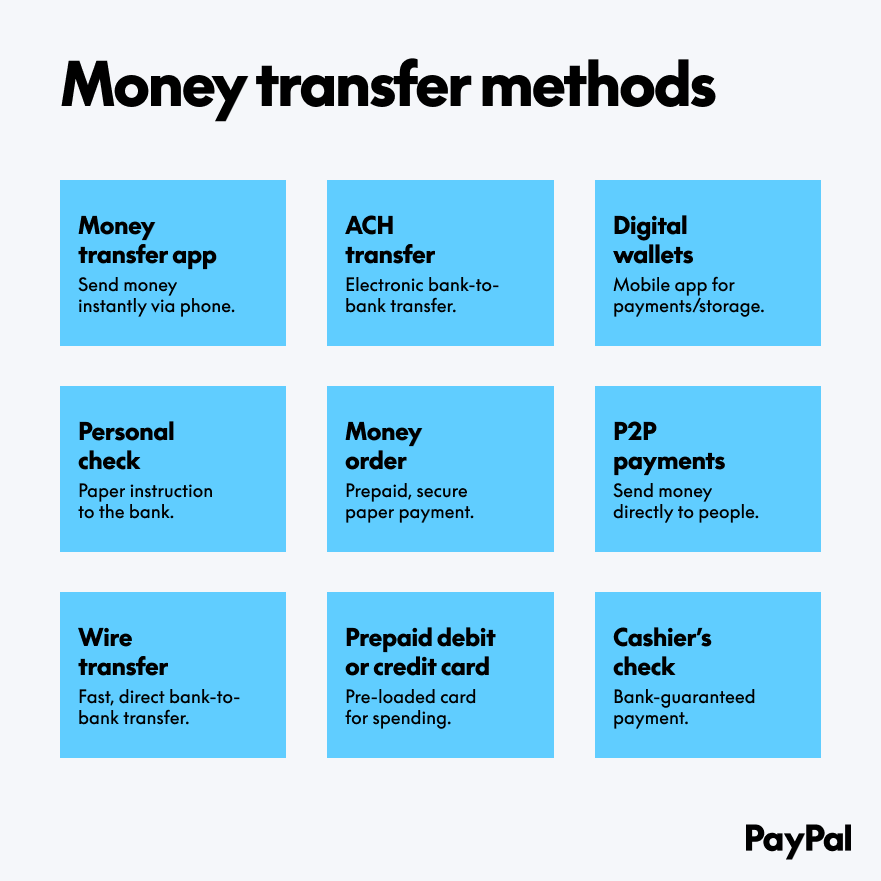
The landscape of money transfer options is broad, ranging from established traditional banking services to innovative digital platforms. Each comes with its own set of security features, conveniences, and caveats.
Bank Transfers: Wires, ACH, and In-Branch Services
Wire Transfers: These are direct, almost immediate transfers of funds between banks, typically for larger sums, domestically or internationally. They are generally considered very secure due to strict banking regulations and robust encryption. However, they are also irreversible once processed, making accuracy paramount. Fees can be higher, and they usually require an in-person visit or secure online banking access.
ACH (Automated Clearing House) Transfers: Used primarily in the U.S. for electronic funds transfers like direct deposits, bill payments, and inter-bank transfers. ACH transfers are highly secure and often free or low-cost, but they are slower than wire transfers, typically taking 1-3 business days. Their reversibility in cases of error or fraud offers a degree of protection.
In-Branch Transfers: Visiting your bank branch for a transfer can offer an added layer of security through direct interaction with a teller. This reduces the risk of online scams but is less convenient.
Pros: High security, robust regulatory oversight, good for large sums.
Cons: Can be slow (ACH), high fees (wires), irreversibility (wires), less convenient than digital methods.
Online Payment Platforms and Digital Wallets
Services like PayPal, Venmo, Zelle, Cash App, and Wise (formerly TransferWise) have revolutionized how we send money. They offer unparalleled convenience and speed, often with lower fees than traditional banks for smaller, everyday transactions.
- PayPal: A globally recognized platform offering extensive buyer and seller protection policies, two-factor authentication (2FA), and secure encrypted transactions. However, fees can apply, especially for international transfers or business transactions.
- Venmo/Cash App: Popular for peer-to-peer (P2P) transfers among friends and family. They are fast and often free for standard transfers but offer less protection against scams for unauthorized transactions, as they are primarily designed for trusted exchanges.
- Zelle: Integrated directly into many U.S. banking apps, offering fast, free P2P transfers between enrolled users. Like Venmo, it’s best used with trusted recipients, as transactions are difficult to reverse.
- Wise (formerly TransferWise): Specializes in international money transfers, offering competitive exchange rates and transparent fees. They employ bank-grade security and are regulated in multiple countries, making them a strong choice for cross-border payments.
Pros: Convenience, speed, often lower fees for specific types of transfers, enhanced user experience.
Cons: Variable scam protection, susceptibility to P2P fraud, potential fees for certain services, reliance on user vigilance.
Cashier’s Checks and Money Orders
These are traditional, physical instruments that guarantee payment because they are backed by the issuing bank or post office.
- Cashier’s Check: Issued by a bank, drawing directly from the bank’s own funds after the sender has paid the amount. They are considered very secure and good for large transactions where a guaranteed payment is required (e.g., real estate, car purchases).
- Money Order: Similar to a cashier’s check but typically for smaller amounts, issued by banks, credit unions, or postal services. They offer proof of payment and tracking.

Pros: Guaranteed funds, physical proof of transaction, no direct bank account exposure to recipient.
Cons: Slower than digital methods, less convenient, susceptible to counterfeiting if not carefully verified.
Cryptocurrency
While offering decentralization and potentially lower transaction fees for international transfers, cryptocurrency (e.g., Bitcoin, Ethereum) is generally not considered the safest way for the average user to send money, especially if the primary concern is fraud protection and ease of use. The volatility of crypto assets, the complexity of managing private keys, the irreversibility of transactions, and the evolving regulatory landscape make it a high-risk option for routine money transfers. Unless you possess advanced technical knowledge and are comfortable with significant financial risk, it’s best to stick to more regulated and stable methods.
Key Security Measures for Senders
Regardless of the method chosen, the sender plays a pivotal role in ensuring the safety of a money transfer. Proactive security measures can dramatically reduce your risk.
Verify Recipient Information Diligently
This is perhaps the most critical step. Always double-check and triple-check the recipient’s name, account number, email address, or phone number. For significant transfers, call the recipient using a known, trusted number to confirm the details verbally. Be wary of last-minute changes to payment instructions, especially if sent via email – these are common scam tactics. Never send money to someone you haven’t met in person or thoroughly vetted, especially if they make unusual requests or pressure you for immediate action.
Utilize Strong Authentication (2FA/MFA)
Enable two-factor authentication (2FA) or multi-factor authentication (MFA) on all your financial accounts and payment apps. This adds an extra layer of security, typically requiring a code from your phone or a biometric scan in addition to your password, making it much harder for unauthorized individuals to access your accounts even if they have your password.
Understand Platform Security Features and Protections
Familiarize yourself with the specific security features and fraud protection policies of the service you’re using. Some platforms offer more robust fraud protection than others, and their policies can vary depending on the type of transaction (e.g., P2P vs. business payment). Know how to report suspicious activity and what recourse you have if a problem arises.
Be Wary of Unsolicited Requests and “Too Good to Be True” Offers
Exercise extreme caution with any unsolicited requests for money, especially from unknown sources or individuals you’ve only interacted with online. Remember the adage: if it sounds too good to be true, it probably is. Never share personal financial information (bank account details, passwords, PINs) in response to emails, texts, or calls you didn’t initiate.
Document Transactions and Keep Records
Always keep detailed records of your money transfers, including transaction IDs, dates, amounts, recipient details, and any communications related to the transfer. This documentation is invaluable if you need to dispute a transaction, track funds, or report fraud.
Use Secure Networks and Devices
Only conduct financial transactions over secure, private Wi-Fi networks. Avoid public Wi-Fi hotspots, which are often unencrypted and vulnerable to eavesdropping. Ensure your devices (computer, smartphone) are protected with up-to-date antivirus software, firewalls, and operating system updates. Use strong, unique passwords for all your accounts.
Choosing the Right Method for Your Needs
The “safest” method isn’t a one-size-fits-all answer; it depends on your specific circumstances and priorities for each transfer.
Factors to Consider: Amount, Speed, Destination, and Relationship with Recipient
- Amount: For very large sums, traditional bank wire transfers or cashier’s checks offer the highest level of security and guarantees. For smaller, everyday amounts, digital platforms are often more convenient.
- Speed: If urgency is key, wire transfers, Zelle, or real-time payment apps are ideal. If you can wait a few days, ACH transfers or international money transfer services might offer better fees.
- Destination: International transfers have different considerations than domestic ones, including exchange rates, fees, and regulatory compliance. Services like Wise specialize in this area.
- Relationship with Recipient: For trusted friends and family, P2P apps like Venmo or Zelle are convenient. For unknown parties or business transactions, methods with strong buyer/seller protection or guaranteed funds (like cashier’s checks) are safer.
Comparing Fees and Exchange Rates
Always compare the total cost of a transfer, which includes not just the stated fees but also any hidden charges or unfavorable exchange rates (especially for international transfers). A service advertising “zero fees” might be making up the difference with a less favorable exchange rate. Transparency in pricing is a hallmark of a trustworthy service.

Assessing Customer Support and Dispute Resolution Policies
Before committing to a service, understand their customer support availability and their policies for resolving disputes or errors. A reliable service will have accessible customer support and clear procedures for addressing issues, providing you with peace of mind that help is available if needed.
Ultimately, sending money safely is a combination of choosing the right tool for the job and exercising unwavering personal vigilance. By understanding the risks, evaluating your options, and consistently applying security best practices, you can ensure your financial transactions are secure, giving you confidence in managing your money in today’s digital world.
aViewFromTheCave is a participant in the Amazon Services LLC Associates Program, an affiliate advertising program designed to provide a means for sites to earn advertising fees by advertising and linking to Amazon.com. Amazon, the Amazon logo, AmazonSupply, and the AmazonSupply logo are trademarks of Amazon.com, Inc. or its affiliates. As an Amazon Associate we earn affiliate commissions from qualifying purchases.