
An Automated Enterprise Investment System (AEIS) represents a sophisticated, integrated technological framework designed to optimize, manage, and execute investment strategies for businesses and large organizations. Far beyond simple trading software, an AEIS is a comprehensive ecosystem that leverages advanced analytics, artificial intelligence, machine learning, and automation to streamline every facet of the investment lifecycle. It serves as a central nervous system for a company’s financial assets, enabling more informed decision-making, rigorous risk management, and superior operational efficiency across diverse investment portfolios.
Demystifying the Automated Enterprise Investment System
At its core, an AEIS is an intelligent platform that integrates vast streams of financial data, applies complex algorithms, and automates various investment processes. Its primary objective is to enhance returns, minimize risks, and provide granular transparency into a company’s investment activities, aligning them closely with overarching business objectives and regulatory compliance.

The Core Concept: Bridging Data and Decisions
The fundamental premise of an AEIS is to eliminate manual inefficiencies and human biases inherent in traditional investment management. By aggregating real-time market data, internal financial metrics, economic indicators, and regulatory information, an AEIS creates a holistic view of the investment landscape. It then employs predictive analytics and rule-based automation to identify opportunities, evaluate potential investments, and execute trades or rebalance portfolios based on pre-defined parameters and risk tolerances. This bridge between raw data and actionable insights empowers decision-makers with superior intelligence, allowing for strategic resource allocation and nimble responses to market shifts. For businesses managing significant capital, ranging from corporate treasuries and pension funds to endowments and family offices, an AEIS transforms abstract financial goals into concrete, data-driven strategies.
Key Components of an AEIS
A robust AEIS is not a monolithic piece of software but an integrated suite of modules working in concert. These typically include:
- Data Aggregation and Integration Engines: These modules collect, cleanse, and normalize data from disparate sources, including market data feeds, company financial reports, news services, economic databases, and internal enterprise resource planning (ERP) systems.
- Portfolio Management System (PMS): The PMS is the central hub for tracking all assets, liabilities, and investments. It provides real-time valuation, performance attribution, and position monitoring across various asset classes (equities, bonds, real estate, alternatives, etc.).
- Risk Management Framework: This component utilizes sophisticated models to assess, quantify, and monitor various types of risk, including market risk, credit risk, operational risk, and liquidity risk. It can simulate stress scenarios and provide early warnings of potential exposures.
- Algorithmic Trading and Execution Platforms: For businesses involved in active trading, this module automates the execution of trades based on pre-programmed strategies, optimizing for factors like price, liquidity, and timing.
- Compliance and Regulatory Reporting Tools: Given the increasingly complex regulatory landscape, an AEIS incorporates features to ensure adherence to relevant laws and internal policies, automating the generation of compliance reports and audit trails.
- Analytics and Reporting Dashboards: These provide customized visualizations and detailed reports on portfolio performance, risk metrics, market trends, and investment opportunities, catering to various stakeholders from executive leadership to portfolio managers.
- Forecasting and Scenario Planning Modules: Utilizing advanced statistical methods and machine learning, these modules help predict market movements, economic trends, and potential outcomes of different investment strategies.
The Transformative Impact of AEIS on Business Finance
The adoption of an AEIS marks a significant paradigm shift in how enterprises approach financial management and investment. Its influence permeates various layers of an organization, offering profound benefits that extend beyond mere technological upgrade.
Enhancing Investment Decision-Making
One of the most critical impacts of an AEIS is its ability to elevate the quality and speed of investment decisions. Traditional methods often rely on periodic reviews, manual analysis, and subjective interpretations. An AEIS, however, provides a continuous, real-time stream of curated data and analytical insights. It can identify emerging trends, pinpoint undervalued assets, and flag overvalued positions much faster than human analysts alone. Furthermore, by standardizing the decision framework and leveraging predictive models, it reduces the susceptibility to emotional biases and cognitive errors, leading to more objective and data-backed choices. This enhanced analytical capability allows businesses to proactively adjust strategies in dynamic markets, optimize asset allocation, and seize fleeting opportunities, ultimately driving superior risk-adjusted returns.
Streamlining Portfolio Management and Risk Assessment
For businesses managing complex, multi-asset portfolios, the operational burden can be immense. An AEIS automates many of the routine tasks associated with portfolio management, such as rebalancing, performance tracking, and compliance checks. This automation frees up valuable human capital, allowing financial professionals to focus on higher-level strategic analysis and relationship management rather than clerical tasks. Crucially, the integrated risk management framework within an AEIS provides a continuous, comprehensive view of risk exposures across the entire portfolio. It can model the impact of various economic shocks, identify concentrations of risk, and recommend hedging strategies in real-time. This proactive approach to risk assessment not only protects capital but also ensures that investment activities remain within the organization’s defined risk tolerance and regulatory mandates, providing a robust defense against potential financial downturns.
Unlocking Operational Efficiencies
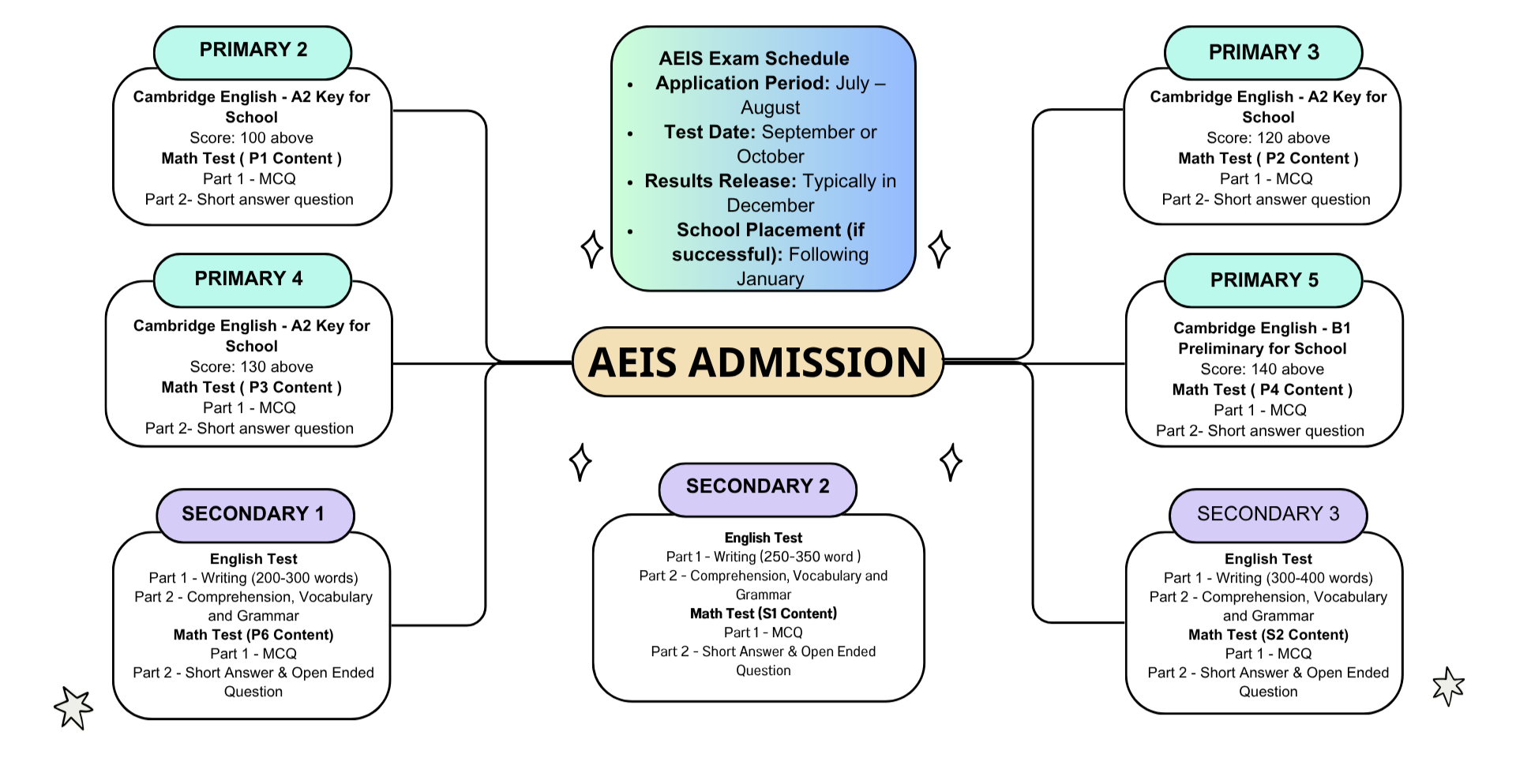
Beyond direct investment outcomes, an AEIS delivers substantial operational efficiencies. The automation of data collection, processing, reporting, and even trade execution significantly reduces manual errors, processing times, and associated operational costs. Financial teams can achieve more with fewer resources, streamlining workflows and enhancing productivity. The integration capabilities of an AEIS mean that data flows seamlessly between different departments—from treasury to accounting to compliance—eliminating data silos and ensuring a single source of truth. This holistic view simplifies internal and external audits, accelerates regulatory reporting, and improves overall organizational transparency. Ultimately, by reducing friction and enhancing accuracy in financial operations, an AEIS allows businesses to allocate their resources more effectively towards strategic growth initiatives rather than administrative overhead.
Implementing AEIS: Challenges and Best Practices
While the benefits of an AEIS are compelling, its successful implementation is a complex undertaking that requires careful planning, significant investment, and a strategic approach. Businesses must navigate several challenges to fully leverage the power of these systems.
Data Integration and Quality
The foundational challenge in deploying any AEIS lies in data. Enterprises often contend with disparate data sources, varying formats, and legacy systems that don’t communicate effectively. Integrating these diverse datasets into a unified, clean, and consistent format is paramount. Poor data quality – inaccuracies, incompleteness, or inconsistencies – can cripple an AEIS, leading to flawed analyses and suboptimal investment decisions. Best practices involve establishing robust data governance frameworks, investing in data cleansing and transformation tools, and creating clear protocols for data entry and maintenance. Furthermore, ensuring secure, real-time data feeds from external market sources is critical for maintaining the system’s analytical edge.
Customization and Scalability
No two businesses have identical investment strategies, risk appetites, or operational structures. Therefore, an off-the-shelf AEIS solution rarely fits perfectly. Significant customization is often required to align the system with a company’s unique workflows, regulatory obligations, and proprietary investment models. This demands close collaboration between IT teams, financial professionals, and the AEIS vendor. Moreover, the chosen AEIS must be scalable, capable of growing alongside the business. As investment portfolios expand, asset classes diversify, or regulatory requirements evolve, the system should be able to accommodate these changes without necessitating a complete overhaul. A modular architecture and cloud-native design can offer the flexibility and scalability needed for long-term success.
Overcoming Resistance to Change
Implementing an AEIS is not just a technological upgrade; it’s a significant organizational transformation. Financial professionals accustomed to traditional methods may exhibit resistance to adopting new tools and workflows. Concerns about job displacement, the perceived “black box” nature of automated decisions, or the steep learning curve can hinder adoption. Successful implementation requires a comprehensive change management strategy. This includes transparent communication about the benefits and goals of the AEIS, extensive training programs for all users, and demonstrating how the system augments rather than replaces human expertise. Involving key stakeholders in the planning and customization phases can foster a sense of ownership and smooth the transition, ensuring that the AEIS becomes an indispensable tool rather than an underutilized expense.
The Future of Enterprise Investment: AEIS and Beyond
The evolution of technology, particularly in artificial intelligence and data science, continues to push the boundaries of what an AEIS can achieve. The future promises even more sophisticated, proactive, and interconnected systems that will redefine enterprise investment management.
AI, Machine Learning, and Predictive Analytics
The current generation of AEIS already incorporates elements of AI and machine learning, but future iterations will see these technologies become even more deeply embedded. AI will move beyond just identifying patterns to generating original investment hypotheses, predicting market dislocations with greater accuracy, and even developing new trading strategies autonomously. Machine learning algorithms will continuously learn and adapt from new data, refining their models for risk assessment, asset valuation, and performance forecasting in real-time. This means an AEIS will not only execute current strategies but will proactively suggest and even implement optimized strategies based on evolving market conditions, making it an increasingly intelligent partner in financial decision-making.
Real-time Data and Dynamic Portfolio Optimization
The demand for real-time data will intensify, encompassing not just financial metrics but also unstructured data from social media, news sentiment analysis, satellite imagery, and supply chain tracking. Future AEIS platforms will be capable of processing and integrating this vast, diverse array of data points instantly, providing an unprecedented level of market visibility. This will enable truly dynamic portfolio optimization, where portfolios are continuously rebalanced and adjusted not just daily or hourly, but in milliseconds, reacting to micro-events and maximizing alpha generation. The ability to instantly understand the micro- and macro-economic impact of events will become a significant competitive differentiator.
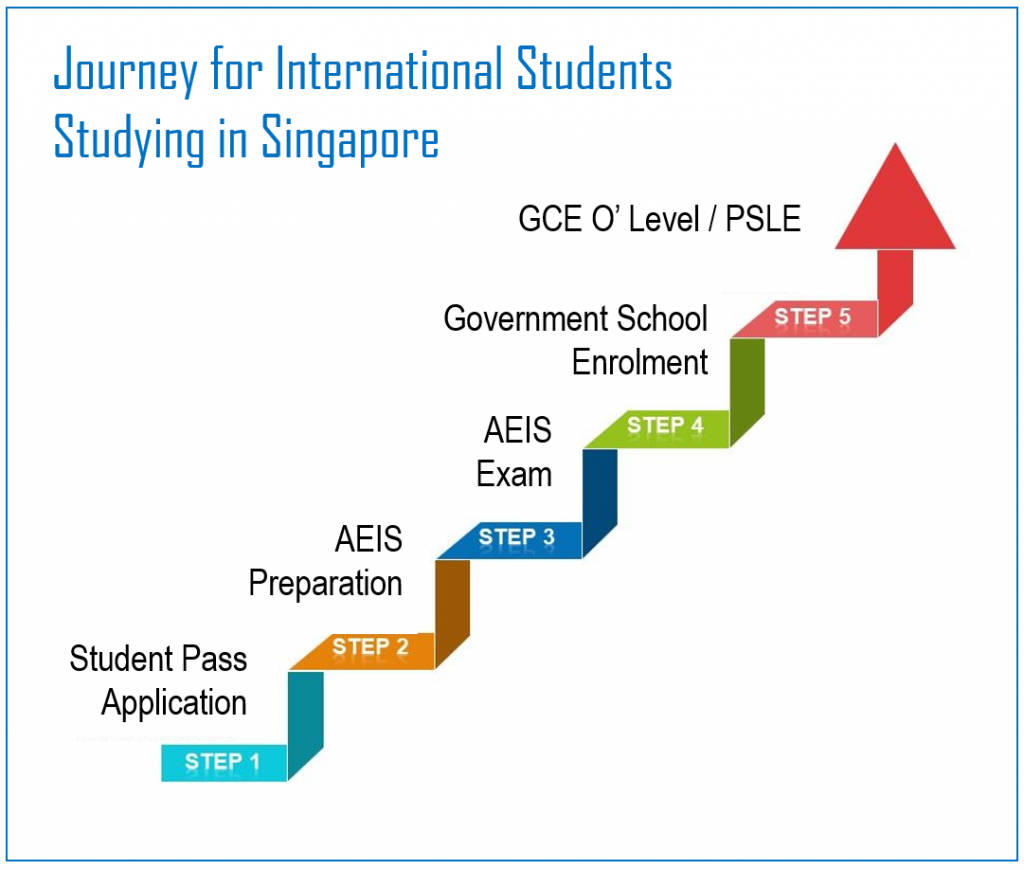
Accessibility for Diverse Business Sizes
While historically AEIS solutions were the domain of large financial institutions and corporations with substantial capital, the trend towards cloud-based platforms and modular offerings will democratize access. As these systems become more scalable, user-friendly, and cost-effective, even small to medium-sized enterprises (SMEs) will be able to leverage sophisticated automated investment tools. This accessibility will empower a broader range of businesses to manage their cash reserves more effectively, optimize working capital, and participate in more advanced investment strategies, leading to greater financial resilience and growth across the economic spectrum. The future of AEIS points towards a landscape where sophisticated financial management is no longer a luxury but a standard operational advantage for businesses of all sizes.
aViewFromTheCave is a participant in the Amazon Services LLC Associates Program, an affiliate advertising program designed to provide a means for sites to earn advertising fees by advertising and linking to Amazon.com. Amazon, the Amazon logo, AmazonSupply, and the AmazonSupply logo are trademarks of Amazon.com, Inc. or its affiliates. As an Amazon Associate we earn affiliate commissions from qualifying purchases.