
The Dow Jones Industrial Average (DJIA), often simply called “the Dow,” stands as one of the most recognized and frequently cited stock market indices globally. For over a century, it has served as a critical barometer of the health and direction of the U.S. stock market and, by extension, the American economy. Yet, despite its pervasive influence in financial news and everyday conversations, many investors and observers might find themselves pondering the fundamental question: “Who is in the Dow?” Understanding the composition of this venerable index, the criteria for inclusion, and its historical evolution is crucial for anyone seeking a deeper comprehension of market dynamics, investment strategies, and the broader financial landscape.
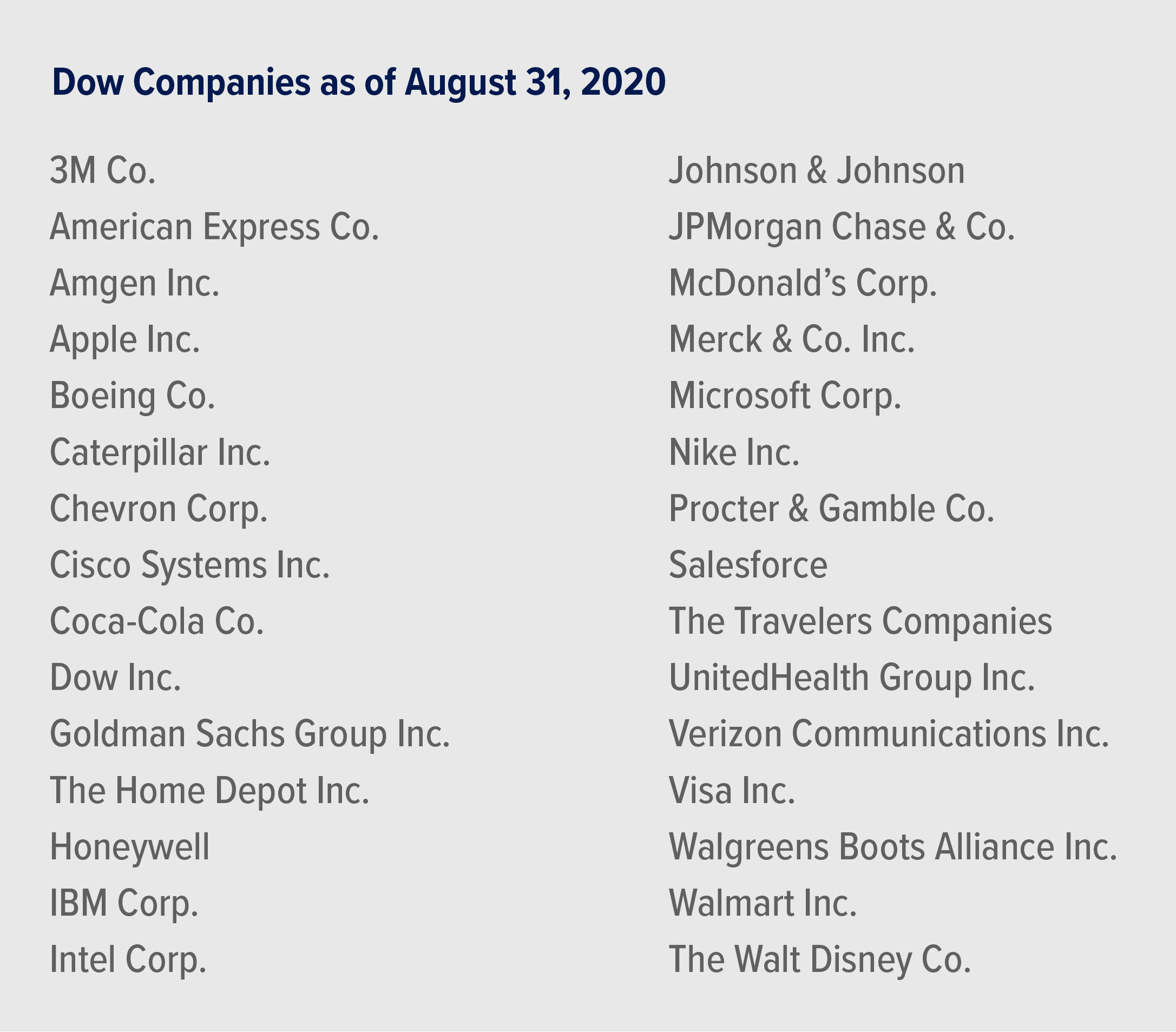
The Dow is not merely a collection of the largest companies by market capitalization, nor is it static. It is a curated selection of 30 significant, publicly traded companies that represent various sectors of the U.S. economy, chosen for their stability, size, and influence. These are the titans of industry, consumer staples, technology, and finance that collectively offer insight into the corporate pulse of the nation. This article will delve into the intricacies of the Dow, exploring its historical roots, the evolving roster of its constituent companies, the selective process that determines their inclusion, and the profound implications these choices have for investors and the economy.
Understanding the Dow Jones Industrial Average (DJIA)
To appreciate “who is in the Dow,” one must first grasp the foundational principles and historical context of the index itself. Far from being a simple average, the DJIA is a sophisticated, albeit price-weighted, indicator designed to reflect the performance of a select group of industrial companies – a definition that has broadened significantly since its inception.
A Brief History and Purpose
The Dow Jones Industrial Average was first published on May 26, 1896, by Charles Dow, co-founder of Dow Jones & Company and editor of The Wall Street Journal. Initially, it comprised just 12 industrial stocks, primarily railroads, cotton, sugar, and oil companies, reflecting the dominant industries of the late 19th century. Its primary purpose was to provide a clear, concise measure of the performance of these major industrial enterprises, offering investors a snapshot of the market’s direction. Over the decades, the number of components increased, stabilizing at 30 in 1928, where it has remained.
Crucially, while the name “Industrial Average” persists, the scope of the companies included has expanded dramatically beyond traditional heavy industry. Today, it encompasses a diverse array of sectors, including technology, healthcare, finance, and retail, all considered “industrial” in the modern sense of contributing to the nation’s economic output. Its purpose remains steadfast: to serve as a bellwether for the overall market and economy, providing a benchmark against which portfolio performance can be measured and market sentiment gauged.
The Price-Weighted Methodology
One of the most distinguishing features of the DJIA is its price-weighted methodology, which sets it apart from market capitalization-weighted indices like the S&P 500. In a price-weighted index, stocks with higher share prices are given greater weight in the index’s calculation, regardless of their total market value. This means that a 1% change in the share price of a $300 stock will have a greater impact on the index than a 1% change in a $100 stock, even if the latter has a much larger market capitalization.
To maintain historical continuity and prevent distortions caused by stock splits, dividends, or spin-offs, the Dow uses a “Dow Divisor.” This divisor is adjusted whenever there is a change in the index’s components or corporate actions occur that would otherwise alter the index’s value. The sum of the prices of the 30 stocks is divided by this divisor, rather than the number 30, to yield the index value. While this methodology is often criticized for giving disproportionate influence to higher-priced stocks, it has been a consistent feature of the Dow, contributing to its unique character and historical narrative.
Why the Dow Still Matters
Despite criticisms regarding its small number of components and price-weighted methodology, the Dow Jones Industrial Average maintains significant relevance. Its long history provides an unparalleled dataset for tracking market cycles and economic trends over more than a century. Furthermore, its components are typically well-established, blue-chip companies with stable earnings and significant market presence, making it a reliable, albeit limited, indicator of the health of the U.S. economy.
For many, the Dow is more than just an index; it’s a cultural touchstone. Its movements are regularly reported in mainstream media, influencing public perception and investor confidence. While sophisticated investors might favor broader, market-cap-weighted indices for actual portfolio construction, the Dow’s role as a widely understood symbol of market performance ensures its enduring significance. It offers a straightforward, easily digestible measure that resonates with both seasoned professionals and casual observers, bridging the gap between complex financial analysis and everyday understanding.
The Evolving Roster: Companies That Define the Index
The answer to “who is in the Dow” is a dynamic one. The index’s strength lies not in stagnation but in its ability to adapt, albeit slowly, to the changing landscape of American industry. Over its history, companies have been added and removed, reflecting shifts in economic dominance, technological progress, and corporate performance.
Current Giants: A Snapshot of Diversity
Today’s Dow is a testament to the diversity of the modern U.S. economy. While it originated with heavy industries, the index now features a balanced mix of sectors, including technology leaders, pharmaceutical giants, financial powerhouses, and consumer goods conglomerates. For instance, tech behemoths like Apple and Microsoft share space with industrial stalwarts such as Boeing and Caterpillar. Healthcare innovators like Johnson & Johnson stand alongside retail giants like Walmart. Financial institutions such as Goldman Sachs and JPMorgan Chase represent the banking sector, while Disney brings entertainment and media.
This broad representation ensures that the Dow provides a composite view, even with only 30 companies. Each company within the index is typically a leader in its respective field, boasting substantial market capitalization, widespread brand recognition, and a global operational footprint. Their collective performance offers a snapshot of corporate America’s health and investment sentiment across a range of vital sectors.
Illustrative Examples of Key Sectors
- Technology: Companies like Apple (AAPL) and Microsoft (MSFT) highlight the immense influence of the technology sector on modern economies. Their inclusion reflects the pervasive integration of digital products and services into daily life and business operations, driving innovation and substantial market value.
- Healthcare: Johnson & Johnson (JNJ) exemplifies the healthcare sector’s stability and growth, representing pharmaceuticals, medical devices, and consumer health products. Its presence underscores the essential and often recession-resistant nature of healthcare expenditures.
- Financial Services: Firms such as JPMorgan Chase (JPM) and Goldman Sachs (GS) represent the backbone of the financial industry, crucial for capital allocation, investment, and economic stability. Their performance often reflects the broader health of the credit markets and corporate activity.
- Consumer Discretionary/Staples: Walmart (WMT), a retail giant, and McDonald’s (MCD), a global fast-food leader, showcase the consumer sector’s importance. Walmart reflects consumer spending habits on everyday goods, while McDonald’s signifies global brand power and quick-service dining trends.
- Industrials: While the definition of “industrial” has evolved, companies like Caterpillar (CAT) and Boeing (BA) still embody the manufacturing and heavy industry component. Caterpillar’s equipment is vital for construction and mining, while Boeing is a key player in aerospace manufacturing, both critical to global infrastructure and trade.
These examples illustrate how the Dow’s committee aims to select companies that are not only financially robust but also serve as significant representatives of the broader economic landscape.
Dynamics of Inclusion and Exclusion
The roster of Dow components is not immutable. It evolves over time to ensure the index remains a relevant reflection of the American economy. Companies are periodically added or removed due to mergers and acquisitions, significant changes in business focus, sustained underperformance, or the emergence of new industry leaders. For instance, ExxonMobil, a long-standing component, was removed in 2020, replaced by Salesforce, signifying a shift away from traditional energy towards cloud computing and software services. Similarly, General Electric, an original Dow component, was removed in 2018 after over a century, marking the end of an era for the conglomerate.
These changes are significant events in the financial world, often sparking discussion about the future direction of the economy and the sectors poised for growth. They underscore the committee’s commitment to maintaining the Dow’s status as a relevant indicator, even if its changes are less frequent than those of other indices.
The Selection Process: More Than Just Market Cap
Unlike many passive indices that rely on strict quantitative rules like market capitalization thresholds, the selection process for the Dow Jones Industrial Average is somewhat subjective and discretionary. This human element is a defining characteristic of the index.
Criteria for Dow Membership
The S&P Dow Jones Indices Committee, which oversees the DJIA, does not publish a rigid set of rules for inclusion. However, generally understood criteria guide their decisions:
- Reputation and Sustained Growth: A company must have an excellent reputation, demonstrate sustained growth, and be of interest to a large number of investors.
- Size and Prominence: It must be a large, influential U.S.-based company, typically a leader in its industry.
- Broad Representation: The company’s inclusion should contribute to the overall economic representation of the index, avoiding overconcentration in any single industry group.
- Financial Soundness: While not explicitly stated, financial health and stability are paramount.
- Public Float: The company must be publicly traded on a major U.S. exchange (NYSE or Nasdaq).
- “Industrial” Nature: Despite the name, this broadly means a company that generates and provides goods or services, extending beyond traditional manufacturing.

The committee often prefers to replace a departing company with another in the same sector or one that improves the index’s overall sectoral balance. Changes are made on an “as-needed” basis, usually triggered by corporate actions like mergers or bankruptcies, rather than on a fixed schedule.
The Role of the S&P Dow Jones Indices Committee
The S&P Dow Jones Indices Committee is responsible for managing the DJIA, along with other prominent indices like the S&P 500. This committee comprises representatives from S&P Dow Jones Indices, an independent joint venture between S&P Global and CME Group. Their decisions are based on the criteria mentioned above, often taking into account expert analysis of economic trends, industry shifts, and the individual merits of potential candidates.
The committee’s discretion means that the selection process is less transparent than rule-based indices. This has drawn criticism from some who argue it introduces bias or makes the index less predictable. However, proponents contend that this discretion allows the committee to select companies that genuinely reflect the current economic landscape and maintain the index’s historical integrity and relevance, rather than being slaves to rigid quantitative cutoffs. Their objective is to ensure the Dow remains a “continuous measure of market direction.”
Implications for Companies and Investors
For a company, being included in the Dow is a significant badge of honor. It confers immense prestige, validates their position as an industry leader, and often leads to increased media attention and investor interest. This can sometimes result in a boost to their stock price, as index funds and ETFs tracking the Dow would need to purchase their shares.
For investors, understanding the selection process helps in interpreting the Dow’s movements. Changes in the index composition can signal broader economic shifts. For instance, the replacement of industrial giants with technology firms signals the increasing dominance of the digital economy. While the Dow’s 30 components are not necessarily “the best” companies, they are undoubtedly influential and carefully chosen representatives, offering a curated perspective on market performance. It’s essential for investors to recognize that while the Dow is a powerful indicator, it is not a perfect proxy for the entire market due to its limited scope and weighting methodology.
Impact on Investors and the Broader Economy
The Dow Jones Industrial Average transcends its function as a mere numerical value; it profoundly impacts investor psychology, economic analysis, and investment strategies. Its prominent media coverage ensures that its daily fluctuations are widely disseminated, shaping perceptions and influencing decisions far beyond the financial community.
A Barometer of Economic Health
Historically, the Dow has been touted as a leading economic indicator, a “barometer of economic health.” When the Dow rises consistently, it often signals investor optimism about corporate profits, economic growth, and overall stability. Conversely, sustained declines can indicate recessionary fears, decreased consumer confidence, and potential economic contraction. While no single index can perfectly predict economic turns, the Dow’s movements are closely watched by economists, policymakers, and business leaders as they formulate strategies and assess the economic climate.
Its composition of blue-chip companies, many of which operate globally, means their collective performance can offer insights into international economic conditions as well. A strong showing from these multinational corporations often implies robust global demand and stable geopolitical environments, contributing to a sense of broader economic well-being.
Investment Strategies and the Dow
For individual investors, the Dow can serve as a benchmark for evaluating the performance of their portfolios. Many actively managed funds and passively managed ETFs or mutual funds attempt to “beat the Dow” or mirror its performance. Investors looking for exposure to a diversified basket of established, high-quality U.S. companies might consider investing in funds that track the DJIA. However, it’s crucial to remember that the Dow’s price-weighted methodology and limited components mean it offers a distinct, not exhaustive, representation of the market.
Sophisticated investors often use the Dow in conjunction with other indices, such as the S&P 500 (which tracks 500 large U.S. companies by market capitalization) or the Nasdaq Composite (heavily weighted towards technology and growth stocks). This multi-index approach provides a more comprehensive view of market trends and helps diversify investment exposure across different segments of the economy. For those focused on identifying market leaders or specific sectors, the Dow’s components provide a starting point for further research into companies with strong competitive advantages and dividend histories.
Limitations and Alternative Indices
While indispensable, the Dow is not without its limitations. Its small number of components means it may not fully capture the breadth and depth of the vast U.S. stock market. For instance, smaller growth companies or emerging industries might not be represented. Furthermore, its price-weighted nature can give undue influence to companies with high share prices, regardless of their market capitalization, potentially skewing its representation compared to market-cap-weighted indices.
For these reasons, investors often look to alternative indices for a more complete picture:
- S&P 500: A market-capitalization-weighted index of 500 large-cap U.S. companies, widely considered the best gauge of large-cap U.S. equities.
- Nasdaq Composite: Heavily weighted towards technology and growth companies listed on the Nasdaq exchange.
- Russell 2000: Tracks the performance of 2,000 small-cap U.S. companies, offering insight into the small-cap segment.
- Wilshire 5000: Often referred to as the “total market index,” it includes virtually all publicly traded U.S. companies, providing the broadest measure of the U.S. equity market.
Understanding these alternatives helps investors put the Dow’s movements into a broader context and choose indices that best align with their investment goals and market perspectives.
Navigating the Future: Adaptability of the Dow
The longevity and continued relevance of the Dow Jones Industrial Average are not accidental. They are products of its underlying adaptability and the commitment of its custodians to ensure it remains a meaningful reflection of the U.S. economy, even as that economy undergoes profound transformations.
Responding to Economic Shifts
The history of the Dow is essentially a chronicle of America’s economic evolution. From railroads and heavy industry to technology and global services, the index has slowly but surely incorporated the leading enterprises of each new economic era. The removal of traditional industrial giants and the inclusion of companies like Salesforce and Amgen in recent years underscore its responsiveness to the shift towards information technology, biotechnology, and the service economy. This ability to prune and cultivate its garden of companies, even with its deliberate pace, ensures that the Dow maintains its fundamental purpose: to represent the core drivers of economic activity.
This ongoing adaptation is critical for its continued status as a benchmark. As new industries emerge and old ones transform, the committee’s role in making judicious adjustments becomes paramount. These changes are not just numerical updates; they are symbolic acknowledgments of the changing guard in corporate America and the economic forces that will shape the future.
Sustaining Relevance in a Modern Market
In an era dominated by algorithmic trading, vast datasets, and countless specialized indices, one might question how a 30-stock, price-weighted average can remain relevant. The answer lies in its unique position as both a historical record and a widely understood symbol. Its simplicity, while sometimes criticized, is also its strength. For millions, the Dow is the stock market; its up or down movements are the simplest daily indicator of market sentiment.
Furthermore, the companies within the Dow are not just any 30 companies; they are often household names, companies whose products and services are interwoven into the fabric of daily life. This familiarity makes the index highly relatable to the general public, fostering engagement with financial markets in a way that more complex indices might not. Its continuous presence in financial news and public discourse reinforces its role as a fundamental metric, even as it operates alongside more comprehensive and granular alternatives.

The Dow’s Enduring Legacy
The Dow Jones Industrial Average has weathered depressions, wars, economic booms, and technological revolutions. Its enduring legacy is a testament to the power of a well-conceived, albeit imperfect, indicator to capture the essence of a dynamic market. While it should not be the sole basis for investment decisions or economic analysis, “who is in the Dow” will continue to be a question of significant interest because the companies it comprises are, by design, those that have shaped and continue to shape the American and global economy.
As we look to the future, the Dow will undoubtedly continue to evolve. New industries will rise, corporate giants will emerge and consolidate, and the committee will face ongoing decisions about how best to reflect these changes. Yet, the core mission will remain: to provide a clear, compelling, and historically rich barometer of the U.S. industrial landscape. For investors, understanding its components and the philosophy behind its construction offers invaluable insights into the trends, leaders, and economic forces that drive the market, solidifying its place as a cornerstone of financial education and market analysis for generations to come.
aViewFromTheCave is a participant in the Amazon Services LLC Associates Program, an affiliate advertising program designed to provide a means for sites to earn advertising fees by advertising and linking to Amazon.com. Amazon, the Amazon logo, AmazonSupply, and the AmazonSupply logo are trademarks of Amazon.com, Inc. or its affiliates. As an Amazon Associate we earn affiliate commissions from qualifying purchases.