
Tokyo, a mesmerizing blend of ancient traditions and futuristic innovation, beckons travelers from across the globe. For many, the first and often most significant hurdle in planning a trip to Japan’s vibrant capital is understanding and managing the cost of airfare. The question “how much is a flight to Tokyo?” doesn’t have a simple, static answer. Instead, it’s a dynamic figure influenced by a complex interplay of factors, from the timing of your booking to the specific airline you choose. This article delves into the financial intricacies of securing your flight to Tokyo, providing insightful strategies and practical advice to help you budget effectively and maximize your travel investment.
Unpacking the Variables: What Drives Flight Prices to Tokyo?
The price tag on a flight ticket to Tokyo is rarely arbitrary. It’s a sophisticated calculation by airlines, responding to market demand, operational costs, and competitive landscapes. Understanding these core variables is the first step toward deciphering the true cost and finding opportunities for savings.
Seasonality and Demand: Highs, Lows, and Shoulder Seasons
Perhaps the most significant determinant of flight prices to Tokyo is the time of year you plan to travel. Peak seasons coincide with popular events and pleasant weather, naturally driving up demand and, consequently, prices. Cherry blossom season (late March to early April) and the autumn foliage season (October to November) are prime examples, along with major holidays like Golden Week (early May) and New Year’s. Conversely, the off-peak or “low” season, typically during the humid summer months (July-August, excluding Obon week in mid-August) and the colder winter months (January-February, excluding New Year’s), often presents the most affordable fares. Savvy travelers often target “shoulder seasons” – the periods just before or after peak demand – to strike a balance between good weather and more manageable prices. Think late April/early May (after cherry blossoms but before Golden Week) or late September/early October (before peak autumn).
Departure City and Route Complexity: Direct vs. Connecting Flights
Your origin airport plays a crucial role in flight costs. Major international hubs like New York (JFK), Los Angeles (LAX), London (LHR), or Singapore (SIN) often have more direct flight options and higher competition among airlines, which can sometimes lead to more competitive pricing. Travelers departing from smaller regional airports, however, might face higher initial costs or be required to take a connecting flight, adding to travel time and potentially the overall fare.
The choice between a direct flight and one or more connecting flights is another financial consideration. Direct flights offer convenience and speed but typically come at a premium. Connecting flights, while requiring more time and sometimes posing the risk of missed connections, can often be significantly cheaper. The number of layovers, the duration of each layover, and the airlines involved in a multi-leg journey all contribute to the final ticket price.
Airline Choice and Class of Service: From Budget to Business
The airline you choose profoundly impacts the cost. Full-service carriers like JAL, ANA, Delta, United, or British Airways often include amenities such as checked baggage, in-flight meals, and entertainment in their base fare, offering a more comfortable experience. Budget airlines or low-cost carriers (LCCs) like ZIPAIR, Scoot, or AirAsia X, while less common on trans-Pacific routes but present on regional ones, often strip down services to offer the lowest possible base fare, with every additional amenity (baggage, seat selection, meals) costing extra. The cumulative cost of these add-ons can sometimes negate the initial savings.
Furthermore, the class of service – Economy, Premium Economy, Business, or First Class – represents a vast spectrum of pricing. While most travelers aim for economy for cost-effectiveness, opting for Premium Economy can offer a significant upgrade in comfort (more legroom, better food) without the exorbitant price tag of Business Class.
Booking Lead Time: The Early Bird Catches the Worm (or a Cheaper Flight)
The adage “the early bird catches the worm” often holds true for flight bookings. Airlines typically release tickets 11-12 months in advance, and prices tend to be lower during this initial phase. As the departure date approaches, fares generally increase, especially for popular routes. However, there’s a “sweet spot” – a window of time when prices are often at their most reasonable. For international flights to Tokyo, this sweet spot is typically between 2 to 8 months out. Booking too early (over 8 months) might mean missing out on sales, while booking too late (under 2 months) almost guarantees higher prices as seats become scarce. Last-minute deals do exist, but they are rare for popular international destinations like Tokyo and shouldn’t be relied upon for budget travel.
Strategic Approaches to Finding Affordable Tokyo Flights
Armed with an understanding of what influences flight prices, the next step is to employ strategic methods to find the best possible deals. This involves leveraging technology, embracing flexibility, and staying informed.
Leveraging Flight Comparison Websites and Price Alerts
The modern traveler’s best friend is the flight comparison website. Tools like Google Flights, Skyscanner, Kayak, and Expedia aggregate fares from numerous airlines and online travel agencies, allowing you to compare prices across different dates, airlines, and routes simultaneously. These platforms often have features like “flexible dates” (showing prices for a month or even a year) and “everywhere” search options, which can reveal unexpected deals.
Crucially, setting up price alerts is a non-negotiable strategy. Most comparison sites allow you to track a specific route and receive email notifications when the price drops. This passive monitoring ensures you don’t miss out on a sudden sale or fare adjustment, allowing you to pounce when the price is right.
The Flexibility Advantage: Dates, Airports, and Layover Tolerances
Flexibility is a superpower when it comes to saving money on flights.
- Flexible Dates: If your travel dates are not set in stone, use the “flexible dates” feature on comparison sites. Shifting your departure or return by just a day or two can sometimes yield significant savings, especially if you can fly on weekdays (Tuesdays, Wednesdays, and Thursdays are often cheapest) rather than weekends.
- Alternative Airports: Tokyo is served by two major international airports: Narita (NRT) and Haneda (HND). While Haneda is closer to the city center and often preferred for convenience, Narita sometimes offers more competitive fares, especially for flights from North America. It’s worth checking prices to both airports. Additionally, depending on your itinerary within Japan, flying into Kansai International Airport (KIX) near Osaka and taking a bullet train to Tokyo could sometimes be a cheaper overall option, though this requires more travel time and planning.
- Layover Tolerances: As discussed, accepting a connecting flight over a direct one can save money. Being open to longer layovers or less direct routes can unlock even further savings, provided you weigh the financial benefit against the added travel time and potential inconvenience.
Exploring Fare Sales, Error Fares, and Loyalty Programs
Keep an eye out for airline-specific sales. Airlines frequently offer promotional fares, especially during off-peak seasons or to stimulate demand. Signing up for airline newsletters is a great way to stay informed about these flash sales.
Error fares, though rare, are another exciting possibility. These are exceptionally low fares published due to a technical glitch or human error. They are usually short-lived and require quick action, but if you’re lucky enough to spot one, they can lead to incredible savings. Websites and forums dedicated to tracking flight deals often highlight these opportunities.
Finally, don’t underestimate the power of loyalty programs and credit card points. Accumulating airline miles or credit card reward points can significantly reduce the cash cost of flights, sometimes even covering the entire fare. Many travel-focused credit cards offer substantial sign-up bonuses that can be enough for a round-trip international flight.
Beyond the Ticket Price: Hidden Costs and Budgeting for Tokyo Travel

While the flight ticket is a major expense, it’s crucial for financial planning to consider other potential costs that can add up and impact your overall Tokyo travel budget.
Baggage Fees and Seat Selection Charges
Budget airlines are notorious for charging extra for everything beyond a small personal item. Even some full-service carriers are introducing “basic economy” fares that exclude checked baggage or charge for seat selection. Always read the fine print of your ticket. Factor in the cost of checked luggage if you can’t travel light, and decide if paying for an advanced seat assignment is worth the extra comfort or if you’re content with a randomly assigned seat. These small charges can quickly erode any initial savings on the base fare.
In-Flight Amenities and Meals: When “Basic Economy” Isn’t Enough
On longer flights, especially those with connecting legs, in-flight comfort becomes paramount. While full-service carriers usually include meals, drinks, and entertainment, budget options might offer these only à la carte. If you anticipate needing snacks, a specific meal, or wish to watch movies, account for these potential expenses. Bringing your own snacks and a pre-downloaded entertainment library on your device can mitigate some of these costs.
Ground Transportation Upon Arrival: NRT vs. HND to City Center
Your arrival airport will influence your immediate ground transportation costs and time. Haneda (HND) is significantly closer to central Tokyo, with easy access via the Keikyu Line or Tokyo Monorail, often costing around JPY 500-700 and taking 15-30 minutes to major hubs like Shinagawa or Hamamatsucho. Narita (NRT), further out, requires a longer journey. Options include the Narita Express (N’EX), Keisei Skyliner, or airport buses, with costs typically ranging from JPY 2,800-4,000 and taking 60-90 minutes to areas like Shinjuku, Tokyo Station, or Ueno. While these aren’t “hidden” per se, they are often overlooked during the initial flight booking phase and can significantly impact your travel budget, especially for groups or families.
Currency Exchange and Transaction Fees: Preparing Your Wallet
Once you land, managing your money efficiently is key. Be aware of currency exchange rates and potential foreign transaction fees levied by your bank or credit card company. It’s often more economical to withdraw cash from ATMs in Japan using a debit card with low or no foreign transaction fees than to exchange currency at airport kiosks which typically offer less favorable rates. Consider credit cards that waive foreign transaction fees for purchases. Planning how you’ll access and spend money abroad ensures you’re not hit with unexpected charges that diminish your spending power.
When to Book Your Tokyo Flight: Timing Your Purchase for Maximum Savings
Optimizing your booking window is a critical financial strategy for any international trip, especially to a popular destination like Tokyo.
The “Sweet Spot” for International Bookings
As mentioned, the ideal window for booking international flights to Tokyo generally falls between 2 to 8 months prior to your desired departure date. Within this period, airlines are actively managing their inventory, and prices tend to fluctuate, often offering the best value. Booking too far out can mean missing future sales, while booking too close to departure usually means paying a premium for dwindling availability.
Monitoring Price Trends: Tools and Techniques
Beyond setting price alerts, regularly checking flight prices for your desired dates can help you identify trends. Tools like Google Flights offer graphs showing how prices have changed over time for a given route, helping you understand if current prices are historically high or low. Anecdotal evidence suggests that prices can sometimes drop mid-week (Tuesday/Wednesday) or during specific hours (late at night) when fewer people are searching, though these patterns are not always consistent. The key is consistent, informed monitoring rather than impulsive booking.
The Impact of Major Events and Holidays
Always cross-reference your travel dates with Japanese public holidays, major festivals (like the Gion Matsuri or Sapporo Snow Festival if you plan to travel beyond Tokyo), and significant international events (e.g., major sporting events or conventions). These can create surges in demand that override typical seasonal pricing patterns, pushing flight costs sky-high. If your travel coincides with one of these, adjust your booking window to be as early as possible – 9-12 months out might be necessary to secure reasonable fares.
Real-World Examples and Case Studies (Illustrative)
To put these concepts into perspective, let’s consider a few hypothetical traveler scenarios.
Budget Traveler Scenario: Finding the Cheapest Options
- Goal: Round-trip flight from Los Angeles (LAX) to Tokyo for under $700 USD.
- Strategy: Travel during low season (e.g., late January). Be flexible with dates, targeting midweek departures/returns. Opt for a connecting flight. Utilize Google Flights to track prices 5-6 months in advance. Consider flying into Narita (NRT). Be prepared for basic economy fare, carrying only a personal item, and bringing own snacks.
- Outcome: Found a flight with two layovers via a budget-friendly carrier for $680 by monitoring alerts and booking 5 months out. Added $50 for one checked bag, bringing total to $730.
Mid-Range Traveler Scenario: Balancing Cost and Convenience
- Goal: Round-trip flight from Chicago (ORD) to Tokyo with minimal hassle, aiming for $1000-$1200 USD.
- Strategy: Travel during shoulder season (e.g., early May). Look for flights with one reasonable layover or direct flights if the price is comparable. Prioritize full-service carriers that include baggage and meals. Book 6-7 months in advance using price alerts for specific airlines. Check both NRT and HND.
- Outcome: Secured a one-stop flight on a major airline to Haneda (HND) for $1150 by booking 6 months prior. This included one checked bag and in-flight amenities, offering a good balance of cost and comfort.
Premium Traveler Scenario: Maximizing Value for Comfort
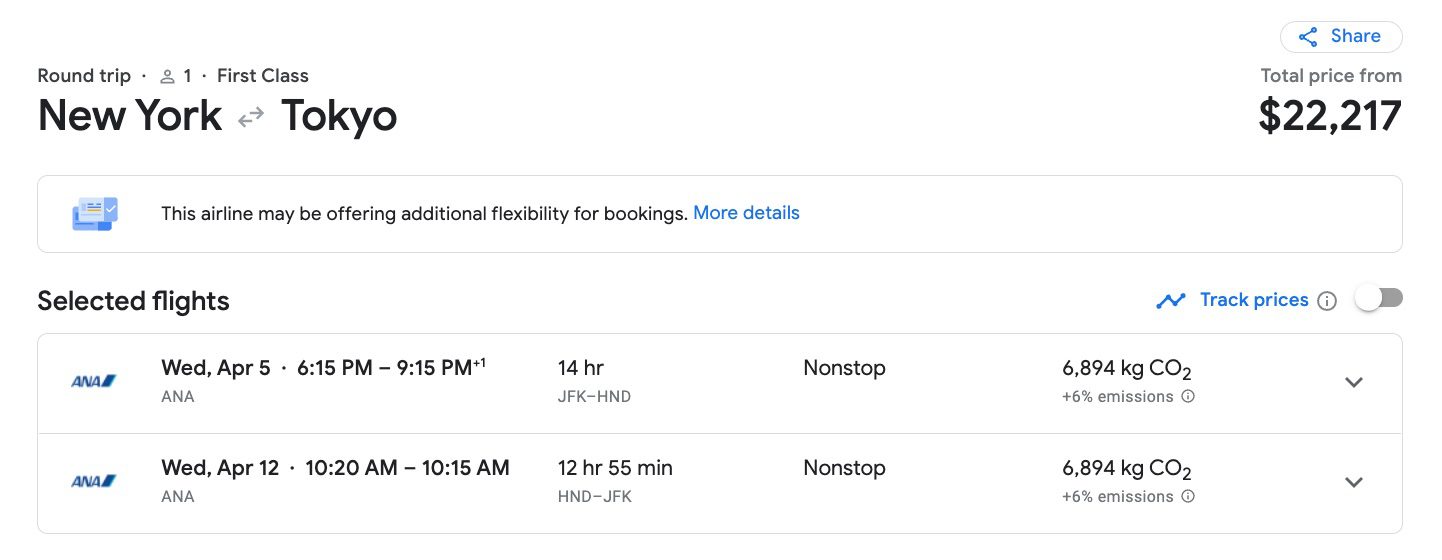
- Goal: Business Class flight from London (LHR) to Tokyo, maximizing comfort and service while finding good value, budget around $3500-$5000 USD.
- Strategy: Travel during shoulder or low season to avoid peak premium pricing. Utilize airline loyalty programs and credit card points to offset costs or upgrade. Monitor Business Class sales which occur periodically. Book 8-10 months in advance. Target direct flights to Haneda (HND).
- Outcome: By leveraging accumulated points for a significant discount and finding a Business Class sale during the winter months, managed to book a direct flight with a top-tier airline for $4200. This provided maximum comfort and convenience without paying the absolute peak price.
In conclusion, the cost of a flight to Tokyo is a multi-faceted financial puzzle. By understanding the underlying variables, employing strategic booking techniques, and meticulously accounting for all potential expenses, you can transform the daunting question of “how much is a flight to Tokyo?” into an exciting financial planning exercise that brings your dream Japanese adventure within reach. Diligence, flexibility, and informed decision-making are your most valuable assets in securing a flight that fits both your travel aspirations and your budget.
aViewFromTheCave is a participant in the Amazon Services LLC Associates Program, an affiliate advertising program designed to provide a means for sites to earn advertising fees by advertising and linking to Amazon.com. Amazon, the Amazon logo, AmazonSupply, and the AmazonSupply logo are trademarks of Amazon.com, Inc. or its affiliates. As an Amazon Associate we earn affiliate commissions from qualifying purchases.