
In a world increasingly conscious of ethical consumption, health, and environmental impact, the humble cake has undergone a remarkable transformation. No longer just a sweet indulgence, the “vegan cake” has emerged as a significant culinary and commercial entity. But beyond its plant-based ingredients, what is a vegan cake from a branding perspective? It is a product, a promise, a lifestyle choice, and a powerful statement that requires astute brand strategy to truly thrive in a competitive market. Understanding its essence is crucial for businesses aiming to connect with a growing segment of consumers who prioritize compassion, health, and sustainability.
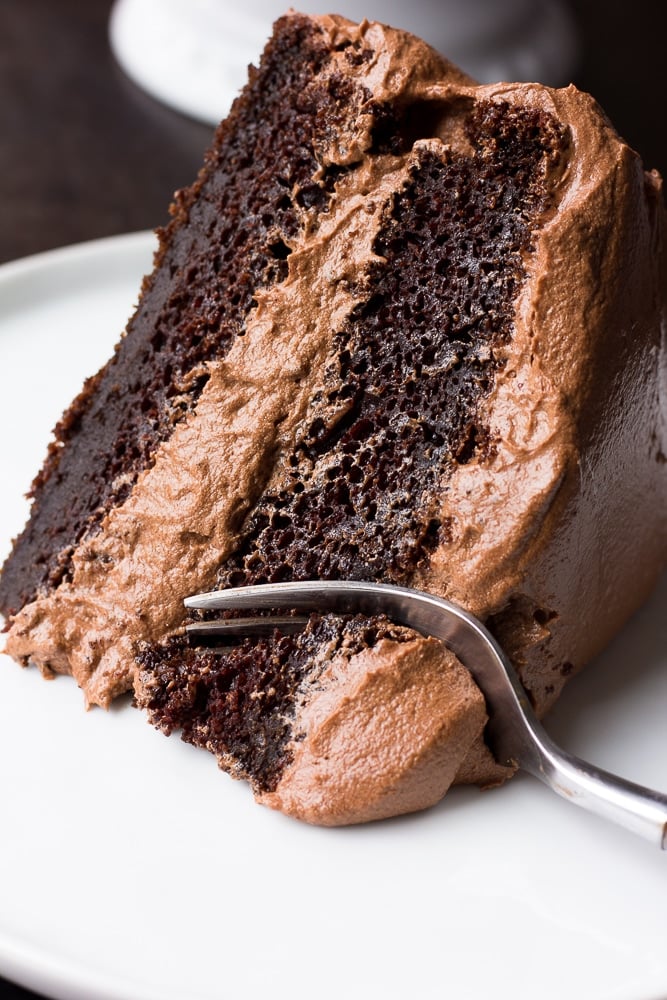
A vegan cake, at its core, is a dessert made without any animal-derived ingredients – meaning no eggs, dairy milk, butter, or honey. However, its brand identity extends far beyond this simple definition. It embodies a narrative of innovation, ethical choices, and a commitment to a better future, all while delivering an exceptional taste experience. For a brand to succeed in this niche, it must effectively communicate these layers of meaning, translating plant-based ingredients into compelling brand stories and irresistible offerings.
Defining the Vegan Cake Brand Identity
The success of a vegan cake in the marketplace isn’t solely dependent on its taste or texture, but profoundly on its brand identity. This identity is the sum of how the product is perceived, what values it represents, and how it differentiates itself in the minds of consumers. Crafting this identity requires a deep understanding of the product’s intrinsic value, its audience, and its unique market position.
The Core Product Proposition: Beyond Ingredients
While the absence of animal products is the foundational characteristic, the core product proposition of a vegan cake brand must delve deeper. It’s about what the cake offers beyond its vegan status. Is it indulgence without guilt? A healthier alternative? A celebration of natural ingredients? Or perhaps a statement of culinary artistry that happens to be vegan? A strong brand identifies and articulates this primary benefit, ensuring it resonates with consumer desires. For instance, a brand might position itself on “clean eating” with whole, organic ingredients, while another might focus on “decadent indulgence,” proving that vegan can be just as luxurious as traditional options. The proposition moves from “what it isn’t” (not animal-based) to “what it is” (a delightful, conscientious treat).
Target Audience Segmentation and Values Alignment
Who is the vegan cake for? While “vegans” are an obvious segment, the market is much broader. Flexitarians, individuals with allergies (lactose, egg), health-conscious consumers, and those curious about plant-based options all represent potential customers. A successful brand doesn’t just cater to a broad “vegan-friendly” market; it segments its audience and aligns its brand values with their specific motivations. For example, a brand targeting health-conscious millennials might emphasize natural sugars and superfood inclusions, using sleek, minimalist design. In contrast, a brand aiming for family celebrations might focus on classic flavors, comforting aesthetics, and messaging that highlights inclusivity. Understanding these diverse motivations is key to tailoring messaging and design elements that forge a deep connection.
Crafting a Unique Selling Proposition (USP)
In a burgeoning market, simply being “vegan” is no longer enough of a USP. Brands must identify and articulate what makes their vegan cake unique. This could be anything from innovative flavor combinations (e.g., lavender-earl grey vegan cake), a commitment to allergen-friendly options (gluten-free, nut-free vegan), sustainable packaging, a compelling origin story, or exceptional artisanal quality. A strong USP provides a clear reason for consumers to choose one vegan cake brand over another. It helps the brand cut through the noise, establish a memorable identity, and cultivate a loyal following. Without a distinct USP, a vegan cake can quickly become a commodity, struggling to differentiate itself beyond price.
Strategic Marketing for Vegan Cake Products
Once the brand identity is firmly established, strategic marketing becomes the engine for communicating this identity to the target audience. Effective marketing for vegan cakes leverages digital platforms, visual storytelling, and community engagement to build awareness, trust, and desire.
Digital Presence and Storytelling
In the modern era, a robust digital presence is non-negotiable. For vegan cake brands, this means more than just a website; it encompasses social media engagement, content marketing, and influencer collaborations. Storytelling is paramount here. Brands can share the journey of ingredient sourcing, the passion of their bakers, the health benefits, or the ethical impact of their choices. Visually appealing photography and videography showcasing the cakes’ artistry and deliciousness are crucial on platforms like Instagram and Pinterest. Blogs and recipe sections can educate consumers, while engaging captions and interactive stories can foster a sense of community. The digital space is where the brand narrative truly comes alive, transforming a simple cake into an experience.
Packaging Design: Communicating Brand Values
Packaging is often the first physical interaction a consumer has with a vegan cake brand, making it a critical component of brand strategy. It’s not just about protection; it’s a silent salesperson and a powerful communicator of brand values. For a vegan cake, packaging can highlight key attributes like sustainability (recycled materials, compostable packaging), natural ingredients (earthy tones, minimalist design), or premium quality (elegant fonts, sophisticated color palettes). The visual appeal, material choices, and clear labeling (e.g., “100% Plant-Based,” “Dairy-Free”) all work in concert to reinforce the brand’s identity and attract the desired customer. Thoughtful design can evoke trust, desirability, and align with the conscientious values of the target audience.
Collaborations and Community Building
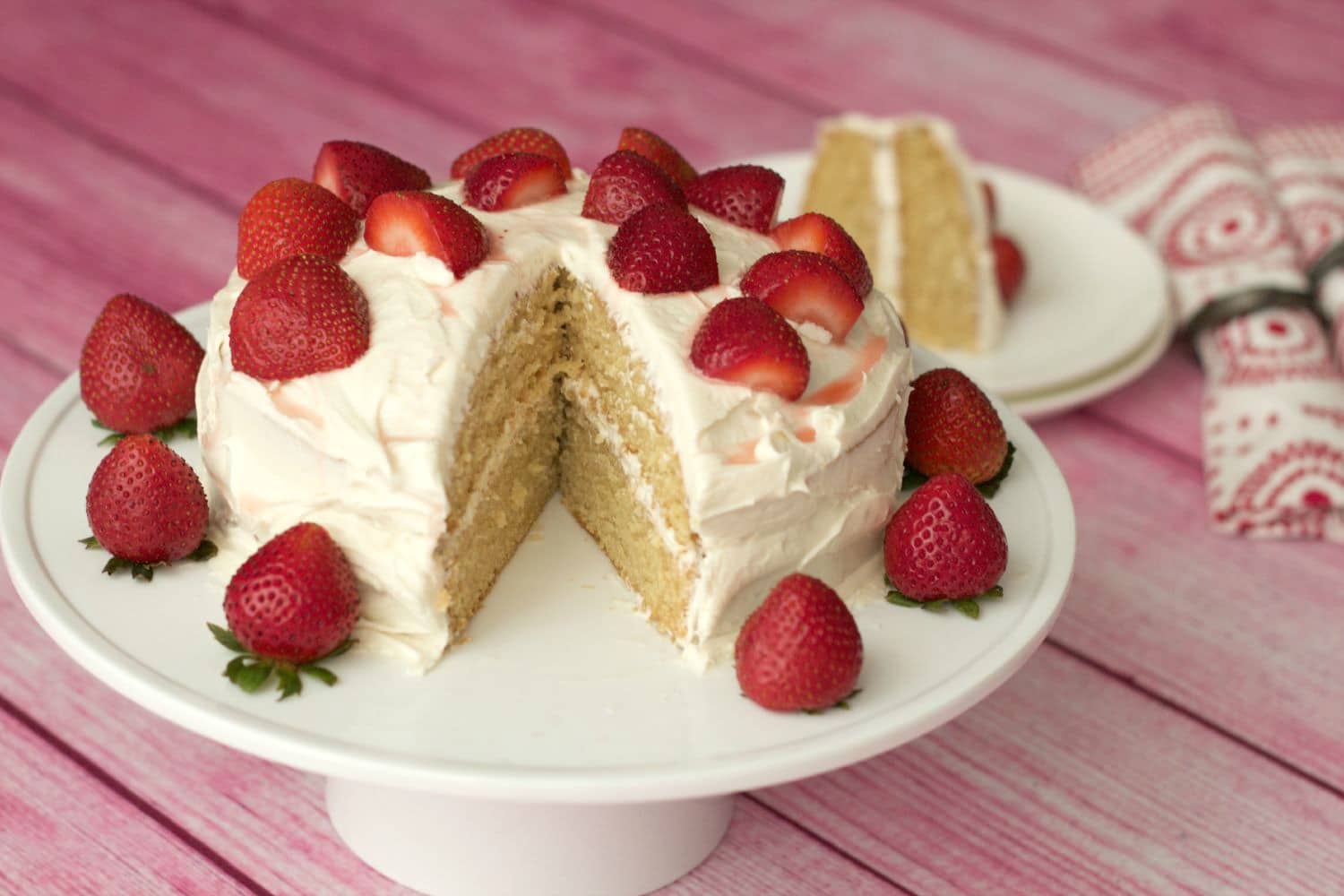
Building a brand in the vegan space benefits immensely from strategic collaborations and community engagement. Partnering with vegan cafes, health food stores, wellness influencers, or even plant-based charities can expand reach and lend credibility. These collaborations can introduce the brand to new audiences who already share similar values. Furthermore, fostering a sense of community around the brand – through social media groups, events, or customer loyalty programs – transforms consumers into advocates. Engaging with feedback, celebrating customer stories, and participating in wider vegan movements helps build a loyal base that feels connected to the brand’s mission, not just its product.
Navigating Market Trends and Consumer Perceptions
The plant-based market is dynamic, influenced by evolving health trends, ethical considerations, and environmental concerns. A successful vegan cake brand must not only be aware of these trends but also strategically position itself to capitalize on them and address potential misconceptions.
Health & Wellness: A Key Differentiator
While cakes are inherently indulgent, vegan cakes often carry an implied association with health and wellness, which can be a powerful differentiator. Brands can leverage this by highlighting aspects such as reduced saturated fat (due to the absence of butter), the fiber content from plant-based flours, or the use of natural sweeteners and superfood ingredients. Messaging can focus on “guilt-free indulgence” or “nourishing treats.” However, it’s crucial to strike a balance, as the primary expectation from a cake is still deliciousness. Brands that successfully position their vegan cakes as both delicious and a healthier choice for specific dietary needs (e.g., for those with dairy allergies or cholesterol concerns) can tap into a broader market seeking mindful indulgence.
Sustainability and Ethical Sourcing
For many vegan consumers, the choice extends beyond animal welfare to broader environmental concerns. Brands that integrate sustainability and ethical sourcing into their core identity and communicate it transparently can gain a significant advantage. This could involve sourcing local, organic ingredients, using fair trade products, minimizing food waste in production, or implementing eco-friendly delivery practices. Highlighting these commitments through clear labeling, corporate social responsibility reports, or even showcasing supplier relationships builds trust and resonates deeply with the values of the target demographic. This isn’t just a marketing tactic; it’s an authentic reflection of the brand’s ethos, bolstering its reputation and consumer loyalty.
Overcoming Misconceptions and Building Trust
Despite growing popularity, misconceptions about vegan food persist, particularly regarding taste and texture. Some consumers may assume vegan cakes are dry, bland, or “taste healthy” in a bad way. A key branding challenge is to dismantle these stereotypes. This requires relentless focus on product quality, consistent messaging about deliciousness, and showcasing positive testimonials. Offering samples, engaging in taste tests, and using enticing visual content can help demonstrate that vegan cakes are just as, if not more, delicious and satisfying as their traditional counterparts. Building trust involves transparency about ingredients, clear labeling, and delivering on the promise of an exceptional culinary experience every single time.
Building Brand Loyalty in the Vegan Dessert Space
Loyalty is the ultimate prize for any brand. In the vegan dessert market, where consumers often make choices based on strong personal values, fostering loyalty transforms customers into advocates, ensuring sustained growth and resilience.
Consistency in Quality and Experience
The cornerstone of brand loyalty is unwavering consistency. A vegan cake brand must deliver the same high quality, delicious taste, and delightful experience with every purchase. Any deviation can quickly erode trust and drive customers to competitors. This consistency extends beyond the product itself to customer service, packaging, and overall brand interactions. When consumers know they can rely on a brand for a consistently excellent product that aligns with their values, they are more likely to become repeat buyers and recommend it to others. This reliability builds a strong, dependable brand image.
Innovation and Product Diversification
While consistency is key, stagnation can be detrimental. The vegan food market is characterized by rapid innovation. Brands that consistently introduce new flavors, seasonal offerings, or diversified product lines (e.g., vegan cupcakes, cookies, custom cakes) keep their audience engaged and excited. This innovation should always align with the core brand identity and values. For instance, a brand known for “health-conscious indulgence” might introduce a new line of gluten-free, sugar-free vegan cakes. Such strategic diversification demonstrates adaptability and a commitment to meeting evolving consumer demands, reinforcing the brand’s position as a leader in the space.
Customer Engagement and Feedback Loops
Engaging directly with customers and actively listening to their feedback is invaluable for building loyalty. This can involve social media polls, direct messaging, surveys, or creating platforms for customer reviews. Brands that show they value their customers’ opinions and are willing to adapt or improve based on feedback foster a strong sense of community and appreciation. This two-way communication builds a relationship that goes beyond a transactional exchange, making customers feel heard and valued. Promptly addressing concerns and celebrating positive experiences strengthens the brand-customer bond, turning passive buyers into active brand champions.

Conclusion
“What is a vegan cake?” From a branding perspective, it is a complex, multifaceted offering that encapsulates innovation, ethics, health, and indulgence. It’s a product with a powerful narrative, capable of resonating deeply with a discerning consumer base. Building a successful vegan cake brand requires more than just mastering plant-based baking; it demands a clear understanding of brand identity, strategic marketing, a keen awareness of market trends, and an unwavering commitment to fostering customer loyalty. By meticulously crafting their story, aligning with consumer values, and consistently delivering on their promises, vegan cake brands can secure their place not just in the dessert aisle, but in the hearts and minds of a growing, conscientious global audience.
aViewFromTheCave is a participant in the Amazon Services LLC Associates Program, an affiliate advertising program designed to provide a means for sites to earn advertising fees by advertising and linking to Amazon.com. Amazon, the Amazon logo, AmazonSupply, and the AmazonSupply logo are trademarks of Amazon.com, Inc. or its affiliates. As an Amazon Associate we earn affiliate commissions from qualifying purchases.