
At first glance, the tuning fork might appear to be a relic from a bygone era, a simple metal gadget primarily associated with orchestras, piano tuners, or perhaps a high school physics class. Yet, to dismiss it as merely an outdated curiosity would be to overlook its profound significance. Far from being an obsolete device, the tuning fork embodies fundamental scientific principles – precision, resonance, and the generation of pure frequencies – that have not only informed but continue to underpin a vast array of modern technological advancements. Understanding “what is a tuning fork used for” is not just an exercise in historical appreciation; it’s an exploration into the bedrock concepts upon which much of our contemporary tech landscape is built. This seemingly humble gadget, an early example of precision engineering, provides a gateway to comprehending the intricate world of sound, vibration, and their pervasive applications in tech, from medical diagnostics to advanced sensor design and the digital audio revolution.
The Core Mechanism: Precision and Purity of Sound
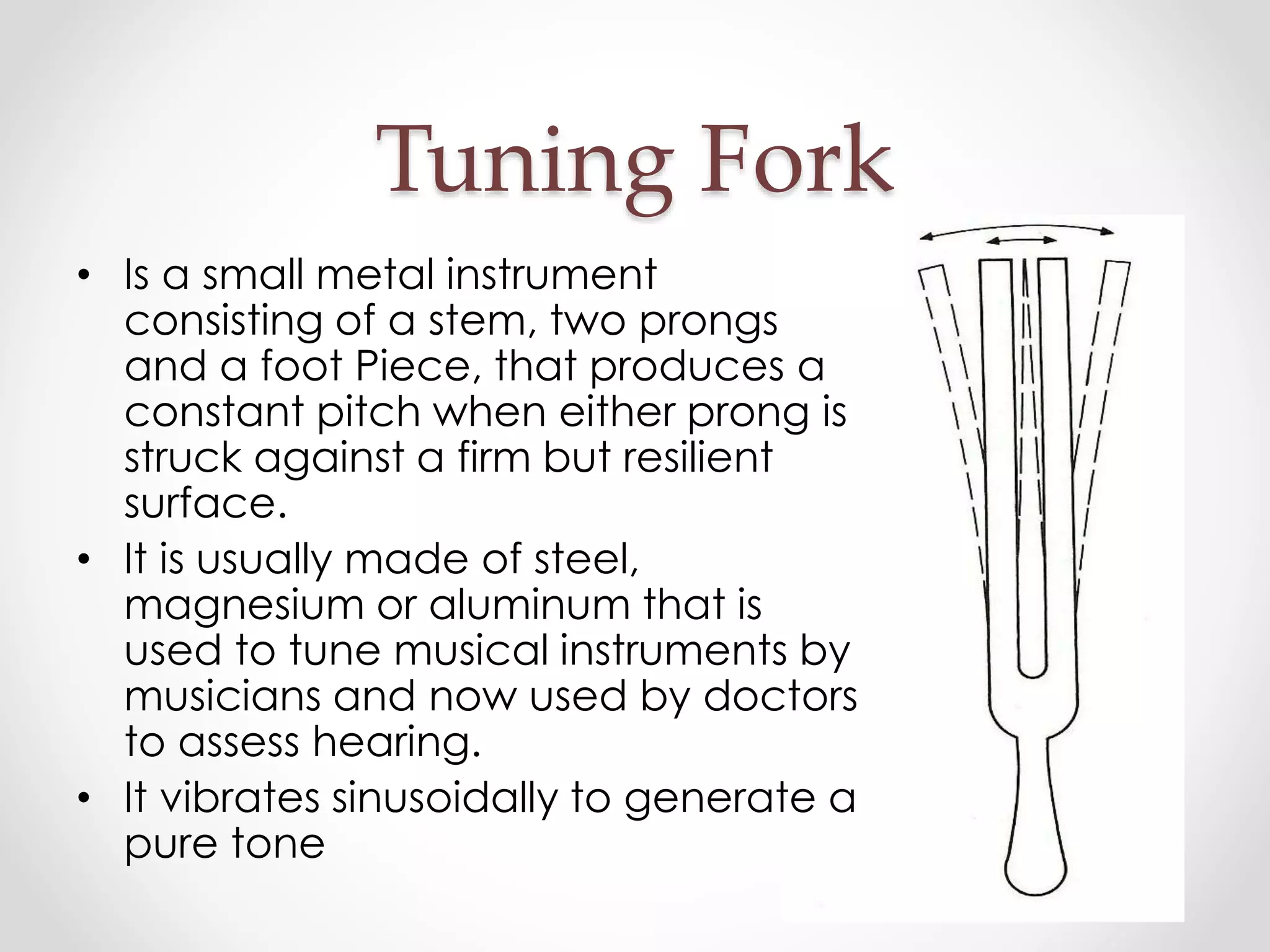
The essence of a tuning fork lies in its elegantly simple yet remarkably effective design: two prongs (tines) connected by a handle. When struck, this metallic device vibrates at a specific, highly stable frequency, producing a pure musical tone. This purity and stability are its defining characteristics and the source of its enduring relevance, both historically and conceptually for modern technology.
The Science Behind the Hum: Resonance and Frequency
A tuning fork operates on the principle of resonance. Each fork is meticulously designed to vibrate at a particular natural frequency when energy is applied. This frequency is determined by the length of its prongs, the material it’s made from, and its overall mass. Unlike complex musical instruments that produce a rich tapestry of overtones and harmonics, a tuning fork is engineered to produce a nearly pure sine wave – a single, fundamental frequency with minimal overtones. This characteristic makes it an ideal standard for pitch. In the realm of technology, the precise control and generation of specific frequencies are paramount. From the oscillating crystals in our digital watches and computers to the radio waves that transmit information, the ability to generate and maintain a stable, accurate frequency is a cornerstone of modern electronics and communication. The tuning fork provides a tangible, mechanical illustration of this critical concept, laying the groundwork for understanding more complex electronic oscillators and frequency synthesizers.
A Legacy of Accuracy: Establishing a Standard Pitch
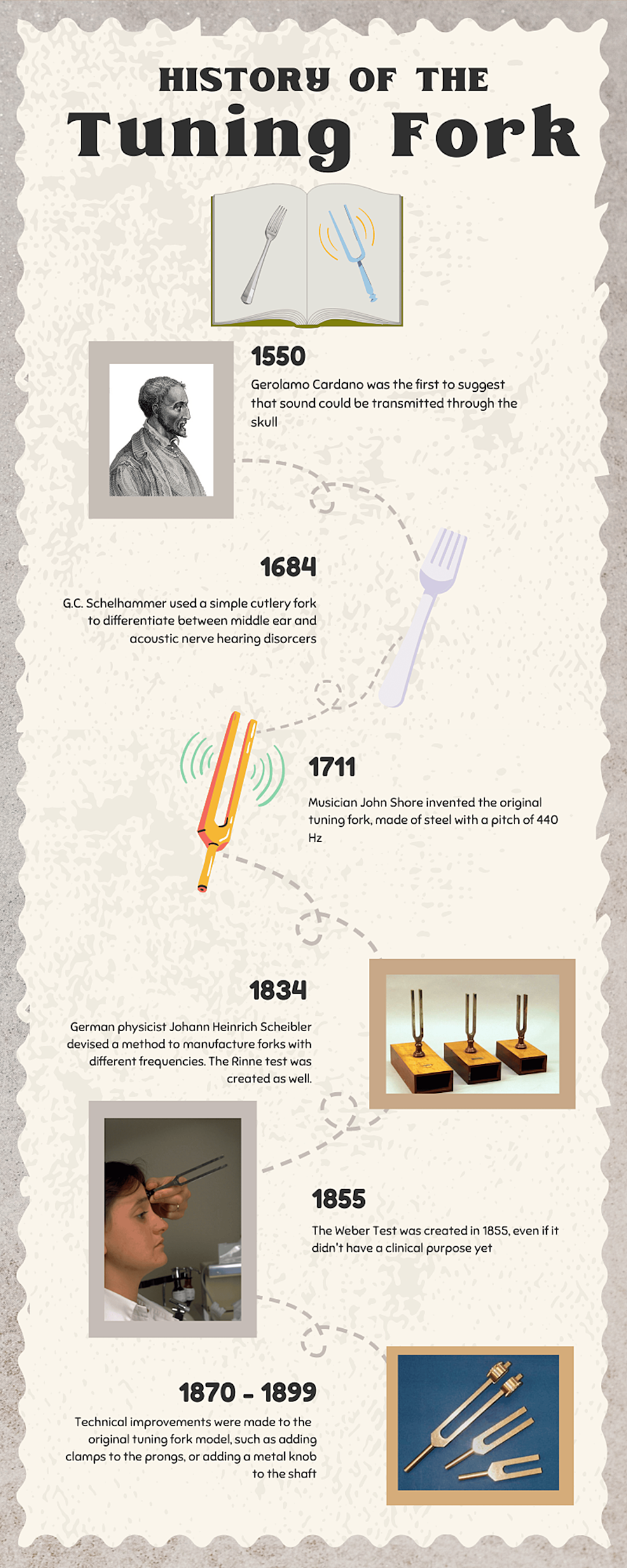
Historically, one of the primary uses of a tuning fork was to establish a universal standard pitch. Before the advent of electronic tuners, musicians and instrument makers relied on tuning forks to ensure their instruments were calibrated to a consistent “A” (typically A440, meaning 440 Hz). This standardization was crucial for orchestras and ensembles to play harmoniously together. The tuning fork, therefore, served as an early form of a “calibration tool” – a gadget designed to provide an accurate, reproducible reference. This concept of calibration is absolutely vital in technology. Every scientific instrument, every sensor, every digital measurement device requires regular calibration against a known standard to ensure its readings are accurate and reliable. Whether it’s calibrating an oscilloscope, a thermometer, or a mass spectrometer, the principle remains the same: comparing a device’s output to an established, precise reference, a role the tuning fork pioneered in the auditory domain.
Traditional Applications in the World of Sound and Science
Before delving into its modern technological implications, it’s important to appreciate the foundational roles the tuning fork played in traditional contexts, roles that inherently linked it to early forms of scientific and artistic “tech.”
Musical Harmony: From Orchestras to Choir Practices
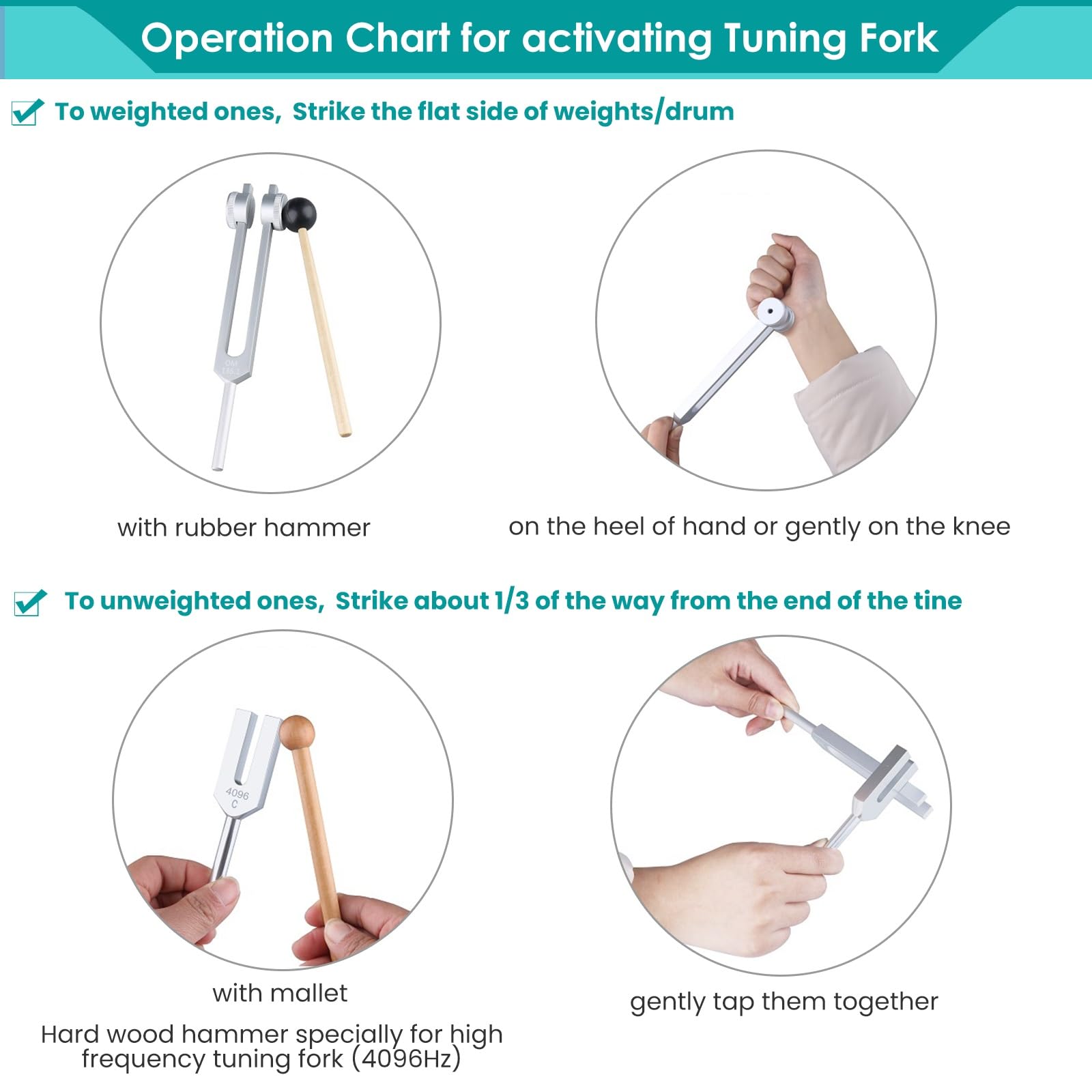
The most widely recognized application of a tuning fork is, without doubt, in music. For centuries, it has been the go-to gadget for musicians to find and maintain the correct pitch. A conductor might strike a tuning fork to give the orchestra the starting A note, ensuring every instrument is precisely tuned before a performance. Choir directors use them to provide a reference pitch for singers. Piano tuners rely on them to accurately set the pitch of the central A key, then tune the rest of the piano relative to that established standard. In this context, the tuning fork acts as a human-portable, battery-free frequency generator, an essential tool for creating harmonious acoustic experiences. This direct, practical application underscores the need for precise frequency control in any system, whether musical or electronic, where multiple components must operate in synchronicity.
Physics Classrooms: Demonstrating Wave Phenomena
Beyond music, the tuning fork has been an invaluable teaching tool in physics and acoustics. It serves as an excellent demonstrator for various wave phenomena, making abstract concepts tangible. Students use tuning forks to illustrate resonance, where a vibrating fork can cause another object (like a resonating box) to vibrate sympathetically if tuned to the same frequency. They can also be used to study wave interference, the Doppler effect, and to measure the speed of sound. In these educational settings, the tuning fork acts as a foundational scientific “gadget” – a simple, understandable device that clearly illustrates complex physical principles. The insights gained from such experiments are directly transferable to understanding modern technologies that manipulate sound and waves, such as sonar, radar, and wireless communication.
Acoustic Research: A Baseline for Experimentation
Historically, researchers in acoustics used tuning forks as controlled sound sources for experiments. Their pure tone made them ideal for isolating specific frequencies for study, free from the complexities of overtones found in other sound producers. This allowed early scientists to better understand how sound waves behave in different mediums, how they reflect and absorb, and how they interact with human hearing. This scientific application highlights the tuning fork’s role as a precision instrument for data collection and analysis, a fundamental aspect of any technological R&D. By providing a reliable, repeatable sound source, it enabled systematic investigation, laying the groundwork for advancements in microphone technology, speaker design, and noise cancellation systems.
Bridging the Gap: Tuning Fork Principles in Modern Technology
While you won’t find a tuning fork at the heart of your smartphone, the principles it embodies are woven into the fabric of countless modern technologies. Its simple vibratory mechanics provide a crucial conceptual link to sophisticated electronic and mechanical systems.
Medical Diagnostics: Beyond the Basic Neurological Exam
One of the lesser-known but historically significant applications of tuning forks is in medicine, particularly in neurological examinations. Doctors use tuning forks (often at 128 Hz or 256 Hz) to test a patient’s vibratory sense, which can indicate nerve damage or neurological conditions. When placed on a bony prominence, the patient should be able to feel the vibration. While this is a direct, traditional use, the underlying concept — using specific vibrations to assess bodily function — has evolved into highly advanced medical technology. Consider ultrasound, a diagnostic imaging technique that uses high-frequency sound waves (far beyond the range of a tuning fork) to create images of internal body structures. Or think of lithotripsy, which uses focused shock waves to break up kidney stones. Even technologies like vibratory therapy for muscle recovery or haptic feedback in surgical robots draw conceptual lineage from the understanding of how controlled vibrations can interact with biological systems. The tuning fork served as an early, primitive “sensor” and “actuator” in medical assessment, demonstrating the potential of mechanical vibrations for diagnostic and therapeutic purposes.
Calibration and Metrology: Ensuring Accuracy in Instruments
The tuning fork’s role as a reference standard for pitch directly translates to the critical technological field of metrology – the science of measurement. In advanced tech, precision calibration is paramount. For example, atomic clocks, which are the most accurate timekeepers known, rely on the precise resonant frequency of atoms. Quartz crystal oscillators, found in virtually every electronic device from computers to smartwatches, operate on a principle analogous to a tuning fork: a quartz crystal vibrates at an incredibly stable frequency when an electric current is applied, providing the “tick” that synchronizes all operations. More complex systems, like gyroscopes in navigation systems (e.g., in drones, missiles, or smartphones), often use vibratory structures that detect changes in orientation based on the Coriolis effect, a sophisticated application of vibrational physics. Even microelectromechanical systems (MEMS) accelerometers and pressure sensors often involve tiny vibrating elements whose frequencies shift in response to external forces. In all these cases, the tuning fork’s simple demonstration of stable, reproducible frequency generation serves as a foundational concept for sophisticated, high-precision measurement and timing technologies.
Audio Engineering and Digital Sound: The Quest for Perfect Frequency
In the realm of audio engineering, while electronic frequency generators and digital audio workstations have long replaced physical tuning forks for day-to-day work, the principle of a stable reference pitch remains vital. When recording, mixing, or mastering audio, engineers often require precise reference tones for calibration, signal testing, and ensuring consistent playback across different systems. Digital audio itself is built upon the precise sampling of sound waves, converting continuous analog signals into discrete digital data points. The accuracy of these samples, and the ability to reproduce a specific frequency faithfully, is a testament to the advancements in digital signal processing. The quest for “perfect frequency” that the tuning fork historically addressed has transformed into algorithms and hardware that can generate, analyze, and manipulate sound with incredible fidelity, pushing the boundaries of what’s possible in music production, communication systems, and virtual reality audio.
The Evolution of Precision: From Mechanical Gadget to Digital Tool
The journey from a simple metal fork to complex silicon chips highlights a continuous drive in technology: the pursuit of greater precision, control, and versatility in frequency generation and sensing.
From Analog to Digital: Electronic Tuners and Frequency Generators
The direct descendants of the tuning fork in the musical world are electronic tuners. These digital “gadgets” use microprocessors to analyze sound waves, identify their frequency, and display whether a note is sharp, flat, or perfectly in tune. Far more versatile than a single-pitch tuning fork, electronic tuners can identify any note across a wide range, often offering visual feedback for precise adjustment. Similarly, electronic frequency generators are indispensable tools in engineering labs, allowing technicians to produce a vast spectrum of frequencies for testing circuits, calibrating equipment, and performing scientific experiments. These devices, while digital and complex, fulfill the same core function as the tuning fork: providing an accurate, controlled frequency source. Their evolution underscores how technology takes a foundational principle and scales it exponentially in terms of capability and flexibility.
Sensors and Actuators: Modern Manifestations of Vibrational Principles
Beyond sound, the principles of precisely controlled vibration and resonance, as first demonstrated by the tuning fork, are fundamental to many modern sensors and actuators. As mentioned, MEMS technology leverages these principles at the micro-scale to create tiny, yet powerful, components for smartphones, automobiles, and medical implants. Resonators, often derived from quartz or silicon, are at the heart of countless timing circuits and filters, ensuring the stability and integrity of electronic signals. Even the haptic feedback in your smartphone or game controller, which uses small vibrating motors to create tactile sensations, is a distant cousin to the tuning fork’s simple vibration, now precisely controlled and integrated into a complex user interface. These contemporary applications showcase how a deep understanding of basic physics, illuminated by tools like the tuning fork, continues to drive innovation in highly sophisticated technological “gadgets.”
The Enduring Relevance: Understanding Foundational Tech Concepts
Ultimately, the tuning fork remains a powerful symbol of precision and a tangible link to the fundamental physics that underpin so much of modern technology. Its simplicity belies the profound scientific principles it demonstrates. For anyone in tech, or those aspiring to be, understanding “what is a tuning fork used for” is more than just learning about an old tool; it’s about grasping the core concepts of frequency, resonance, and calibration. These are not just abstract ideas; they are the essential building blocks for designing, understanding, and troubleshooting everything from complex telecommunication systems and medical devices to advanced audio equipment and quantum computing. The humble tuning fork, therefore, stands as a testament to how foundational “gadgets” and their underlying science continue to shape and inspire the cutting edge of technological innovation.
aViewFromTheCave is a participant in the Amazon Services LLC Associates Program, an affiliate advertising program designed to provide a means for sites to earn advertising fees by advertising and linking to Amazon.com. Amazon, the Amazon logo, AmazonSupply, and the AmazonSupply logo are trademarks of Amazon.com, Inc. or its affiliates. As an Amazon Associate we earn affiliate commissions from qualifying purchases.