
Mexico has long been a premier destination for travelers, offering a rich tapestry of culture, history, and natural beauty. However, as we move deeper into the 21st century, the requirements for a seamless trip have evolved. Beyond a passport and a pair of sunglasses, the modern traveler must now consider their “digital suitcase.” Whether you are a digital nomad heading to the coworking hubs of Mexico City, a remote worker seeking the beaches of Tulum, or a tech-savvy tourist, understanding the technological landscape is crucial.
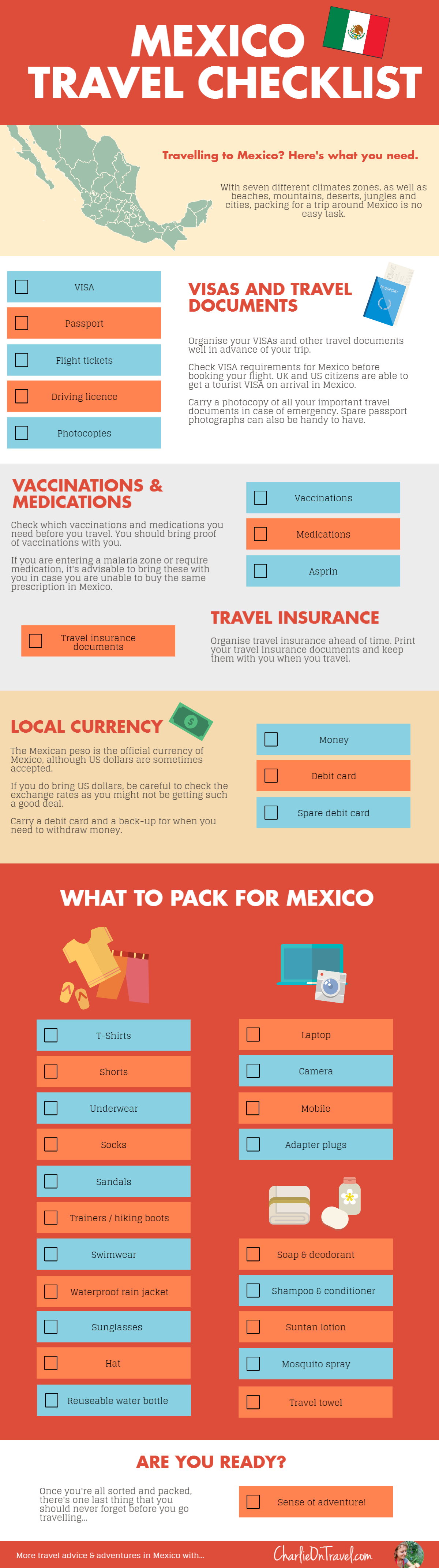
This guide explores the essential tech, software, and digital security measures you need to ensure your journey to Mexico is efficient, safe, and connected.
Navigating the Digital Entry and Connectivity Landscape
The first step in any international journey involves documentation and the ability to communicate upon arrival. Mexico has significantly modernized its entry processes, moving away from traditional paperwork toward a more digitized infrastructure.
The Transition to Digital FMMs and Paperless Entry
Historically, travelers to Mexico were required to fill out a paper Forma Migratoria Múltiple (FMM) on the plane or at the border. In a significant tech-forward move, the Mexican government has been phasing out these paper forms at major international airports like Cancun (CUN) and Mexico City (MEX). Instead, travelers now receive a digital stamp in their passport.
What do you need for this? A smartphone with a reliable camera and a cloud storage solution (like Google Drive or iCloud). It is highly recommended to take a high-quality photo of your entry stamp immediately after passing through immigration. This digital backup serves as your legal proof of stay should you lose your passport or encounter local authorities. For those entering via land borders, the electronic FMM (e-FMM) can still be applied for online, streamlining the process and reducing wait times.
Connectivity Solutions: eSIMs vs. Physical SIM Cards
The question of “how do I stay online?” is paramount. Relying on international roaming from your home carrier can lead to exorbitant “bill shock.” The tech-savvy solution lies in eSIM technology.
If your device supports it, platforms like Airalo, Holafly, or Maya Mobile allow you to purchase and install a Mexican data plan before you even board your flight. This ensures that the moment your plane touches down, you have access to LTE or 5G networks to book an Uber or check your hotel’s location. For those requiring heavier data usage for remote work, a local physical SIM card from providers like Telcel or AT&T Mexico remains the gold standard for reliability and cost-effectiveness. Telcel, in particular, offers the most extensive coverage, even in remote regions of Oaxaca or Baja California.
Essential Apps and Software for a Seamless Mexican Experience
The software on your smartphone acts as a personal concierge and translator. To navigate Mexico like a pro, your device should be pre-loaded with specific categories of applications.
Translation and Language Learning AI
While many people in tourist areas speak English, true immersion—and navigating logistical hurdles—requires Spanish. We have moved far beyond the physical phrasebook.
-
Google Translate: Ensure you download the Spanish language pack for offline use. The “Instant Camera Translation” feature is invaluable for reading menus or street signs in real-time.
-
DeepL: For more nuanced communication, such as emailing an Airbnb host or drafting a formal request, DeepL’s AI-driven translation offers superior grammatical accuracy compared to other tools.
-
Duolingo or Babbel: Engaging with these apps for even 15 minutes a day in the weeks leading up to your trip can significantly improve your auditory comprehension of Mexican dialects.
Navigation and Mobility Tech
Mexico’s urban centers are vast, and its rural roads can be complex.
-
Google Maps & Waze: Waze is exceptionally popular in Mexico for real-time traffic updates and identifying “baches” (potholes) or police checkpoints.
-
Rideshare Apps: While Uber is widely available in cities like Mexico City and Guadalajara, it is often restricted in places like Cancun due to local taxi union conflicts. In these areas, the app DiDi is a robust alternative. Both apps provide a layer of safety by tracking your GPS location and allowing you to share your trip status with friends or family.

Fintech and Digital Wallets in Mexico
Mexico is increasingly becoming a “tap-to-pay” economy in urban centers, though cash (pesos) remains king in smaller villages.
-
Apple Pay and Google Wallet: These are now widely accepted at OXXO (the ubiquitous convenience store), supermarkets, and high-end restaurants.
-
Wise and Revolut: These neobank apps are essential for the tech-savvy traveler. They allow you to hold a balance in Mexican Pesos (MXN) and convert currency at the mid-market rate, avoiding the predatory fees of traditional airport currency exchange booths. Furthermore, they allow you to “freeze” your card instantly from the app if it is lost or stolen.
Digital Security and Privacy for the Modern Traveler
Traveling exposes your digital life to new risks. Between public Wi-Fi at airports and the potential for device theft, a proactive tech security strategy is non-negotiable.
Protecting Your Data on Public Wi-Fi with VPNs
Whether you are working from a café in Roma Norte or checking your bank balance at the airport, you are likely using a public Wi-Fi network. These networks are often unencrypted, making them a playground for “man-in-the-middle” attacks where hackers can intercept your data.
A Virtual Private Network (VPN) is your first line of defense. Services like ExpressVPN, NordVPN, or Surfshark encrypt your internet traffic, ensuring that your sensitive information remains private. Additionally, a VPN allows you to maintain access to geo-restricted content from your home country, such as streaming services or secure banking portals that might flag an IP address from Mexico as suspicious.
Multi-Factor Authentication (MFA) and Device Security
Before you depart, audit your security settings. Ensure that Multi-Factor Authentication (MFA) is enabled on all critical accounts (email, banking, social media). However, avoid relying solely on SMS-based MFA, as you may not be able to receive text messages if your SIM card isn’t working. Instead, use an authenticator app like Google Authenticator or Authy, which generates codes locally on your device without needing a cellular signal.
Furthermore, ensure that “Find My iPhone” or “Find My Device” (Android) is active. In the unfortunate event of a lost or stolen phone, these tools allow you to remotely wipe your data, protecting your identity and financial accounts from unauthorized access.
Hardware and Gadgets: Building Your Travel Tech Stack
The physical gear you bring can make the difference between a productive trip and a frustrating one. Mexico’s infrastructure is generally good, but preparation for the unexpected is key.
Power Management and Universal Standards
Mexico uses the same Type A and Type B power outlets as the United States and Canada, with a standard voltage of 127V. If you are coming from Europe or Asia, you will need an adapter.
However, even for North Americans, the quality of power can fluctuate. A high-quality GaN (Gallium Nitride) charger is a space-saving essential. These chargers are smaller, more efficient, and can often charge a laptop, phone, and headphones simultaneously. Additionally, a high-capacity power bank (at least 10,000mAh) is vital for long bus rides or days spent exploring archaeological sites like Chichen Itza, where charging ports are non-existent.
Remote Work Essentials for Digital Nomads
For those traveling to Mexico to work, the “tech stack” expands.
-
Noise-Canceling Headphones: Essential for blocking out the vibrant (and often loud) sounds of Mexican street life during a Zoom call.
-
Portable Wi-Fi Hotspot: While local SIMs are great, a dedicated mobile hotspot (like those from Solis or GlocalMe) can provide a backup connection if your hotel’s Wi-Fi fails—a common occurrence during the rainy season or in coastal towns.
-
Privacy Screen Protectors: If you are working in public spaces, a privacy filter for your laptop prevents “shoulder surfing,” ensuring that your corporate data or personal messages stay private.

Conclusion
Traveling to Mexico in the current era is an exercise in balancing traditional exploration with digital preparedness. By digitizing your entry documents, securing your connectivity through eSIMs, leveraging the power of AI-driven translation apps, and hardening your digital security with VPNs, you transform your smartphone into a powerful tool for navigation and safety.
The “what do I need” for Mexico is no longer just a physical list—it is a digital ecosystem. When your tech is handled, you are free to focus on what truly matters: the vibrant culture, the incredible cuisine, and the breathtaking landscapes that make Mexico one of the most compelling countries on earth. Pack your gadgets wisely, secure your data, and enjoy the perfect synergy of travel and technology.
aViewFromTheCave is a participant in the Amazon Services LLC Associates Program, an affiliate advertising program designed to provide a means for sites to earn advertising fees by advertising and linking to Amazon.com. Amazon, the Amazon logo, AmazonSupply, and the AmazonSupply logo are trademarks of Amazon.com, Inc. or its affiliates. As an Amazon Associate we earn affiliate commissions from qualifying purchases.