
In the vast landscape of nutrition, fatty acids often command significant attention, particularly the “omega” family. Omega-3, 6, and 9 fatty acids are crucial components of our diet, each playing distinct roles in maintaining bodily functions. However, their specific differences, sources, and the critical balance required for optimal health are frequently misunderstood. This lack of clarity can lead to suboptimal dietary choices and, consequently, inefficient personal finance allocations towards health and wellness. Understanding these distinctions is not just a matter of nutritional literacy; it’s a vital step in making intelligent, cost-effective decisions for your long-term well-being.

The Foundation: Understanding Essential vs. Non-Essential Fatty Acids
To truly grasp the differences between omega-3, 6, and 9, it’s essential to first understand the concepts of “essential” and “non-essential” nutrients. Essential fatty acids are those our bodies cannot produce on their own and must be obtained through diet. Non-essential fatty acids, conversely, can be synthesized by the body if needed. This fundamental distinction impacts our dietary focus and, by extension, our supplement purchasing strategies, directly affecting our health-related expenditures.
Omega-3: The Anti-Inflammatory Powerhouse
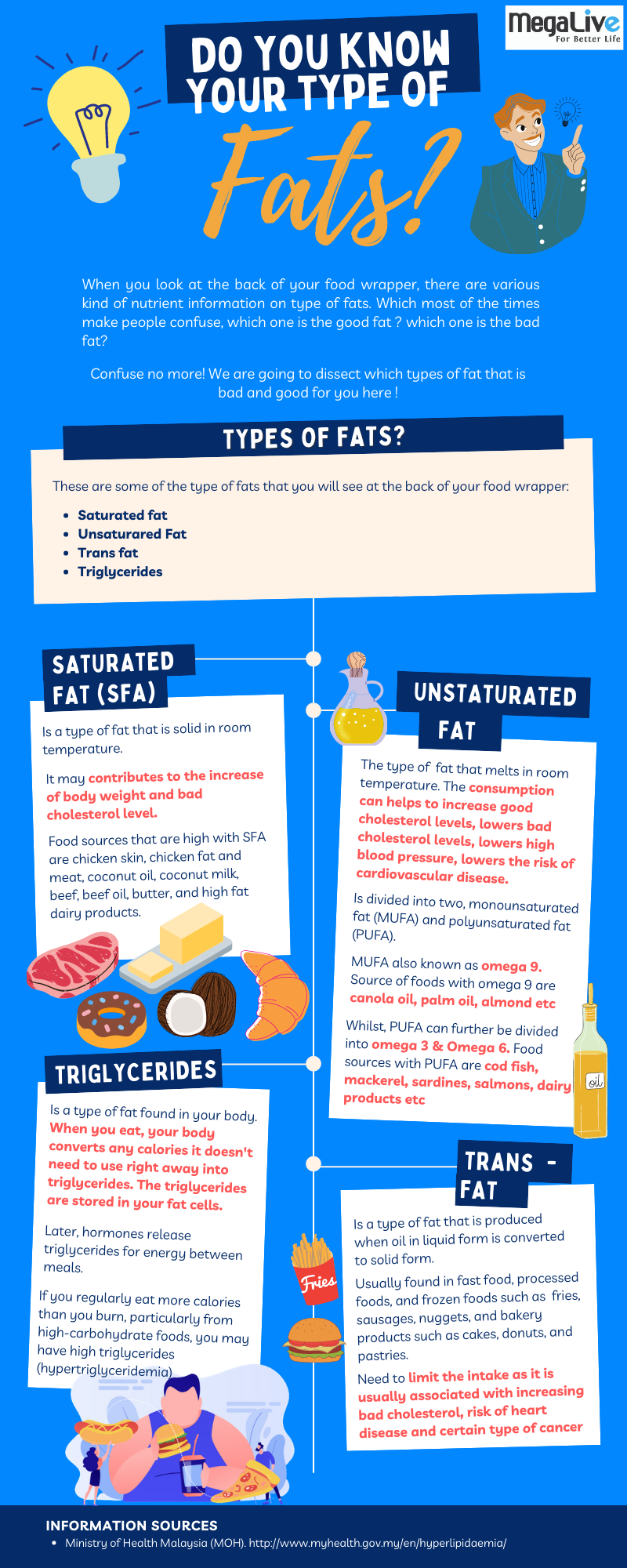
Omega-3 fatty acids are polyunsaturated fats renowned for their powerful anti-inflammatory properties and their critical role in brain health, vision, and heart function. They are considered essential fatty acids, meaning the human body cannot produce them. There are three primary types of omega-3s:
-
ALA (Alpha-linolenic acid): This is a short-chain omega-3 found primarily in plant sources. While beneficial, ALA must be converted by the body into EPA and DHA to be utilized for many of its health benefits. The conversion rate, however, is often low (around 5-10% for EPA and 0.5-5% for DHA), making direct intake of EPA and DHA crucial.
- Dietary Sources: Flaxseeds, chia seeds, walnuts, hemp seeds, soybeans, canola oil.
-
EPA (Eicosapentaenoic acid): This long-chain omega-3 is directly involved in reducing inflammation, supporting cardiovascular health, and alleviating symptoms of depression.
- Dietary Sources: Fatty fish (salmon, mackerel, sardines, tuna), fish oil supplements, some algal oils.
-
DHA (Docosahexaenoic acid): Another long-chain omega-3, DHA is vital for brain development and function, eye health, and maintaining cognitive abilities throughout life. It is particularly important during pregnancy and early childhood.
- Dietary Sources: Fatty fish, fish oil supplements, algal oils, fortified foods.
From a financial perspective, understanding the different types of omega-3s is key. Relying solely on ALA sources might seem cost-effective initially, but if your body’s conversion is inefficient, you might be missing out on crucial EPA/DHA benefits, potentially leading to more significant health costs down the line. Investing in high-quality fish oil or algal oil supplements can be a wise financial decision for ensuring adequate EPA and DHA intake, especially for those with limited access to or preference for fatty fish.
Omega-6: Balancing Inflammation and Vital Functions
Like omega-3s, omega-6 fatty acids are essential polyunsaturated fats that the body cannot produce. They are vital for numerous bodily processes, including cell growth, immune function, blood clotting, and maintaining skin and hair health. The primary omega-6 fatty acid is:
-
LA (Linoleic acid): This is a precursor to other omega-6s, such as arachidonic acid (AA), which plays a role in inflammatory responses.
- Dietary Sources: Vegetable oils (corn, soybean, sunflower, safflower), nuts, seeds, poultry, eggs.
While omega-6s are essential, the issue often lies in their abundance in the modern Western diet. Historically, humans consumed omega-3s and omega-6s in a much more balanced ratio (closer to 1:1 or 1:4). Today, due to the prevalence of processed foods and vegetable oils, the ratio can be as high as 1:10 or even 1:20 in favor of omega-6s. This imbalance is problematic because, while some omega-6s are anti-inflammatory, others (like AA) can be pro-inflammatory when present in excess, potentially contributing to chronic diseases.
Financially, this means a significant portion of our food budget, particularly for processed and restaurant foods, often contributes to an omega-6 overload. Making conscious choices to reduce processed food intake and select healthier cooking oils can significantly improve your omega-3 to omega-6 ratio without necessarily increasing your supplement budget. This proactive approach to diet is a cost-effective preventative health strategy.
Omega-9: The Understated Monounsaturated Fat
Unlike omega-3 and omega-6, omega-9 fatty acids are non-essential. The body can produce them, primarily from other unsaturated fats. However, including them in your diet is still beneficial for overall health. The most common omega-9 fatty acid is:
-
Oleic acid: This monounsaturated fat is widely recognized for its heart-healthy properties, including its ability to reduce LDL (“bad”) cholesterol levels and increase HDL (“good”) cholesterol.
- Dietary Sources: Olive oil, avocado oil, canola oil, nuts (almonds, cashews, pecans), avocados, peanuts.
Sources and Benefits of Omega-9
Omega-9s play a supportive role in reducing the risk of cardiovascular disease, improving insulin sensitivity, and supporting overall metabolic health. While the body can synthesize them, obtaining omega-9s directly from food sources ensures a consistent supply and harnesses the additional benefits often found in whole, unprocessed foods like olives and avocados.

From a personal finance standpoint, incorporating omega-9-rich foods is often an enjoyable and sustainable dietary choice. High-quality olive oil, for example, might seem a more significant upfront cost than cheaper cooking oils, but its extensive health benefits and culinary versatility make it a valuable long-term investment in your health and diet quality. It’s also important to note that many “omega 3-6-9” supplements often include omega-9, which, while beneficial, might be redundant if your diet is already rich in these fats, potentially leading to unnecessary spending.
The Critical Balance: Why Ratios Matter for Health & Personal Finance
Understanding the individual roles of omega-3, 6, and 9 is important, but recognizing their synergistic and sometimes competitive interactions is crucial. The balance between omega-3 and omega-6, in particular, is a cornerstone of modern nutritional science and directly impacts the effectiveness of our health investments.
The Modern Dietary Imbalance and Its Costs
As mentioned, the modern diet is heavily skewed towards omega-6s. This imbalance can fuel chronic low-grade inflammation, a precursor to many serious health conditions, including heart disease, type 2 diabetes, certain cancers, and autoimmune disorders. The long-term financial burden of managing these chronic conditions – through medications, doctor visits, hospitalizations, and lost productivity – can be enormous.
Therefore, consciously shifting the omega-3 to omega-6 ratio in your diet is not just a health recommendation; it’s a profound financial decision. Prioritizing foods rich in omega-3s and reducing excessive omega-6 intake can be a cost-effective preventative strategy, potentially saving thousands in future medical expenses. It means being a discerning consumer in the grocery store and critically evaluating the nutritional profile of the foods you purchase.
Strategic Supplementation: Making Informed Choices
Many individuals consider “omega 3-6-9” supplements. While these provide all three fatty acids, a critical consumer should question their necessity. Given the widespread abundance of omega-6 and omega-9 in the average diet, supplementing these might be superfluous. A more strategic and often more financially prudent approach is to focus on increasing omega-3 intake (especially EPA and DHA) while actively reducing excessive omega-6s in the diet.
-
Omega-3 supplementation: For many, particularly those who don’t regularly consume fatty fish, an omega-3 supplement (fish oil or algal oil) is a valuable investment. When choosing a supplement, consider:
-
EPA and DHA content: Look for high concentrations per serving.
-
Purity and freshness: Opt for reputable brands that provide third-party testing for contaminants (mercury, PCBs) and rancidity. This ensures you’re paying for quality and efficacy.
-
Form: Triglyceride form is generally better absorbed than ethyl ester.
-
-
Omega-6 & 9 supplementation: Unless specifically advised by a healthcare professional due to a diagnosed deficiency, supplementing omega-6 and omega-9 is often unnecessary. Your money is usually better spent on ensuring adequate omega-3s and consuming whole food sources of omega-9.
This strategic approach ensures your hard-earned money is invested where it’s most needed, preventing wasteful spending on redundant supplements.
Integrating Omegas into a Healthy Lifestyle: A Financial Perspective
Optimizing your omega fatty acid intake is an integral part of a holistic wellness strategy, with direct implications for your personal finance. It’s about making deliberate, informed choices that prioritize long-term health over short-term convenience or perceived savings.
Dietary Sources vs. Supplements: Cost-Benefit Analysis
When considering how to increase your omega intake, a cost-benefit analysis is crucial:
-
Dietary Sources: Prioritizing whole food sources of omega-3 (fatty fish, flaxseeds), reducing processed foods high in omega-6, and incorporating omega-9-rich foods (olive oil, avocados) is often the most sustainable and financially sound approach. Whole foods offer a synergy of nutrients beyond just fatty acids, providing fiber, vitamins, and minerals that supplements cannot fully replicate. While fatty fish can sometimes be more expensive per meal than processed alternatives, the long-term health benefits often outweigh the immediate cost difference. Learning to cook and prepare these foods at home can also be more economical than relying on restaurant meals.
-
Supplements: Supplements can be a valuable adjunct, particularly for omega-3s (EPA/DHA), where dietary intake might be insufficient. However, they should complement, not replace, a balanced diet. High-quality supplements have an upfront cost, but their role in preventing inflammation and supporting vital functions can prevent far more expensive health issues down the line. Avoid cheap, low-quality supplements that might be ineffective or even harmful, representing a complete waste of your investment.
Maximizing Your Health Investment
Ultimately, understanding the differences between omega-3, 6, and 9 empowers you to be a more effective steward of your health and finances. It transforms your approach from passive consumption to active, informed decision-making:
-
Educate yourself: Knowledge about essential nutrients is your most powerful tool against misleading marketing and unnecessary health expenditures.
-
Prioritize whole foods: Allocate a larger portion of your grocery budget to fresh produce, lean proteins (especially fatty fish), and healthy fats. This is an investment in your foundational health.
-
Supplement wisely: If you choose to supplement, research thoroughly, prioritize quality, and target specific needs (like sufficient EPA/DHA). Avoid generic “all-in-one” solutions if specific nutrients are already abundant in your diet.
-
Consult professionals: Before making significant dietary or supplement changes, consult a registered dietitian or healthcare provider. Their personalized advice can prevent costly mistakes and guide you toward the most effective strategies for your unique needs.
By diligently applying this knowledge, you are not just consuming fats; you are strategically investing in your long-term health, vitality, and financial security, reaping dividends in well-being for years to come.
aViewFromTheCave is a participant in the Amazon Services LLC Associates Program, an affiliate advertising program designed to provide a means for sites to earn advertising fees by advertising and linking to Amazon.com. Amazon, the Amazon logo, AmazonSupply, and the AmazonSupply logo are trademarks of Amazon.com, Inc. or its affiliates. As an Amazon Associate we earn affiliate commissions from qualifying purchases.