
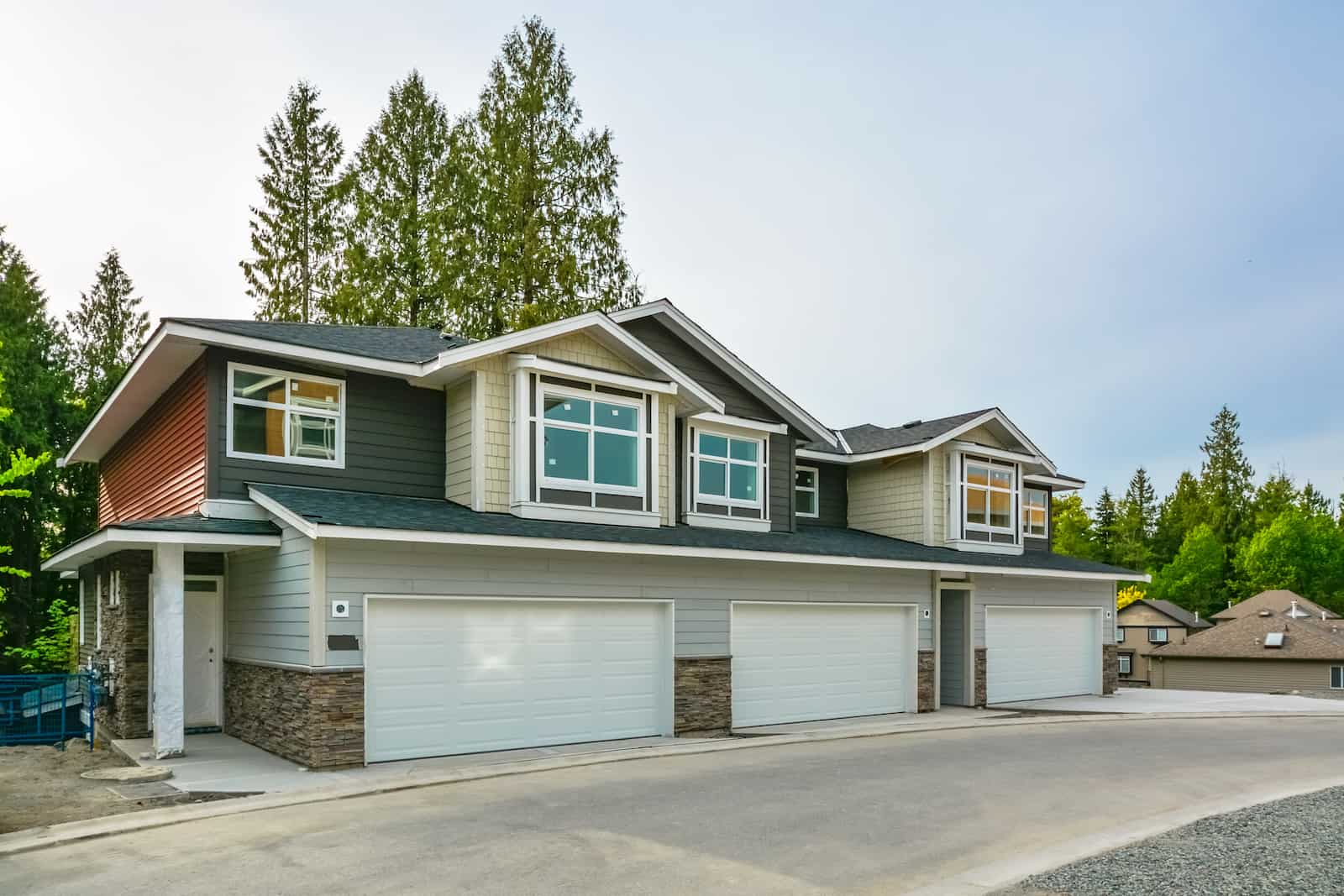
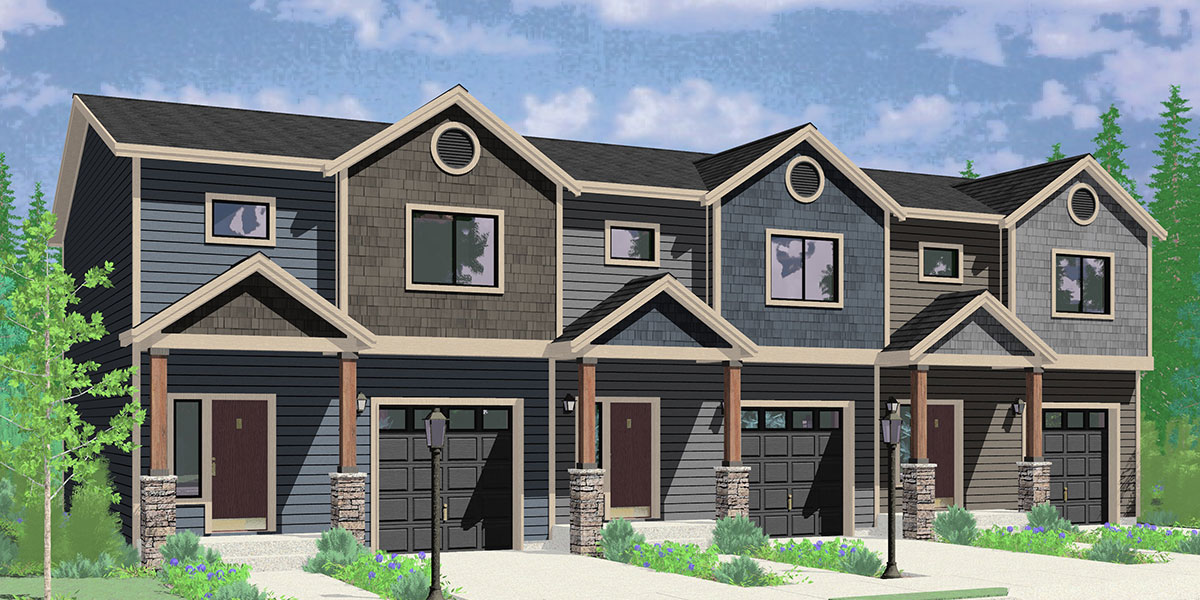
A triplex house represents a significant and often misunderstood asset class within the broader real estate market, holding particular appeal for individuals and investors focused on financial growth, income generation, and strategic wealth building. At its core, a triplex is a single residential building divided into three separate living units, each with its own entrance, kitchen, and bathroom facilities. While the architectural configuration can vary — side-by-side, stacked, or a combination — its fundamental financial identity is that of a multi-unit property. Understanding a triplex from a purely monetary perspective involves delving into its characteristics as an investment vehicle, a source of income, and a strategic component of a diversified financial portfolio.
The Financial Lure of Triplexes: Investment Opportunities and Income Streams
The primary financial draw of a triplex house lies in its ability to generate multiple streams of rental income from a single property asset. Unlike a single-family home, which typically yields one rental payment, a triplex provides two or three. This diversification of income significantly mitigates risk; if one unit is vacant, the other two can still cover a substantial portion, if not all, of the property’s expenses, including mortgage payments, taxes, and insurance. This inherent resilience against vacancy makes triplexes a compelling option for those seeking a more stable and predictable cash flow from their real estate investments.
Rental Income Generation and Diversification
Each unit within a triplex can be leased independently, providing three distinct revenue streams. This capacity for multiple income sources enhances the property’s overall yield and contributes to a stronger capitalization rate (cap rate) compared to single-unit properties in similar markets. Investors often look for strong cap rates to assess the potential return on investment. Furthermore, the ability to collect rent from multiple tenants can provide a buffer against economic downturns or unexpected property expenses, ensuring a more consistent net operating income (NOI).
Owner-Occupant Advantage: The “House Hacking” Strategy
One of the most powerful financial advantages of a triplex, particularly for first-time investors or those looking to reduce personal housing costs, is the concept of “house hacking.” This strategy involves an owner-occupant living in one of the units while renting out the other two. From a financial standpoint, this can dramatically reduce or even eliminate the owner’s personal housing expenses, as the rental income from the other units can cover the entire mortgage payment and other operational costs. This frees up personal income for savings, further investments, or debt reduction, accelerating financial independence. Moreover, owner-occupancy often qualifies buyers for more favorable residential mortgage rates and lower down payment requirements (such as FHA loans), which are typically not available for purely investment properties. This allows investors to leverage their capital more efficiently and enter the multi-family market with less upfront cost.
Long-Term Appreciation and Equity Build-Up
Beyond immediate cash flow, triplexes offer the potential for long-term capital appreciation, a cornerstone of real estate investment wealth building. As property values generally tend to increase over time due to inflation, demand, and economic growth, the value of a triplex can grow substantially. Concurrently, as mortgage principal is paid down over the years, the owner’s equity in the property steadily increases. This dual benefit—appreciation and principal reduction—contributes significantly to the owner’s net worth. Strategic improvements to the property, such as renovations, landscaping, or upgraded amenities, can further accelerate appreciation and justify higher rental rates, directly impacting the property’s overall financial performance and value.
Navigating the Acquisition: Financing and Market Considerations
Acquiring a triplex is a significant financial undertaking that requires careful planning, a robust understanding of financing options, and a thorough market analysis. The decision to invest in a triplex should be driven by a clear financial strategy and a comprehensive assessment of the property’s potential.
Financing Options for Multi-Unit Properties
The financing landscape for triplexes differs from that of single-family homes. While conventional loans are available, government-backed options like FHA (Federal Housing Administration) loans are particularly attractive for owner-occupants. FHA loans allow for down payments as low as 3.5% for properties with up to four units, making triplexes accessible to buyers with limited capital. VA (Veterans Affairs) loans offer similar benefits for eligible veterans, often requiring no down payment. For purely investment-focused acquisitions, conventional multi-family mortgages require higher down payments (typically 20-25%) and stricter qualification criteria due to the perceived increased risk for the lender. Understanding these distinctions is crucial for selecting the most financially advantageous financing path.
Market Analysis, Property Valuation, and Due Diligence
Before making an offer, a rigorous market analysis is essential. This involves evaluating the local rental market demand, average rental rates for similar multi-unit properties, vacancy rates, and the economic health of the area. A comprehensive property valuation, often performed by an appraiser, will assess the triplex’s fair market value based on comparable sales and its income-generating potential.
Financial due diligence is paramount. This includes scrutinizing the property’s historical income and expenses, reviewing existing lease agreements, assessing the condition of major systems (HVAC, plumbing, electrical), and obtaining a professional inspection. A detailed pro forma analysis, projecting future income and expenses, cash flow, and return on investment (ROI), will provide a clear financial picture and help determine if the property aligns with investment goals. Understanding potential capital expenditures for future repairs or upgrades is also vital for long-term financial planning.
Maximizing Return: Management, Maintenance, and Value Appreciation
The financial success of a triplex investment extends far beyond the initial acquisition; it hinges on effective ongoing management, meticulous maintenance, and strategic efforts to enhance value. These operational aspects directly impact cash flow, tenant retention, and long-term appreciation.
Property Management Strategies and Tenant Relations
Effective property management is critical for maximizing rental income and minimizing expenses. Owners can choose between self-management or hiring a professional property management company. Self-management saves on management fees but demands significant time and expertise in tenant screening, lease enforcement, rent collection, and maintenance coordination. Professional management, while an added expense (typically 8-12% of gross rents), can be invaluable for passive investors, ensuring efficient operations, legal compliance, and optimized tenant relations. Strong tenant screening processes are vital for securing reliable renters, reducing turnover costs, and mitigating the financial risk associated with delinquent payments or property damage. Establishing clear communication channels and maintaining positive tenant relations can significantly reduce vacancy rates and enhance overall property performance.
Budgeting for Maintenance and Capital Expenditures
A common financial pitfall for multi-unit property owners is underestimating the costs of maintenance and capital expenditures. Regular maintenance — routine repairs, landscaping, cleaning common areas — directly impacts tenant satisfaction and prevents minor issues from escalating into costly problems. Capital expenditures, such as roof replacement, HVAC system upgrades, or major renovations, are significant, infrequent costs that must be budgeted for through a capital reserve fund. Neglecting these aspects can lead to declining property value, higher tenant turnover, and ultimately, reduced profitability. A proactive budgeting approach ensures sufficient funds are available, protecting the investment’s long-term financial health.
Tax Implications and Strategic Financial Planning
Ownership of a triplex comes with various tax implications that, when properly understood and leveraged, can significantly enhance financial returns. Property owners can typically deduct a wide array of expenses, including mortgage interest, property taxes, insurance premiums, maintenance costs, and depreciation. Depreciation, a non-cash expense, allows investors to deduct a portion of the property’s value each year, reducing taxable income. Consulting with a tax professional specializing in real estate can help owners optimize these deductions, understand local property tax assessments, and plan for potential capital gains taxes upon sale. Strategic financial planning involves continually re-evaluating rental rates, assessing market conditions, and considering refinancing opportunities to improve cash flow or extract equity for further investments.
Triplex vs. Other Multi-Unit Properties: A Comparative Financial Analysis
The decision to invest in a triplex often involves comparing it to other multi-unit property types, such as duplexes (two units) or fourplexes (four units), or even larger multi-family complexes. Each property type presents distinct financial characteristics, risk profiles, and operational complexities that influence an investor’s strategy and potential returns.
Duplexes and Fourplexes: Scaling Investment and Complexity
A duplex offers a simpler entry point into multi-unit investing, requiring less capital and potentially simpler management than a triplex. However, with only two income streams, the financial impact of a single vacancy is greater. A fourplex, on the other hand, provides greater income diversification than a triplex but also introduces increased management complexity, higher acquisition costs, and often more stringent financing requirements, potentially classifying it as a commercial rather than residential loan in some jurisdictions. Triplexes often strike a balance, offering the benefits of multiple income streams and owner-occupant financing advantages without the significant escalation in management and financing complexity associated with larger properties.
Single-Family Homes: Risk, Return, and Liquidity Comparison
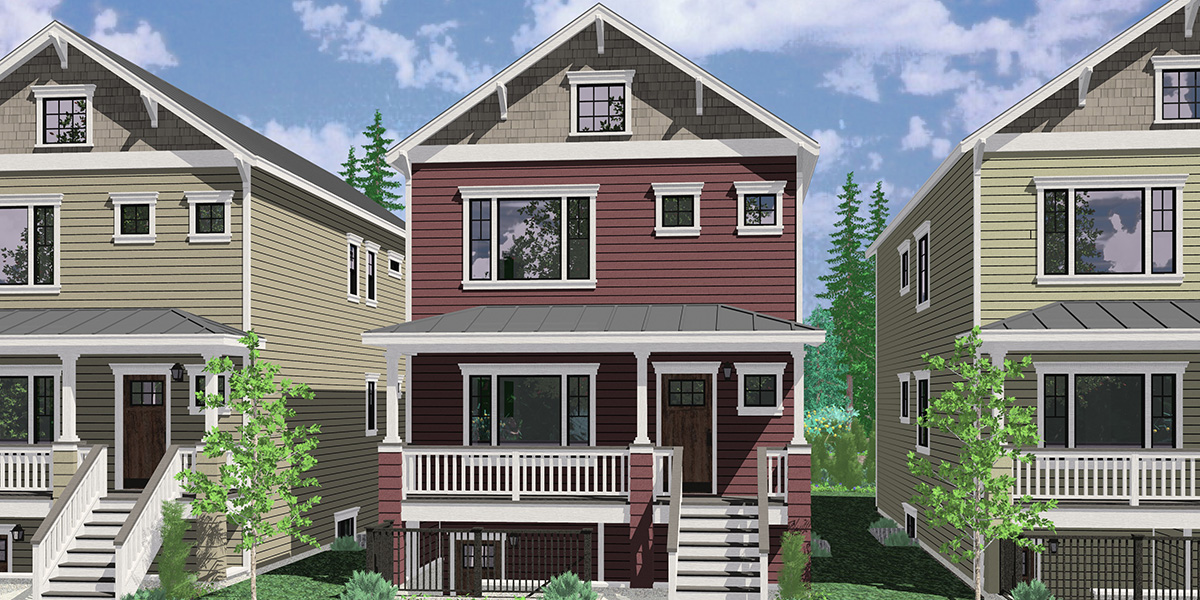
Compared to single-family homes (SFH) as rental properties, triplexes generally offer a more diversified income stream, reducing vacancy risk. If an SFH tenant vacates, the income drops to zero, whereas a triplex still has two other units generating revenue. Triplexes also tend to have a higher income-to-value ratio, potentially offering better cash flow. However, SFHs are often more liquid, meaning they can be sold more quickly, and typically appeal to a broader buyer pool. The maintenance burden per tenant might be lower in an SFH, but the financial stability offered by multiple income sources in a triplex often outweighs this. The choice between a triplex and an SFH hinges on an investor’s risk tolerance, cash flow goals, and long-term financial strategy.
In essence, a triplex house is more than just a dwelling; it is a versatile financial instrument. Its capacity for multiple income streams, advantageous financing options, and significant wealth-building potential through appreciation and equity accumulation make it a compelling asset for astute investors and financially savvy homeowners looking to leverage real estate to achieve their monetary objectives.
aViewFromTheCave is a participant in the Amazon Services LLC Associates Program, an affiliate advertising program designed to provide a means for sites to earn advertising fees by advertising and linking to Amazon.com. Amazon, the Amazon logo, AmazonSupply, and the AmazonSupply logo are trademarks of Amazon.com, Inc. or its affiliates. As an Amazon Associate we earn affiliate commissions from qualifying purchases.