
The phrase “stock market crash” conjures images of financial devastation, rapid wealth erosion, and economic chaos. While terrifying, such events are an inherent, albeit infrequent, part of market cycles. Understanding what truly happens during and after a stock market crash, both at an individual and systemic level, is crucial for investors, policymakers, and the general public. It empowers us to navigate these turbulent periods with greater resilience and make informed decisions, rather than succumb to panic. This article delves into the multi-faceted impacts of a market crash, from immediate economic fallout to long-term recovery strategies.

The Immediate Aftermath: Unraveling Confidence and Capital
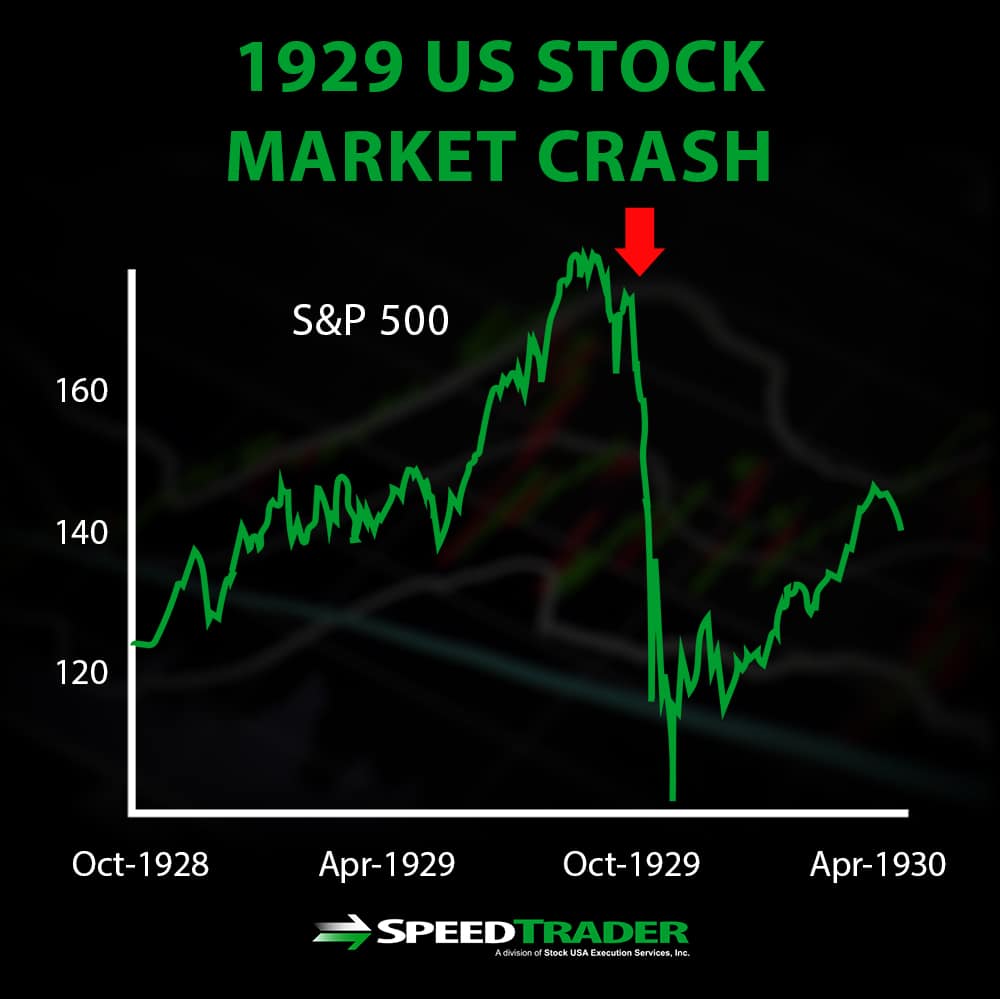
A stock market crash is typically defined by a sudden and dramatic drop in stock prices across a significant market index, often 10% or more in a single day or over a very short period. This is distinct from a market correction, which is generally a 10-20% decline from recent highs but without the same velocity or panic. When a crash occurs, its effects are immediate and profound, creating a ripple effect across the financial landscape.
Investor Panic and Wealth Erosion
One of the most visible immediate consequences is widespread investor panic. Driven by fear and herd mentality, many investors rush to sell their holdings, further exacerbating the decline. This mass sell-off transforms paper losses into real ones for those who liquidate their positions. Retirement accounts, such as 401(k)s and IRAs, which often hold a significant portion of their assets in equities, see substantial reductions in value. For individuals nearing retirement, a crash can be particularly devastating, potentially delaying their plans or forcing them to work longer. Young investors, while also experiencing declines, generally have more time for markets to recover.
Margin Calls and Liquidity Crises
For those who invest on margin—borrowing money to buy securities—a crash can trigger immediate and severe consequences. As the value of their portfolio drops, brokerage firms issue “margin calls,” demanding that investors deposit additional funds or sell assets to meet their maintenance margin requirements. In a rapidly falling market, meeting these calls can be impossible, forcing liquidation at depressed prices and intensifying selling pressure. Beyond individual investors, institutions can face liquidity crises as asset values plummet, making it difficult to meet obligations or secure new financing. This can lead to a credit crunch, where lending becomes scarce and expensive, further stifling economic activity.
Impact on Business and Consumer Sentiment
Beyond the financial markets, a crash rapidly erodes consumer and business confidence. Consumers, seeing their investment portfolios shrink and fearing job losses or an impending recession, tend to cut back on spending, particularly on discretionary items. This reduction in demand directly impacts businesses, leading to lower revenues, reduced profits, and ultimately, a slowdown in hiring or even layoffs. Businesses, facing uncertainty and tighter credit conditions, also scale back on investments in new projects, equipment, and expansion, creating a self-reinforcing cycle of economic contraction.
Broader Economic Repercussions and Systemic Risks
The impact of a stock market crash extends far beyond individual portfolios, permeating the entire economy and potentially triggering systemic risks. The interconnectedness of modern financial systems means that a shock in one area can quickly cascade into others.
Contraction in Economic Activity
As consumer spending falters and businesses curb investment, the overall economic activity slows down significantly. This is reflected in key economic indicators: Gross Domestic Product (GDP) growth stalls or turns negative, unemployment rates rise, and industrial production declines. Sectors heavily reliant on consumer confidence, such as retail, automotive, and travel, are often among the first and hardest hit. The loss of wealth through the stock market can also create a “negative wealth effect,” where people feel poorer and thus spend less, even if their current income hasn’t changed.
Government and Central Bank Intervention
In response to a severe market crash and the looming threat of a deep recession, governments and central banks typically step in with aggressive intervention strategies. Central banks, like the U.S. Federal Reserve, might slash interest rates to near zero, making borrowing cheaper to stimulate investment and spending. They may also engage in quantitative easing (QE), buying vast quantities of government bonds and other assets to inject liquidity into the financial system. Governments, on the other hand, often implement fiscal stimulus packages, including tax cuts, infrastructure spending, and direct aid to individuals or businesses, all aimed at bolstering demand and preventing a complete economic collapse. While necessary, these interventions can lead to increased national debt and future inflationary pressures.
Global Ripple Effects
In an increasingly globalized world, a major stock market crash in one significant economy rarely remains isolated. Interconnected supply chains, international trade, and cross-border investments mean that financial contagion can spread rapidly. A crash in the U.S. market, for instance, can trigger sell-offs in European and Asian markets, as investors worldwide pull back from risk. This can lead to a global economic slowdown, currency volatility, and challenges for international trade, demonstrating how deeply intertwined the world’s economies have become.
Navigating the Storm: Strategies for Investors
While the prospect of a stock market crash is daunting, history shows that markets eventually recover. The key for investors is to have a robust strategy in place that emphasizes long-term thinking and avoids emotional decision-making.
The Importance of a Diversified Portfolio
One of the most effective defenses against market volatility is diversification. Spreading investments across different asset classes (stocks, bonds, real estate, commodities), sectors, industries, and geographies can significantly reduce the impact of a crash on your overall portfolio. When one asset class or sector is struggling, others might be holding their value or even performing well. A well-diversified portfolio helps smooth out returns over time, providing a cushion during downturns.
Emergency Funds and Financial Planning
Before investing, building a substantial emergency fund (typically 3-6 months’ worth of living expenses in a liquid, easily accessible account) is paramount. This fund ensures that you don’t have to sell your investments at a loss to cover unexpected expenses during a market downturn. Furthermore, having a clear, long-term financial plan tailored to your risk tolerance and goals helps provide discipline. A crash should prompt a review of this plan, not an abandonment of it. It’s an opportunity to ensure your asset allocation still aligns with your objectives.
Dollar-Cost Averaging and Rebalancing
Dollar-cost averaging (DCA) is a powerful strategy during volatile times. It involves investing a fixed amount of money at regular intervals, regardless of market fluctuations. When prices are high, you buy fewer shares; when prices are low (as in a crash), you buy more shares. Over time, this averages out your purchase price and can lead to significant gains when the market recovers.
Rebalancing your portfolio is another critical strategy. Periodically, you re-adjust your asset allocation back to your original targets. For example, if stocks have fallen significantly, they might now represent a smaller portion of your portfolio than intended. Rebalancing would involve selling some assets that have performed well and buying more of the underperforming (now cheaper) assets, such as stocks during a crash. This disciplined approach forces you to “buy low” and “sell high.”
The Path to Recovery: Resilience and Opportunity
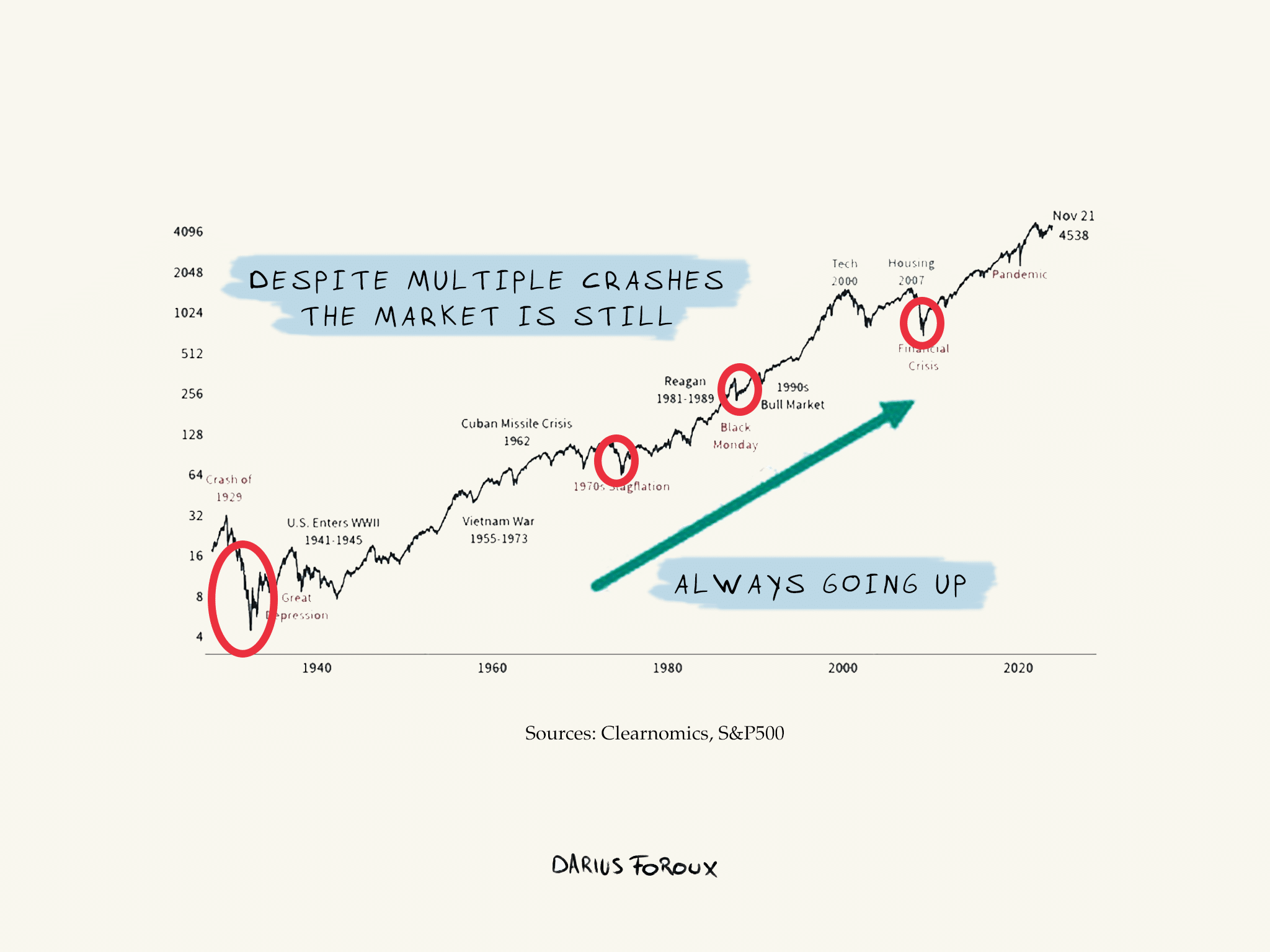
While crashes are painful, they are also temporary. History is replete with examples of markets not only recovering but reaching new highs after every major downturn. This long-term perspective is vital for investors.
Markets Historically Recover
From the Great Depression to the Dot-com Bubble burst, the 2008 financial crisis, and the COVID-19 pandemic-induced crash, every market downturn has eventually been followed by a recovery, often leading to new periods of growth. The resilience of human ingenuity, economic adaptation, and technological advancement consistently drives economies forward. While the timeline for recovery varies, the fundamental upward trajectory of equity markets over the long run remains a consistent pattern.
Opportunities Amidst the Chaos
For disciplined investors with a long-term horizon and available capital, a stock market crash can present unparalleled buying opportunities. High-quality companies, whose intrinsic value hasn’t fundamentally changed but whose stock price has been dragged down by market panic, become available at significant discounts. Investing during such periods, while emotionally challenging, has historically proven to be one of the most effective ways to build substantial wealth over time. This is where the adage “be fearful when others are greedy, and greedy when others are fearful” truly applies.
Lessons Learned and Regulatory Evolution
Each major crash brings with it crucial lessons that often lead to regulatory changes aimed at strengthening the financial system and preventing future catastrophes. The Glass-Steagall Act after the Great Depression, the establishment of the SEC, and more recently, the Dodd-Frank Act after the 2008 crisis, are examples of how crises spur reforms. These changes, though sometimes controversial, are intended to build a more robust, transparent, and stable financial environment, protecting investors and the broader economy.
Conclusion
A stock market crash is undoubtedly a disruptive and anxiety-inducing event. It brings immediate financial pain, erodes confidence, and triggers widespread economic repercussions. However, by understanding its dynamics – from the initial panic and wealth erosion to the broader economic contraction and government interventions – investors can better prepare and react rationally. For those who maintain a long-term perspective, diversify their portfolios, manage their risk, and stick to a well-thought-out financial plan, a crash, while challenging, can ultimately represent a period of unique opportunity. History consistently teaches us that markets are resilient, and those who weather the storm with patience and discipline are ultimately rewarded as economies and markets inevitably chart a course towards recovery and growth.
aViewFromTheCave is a participant in the Amazon Services LLC Associates Program, an affiliate advertising program designed to provide a means for sites to earn advertising fees by advertising and linking to Amazon.com. Amazon, the Amazon logo, AmazonSupply, and the AmazonSupply logo are trademarks of Amazon.com, Inc. or its affiliates. As an Amazon Associate we earn affiliate commissions from qualifying purchases.