
The traditional Manhattan, far more than a mere cocktail, stands as a formidable archetype in the world of mixology, serving as a powerful case study in enduring brand identity, strategic design, and timeless marketing. Its definition extends beyond a simple recipe; it embodies a standard of elegance, consistency, and heritage that many brands strive to emulate. For businesses in the hospitality and spirits industries, understanding the essence of a traditional Manhattan is not just about making a drink, but about recognizing a benchmark for corporate identity and consumer perception.
The Archetype of Elegance: Defining a Classic Brand Standard
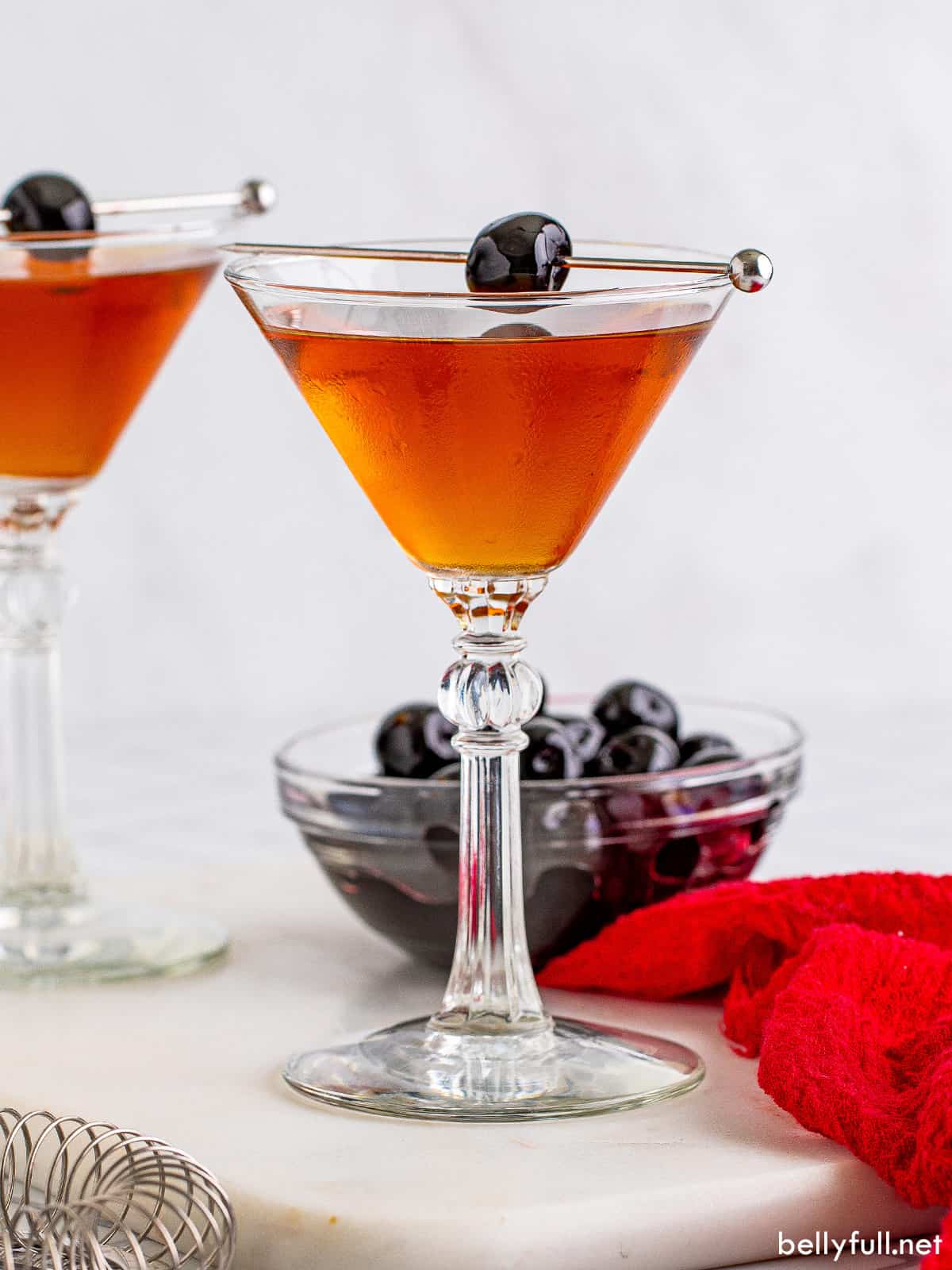
At its core, a traditional Manhattan is a harmonious blend of rye whiskey, sweet vermouth, and bitters, typically garnished with a brandied cherry. This seemingly simple combination, however, represents a meticulously designed product, where each component acts as a brand pillar contributing to an immutable identity.
Ingredients as Brand Pillars
The choice of ingredients is paramount to the traditional Manhattan’s brand integrity. Rye whiskey, with its spicy, robust character, is the historical and traditional base. Its distinctive profile is not just a flavor; it’s a statement, a foundational element that defines the drink’s classic identity. Switching to bourbon, while common, subtly alters the brand promise, shifting it from classic boldness to a sweeter, smoother experience. Sweet vermouth, the secondary spirit, provides balance and aromatic complexity. Its quality and style significantly impact the final product’s perceived sophistication and depth. Angostura bitters, the final essential component, acts as a binding agent, a touch of aromatic alchemy that rounds out the flavors and adds a layer of intricate bitterness, crucial for the drink’s balance and distinction. These components are not interchangeable; they are meticulously selected “brand assets” that collectively communicate the Manhattan’s enduring character.
Proportions as Design Principles
The traditional Manhattan’s success as a timeless brand lies significantly in its carefully balanced proportions. A widely accepted ratio is 2 parts whiskey to 1 part vermouth, with a dash or two of bitters. This ratio is a design principle, ensuring a consistent flavor profile and reinforcing the drink’s structural integrity. Deviations can alter the perceived strength, sweetness, or bitterness, thereby diluting the “traditional” experience. For a bar or distillery, adhering to these proportions is a commitment to quality control and brand consistency, assuring customers that they will receive the expected, time-honored product every time. This consistency builds trust and reinforces the brand’s reliability, much like a global brand maintains precise standards for its flagship products across all markets.
The Ritual of Preparation and Presentation
The brand experience of a traditional Manhattan extends to its preparation and presentation. Stirred, not shaken, to preserve its silky texture and clarity, then strained into a chilled coupe or martini glass, the preparation method itself is a ritual. The garnishing with a single, quality brandied cherry (never a neon-red maraschino) is the final touch, a visual cue that signals authenticity and attention to detail. This entire process is part of the drink’s “user experience,” designed to evoke a sense of occasion and sophistication. For a brand, this attention to ritual elevates the product from a simple beverage to a cultivated experience, reinforcing its premium positioning and classic appeal.
Crafting Corporate Identity Through Tradition
For many establishments and spirits brands, the traditional Manhattan is more than an item on a menu; it’s a cornerstone of their corporate identity. It acts as a touchstone of authenticity and a symbol of commitment to heritage.
Bars and Restaurants: A Promise of Authenticity
High-end cocktail bars, speakeasies, and fine dining establishments often build their brand identity around a commitment to classic mixology. For these venues, serving a perfectly executed traditional Manhattan is a foundational promise of authenticity. It signals to patrons that the establishment respects history, understands the craft, and prioritizes quality ingredients and precise technique. This adherence to tradition becomes a key differentiator in a crowded market, attracting discerning customers who value consistency and expertise. The “traditional Manhattan” on their menu isn’t just a drink; it’s an emblem of their brand ethos, a silent testament to their dedication to the art of hospitality.
Spirits Brands: Owning the Legacy Ingredient
For whiskey and vermouth producers, being recognized as the “traditional” choice for a Manhattan offers immense brand value. Distilleries actively market their rye whiskey as the original spirit for the cocktail, leveraging its historical significance to position their product as authentic and indispensable. Similarly, vermouth brands highlight their heritage and suitability for classic cocktails. By aligning themselves with the traditional Manhattan, these brands tap into a rich legacy, fostering a sense of continuity and prestige. This strategy transcends mere product features; it ties their brand directly to a cultural icon, imbuing their offerings with an aura of timelessness and established quality.
Marketing the Enduring Appeal: Storytelling and Resonance
The traditional Manhattan is an exemplar of effective marketing through storytelling and emotional resonance, achieving longevity unmatched by many transient trends.
Heritage as a Unique Selling Proposition
The narrative surrounding the traditional Manhattan — its origins in 19th-century New York, its association with sophisticated gatherings, and its consistent presence through decades of changing tastes — is a powerful marketing tool. Brands can weave these stories into their campaigns, selling not just a drink, but a piece of history, an experience rooted in tradition. This heritage serves as a unique selling proposition (USP), differentiating it from novel, ephemeral cocktails. For brands, associating with such a rich history lends credibility, gravitas, and an almost inherent sense of luxury, positioning their products within a lineage of enduring quality.
Consistency in Experience: Building Customer Loyalty
In an era of rapid change, the unwavering consistency of a traditional Manhattan offers a reassuring anchor. Customers know exactly what to expect, fostering a strong sense of trust and reliability. This predictability is a cornerstone of brand loyalty. A bar that consistently delivers an excellent traditional Manhattan builds a reputation for quality that transcends individual bartender personalities. Similarly, spirits brands that are consistently reliable for the cocktail become trusted choices. This consistent delivery of a high-quality, authentic experience is a silent yet powerful marketing message, driving repeat business and word-of-mouth recommendations, which are invaluable for any brand.
Design Beyond the Glass: Packaging and Environmental Branding
The “design” of the traditional Manhattan extends beyond its liquid form, encompassing every element that contributes to its consumption experience, mirroring broader concepts in product and environmental branding.
Glassware and Garnishes as Visual Cues
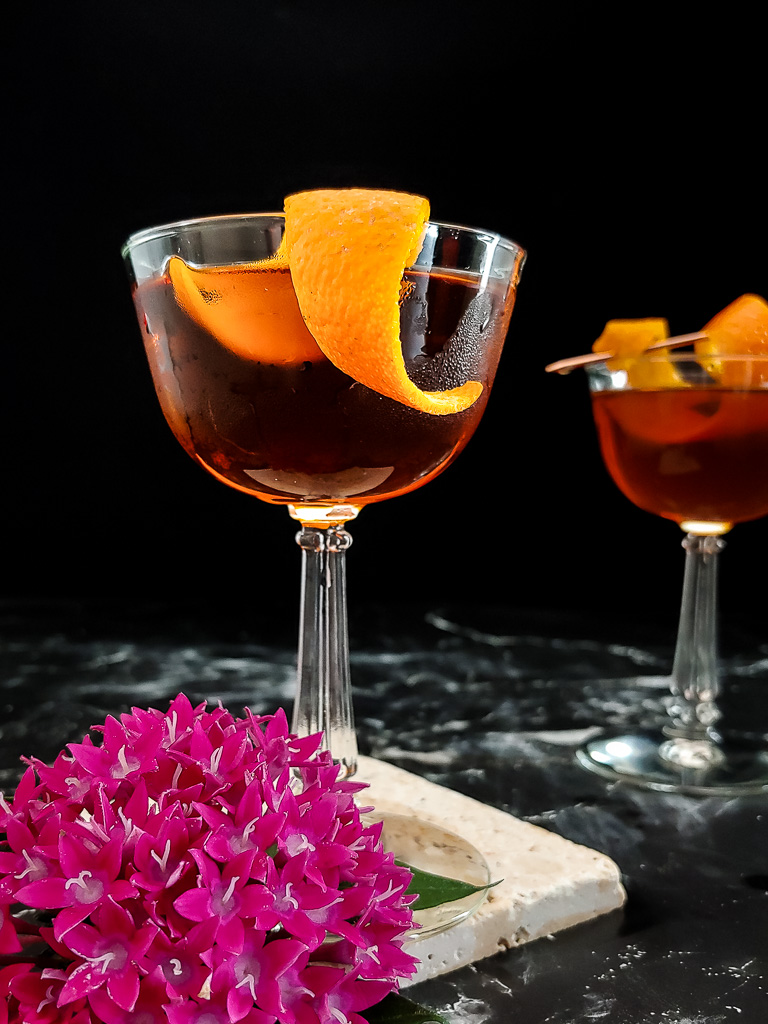
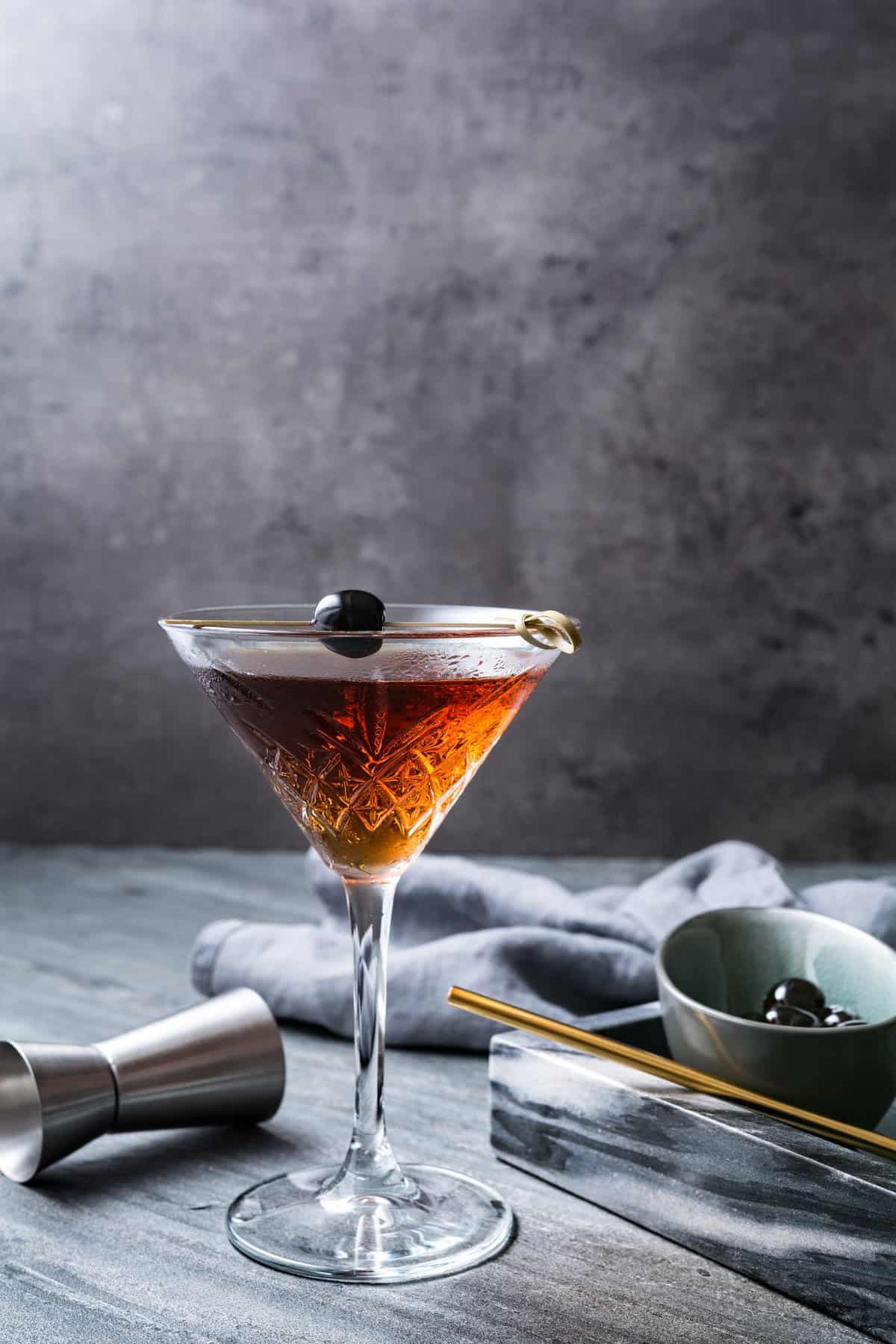
The choice of glassware — typically a stemmed coupe or martini glass — is an integral part of the Manhattan’s visual brand identity. Its elegant form signifies sophistication and classicism. The brandied cherry, dark and plump, acts as a visual seal of authenticity, a subtle yet powerful signal of quality ingredients and careful preparation. These elements are not incidental; they are deliberate design choices that enhance the perception of the drink as a premium product. For brands, this illustrates how even the smallest details in packaging and presentation contribute significantly to the overall brand image and consumer perception.
The Ambiance: Contextualizing the Traditional Experience
The environment in which a traditional Manhattan is served also plays a critical role in its brand experience. Whether it’s a dimly lit, wood-paneled bar or a sleek, modern cocktail lounge, the ambiance chosen by an establishment helps contextualize the drink. A bar focusing on classic cocktails often designs its interior to evoke a sense of timeless elegance or historical charm, thus creating a congruent brand environment that reinforces the “traditional” aspect of its offerings. This holistic approach to environmental branding ensures that every touchpoint reinforces the brand’s core message and values, making the consumption of a traditional Manhattan an immersive experience.
The Traditional Manhattan as a Case Study in Brand Longevity
The enduring popularity and consistent definition of the traditional Manhattan offer invaluable lessons in brand longevity and adaptability. It demonstrates how a core identity can be maintained while allowing for subtle evolution.
Adapting Without Diluting: Maintaining Core Identity
While the core recipe and presentation remain sacred, there is room for minor adaptations – a specific type of rye, a house-made vermouth blend, or a unique brandied cherry. The key, however, is that these variations must enhance, rather than dilute, the established brand identity. They are “brand extensions” that remain true to the original “product,” reinforcing its heritage rather than betraying it. This delicate balance between tradition and innovation is a crucial strategy for brands seeking to remain relevant across generations without losing their authentic appeal.
Brand Recognition and Cultural Impact
The traditional Manhattan enjoys unparalleled brand recognition. Its name alone conjures specific expectations of flavor, style, and sophistication globally. This level of brand recall and positive association is the ultimate goal for any product or service. Its cultural impact, frequently appearing in literature, film, and art, further cements its status as a timeless icon. For brands, this illustrates the power of creating a product that transcends its functional purpose to become a symbol, deeply embedded in the cultural fabric. The traditional Manhattan, therefore, is not just a drink; it is a meticulously crafted brand, sustained by its unwavering identity, strategic design, and the collective commitment to its timeless appeal.
aViewFromTheCave is a participant in the Amazon Services LLC Associates Program, an affiliate advertising program designed to provide a means for sites to earn advertising fees by advertising and linking to Amazon.com. Amazon, the Amazon logo, AmazonSupply, and the AmazonSupply logo are trademarks of Amazon.com, Inc. or its affiliates. As an Amazon Associate we earn affiliate commissions from qualifying purchases.