
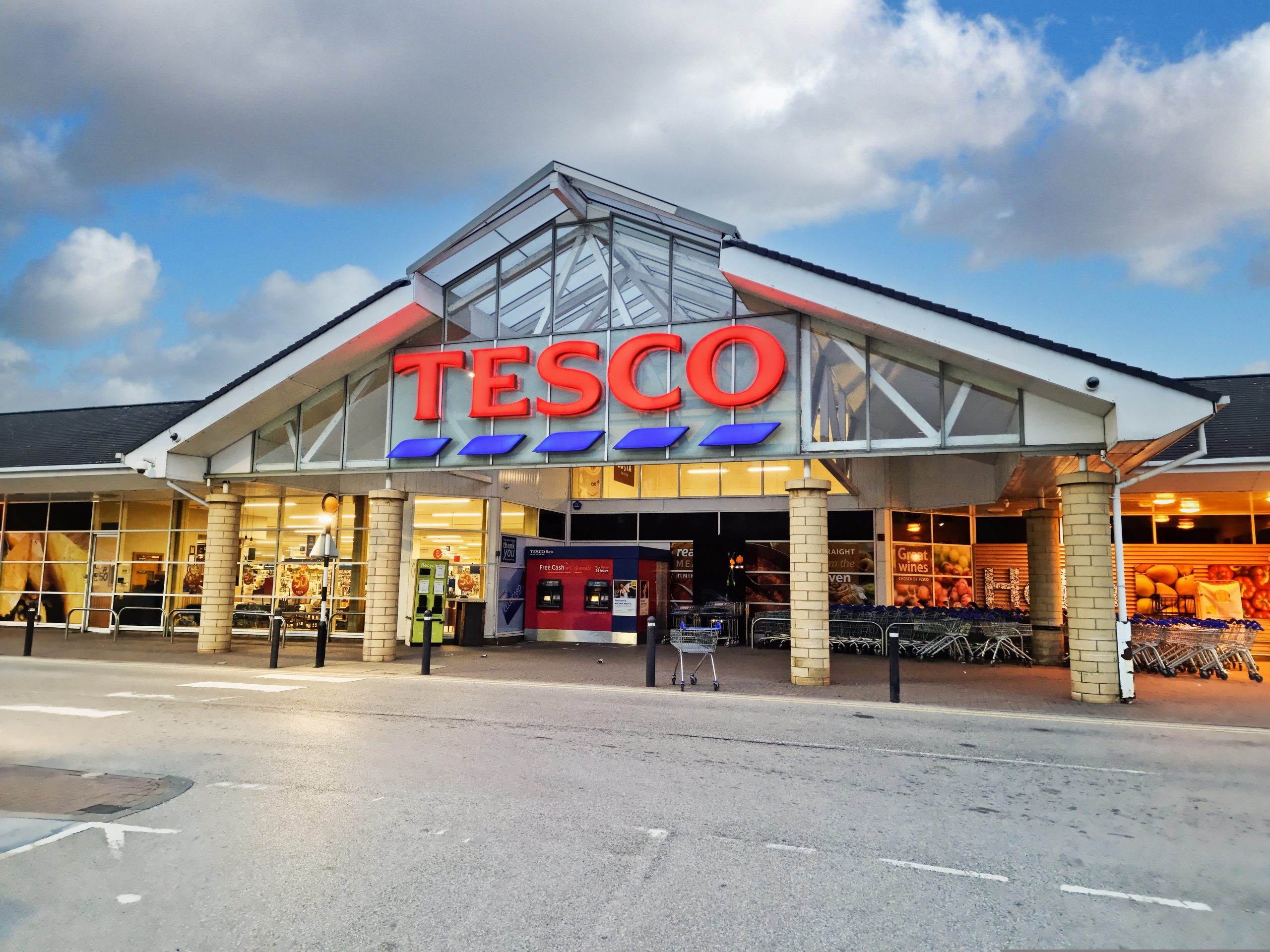
To ask “what is a Tesco?” is to inquire about more than just a company; it is to delve into the very fabric of modern retail, consumer culture, and brand endurance. Tesco is not merely a supermarket chain; it is a global brand phenomenon, a ubiquitous presence in the lives of millions, and a case study in corporate identity, marketing strategy, and market adaptation. At its core, Tesco is one of the world’s largest and most recognisable retailers, primarily known for its extensive range of groceries and general merchandise. Yet, its essence extends far beyond the aisles, encompassing a sophisticated brand architecture built over a century of evolution, innovation, and strategic positioning. Understanding Tesco requires dissecting its historical journey, its multifaceted brand identity, its masterful marketing efforts, and its enduring struggle for competitive relevance in a rapidly changing commercial landscape.

The Genesis and Evolution of a Brand Icon
Every formidable brand has a origin story, a foundational narrative that underpins its subsequent growth and public perception. Tesco’s journey from humble beginnings to a retail behemoth is a testament to entrepreneurial vision, relentless expansion, and a keen understanding of consumer needs, all of which have shaped its brand identity.
Humble Beginnings: From Market Stall to Supermarket
Tesco’s story begins in 1919 when Jack Cohen, son of Polish-Jewish immigrants, started selling surplus groceries from a stall in Hackney, East London. His ethos was simple: “pile it high and sell it cheap.” This early focus on value and volume was not just a business model; it was the nascent seed of Tesco’s brand promise – accessibility and affordability. The brand name itself, “Tesco,” emerged in 1924, combining the initials of T.E. Stockwell (a tea supplier) with the first two letters of Cohen’s surname. This early co-branding effort, albeit accidental, marked the formal birth of a brand that would eventually become synonymous with British retail. The first Tesco store opened in 1929, laying the groundwork for a network that would soon blanket the nation.
Strategic Expansion and Market Domination
Cohen’s strategic genius lay in his ability to anticipate and capitalise on changing consumer behaviours. Post-war Britain saw the rise of self-service shopping, and Tesco was quick to adapt, converting its stores and acquiring smaller chains to rapidly expand its footprint. The 1960s and 70s were periods of aggressive growth, marked by the launch of larger “superstore” formats that offered a wider product range and a more comprehensive shopping experience. This expansion wasn’t just about adding more stores; it was about solidifying Tesco’s brand identity as the convenient, one-stop-shop for the modern family. By the late 20th century, Tesco had ascended to become the market leader in the UK, a position it meticulously defended and reinforced through careful brand management and strategic acquisitions.
Navigating Global Ambitions and Local Challenges
Tesco’s brand journey also includes ambitious, albeit sometimes challenging, forays into international markets. From Europe to Asia and even a brief venture into the US with Fresh & Easy, Tesco sought to export its successful brand model. These international ventures provided invaluable lessons in brand localisation, the complexities of cultural adaptation, and the limits of a universal brand identity. While some markets saw significant success (e.g., Thailand, Republic of Ireland), others proved more resistant, leading to strategic withdrawals. These experiences underscored a crucial aspect of brand strategy: while a core identity can be strong, its articulation and resonance must be finely tuned to local contexts. The brand learned that being “Tesco” in one country didn’t automatically translate to success elsewhere, highlighting the dynamic nature of brand perception across diverse geographies.
The Pillars of the Tesco Brand Identity
At the heart of Tesco’s enduring success is a meticulously cultivated brand identity, built on clear value propositions and a deep understanding of its target audience. This identity is not static; it constantly evolves, but its fundamental pillars remain steadfast.
More Than Just Groceries: Diversification and Ecosystem Thinking
While groceries remain its core, Tesco’s brand identity is defined by its strategic diversification. Over the decades, it has expanded into areas such as banking (Tesco Bank), mobile telecommunications (Tesco Mobile), general merchandise, clothing (F&F), and even fuel. This “ecosystem” approach transformed Tesco from a mere food retailer into a lifestyle brand, aiming to meet a broader spectrum of customer needs under one trusted umbrella. Each new venture, while distinct, is carefully integrated to reinforce the overarching Tesco brand promise: convenience, value, and reliability. This diversification strategy is a critical element of its brand resilience, offering multiple touchpoints and revenue streams while deepening customer loyalty.
Customer-Centricity: Loyalty Programs and Data Insights
A cornerstone of Tesco’s brand strategy is its unwavering focus on the customer, exemplified by the pioneering launch of the Clubcard in 1995. This loyalty program was revolutionary, transforming how retailers understood and engaged with their customers. The Clubcard not only rewards loyal shoppers but, crucially, gathers vast amounts of data on purchasing habits. This data-driven approach allows Tesco to tailor offers, personalise marketing communications, and optimise store layouts, creating a highly relevant and customised shopping experience. The Clubcard cemented Tesco’s reputation as a brand that understands and values its customers, fostering a sense of belonging and reciprocity. It became a powerful tool for building emotional connections, transcending mere transactional relationships and strengthening brand affinity.
Price, Quality, and Convenience: The Core Value Proposition
Tesco’s enduring brand promise revolves around a triumvirate of value: competitive pricing, consistent quality, and unparalleled convenience. From its founder’s “pile it high, sell it cheap” philosophy, the brand has consistently positioned itself as offering excellent value for money. This is balanced with a commitment to quality, across its own-brand products (e.g., Tesco Finest, Tesco Everyday Value) and its broader range. The convenience factor is delivered through its extensive network of store formats (from large Extra stores to smaller Express and One Stop shops), its industry-leading online grocery delivery service, and its diverse product offerings. These three elements form the bedrock of Tesco’s brand equity, ensuring it appeals to a broad demographic seeking practical, reliable, and accessible retail solutions.
Marketing and Communication: Shaping Perception
The way a brand communicates its identity and values is paramount to its success. Tesco has consistently employed sophisticated marketing and communication strategies to shape public perception, reinforce its brand promise, and maintain its market leadership.

The Power of the Slogan and Visual Identity
Tesco’s advertising history is punctuated by memorable slogans that encapsulate its brand message. Phrases like “Every Little Helps” became iconic, subtly conveying the brand’s commitment to incremental value and assistance for its customers. These slogans, combined with a consistent visual identity – the familiar blue, red, and white logo, and clear in-store signage – create instant recognition and familiarity. The visual branding communicates reliability and accessibility, while the slogans aim to foster an emotional connection, positioning Tesco as a helpful partner in everyday life rather than just a faceless corporation. This consistent and pervasive branding across all touchpoints is a hallmark of a strong corporate identity.
Adapting to Digital: Omnichannel Branding
In the digital age, a brand’s ability to seamlessly integrate its online and offline presence is critical. Tesco has been a pioneer in omnichannel branding, ensuring a consistent brand experience whether customers are shopping in a physical store, on its website, or via its mobile app. Its online grocery platform, launched decades ago, has become a cornerstone of its business and a key differentiator. The brand’s digital strategy extends to social media, where it engages with customers, addresses concerns, and promotes its values. This holistic approach ensures that the “Tesco experience” is cohesive and convenient, regardless of the channel, thereby reinforcing its brand promise of accessibility and customer-centricity in a technologically evolving market.
Corporate Social Responsibility and Brand Reputation
Beyond commercial transactions, a modern brand’s reputation is heavily influenced by its commitment to corporate social responsibility (CSR). Tesco has invested in various initiatives, from reducing food waste and promoting sustainable sourcing to supporting local communities and charitable causes. These efforts are strategically communicated to enhance its brand image as a responsible corporate citizen. While CSR initiatives can face scrutiny, Tesco’s consistent engagement in these areas aims to build trust, foster positive sentiment, and align the brand with contemporary values of ethical consumerism. A strong CSR platform contributes significantly to brand equity, particularly among socially conscious consumers.
Competitive Landscape and Brand Resilience
Tesco operates in an intensely competitive retail environment, constantly battling for market share and customer loyalty. Its brand resilience is a testament to its ability to adapt, innovate, and maintain its core appeal amidst relentless pressure.
Battling Discount Retailers and Online Challengers
The rise of discounters like Aldi and Lidl, coupled with the rapid growth of online-only retailers and subscription services, has presented significant challenges to Tesco’s market dominance. These competitors often challenge Tesco’s traditional pillars of price and convenience. Tesco’s response has been to reinforce its brand promise through targeted campaigns, price matching initiatives (e.g., “Aldi Price Match”), and by continually enhancing its own value propositions, such as its extensive range and superior online delivery infrastructure. The brand understands that in a crowded market, simply being big isn’t enough; it must continuously articulate why customers should choose Tesco over its increasingly diverse rivals.
Reinvention and Future-Proofing the Brand
To maintain its relevance, Tesco has undergone periods of significant reinvention. This includes modernising store formats, investing in supply chain efficiencies, and embracing technological innovations like frictionless checkout trials and advanced data analytics. The brand continually seeks ways to improve the customer journey, from making shopping faster and more intuitive to expanding its range of services. This proactive approach to innovation ensures that the Tesco brand remains dynamic and forward-looking, rather than becoming stagnant in a rapidly evolving retail landscape. It’s about demonstrating that the brand can meet the demands of tomorrow’s consumers as effectively as it met yesterday’s.
The Enduring Appeal of a Household Name
Despite intense competition and economic fluctuations, Tesco has largely maintained its position as a household name and a trusted brand. This enduring appeal stems from a deep-rooted familiarity and a perception of reliability built over decades. For many, Tesco is more than just a place to shop; it’s an ingrained part of their routine, a reliable constant in a changing world. This brand loyalty, often passed down through generations, is a powerful asset that allows Tesco to weather storms and adapt to new challenges, relying on the goodwill and established trust it has painstakingly built.
Tesco’s Influence Beyond the Aisles
Tesco’s scale and reach mean its brand influence extends far beyond its commercial operations, impacting economics, culture, and society.
Economic Impact and Employer Branding
As one of the largest private sector employers in the UK, Tesco’s brand plays a significant role in the national economy. Its employer brand, therefore, is crucial – attracting talent, fostering employee loyalty, and managing public perception regarding working conditions and opportunities. A strong employer brand not only ensures a steady workforce but also reinforces the overall corporate identity, as employees are often the most direct representatives of the brand to the public. Tesco’s scale means its decisions regarding wages, benefits, and training have a broad societal impact, further cementing its brand as a significant national institution.
Shaping Consumer Habits and Retail Trends
Tesco’s innovations, from its early adoption of self-service to its pioneering loyalty programs and online grocery delivery, have frequently set industry benchmarks and shaped consumer habits. The “Tesco effect” is a recognised phenomenon in retail, where the actions of such a dominant player can dictate trends, influence supplier relations, and even impact local economies. The brand has been instrumental in normalising aspects of modern shopping that are now taken for granted, from the variety of own-label products to the ubiquity of convenience stores. This capacity to influence the wider retail ecosystem underscores the power and pervasiveness of the Tesco brand.
The ‘Tesco Effect’ in Culture and Society
Beyond economics and retail trends, Tesco has woven itself into the cultural tapestry of the nations it serves, particularly the UK. It features in everyday conversations, popular culture references, and even political discourse. The term “Tesco Metro” or “Tesco Express” has become shorthand for a certain type of urban convenience store. This cultural embedment is the ultimate testament to brand omnipresence – when a brand transcends its commercial function to become a recognised part of the collective consciousness. It speaks to a brand that has not only sold products but has also profoundly influenced the way people live, shop, and interact with their local environment.
In conclusion, “what is a Tesco?” is a question that unravels a sophisticated narrative of branding excellence. It is a story of a brand born from a simple premise of value, meticulously grown through strategic expansion, diversified to meet evolving customer needs, and masterfully marketed to maintain its relevance. Tesco is a living testament to the power of a strong corporate identity, a brand that has adapted through wars, economic shifts, and technological revolutions, continuously redefining itself while holding firm to its core promise. It remains a dynamic and influential retail giant, whose brand identity continues to shape the commercial landscape and the daily lives of millions.
aViewFromTheCave is a participant in the Amazon Services LLC Associates Program, an affiliate advertising program designed to provide a means for sites to earn advertising fees by advertising and linking to Amazon.com. Amazon, the Amazon logo, AmazonSupply, and the AmazonSupply logo are trademarks of Amazon.com, Inc. or its affiliates. As an Amazon Associate we earn affiliate commissions from qualifying purchases.