
The Evolution of Small Plates: From Humble Beginnings to Global Phenomenon
The concept of “tapas” conjures images of vibrant social gatherings, bustling bars, and an array of small, flavorful dishes meant for sharing. But what exactly defines a tapas restaurant, and how did this Spanish culinary tradition become a worldwide phenomenon? Delving into the origins and evolution of tapas reveals a story deeply intertwined with hospitality, social interaction, and a flexible approach to dining. At its core, a tapas restaurant is a culinary establishment that specializes in serving a variety of small dishes, or “tapas,” typically accompanied by beverages. This format encourages a communal and leisurely dining experience, moving away from the traditional multi-course meal towards a more fluid and interactive way of enjoying food.
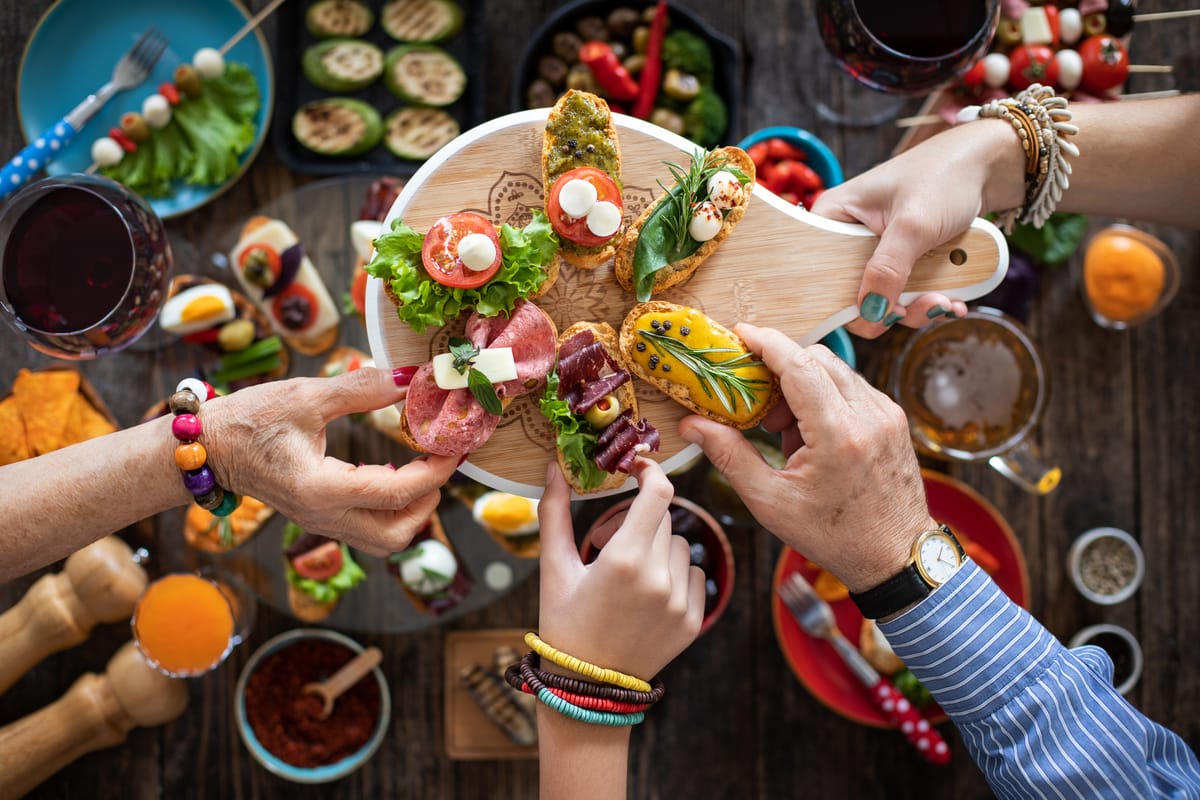
The word “tapa” itself means “lid” or “cover” in Spanish. The most popular legend attributes its origin to King Alfonso X of Castile in the 13th century. The story goes that the King, while recovering from an illness, was prescribed to eat small portions of food throughout the day, accompanied by wine. He decreed that all taverns and inns must serve a small bite of food with every alcoholic beverage. This “tapa” was initially a slice of bread or meat that covered the wine glass to prevent flies and dust from entering. Over time, these small accompaniments grew in variety and sophistication, evolving into the diverse and delicious offerings we recognize today. Another theory suggests that tapas originated in Andalusia, where bar owners would offer a small plate of ham, cheese, or olives to patrons to prevent them from over-consuming alcohol. Regardless of its precise origin, the concept of a small, savory bite accompanying a drink quickly took root and became an integral part of Spanish culture.
The Essence of the Tapas Experience
The defining characteristic of a tapas restaurant lies in its menu structure and the philosophy behind it. Unlike restaurants that focus on single, large main courses, tapas restaurants present a curated selection of small plates, allowing diners to sample a wide range of flavors and textures in a single sitting. This encourages exploration and discovery, offering a gastronomic journey through regional Spanish cuisine and beyond.
A Mosaic of Flavors and Textures
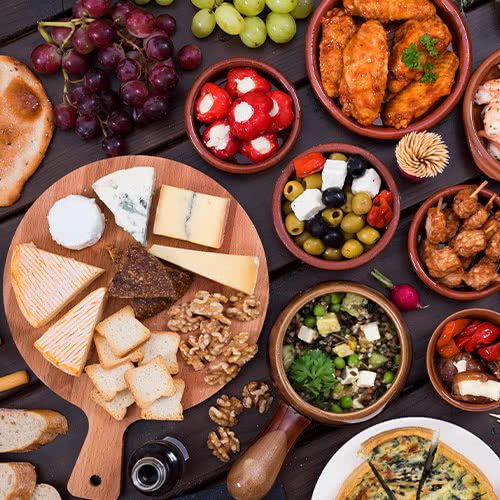
The true magic of tapas lies in the sheer diversity of dishes available. From simple olives and cured meats to more complex creations like patatas bravas (fried potatoes with spicy tomato sauce and aioli), gambas al ajillo (garlic shrimp), and tortilla española (Spanish omelet), the options are nearly endless. Each dish is designed to be enjoyed in a few bites, making it the perfect accompaniment to a glass of wine, beer, or a refreshing sangria. The small portion sizes also allow diners to try multiple items without feeling overwhelmed, fostering a sense of culinary adventure. This approach caters to various palates and dietary preferences, ensuring that everyone can find something to enjoy. The presentation is also crucial; tapas are often artfully arranged, transforming a meal into a visually appealing experience. The vibrant colors of ingredients like bell peppers, pimientos, and fresh herbs contribute to the overall sensory delight.
The Social Fabric of Sharing
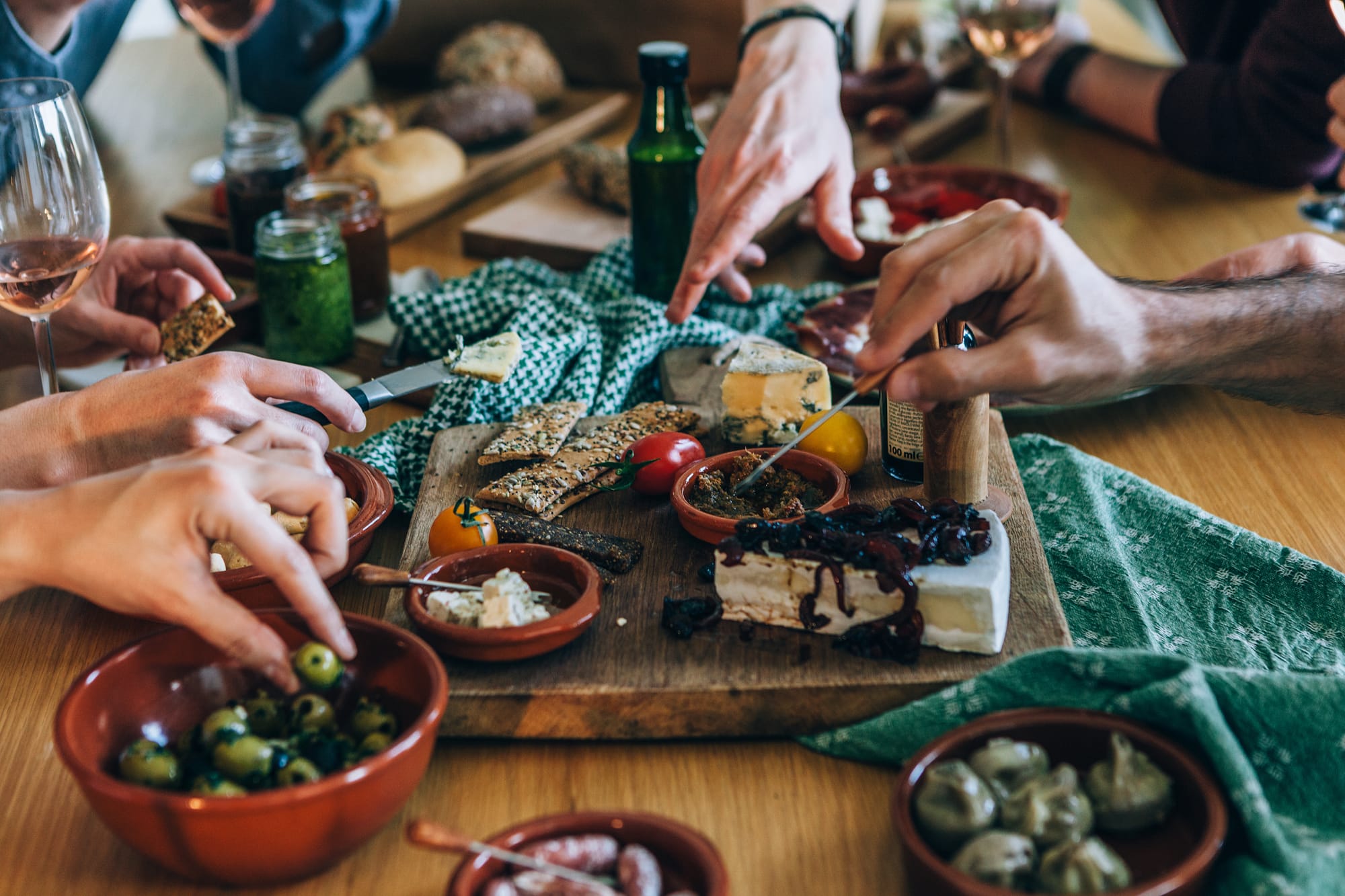
Beyond the food itself, the tapas restaurant experience is fundamentally social. Tapas are inherently designed to be shared. Plates are placed in the center of the table, inviting conversation and interaction as diners reach for different dishes. This communal aspect transforms dining from a solitary act into a collective celebration of food and company. It fosters a relaxed and convivial atmosphere, where the focus is as much on the shared moments as on the individual flavors. This style of dining is particularly well-suited for groups, offering a dynamic way to connect and enjoy each other’s company over a shared culinary landscape. The act of passing dishes, discussing preferences, and discovering new favorites strengthens bonds and creates a memorable dining occasion.
The Tapas Restaurant as a Business Model
The unique format of a tapas restaurant translates into a distinct business model that thrives on variety, flexibility, and customer engagement. Understanding these operational and strategic elements is key to appreciating the success of this culinary concept.
Operational Dynamics and Menu Engineering
Operating a tapas restaurant presents a unique set of challenges and opportunities. The kitchen must be adept at preparing a wide array of dishes concurrently, demanding efficient workflow and skilled culinary staff. Menu engineering plays a vital role, balancing popular classics with innovative creations to keep the offerings fresh and exciting.
Kitchen Agility and Mise en Place
The success of a tapas restaurant hinges on its kitchen’s ability to manage multiple orders for small, often rapidly prepared dishes. This requires a robust system of “mise en place” – ensuring all ingredients are prepped and ready for immediate assembly and cooking. Chefs need to be versatile, capable of executing diverse culinary techniques on demand. The flow of orders is often less predictable than in traditional restaurants, with diners ordering tapas incrementally throughout their meal. This demands a high degree of agility from the kitchen team, who must be able to switch gears quickly and maintain a consistent quality across all dishes. The menu itself is often dynamic, with daily specials and seasonal additions that keep the offerings interesting for repeat customers.
Menu Design for Variety and Profitability
Menu design in a tapas restaurant is a delicate balancing act. The goal is to offer enough variety to satisfy diverse palates and encourage sampling, while also ensuring profitability. This involves careful pricing of individual tapas, considering ingredient costs, preparation time, and perceived value. Restaurants often strategize by offering a mix of high-margin, popular items alongside lower-margin, classic staples. Upselling is also a key strategy, encouraging diners to order more tapas to complement their beverages. The visual presentation of the menu itself is also important, showcasing the breadth of options in an appealing way. Some restaurants may even opt for a tasting menu format, allowing diners to experience a curated selection of their best tapas.
The Ambiance and Service Philosophy
The environment and the way service is delivered are as crucial to the tapas experience as the food itself. A successful tapas restaurant cultivates an atmosphere that encourages lingering, socializing, and enjoyment.
Creating a Vibrant and Inviting Atmosphere
The ambiance of a tapas restaurant is typically characterized by warmth, energy, and a sense of conviviality. Lighting is often dimmed to create a cozy and intimate setting, while vibrant decor, music, and the murmur of conversation contribute to a lively atmosphere. Whether it’s a bustling city bistro or a rustic provincial eatery, the goal is to make patrons feel welcome and encouraged to relax and enjoy their time. Open kitchen concepts can add to the theatre of dining, allowing guests to witness the culinary process. The layout of the restaurant often facilitates social interaction, with bar seating, communal tables, and smaller intimate arrangements catering to different group sizes and preferences.
Service that Facilitates Social Dining
Service in a tapas restaurant is inherently more interactive than in traditional establishments. Staff play a crucial role in guiding diners through the menu, offering recommendations, and ensuring that the flow of dishes is paced appropriately for a shared dining experience. They are often knowledgeable about the ingredients and preparation methods of each tapa, acting as culinary ambassadors. The service is typically attentive but not intrusive, allowing diners to focus on their company and the food. The team needs to be efficient in clearing plates and bringing new orders, facilitating the continuous flow of the tapas experience. This requires a proactive approach, anticipating the needs of the diners and ensuring that their journey through the tapas menu is seamless and enjoyable.
The Global Appeal and Adaptability of Tapas
The enduring popularity of tapas restaurants is a testament to their adaptability and universal appeal. While rooted in Spanish tradition, the concept has been embraced and reimagined by chefs and diners worldwide, leading to diverse interpretations and innovative fusion approaches.
Beyond Spain: Tapas as a Culinary Trend
The concept of tapas has transcended its Spanish origins to become a globally recognized and celebrated culinary trend. What started as a regional specialty has evolved into a versatile dining format embraced by diverse cultures and culinary scenes.
From Local Bars to International Acclaim
Initially confined to the taverns and bars of Spain, tapas gained international recognition through Spanish emigration and the growing global interest in diverse culinary experiences. As travelers experienced the authentic tapas culture firsthand, they brought the concept back to their home countries, inspiring chefs to create their own versions. This led to the establishment of tapas restaurants in major cities across the globe, from London and New York to Tokyo and Sydney. The inherent flexibility of the tapas format allowed it to be adapted to local ingredients and palates, contributing to its widespread acceptance and success. This diffusion of the concept has democratized fine dining, making it accessible and enjoyable for a broader audience.
Fusion and Innovation in the Tapas Landscape
The adaptability of tapas has fueled incredible innovation and the emergence of fusion cuisine. Chefs worldwide have taken the fundamental principle of small plates and infused it with their own culinary traditions, creating unique and exciting gastronomic experiences. This might involve incorporating Asian spices into traditional Spanish dishes, or using South American ingredients in classic tapas preparations. The result is a dynamic and ever-evolving tapas landscape, where traditional flavors meet global influences. These modern interpretations often push the boundaries of what is considered “tapas,” but they maintain the core ethos of sharing, variety, and deliciousness. This creative exploration ensures that the tapas concept remains fresh and relevant in a constantly changing food world.
The Future of Tapas Restaurants
The future of tapas restaurants appears bright, driven by evolving consumer preferences for shared dining experiences and culinary exploration. As the world becomes increasingly interconnected, the demand for authentic yet adaptable culinary concepts like tapas is likely to grow.
Catering to Evolving Dining Habits
Modern diners are increasingly seeking more flexible and interactive dining experiences. The desire to sample multiple dishes, share with friends, and enjoy a leisurely meal aligns perfectly with the tapas model. This trend is further amplified by the rise of social media, where visually appealing and shareable food experiences are highly sought after. Tapas restaurants are well-positioned to capitalize on this, offering a social and engaging way to dine. Furthermore, the health-conscious consumer also finds appeal in tapas, as the smaller portion sizes allow for more control over consumption and the ability to try a wider variety of healthier ingredients.
The Enduring Allure of Community and Culinary Discovery
The enduring allure of tapas lies in its ability to foster community and facilitate culinary discovery. In an age where digital connections often dominate, the physical act of gathering around a table to share food provides a tangible and meaningful form of social interaction. Each visit to a tapas restaurant offers an opportunity to embark on a new culinary journey, discovering new flavors, ingredients, and combinations. This sense of adventure, coupled with the inherent sociability of the format, ensures that tapas restaurants will continue to be a vibrant and cherished part of the global dining scene for years to come. The emphasis on quality ingredients, skillful preparation, and a welcoming atmosphere will remain the cornerstones of success for any establishment embracing the art of tapas.
aViewFromTheCave is a participant in the Amazon Services LLC Associates Program, an affiliate advertising program designed to provide a means for sites to earn advertising fees by advertising and linking to Amazon.com. Amazon, the Amazon logo, AmazonSupply, and the AmazonSupply logo are trademarks of Amazon.com, Inc. or its affiliates. As an Amazon Associate we earn affiliate commissions from qualifying purchases.