
In the realm of personal finance, savvy individuals constantly seek ways to optimize their spending, save money, and extract maximum value from every asset. While cash, investments, and physical possessions readily come to mind, a less tangible yet equally valuable asset often overlooked is the accumulated balance in a frequent flyer program. American Airlines’ AAdvantage program stands as one of the oldest and largest loyalty schemes globally, and understanding how to effectively “spend” these miles is a critical financial skill for any traveler. This article delves into the strategic utilization of AAdvantage miles, treating them not just as a perk, but as a significant financial instrument that, when managed correctly, can unlock substantial savings and enhance travel experiences without draining your wallet.
For many, AAdvantage miles are simply a byproduct of travel, accrued almost passively. However, a proactive and informed approach can transform these points into a powerful tool for reducing travel costs, upgrading comfort, and exploring destinations that might otherwise be financially out of reach. The key lies in understanding their true value, identifying the most economically sound redemption options, and integrating mile usage into a broader personal finance strategy.
Understanding the Financial Value of AAdvantage Miles
Before diving into specific redemption strategies, it’s crucial to grasp the fundamental concept of miles as a non-cash asset with fluctuating financial worth. Unlike a dollar, which always equates to a dollar, the “value” of an AAdvantage mile can vary wildly depending on how and where it is redeemed.
Miles as a Non-Cash Asset: Treat Them Like Currency
Think of your AAdvantage miles as a specialized form of currency, one that can only be “spent” within the American Airlines ecosystem or its partners. Just as you wouldn’t carelessly spend cash, you should apply the same financial prudence to your miles. Each mile represents a certain potential monetary saving or added value. The goal is always to maximize the “cents per mile” (CPM) ratio, which is calculated by dividing the cash price of a flight or service by the number of miles required, then multiplying by 100. For instance, if a flight costs $500 or 25,000 miles, the CPM is ($500 / 25,000) * 100 = 2 cents per mile. A high CPM indicates a financially wise redemption.
Dynamic vs. Fixed Redemption: How Pricing Impacts Value
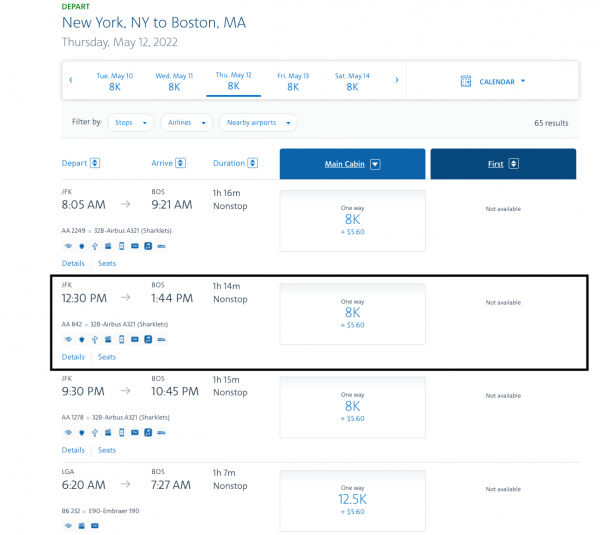
American Airlines, like many carriers, employs a dynamic pricing model for award flights, especially for its own metal. This means the number of miles required for a specific flight can fluctuate based on demand, route, time of booking, and even the phase of the moon, much like cash fares. This dynamic nature introduces an element of financial complexity. While there are still some fixed-mileage opportunities, particularly with partner airlines (often referred to as “saver awards”), most AAdvantage redemptions are subject to change. This necessitates a watchful eye and a readiness to book when a high-value redemption appears, much like timing an investment or a strategic purchase. High-demand periods or premium cabins typically require more miles but can also yield a higher CPM if the cash price is exceptionally high.
Calculating Cents Per Mile (CPM): A Key Financial Metric
The CPM metric is your most important financial compass when navigating AAdvantage redemptions. It helps you objectively compare different redemption options. Generally, a CPM of 1.5 cents or higher is considered a good redemption, while anything below 1 cent often suggests that paying cash might be a more financially sound decision. For premium cabin international flights, it’s not uncommon to achieve 3, 4, or even 5+ cents per mile, representing significant financial leverage. Always perform this calculation before confirming a redemption to ensure you’re getting the best financial return on your accumulated miles. This analytical approach transforms mile usage from a casual transaction into a strategic financial decision.
Strategic Redemption: Getting the Most “Money” for Your Miles
With a solid understanding of mileage valuation, the next step is to master the art of strategic redemption. Not all mile redemptions are created equal from a financial perspective. Focusing on specific uses can unlock disproportionately higher value.
Flights: The Core Redemption Strategy
The primary and often most financially advantageous use of AAdvantage miles is for flights.
- Main Cabin vs. Premium Cabins: While main cabin flights offer savings, the highest CPM is typically found in premium cabins (Business and First Class), especially on long-haul international routes. A $5,000 business class ticket for 70,000 miles yields a much higher CPM than a $500 economy ticket for 25,000 miles. This isn’t just about luxury; it’s about making a significant financial saving on an otherwise expensive travel segment.
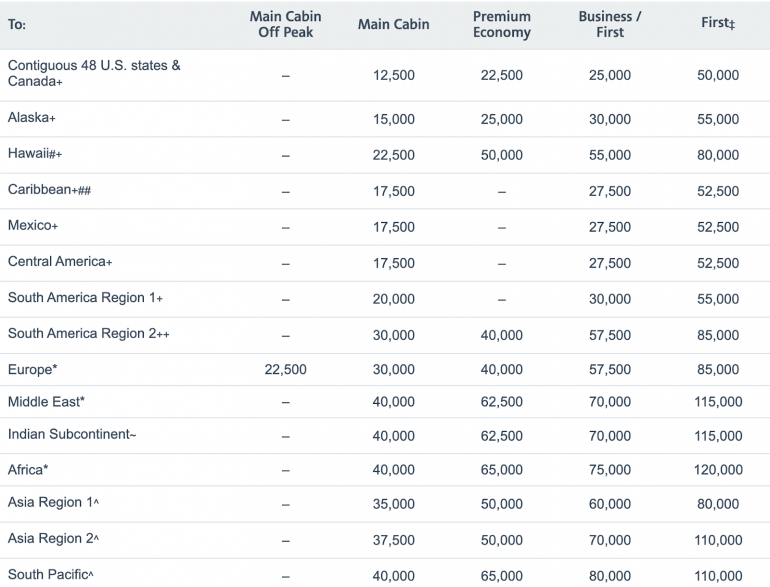
- Partner Airlines: American Airlines is a founding member of the Oneworld Alliance, which includes carriers like British Airways, Cathay Pacific, Qantas, Japan Airlines, and Iberia, among others. Crucially, AAdvantage miles can often be redeemed for flights on these partner airlines. These “saver awards” often follow a more predictable award chart (though American does not publish one for its own flights) and can provide exceptional value, especially to regions where American itself doesn’t fly. This expands your travel options significantly, increasing the chances of finding a high-value redemption. Booking partner awards often requires calling American Airlines directly, but the financial payoff can be substantial.
Upgrades: Elevating Your Travel Experience (Financially Prudent Upgrades)
For those who travel frequently for business or pleasure and often purchase economy tickets, using miles for upgrades can be a financially astute move. Instead of paying thousands more for a premium seat, a modest number of miles can transform a standard flight into a more comfortable experience. AAdvantage offers mileage-based upgrades on American Airlines flights. The cost in miles varies by fare class and route, but it’s often a fraction of the difference in cash price between economy and business class. Evaluate the incremental value—is the comfort worth the miles? For long overnight flights, the answer from a personal comfort and productivity perspective, often translates into a “yes” from a financial perspective as well, as you arrive rested and ready.
Oneworld Alliance and Partner Airlines: Expanding Your Financial Reach
Leveraging the full breadth of the Oneworld Alliance is paramount for maximizing the financial utility of your AAdvantage miles. While American’s dynamic pricing can sometimes make their own award flights less appealing, partner awards often present fixed, predictable mileage requirements that can offer stellar value. For instance, flying Cathay Pacific First Class across the Pacific or Qantas Business Class to Australia using AAdvantage miles can represent savings of many thousands of dollars, far exceeding what the same number of miles might yield on an American Airlines domestic route. Understanding the award charts of partners and knowing how to search for their availability are advanced strategies that can lead to exceptional financial wins.
Avoiding Devaluation: Protecting Your Mileage Investment
Like any financial asset, miles are susceptible to devaluation. Airlines can change award charts, increase mileage requirements, or alter program rules. Therefore, a proactive approach to managing your miles is essential to protect their accumulated value.
The Perils of Hoarding: Miles Don’t Earn Interest
Unlike a savings account or an investment portfolio, miles do not accrue interest or grow in value over time. In fact, their purchasing power is more likely to diminish due to inflation and program changes. Therefore, “hoarding” miles for an indefinite future can be a financially unsound strategy. While it’s wise to save for a high-value redemption (like a dream international business class flight), accumulating an excessive balance without a clear redemption plan is risky. Use your miles regularly to avoid potential losses from devaluation. Think of them as a coupon that needs to be used before it expires or its value diminishes.
Understanding Expiration Policies: Don’t Lose Your Assets
American Airlines AAdvantage miles expire if there’s no qualifying activity on your account for 24 months. Losing miles due to expiration is akin to throwing money away. Fortunately, “qualifying activity” is broad and easy to achieve. This includes earning miles (flying, using a co-branded credit card, shopping through the AAdvantage eShopping portal, dining through AAdvantage Dining), or redeeming miles. A simple purchase through a shopping portal or even a small mile redemption can reset the 24-month clock, ensuring your valuable assets remain secure. Regularly monitor your account activity and plan a minor transaction if your miles are nearing expiration.
Transferring and Pooling Miles (if applicable/financially smart)
While AAdvantage generally doesn’t allow free transfers of miles between individual accounts (paid transfers are an option but rarely financially sensible due to high fees), understanding any available family pooling options or transfer programs is crucial. American does not currently offer a family pooling program. However, some scenarios might involve transferring points from flexible points programs (like Marriott Bonvoy) to AAdvantage. Always evaluate the transfer ratio and associated fees. If a transfer significantly dilutes the value (e.g., a poor transfer ratio), it’s generally not a financially prudent move. Prioritize earning miles directly or through co-branded cards rather than relying on costly transfers.
Beyond Flights: Exploring Other Redemption Avenues (and their financial wisdom)
While flights and upgrades offer the highest financial return, AAdvantage miles can also be used for other services. However, it’s crucial to assess the value proposition critically.
Car Rentals and Hotels: Often Lower CPM, but Sometimes Necessary
AAdvantage allows you to redeem miles for car rentals and hotel stays through its booking portal. While convenient, the CPM for these redemptions is almost universally lower than for flights, often falling well below 1 cent per mile. This means you’d be getting less “bang for your buck” compared to using your miles for a flight. Financially, it’s usually better to pay cash for car rentals and hotels and save your miles for higher-value flight redemptions. There might be rare exceptions where a last-minute, inflated cash price makes a mileage redemption for a hotel marginally acceptable, but these are few and far between.
Vacations and Experiences: Are They Worth the “Cost”?
Similar to car rentals and hotels, AAdvantage offers “Vacation Packages” which combine flights, hotels, and sometimes activities. While the convenience of booking everything through one portal using miles might seem appealing, the financial value (CPM) is typically poor. These packages are often priced such that your miles are significantly devalued compared to booking each component separately and strategically. From a personal finance perspective, it’s almost always advisable to book flights with miles and pay cash for the other components, or use hotel-specific points for accommodations.
Admirals Club Memberships: Valuing Access
You can use AAdvantage miles to purchase or renew an Admirals Club membership, granting you access to American Airlines’ airport lounges. While the comfort and amenities of a lounge are valuable, assess the cash price of membership versus the mileage cost. If you frequently travel and value lounge access, this might offer a decent CPM, especially if the cash price is high. However, if you travel infrequently, or if you already have lounge access through a premium credit card, this redemption might not be financially optimal.
Merchandise and Gift Cards: Generally Poor Financial Value
AAdvantage also provides options to redeem miles for merchandise through its shopping portal or for various gift cards. These redemption options almost always yield an abysmal CPM, often well below 0.7 cents per mile. This is the least financially savvy way to use your miles. Treat these options as a last resort, perhaps for very small mileage balances that are about to expire and cannot be used for anything else. Otherwise, using miles for merchandise or gift cards is akin to spending a $10 bill to buy something that costs $5.
Advanced Strategies for the Savvy Mile User
To truly master the financial potential of your AAdvantage miles, consider these advanced strategies for both earning and burning.
AAdvantage Shopping and Dining: Earn More with Your Spending
Beyond flying, you can proactively earn AAdvantage miles through everyday spending. The AAdvantage eShopping portal allows you to earn bonus miles for purchases made online at hundreds of retailers. Similarly, AAdvantage Dining offers miles for dining at participating restaurants. These are “stackable” earnings – you earn miles from the portal/dining program and from your credit card. This is a financially sound way to accumulate miles without changing your spending habits, effectively getting a return on your regular expenditures.
Co-Branded Credit Cards: Accelerating Your Mileage Accumulation
For many, co-branded American Airlines credit cards are the fastest way to accumulate a significant mileage balance. These cards offer substantial sign-up bonuses, category bonuses (e.g., extra miles on AA purchases, gas, groceries), and often perks like free checked bags or priority boarding. When used responsibly and paid off in full each month, these cards are powerful financial tools for mileage accrual. The sign-up bonuses alone can often fund an international business class ticket, representing thousands of dollars in value. Evaluate the annual fee against the benefits and miles earned to ensure a positive financial return.
Knowing When to Pay Cash vs. Miles: A Crucial Financial Decision
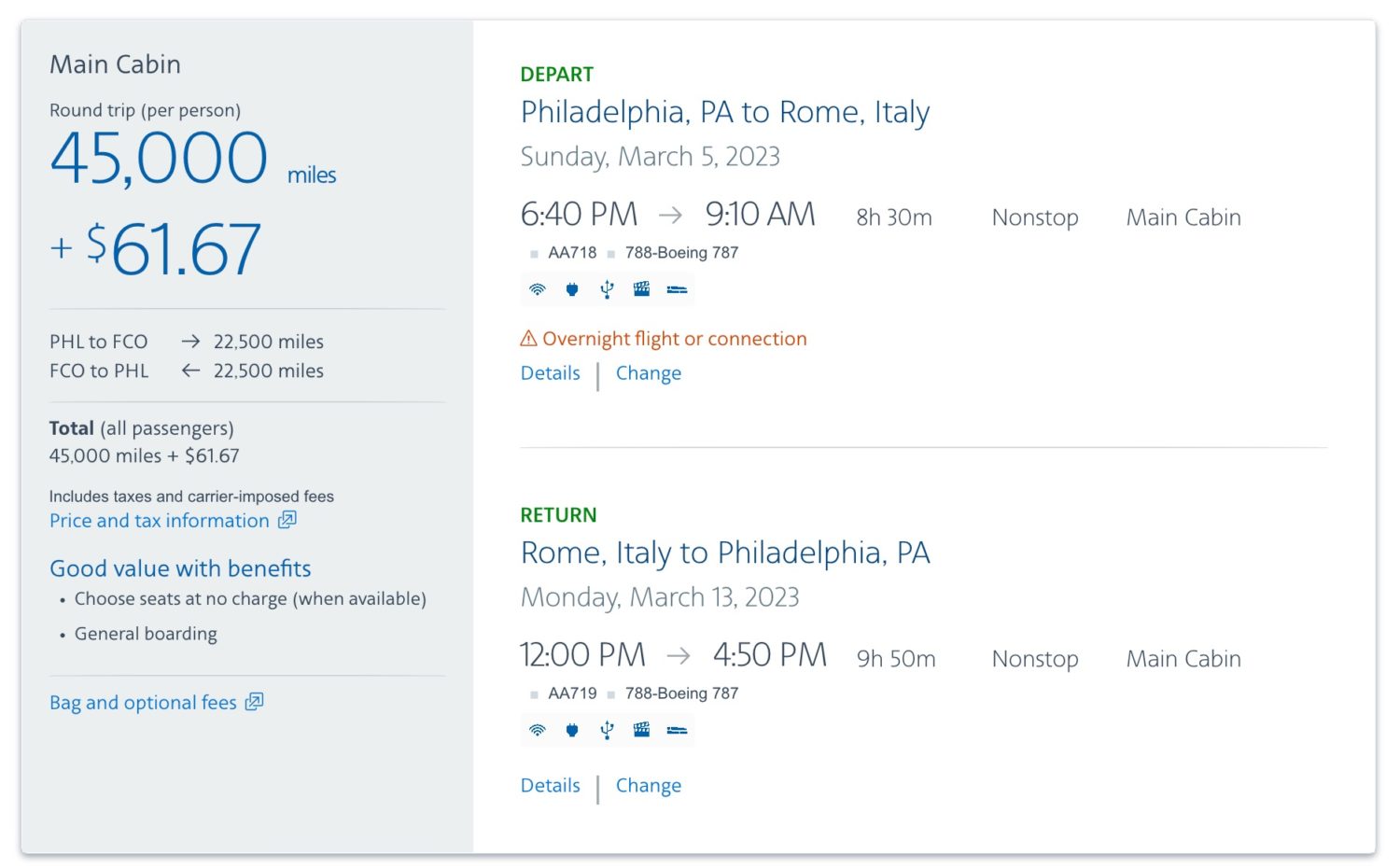
Perhaps the most sophisticated aspect of managing your AAdvantage miles is knowing when not to use them. If a flight’s cash price is low, and the mileage redemption requires a significant number of miles, leading to a low CPM (e.g., less than 1.5 cents), it’s often more financially prudent to pay cash for the flight and save your miles for a redemption that yields a much higher value. This involves continuously comparing the cash cost against the mileage cost, using your CPM calculation as the ultimate arbiter. This strategic decision-making ensures your miles are always deployed in the most financially advantageous way, maximizing their long-term impact on your personal travel budget.
In conclusion, American Airlines AAdvantage miles are far more than just a loyalty perk; they are a valuable financial instrument that, with strategic management, can significantly reduce travel expenses and unlock premium experiences. By understanding their fluctuating value, prioritizing high-CPM redemptions, safeguarding against devaluation, and employing smart earning strategies, individuals can transform their AAdvantage account into a powerful tool for achieving their travel aspirations while adhering to sound personal finance principles. Treat your miles with the same diligence and strategic thinking you apply to your investments and savings, and you’ll unlock their true financial potential.
aViewFromTheCave is a participant in the Amazon Services LLC Associates Program, an affiliate advertising program designed to provide a means for sites to earn advertising fees by advertising and linking to Amazon.com. Amazon, the Amazon logo, AmazonSupply, and the AmazonSupply logo are trademarks of Amazon.com, Inc. or its affiliates. As an Amazon Associate we earn affiliate commissions from qualifying purchases.