
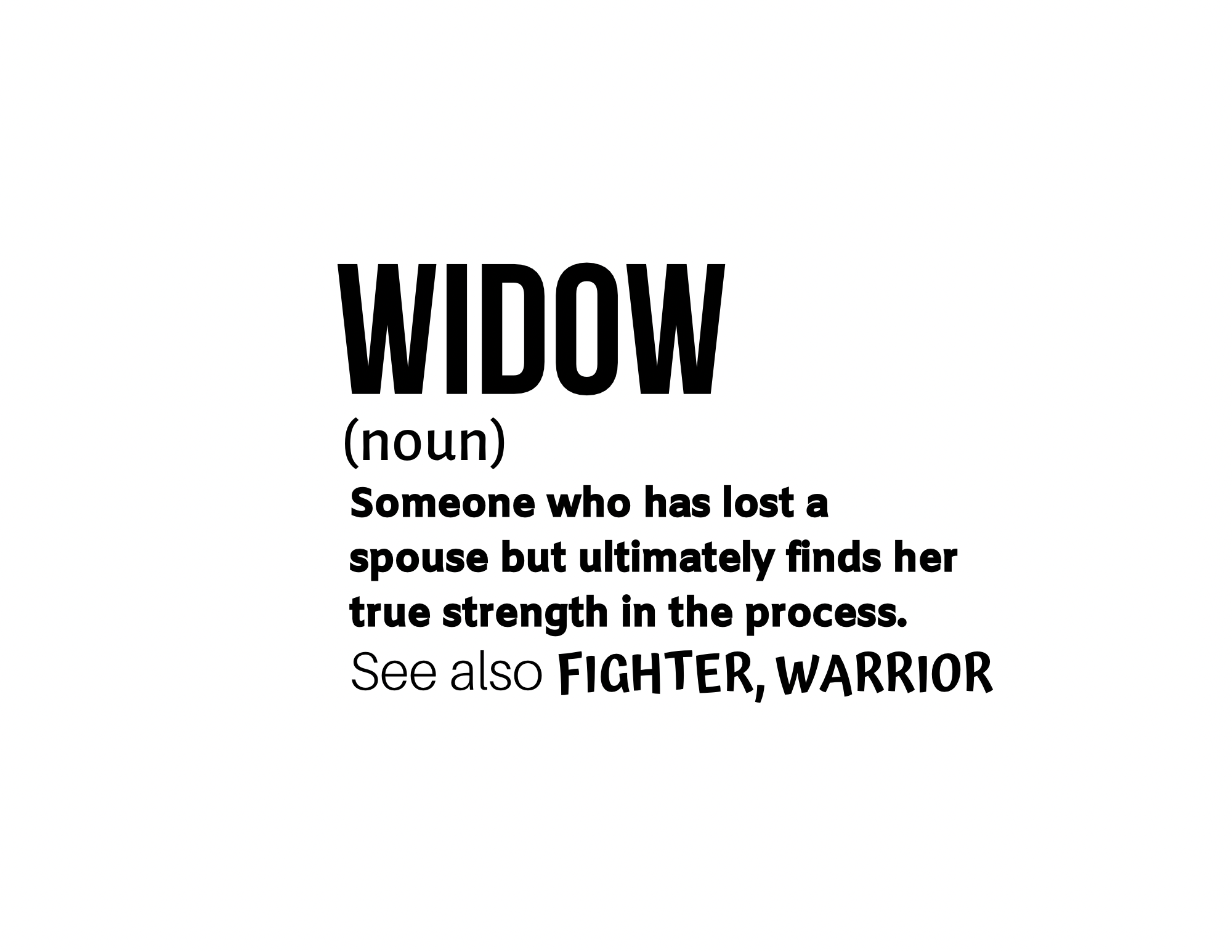
The term “widow” carries profound emotional and social weight, signifying a person who has lost their spouse. Beyond the immense grief and personal adjustment, becoming a widow also ushers in a complex array of financial, legal, and administrative challenges that can feel overwhelming. For many, a spouse’s passing represents not only the loss of a life partner but also the loss of a financial partner, a co-manager of household affairs, and often, a significant source of income or financial expertise. Understanding “what is a widow” in a practical sense involves grappling with a new financial reality that demands careful planning, informed decision-making, and often, the guidance of professionals. This article delves into the multifaceted financial journey of widowhood, offering insights into the immediate aftermath, long-term planning, and the essential resources available to navigate this difficult transition.
The Immediate Financial Aftermath of Spousal Loss
The period immediately following a spouse’s death is characterized by intense grief, making it incredibly difficult to focus on practical matters. However, certain financial steps are urgent and unavoidable. Ignoring them can lead to further stress and potential complications down the line.
Securing Immediate Funds and Managing Urgent Expenses
The very first financial considerations often revolve around immediate expenses. Funeral and burial costs can be substantial, ranging from a few thousand dollars to tens of thousands. It’s crucial to determine how these costs will be covered. Did the deceased have a pre-paid funeral plan, life insurance, or accessible savings? Accessing joint bank accounts, if they were structured with survivorship rights, can provide immediate liquidity. Otherwise, the estate may need to cover these initial costs, which can be a slow process. Widows should also gather essential documents like death certificates (order multiple copies), marriage certificates, and the deceased’s Social Security number, as these will be required for almost every subsequent financial transaction.
Understanding Joint Accounts and Asset Access
Many couples hold joint bank accounts, credit cards, and investments. The good news for widows is that assets held in joint tenancy with rights of survivorship typically pass directly to the surviving spouse, often bypassing probate. This provides a crucial avenue for accessing funds for immediate needs. However, not all assets are held jointly, and understanding which accounts can be accessed directly and which are part of the deceased’s individual estate is vital. For single-owner accounts, access will likely be restricted until the estate is formally managed, which could take weeks or months. It’s also important to notify banks and credit card companies of the spouse’s passing to prevent fraud and manage joint liabilities.
Initial Legal and Administrative Steps
Beyond financial accounts, there are immediate legal and administrative tasks. These include locating the will (if one exists), identifying the executor (who might be the widow or another family member), and beginning the process of estate administration. If there is no will, the laws of intestacy in your state will dictate how assets are distributed, which can be a more complex and potentially lengthy process. Notifying relevant government agencies (like the Social Security Administration if benefits were being received) and employers is also an early step. These initial legal and administrative actions lay the groundwork for accessing future benefits and managing the estate.
Unlocking Entitlements: Survivor Benefits and Estate Liquidation
Once the immediate crisis has passed, the next phase involves understanding and claiming survivor benefits, as well as navigating the often-complex process of estate liquidation and distribution. This is where professional guidance becomes invaluable.
Navigating Social Security Survivor Benefits
Social Security Administration (SSA) offers survivor benefits to eligible widows, widowers, and their dependent children. The specific benefit amount depends on the deceased’s earning record and the survivor’s age and circumstances. For instance, a widow caring for the deceased’s child (under 16 or disabled) may receive benefits regardless of age. An eligible widow aged 60 or older (50 if disabled) can also receive benefits. It’s crucial to contact the SSA directly to understand eligibility and apply, as these benefits do not start automatically. These payments can be a critical source of income, especially if the surviving spouse was not working or had a significantly lower income.
Understanding Pension, 401(k), and IRA Survivor Options
Many spouses leave behind retirement accounts such as pensions, 401(k)s, and IRAs. The rules for inheriting these accounts can be complex and vary depending on the type of account and whether the spouse was the designated beneficiary. For 401(k)s and pensions, federal law generally requires that the surviving spouse be the primary beneficiary unless they have formally waived this right. Widows typically have options for these accounts, such as rolling them into their own IRA, taking a lump-sum distribution, or sometimes, leaving them in the deceased’s account (though this is less common). Each option has different tax implications and long-term financial consequences, making careful consideration essential.
Processing Life Insurance Claims and Annuities
Life insurance is designed to provide financial protection upon the death of the insured. Widows should locate the deceased’s life insurance policies and contact the insurance companies to initiate claims. This typically requires a death certificate and claim forms. Annuities may also have survivor benefits, depending on how they were structured. Life insurance payouts are generally tax-free, providing a significant financial cushion that can be used to cover ongoing expenses, pay off debt, or invest for the future. Understanding the terms and conditions of these policies is paramount to ensuring a smooth claims process.
The Role of the Estate: Wills, Trusts, and Probate
The deceased’s will outlines their wishes for asset distribution. If a will exists, the executor (often the widow) is responsible for guiding the estate through probate—the legal process of validating the will, paying debts, and distributing assets. Probate can be lengthy and public, but it ensures proper legal transfer of assets. If assets were held in a trust, they generally bypass probate, offering a more private and often quicker distribution process. Understanding the contents of the will, the existence of trusts, and the probate process is a foundational step in settling the financial affairs of the deceased and securing the widow’s inheritance.
Rebuilding a Financial Future: Budgeting, Debt, and Investments
With the immediate and estate-related tasks underway, attention must turn to establishing a stable and sustainable financial future. This involves critically re-evaluating financial habits, managing existing liabilities, and strategically planning for long-term security.
Re-evaluating and Creating a New Household Budget

One of the most immediate and impactful steps is to create a new household budget. The previous budget was likely based on two incomes and shared expenses. With the loss of a spouse, income streams often change dramatically, and some expenses may decrease (e.g., one less mouth to feed) while others might increase (e.g., hiring help for tasks the spouse used to perform). A thorough review of all income sources (salary, benefits, investments) and expenses (housing, utilities, food, transportation, insurance) is essential to understand the new financial landscape and ensure financial solvency.
Strategizing Debt Management Post-Loss
Debt, whether joint or individual, can become a significant concern. Joint debts (like mortgages or joint credit cards) typically become the sole responsibility of the surviving spouse. Individual debts of the deceased, however, are usually paid from the estate before assets are distributed to heirs. Understanding which debts fall where is critical. Widows should contact creditors to inform them of the situation, explore repayment options, and avoid taking on personal responsibility for debts that legally belong solely to the estate. Financial advisors can help devise a strategy for managing and reducing debt to ensure financial stability.
Reassessing Investment Portfolios and Risk Tolerance
An existing investment portfolio was likely constructed based on the couple’s joint financial goals, timelines, and risk tolerance. With one spouse gone, these parameters change. The widow’s new income situation, reduced expenses (or new expenses), and possibly a more conservative outlook might necessitate a re-evaluation of the investment strategy. This could mean shifting from growth-oriented investments to more income-generating ones, or adjusting the asset allocation to better reflect the new risk capacity. Professional financial guidance is crucial here to avoid emotional decisions and ensure the portfolio aligns with individual needs and future goals.
Long-Term Financial Planning and Goal Setting
Beyond immediate adjustments, widowhood is a time to re-establish long-term financial goals. This could involve planning for retirement, funding education for children, or ensuring adequate healthcare in later life. New income streams, potential inheritances, and a revised budget all play a role in shaping these goals. Developing a comprehensive financial plan that includes saving, investing, and estate planning (for the widow’s own future) provides a roadmap for financial security and peace of mind.
Legal, Tax, and Insurance Considerations for Widows
The financial landscape of widowhood is heavily influenced by legal and tax regulations, as well as the need to adjust personal insurance coverages. These areas often require specialized knowledge and proactive management.
Understanding Tax Implications of Inheritance and Income Changes
The tax implications of widowhood can be complex. Life insurance proceeds are generally tax-free, but inherited retirement accounts can be subject to income tax depending on how they are handled. The year of death may also allow the surviving spouse to file a joint return. In subsequent years, the widow will likely file as “single” or “qualifying widow(er)” for a limited period, each with different tax brackets and standard deductions. Understanding these changes and planning for future tax liabilities is essential to avoid surprises and maximize after-tax income. Consulting a tax professional is highly recommended.
Reviewing and Updating Legal Documents: Wills, POAs, Beneficiaries
It is critical for a widow to update their own legal documents. This includes creating or revising their will, establishing new powers of attorney for financial and healthcare decisions, and updating beneficiary designations on all financial accounts (retirement plans, life insurance, bank accounts). Failure to do so could lead to complications for their own estate down the line. For example, if the deceased spouse was the beneficiary on all accounts, these designations need to be changed to new heirs or trusts. This step ensures that the widow’s wishes are respected and simplifies matters for their future beneficiaries.
Adjusting Insurance Coverage: Health, Home, and Auto
With the loss of a spouse, various insurance policies need review. Health insurance coverage may change if the deceased was the primary policyholder through their employer. The widow might need to explore COBRA, Medicare, or new individual plans. Homeowner’s insurance policies should be updated to reflect the sole ownership. Auto insurance may also need adjustment, especially if there’s one less driver or vehicle. Reviewing all policies ensures continued coverage, avoids lapses, and potentially reduces premiums by eliminating unnecessary coverage.
The Value of Professional Guidance and Support Networks
Navigating the financial and emotional complexities of widowhood is rarely a journey best undertaken alone. Professional expertise and robust support networks are invaluable resources.
Engaging Financial Advisors and Estate Attorneys
A qualified financial advisor specializing in life transitions can provide indispensable guidance. They can help with budgeting, investment reallocation, understanding survivor benefits, and long-term financial planning. Similarly, an estate attorney can assist with probate, trust administration, and updating the widow’s own legal documents, ensuring all actions comply with legal requirements and best practices. These professionals offer not just expertise, but also a calming presence and an objective perspective during a highly emotional time.
Leveraging Grief Counseling and Support Groups
While not directly financial, emotional well-being profoundly impacts the ability to make sound financial decisions. Grief counseling, therapy, and support groups can provide a safe space to process loss, share experiences, and receive emotional support. Many organizations offer specific programs for widows and widowers. A stable emotional state is a prerequisite for effective financial planning and decision-making.
Building a New Personal and Professional Network
Widowhood often means a significant shift in social circles and routines. Actively rebuilding or expanding personal and professional networks can provide not only emotional support but also practical advice and new opportunities. This could involve joining community groups, professional organizations, or reconnecting with old friends. A strong network can be a source of referrals for trusted professionals, offer social engagement, and provide a sense of belonging during a period of profound change.
In conclusion, becoming a widow is a transformative experience, marked by significant emotional and practical challenges. Understanding “what is a widow” encompasses acknowledging the intricate financial and legal landscape that must be navigated. By taking proactive steps, seeking professional guidance, and leveraging available resources, widows can gradually rebuild their financial security and embark on a new chapter with confidence and peace of mind.
aViewFromTheCave is a participant in the Amazon Services LLC Associates Program, an affiliate advertising program designed to provide a means for sites to earn advertising fees by advertising and linking to Amazon.com. Amazon, the Amazon logo, AmazonSupply, and the AmazonSupply logo are trademarks of Amazon.com, Inc. or its affiliates. As an Amazon Associate we earn affiliate commissions from qualifying purchases.