
In the rapidly evolving landscape of digital commerce, understanding the fundamental tools that underpin online transactions is crucial for any business, entrepreneur, or individual looking to operate successfully in the digital realm. At the heart of this financial infrastructure for many lies Stripe, a powerful and versatile platform that has redefined how businesses accept and manage payments online. A Stripe account, in essence, is a digital gateway that empowers businesses to process a wide array of electronic payments, manage their financial operations, and scale their ventures globally. More than just a simple payment processor, it’s a comprehensive suite of financial tools designed to streamline revenue generation, mitigate financial risks, and provide invaluable insights into a company’s monetary flow.
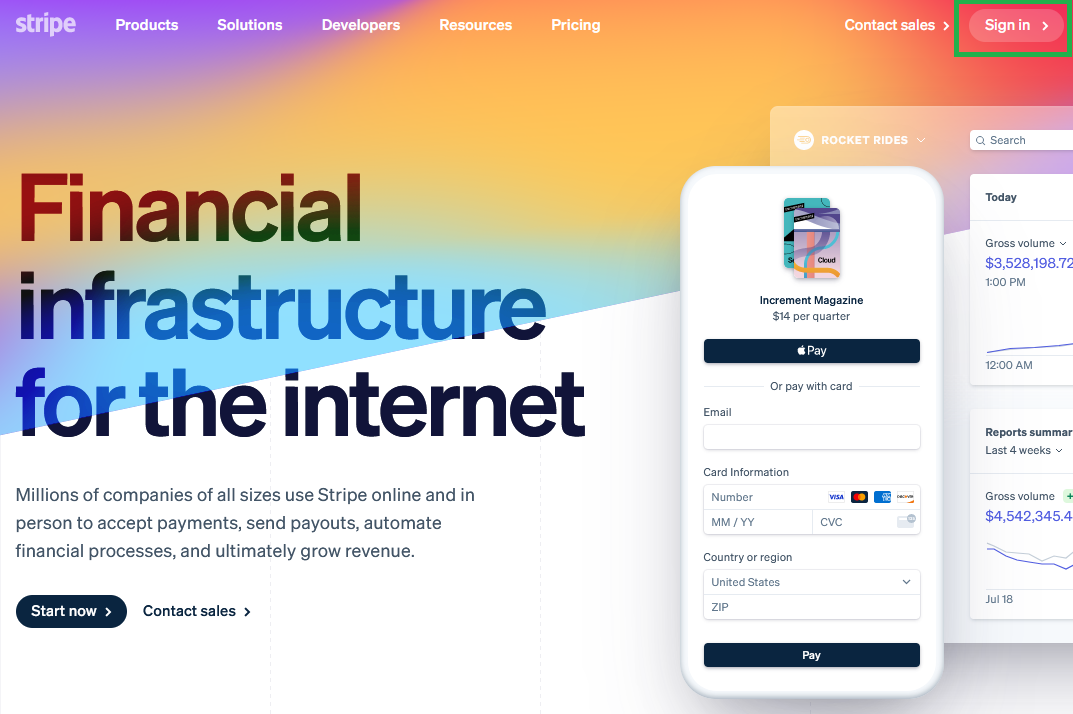
This article delves into the intricacies of a Stripe account, exploring its core functions, the financial benefits it offers, its diverse feature set, and how it serves as an indispensable asset for businesses navigating the complexities of modern finance and online income generation.
Understanding Stripe’s Core Function in Business Finance
At its most fundamental level, a Stripe account acts as a merchant account and payment gateway rolled into one, allowing businesses to accept credit card payments and other payment methods directly on their websites or within their applications. However, its scope extends far beyond this basic utility, positioning it as a pivotal player in modern business finance.
The Digital Backbone of Online Transactions
For any business operating online, the ability to securely and efficiently accept payments is paramount. Stripe provides the necessary infrastructure to facilitate these transactions. When a customer makes a purchase on an e-commerce site powered by Stripe, their payment information is securely transmitted, processed, and validated. Stripe handles the complex process of communicating with banks and card networks, ensuring that funds are transferred from the customer’s account to the business’s Stripe account, and subsequently to their bank account. This seamless digital flow is the backbone of online revenue, ensuring that businesses can convert customer interest into tangible income without friction. It eliminates the need for businesses to deal directly with myriad financial institutions, consolidating the entire payment lifecycle into one integrated platform.
Beyond Simple Payment Processing
While payment processing is central, Stripe’s value proposition in business finance is significantly broader. It’s not just about taking money; it’s about managing it, understanding it, and using it to drive growth. Stripe offers sophisticated tools for fraud detection and prevention, which are critical for protecting a business’s financial health from chargebacks and illicit activities. It also provides robust financial reporting and analytics, giving businesses a clear, real-time picture of their income streams, transaction volumes, and customer spending patterns. This data is invaluable for financial planning, budgeting, and making informed strategic decisions that impact profitability and sustained growth.
Empowering Global Commerce for Businesses
One of Stripe’s most significant contributions to business finance is its capacity to facilitate global commerce. In an increasingly interconnected world, businesses are no longer confined by geographical borders. A Stripe account enables businesses to accept payments from customers worldwide, supporting a vast array of currencies and local payment methods. This global reach is a game-changer for businesses aiming to expand their market share and diversify their income sources internationally. It simplifies the complexities of cross-border transactions, managing currency conversions and compliance, thereby opening up new avenues for revenue generation that would otherwise be inaccessible or prohibitively complex for many small and medium-sized enterprises (SMEs).
Key Features and Financial Tools Offered by Stripe
The comprehensive suite of tools offered by Stripe transcends basic payment processing, providing businesses with robust solutions for managing their entire financial lifecycle. These features are designed to enhance efficiency, reduce operational costs, and maximize revenue.
Streamlining Payment Acceptance and Management
Stripe provides an extensive array of payment acceptance options, making it flexible for almost any business model. This includes accepting major credit and debit cards (Visa, MasterCard, American Express, Discover), as well as digital wallets like Apple Pay and Google Pay. Beyond this, Stripe supports local payment methods prevalent in various regions, such as SEPA Direct Debit in Europe, iDEAL in the Netherlands, and WeChat Pay/Alipay in Asia. The platform also offers customizable checkout experiences, allowing businesses to maintain their brand identity while providing a smooth and secure payment flow. For financial management, features like automated payouts, dispute resolution, and chargeback management are built-in, simplifying the often-arduous task of reconciling transactions and protecting financial assets.
Advanced Solutions for Recurring Revenue Models
For businesses built on subscription services or recurring billing (SaaS companies, membership sites, online courses), Stripe offers powerful tools specifically designed for these financial models. Stripe Billing automates the entire subscription lifecycle, from initial sign-up and prorated charges to upgrades, downgrades, and cancellations. It handles complex billing logic, including usage-based pricing and tiered plans, ensuring accurate and timely revenue collection. This automation reduces manual errors, saves administrative costs, and provides a predictable revenue stream, which is crucial for financial forecasting and investor relations. Furthermore, features like smart retry logic for failed payments help businesses recover lost revenue due to expired cards or temporary payment issues, directly impacting the bottom line.
Enhancing Financial Operations and Fraud Prevention
Security is paramount in financial transactions. Stripe invests heavily in sophisticated fraud detection and prevention technologies through Stripe Radar. Utilizing machine learning, Radar analyzes billions of data points across the Stripe network to identify and block fraudulent transactions in real-time. This proactive approach significantly reduces financial losses from fraud and minimizes the operational overhead associated with managing disputes and chargebacks. For compliance, Stripe is PCI DSS Level 1 certified, the highest level of certification available in the payment industry, ensuring that sensitive cardholder data is handled with the utmost security. These features not only protect a business’s assets but also build customer trust, encouraging repeat business and long-term financial relationships.
Tools for Business Growth and Scalability
Stripe isn’t just for processing payments; it’s designed to be a growth engine for businesses. Tools like Stripe Connect enable platforms and marketplaces to facilitate payments between multiple parties, managing complex money flows for two-sided markets. Stripe Capital offers eligible businesses quick and flexible financing options based on their processing history, providing access to capital for expansion, inventory, or marketing efforts without traditional bank complexities. Moreover, Stripe provides comprehensive APIs and SDKs, allowing developers to integrate payment functionality deeply into their applications, creating highly customized financial workflows that can adapt and scale with business needs. This extensibility means that as a business grows and its financial requirements evolve, Stripe can grow with it, offering solutions for increasingly complex financial operations.
The Financial Advantages of Using Stripe for Your Business
Adopting a Stripe account offers a multitude of financial benefits that can significantly impact a business’s profitability, operational efficiency, and global reach. These advantages extend beyond mere transaction processing to encompass strategic financial management and sustained growth.
Maximizing Online Income Streams
Stripe’s robust infrastructure ensures high authorization rates, meaning more legitimate transactions are successfully processed, directly translating into higher revenue. By supporting a broad spectrum of payment methods, including local options and digital wallets, businesses can cater to a wider customer base, reducing cart abandonment and capturing more sales opportunities. The seamless checkout experience it provides minimizes friction for customers, enhancing their likelihood to complete purchases and increasing overall conversion rates. Furthermore, for subscription businesses, Stripe Billing’s sophisticated features for recurring payments and revenue recovery significantly bolster predictable income streams and reduce churn.

Simplified Global Market Entry and Currency Management
Expanding into international markets is a key driver for financial growth, but it often comes with complex payment challenges. Stripe simplifies this significantly. With support for over 135 currencies and numerous local payment methods, businesses can confidently accept payments from customers worldwide without the need for multiple international banking relationships or complex currency exchange mechanisms. Stripe handles currency conversions, payout settlements in local currencies, and adherence to regional financial regulations. This global reach reduces the barriers to international expansion, allowing businesses to tap into new markets and diversify their income sources with unprecedented ease and efficiency, ultimately boosting their overall financial resilience.
Transparent Pricing and Cost-Effectiveness
Stripe operates on a transparent, pay-as-you-go pricing model, typically charging a fixed percentage plus a small fee per successful transaction. This predictability allows businesses, especially startups and SMEs, to accurately forecast their payment processing costs without hidden fees, monthly minimums, or setup charges that are often associated with traditional merchant accounts. For businesses with variable transaction volumes, this model is highly cost-effective as they only pay for the services they use. Additionally, the efficiency gained from Stripe’s automated financial tools – from fraud prevention to reporting – reduces administrative overhead and potential losses, further contributing to overall cost savings and improved profit margins.
Robust Financial Reporting and Analytics
Understanding a business’s financial performance is paramount for strategic decision-making. Stripe provides a comprehensive dashboard with real-time financial reporting and analytics. Businesses can track sales trends, identify peak periods, monitor chargeback rates, and analyze customer behavior. Detailed transaction histories, payout reports, and reconciliation tools make bookkeeping and accounting significantly simpler and more accurate. These insights enable businesses to make data-driven decisions regarding pricing, marketing strategies, and operational adjustments, directly impacting their financial health and long-term growth trajectory. The ability to easily export data for integration with accounting software further streamlines financial management.
Setting Up and Managing Your Stripe Account for Optimal Financial Performance
Effectively leveraging a Stripe account involves more than just activation; it requires strategic setup, careful integration, and ongoing management to ensure maximum financial benefit and operational efficiency.
Navigating the Account Creation Process
Opening a Stripe account is typically a straightforward online process. Businesses need to provide basic information about their entity, including legal name, business type, industry, and contact details. This initial setup is crucial for financial compliance and proper fund disbursement. Stripe also requires verification of banking details to link the account where processed funds will be deposited. While simple, it’s vital to ensure all information is accurate and matches official business records to avoid delays in account activation or payouts. Understanding the requirements for different business types (e.g., sole proprietorships, corporations) ensures a smooth onboarding experience and immediate access to payment processing capabilities.
Integrating Stripe into Your Business Ecosystem
Once an account is active, the next step is integrating Stripe into the business’s existing platforms. For e-commerce sites, this often involves installing a Stripe plugin for platforms like Shopify, WooCommerce, or Magento. For custom websites or mobile applications, developers use Stripe’s comprehensive APIs and SDKs to embed payment functionality directly. Proper integration is key to a seamless customer experience and efficient financial operations. This includes configuring checkout forms, setting up webhooks for real-time transaction notifications, and defining payout schedules. Thoughtful integration ensures that payment processing is not just functional but optimized for security, speed, and user-friendliness, directly impacting conversion rates and customer satisfaction.
Best Practices for Financial Security and Compliance
Maintaining financial security and compliance is non-negotiable for any business handling payments. With a Stripe account, businesses benefit from its built-in PCI DSS Level 1 compliance and advanced fraud detection tools like Stripe Radar. However, businesses also have a role to play. Best practices include implementing strong password policies, enabling two-factor authentication for dashboard access, and regularly reviewing transaction activity for suspicious patterns. It’s also important to understand and adhere to Stripe’s terms of service and any applicable financial regulations in the jurisdictions where the business operates. Proactive security measures and compliance not only protect a business’s financial assets but also safeguard its reputation and foster customer trust.
Harnessing Stripe’s Ecosystem for Financial Growth
Stripe offers a powerful ecosystem of tools and services that, when utilized effectively, can significantly contribute to financial growth. Exploring options like Stripe Atlas for business incorporation, Stripe Capital for funding, or Stripe Connect for platform models can unlock new opportunities. Regularly reviewing Stripe’s dashboard analytics provides insights into financial performance, customer behavior, and potential areas for improvement. Experimenting with different payment methods, optimizing checkout flows based on data, and leveraging Stripe’s features for recurring revenue can lead to substantial financial gains. Continuous engagement with Stripe’s evolving suite of tools ensures that a business remains agile and competitive, maximizing its potential for online income and sustainable financial growth.
Who Benefits Most from a Stripe Account?
While Stripe is incredibly versatile, certain types of businesses and individuals find its features particularly aligned with their financial needs and growth objectives.
E-commerce Businesses and Online Retailers
For any business selling products or services online, a Stripe account is almost indispensable. It provides the secure and reliable payment processing necessary to convert website visitors into paying customers. Its ease of integration with popular e-commerce platforms, support for various payment methods, and robust fraud prevention make it an ideal choice for online retailers looking to maximize sales and minimize financial risks.
Subscription-Based Services and SaaS Companies
Businesses operating on a recurring revenue model, such as Software as a Service (SaaS) providers, online membership sites, and subscription boxes, benefit immensely from Stripe Billing. Its automation of recurring payments, management of subscription plans, and intelligent dunning capabilities are crucial for maintaining a healthy subscriber base, reducing churn, and ensuring predictable income streams—all vital for financial stability and growth in these models.

Freelancers, Service Providers, and Startups
Individual entrepreneurs, freelancers, and small service providers can use Stripe Invoicing to professionalize their billing process, send recurring invoices, and accept payments easily. For startups, Stripe’s developer-friendly APIs allow for rapid integration of payment functionality without significant upfront investment, enabling them to quickly get to market and start generating revenue. Its scalability also means it can grow with the business, accommodating increasing transaction volumes and expanding financial needs.
In conclusion, a Stripe account is far more than just a means to accept payments. It is a comprehensive financial platform that empowers businesses of all sizes to navigate the complexities of digital commerce, manage their finances effectively, and unlock significant opportunities for online income and sustained growth in the global marketplace. Understanding its capabilities and strategic implementation is key to leveraging its full financial potential.
aViewFromTheCave is a participant in the Amazon Services LLC Associates Program, an affiliate advertising program designed to provide a means for sites to earn advertising fees by advertising and linking to Amazon.com. Amazon, the Amazon logo, AmazonSupply, and the AmazonSupply logo are trademarks of Amazon.com, Inc. or its affiliates. As an Amazon Associate we earn affiliate commissions from qualifying purchases.