
The prospect of a sinus lift procedure can bring a mix of apprehension and curiosity. For many, it’s an unfamiliar term, often encountered when discussing advanced dental restoration options like dental implants. While the medical necessity and procedure itself are paramount, understanding the financial landscape surrounding a sinus lift is equally crucial for informed decision-making. This isn’t just about a surgical intervention; it’s an investment in your oral health, your confidence, and potentially, your long-term financial well-being.
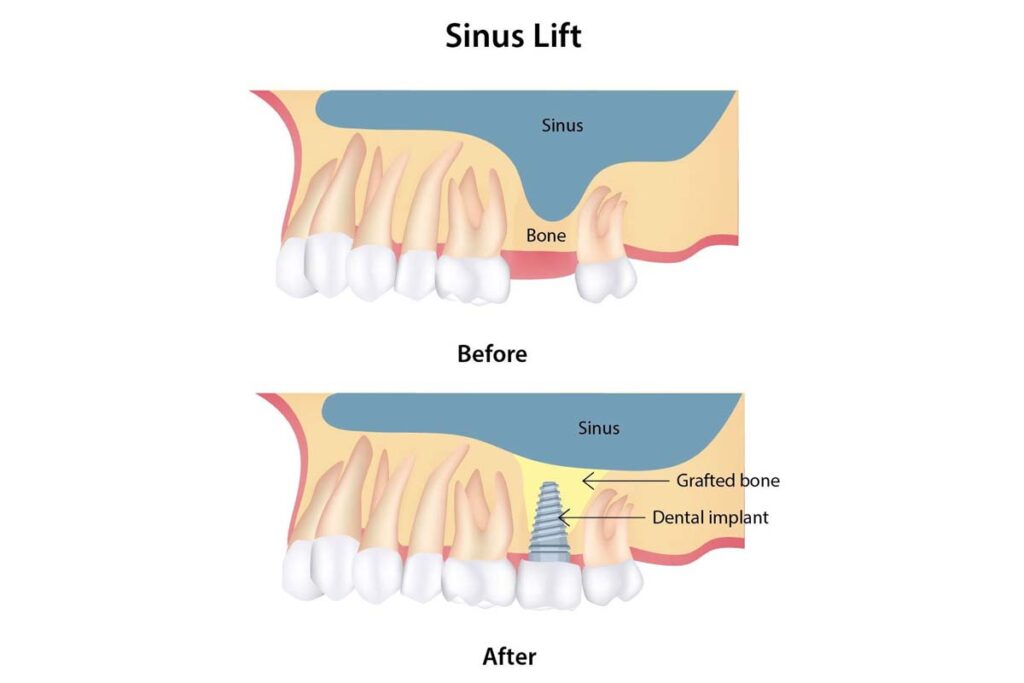
The decision to undergo a sinus lift is rarely made lightly. It often arises from a need for more robust bone support for dental implants, particularly in the upper jaw. When the maxillary sinuses are too close to the jawbone, or when significant bone loss has occurred due to tooth extraction or periodontal disease, a sinus lift becomes a critical preparatory step. But before delving into the surgical intricacies, it’s essential to approach this procedure with a clear understanding of its financial ramifications. This involves examining the costs, exploring insurance coverage, understanding potential financing options, and ultimately, evaluating the long-term value of this dental investment.
The Cost of Enhancing Your Jawbone: Deconstructing Sinus Lift Expenses
The financial journey of a sinus lift begins with understanding the inherent costs involved. It’s vital to recognize that the price of a sinus lift can fluctuate significantly based on several factors, making a one-size-fits-all estimation challenging. These variables include the geographic location of the dental practice, the experience and specialization of the oral surgeon or periodontist, the specific technique employed, and the complexity of the individual case.
Direct Procedure Costs: What You Can Expect to Pay
The most immediate financial consideration for a sinus lift is the fee for the surgical procedure itself. This typically encompasses the surgeon’s professional fee, the cost of the grafting material, and any necessary anesthesia. The grafting material can be autogenous (bone from another part of your body), allogeneic (bone from a human donor), or xenograft (bone from an animal source, often bovine). The choice of material can influence the overall cost, with autogenous bone potentially leading to higher fees due to the additional surgical site.
Beyond the primary grafting procedure, the surgeon will meticulously assess your jawbone structure and sinus health. This often involves advanced imaging techniques such as CT scans or cone-beam computed tomography (CBCT). While these diagnostic tools are essential for accurate treatment planning, they also represent an additional cost. These imaging fees, though seemingly minor in the grand scheme, contribute to the overall financial outlay and should be factored into your budget.
Ancillary Services and Potential Add-ons
The sinus lift is rarely a standalone procedure when it comes to its financial implications. It’s often a precursor to dental implant placement. Therefore, the cost of the subsequent dental implant surgery, the implant abutment, and the final crown or prosthesis must also be considered within the broader financial picture. While these costs are distinct from the sinus lift itself, they are inextricably linked in the overall treatment plan.
Furthermore, post-operative care is an integral part of the healing process and may involve prescription medications for pain management and infection prevention. While generally not exorbitant, these pharmaceutical costs should be anticipated. In some cases, unforeseen complications might necessitate additional appointments or minor interventions, which could incur further expenses. A thorough discussion with your dental provider about potential “what-if” scenarios can help you prepare for a wider range of financial possibilities.
Navigating the Insurance Landscape: Maximizing Your Coverage for Sinus Lifts
The question of insurance coverage for a sinus lift is often a complex one, with varying policies and individual plan details playing a significant role. While many medical insurance plans may cover certain aspects of bone grafting procedures when deemed medically necessary, dental insurance coverage for sinus lifts can be more limited. This disparity often stems from how these procedures are classified and the typical benefits offered by each type of insurance.
Medical vs. Dental Insurance: Understanding the Differences
Medical insurance typically covers procedures that are considered medically necessary for treating a diagnosed condition or disease. In the context of a sinus lift, if the bone loss or sinus proximity is directly linked to a condition like severe periodontal disease, a sinus infection that has caused bone degradation, or a traumatic injury, there’s a higher likelihood of medical insurance providing some level of coverage. The key here is demonstrating a clear medical necessity beyond simply preparing for a cosmetic enhancement or elective dental restoration.
Dental insurance, on the other hand, often focuses on preventive care, basic restorative procedures, and sometimes more advanced treatments like implants. However, sinus lifts, being a more specialized and often preparatory procedure for implants, may not always be explicitly covered or may have specific limitations. Some dental plans might offer partial coverage for bone grafting if it’s deemed essential for the placement of a dental prosthetic that replaces a missing tooth, but this is not universal.
Strategies for Maximizing Coverage and Understanding Your Benefits

To effectively navigate insurance for a sinus lift, a proactive and informed approach is essential.
- Thoroughly Review Your Policy: Before committing to any procedure, meticulously examine both your medical and dental insurance policies. Pay close attention to the sections detailing coverage for oral surgery, bone grafting, and dental implants. Look for any exclusions, limitations, or pre-authorization requirements.
- Consult with Your Dental Provider’s Office: Dental practices that frequently perform sinus lifts will have staff experienced in dealing with insurance companies. They can assist in verifying your benefits, understanding policy nuances, and submitting claims on your behalf. They can also help in obtaining pre-authorization, which is often a crucial step for securing coverage.
- Obtain Pre-Authorization: This is perhaps the most critical step. Submitting a request for pre-authorization to your insurance provider before the procedure can give you a clear indication of what will be covered and what your out-of-pocket expenses will be. This prevents unexpected financial surprises after the treatment is completed.
- Understand Medical Necessity Documentation: If you are seeking coverage through medical insurance, ensure your dentist or oral surgeon provides comprehensive documentation justifying the medical necessity of the sinus lift. This might include detailed notes on bone loss, sinus issues, and how the procedure is essential for functional restoration.
- Appeal Denied Claims: If your claim is denied, don’t be discouraged. Many denials are due to administrative errors or a need for further clarification. Work with your dental provider to gather any additional information or documentation that might support your case and file an appeal.
Financing Your Sinus Lift: Options for a Healthy Investment
For many individuals, the total cost of a sinus lift, combined with subsequent implant procedures, can represent a significant financial undertaking. Fortunately, there are several financing options available that can make this essential dental investment more manageable. Understanding these options allows you to choose a payment plan that best aligns with your financial situation and enables you to proceed with the treatment you need.
Payment Plans and Dental Financing
Many dental practices offer in-house payment plans or partner with third-party dental financing companies. These companies specialize in providing loans for medical and dental procedures, often with flexible repayment terms and competitive interest rates.
- In-House Payment Plans: Some dental offices may offer their own financing solutions, allowing you to pay the procedure cost over several months with no interest or a low-interest rate. These plans are often straightforward and managed directly by the practice.
- Third-Party Dental Lenders: Companies like CareCredit, LendingClub, or Wells Fargo Health Advantage provide dedicated financing for healthcare expenses. They offer various credit lines, some with promotional periods that waive interest if the balance is paid in full within a specified timeframe. Applying for these loans is typically a quick and online process.
Exploring Broader Financial Strategies
Beyond specialized dental financing, consider these broader financial strategies to manage the cost of a sinus lift:
- Personal Savings: If your financial situation allows, utilizing personal savings is often the most cost-effective approach, as it avoids any interest charges. If the cost is substantial, consider setting up a dedicated savings account for your dental treatment.
- Home Equity Loans or Lines of Credit: For homeowners, tapping into home equity can be a viable option. These loans typically offer lower interest rates compared to unsecured personal loans, but it’s important to weigh the risks associated with leveraging your home.
- Personal Loans from Banks or Credit Unions: Traditional personal loans from banks or credit unions can also be a source of funding. Interest rates will vary based on your creditworthiness, but they offer a lump sum that can be repaid over time.
- Health Savings Accounts (HSAs) or Flexible Spending Accounts (FSAs): If you have an HSA or FSA through your employer, these pre-tax dollars can often be used to cover eligible medical and dental expenses, including sinus lifts. This can provide significant tax savings.
The Long-Term Financial Value of a Sinus Lift: Beyond the Immediate Expense
While the upfront costs of a sinus lift can seem substantial, it’s crucial to consider the long-term financial value and the profound impact it can have on your overall well-being and, consequently, your financial stability. Investing in a sinus lift, when indicated, is not merely about addressing a immediate dental concern; it’s about preventing future, more costly problems and enhancing your quality of life, which can indirectly influence your earning potential and financial confidence.
Preventing Further Bone Loss and Costly Complications
Untreated bone loss in the jaw can lead to a cascade of problems. Without adequate bone support, existing teeth can become loose and eventually require extraction, necessitating more complex and expensive restorative treatments. The decline in jawbone density can also affect the facial structure, leading to changes in facial contours and an aged appearance, which may, in turn, impact self-esteem and social interactions.
A sinus lift, by augmenting the bone, creates a stable foundation for dental implants. Implants, unlike traditional dentures or bridges, can preserve existing jawbone density by stimulating bone growth. This preventative measure can save you significant costs down the line by avoiding the need for repeated repairs or replacements of less durable prosthetics. Furthermore, by preventing further bone degradation, you mitigate the risk of more extensive and expensive reconstructive surgeries in the future.

Enhancing Quality of Life and Earning Potential
The ability to eat, speak, and smile with confidence is invaluable. Dental issues, particularly those involving significant tooth loss or instability, can negatively impact your nutritional intake, your ability to articulate clearly, and your overall social engagement. This can indirectly affect your professional life, potentially hindering career advancement or even leading to lost workdays due to discomfort or self-consciousness.
By restoring your oral health and function through procedures like a sinus lift and subsequent implant placement, you regain the ability to enjoy a varied diet, communicate effectively, and present a confident smile. This improved quality of life can translate into increased self-assurance, better social interactions, and a greater capacity to focus on your professional goals, ultimately contributing to your long-term financial success and stability. The investment in a sinus lift, therefore, extends beyond the immediate dental outcome; it’s an investment in your overall health, happiness, and economic potential.
aViewFromTheCave is a participant in the Amazon Services LLC Associates Program, an affiliate advertising program designed to provide a means for sites to earn advertising fees by advertising and linking to Amazon.com. Amazon, the Amazon logo, AmazonSupply, and the AmazonSupply logo are trademarks of Amazon.com, Inc. or its affiliates. As an Amazon Associate we earn affiliate commissions from qualifying purchases.