
In the intricate world of financial transactions, the seemingly simple act of writing or depositing a check carries a series of underlying processes and potential pitfalls. Among these, the concept of a “returned check” stands out as a common, yet often misunderstood, financial occurrence. More than just an inconvenience, a returned check signals a disruption in the expected flow of funds, carrying immediate and sometimes long-lasting implications for all parties involved. At its core, a returned check is a check that a bank cannot honor for payment and subsequently sends back to the bank where it was deposited, effectively reversing the transaction. This can happen for a myriad of reasons, ranging from insufficient funds to technical errors, each carrying its own set of consequences. Understanding the mechanics, implications, and prevention strategies for returned checks is crucial for maintaining financial health, whether you’re managing a personal bank account or overseeing the finances of a burgeoning business.

This comprehensive guide will demystify returned checks, exploring the reasons behind their occurrence, the ripple effect they create for payers and payees, and the practical steps one can take to navigate and prevent such financial snags. As the financial landscape continues to evolve with digital payment solutions, the foundational knowledge of how checks operate – and sometimes fail to operate – remains a vital component of financial literacy.
Understanding the Mechanics of a Returned Check
To grasp what a returned check truly entails, one must first understand the journey a check undertakes from the moment it is written to its final clearing. This journey, though often seamless, is fraught with checkpoints where issues can arise, leading to a check’s unfortunate return.
The Journey of a Check: From Writing to Clearing
The process begins when an individual or entity (the payer) writes a check from their bank account to another individual or entity (the payee). The check is essentially a written instruction to the payer’s bank to release a specific sum of money to the payee.
- Issuance: The payer writes the check, detailing the amount, date, and payee, and signs it.
- Deposit: The payee receives the check and deposits it into their own bank account.
- Presentation: The payee’s bank (the “depository bank”) then sends the check, either physically or electronically, to the payer’s bank (the “drawee bank”) for payment. This often occurs through a central clearinghouse system, such as the Automated Clearing House (ACH) network in the U.S.
- Verification and Payment: The drawee bank verifies the check’s legitimacy, checks the payer’s account balance, and looks for any stop payment orders or other issues. If everything is in order, the funds are debited from the payer’s account and credited to the payee’s bank, completing the transaction.
- Return: If the drawee bank identifies an issue (e.g., insufficient funds), it “returns” the check to the depository bank, which then informs the payee that the check could not be processed.
This entire process typically takes a few business days, during which time the funds might appear as “available” in the payee’s account, but they are not truly settled until the check has cleared the drawee bank.
Primary Reasons for a Check to be Returned
While a returned check is often colloquially referred to as a “bounced check,” the latter term specifically refers to a check returned due to insufficient funds. In reality, a check can be returned for several distinct reasons, each requiring a different understanding and resolution.
- Insufficient Funds (NSF): This is the most common reason, leading to the term “bounced check.” It means the payer’s account did not have enough money to cover the amount of the check at the time it was presented for payment. Banks often charge significant “NSF fees” to the payer for each occurrence.
- Stop Payment Order: The payer may have instructed their bank to stop payment on a specific check, perhaps due to a dispute with the payee, a lost check, or an error in the amount. The bank is then obligated to return any attempt to cash or deposit that check.
- Account Closed or Frozen: If the payer’s account has been closed or frozen (due to legal reasons, suspected fraud, or inactivity), any checks drawn on it will be returned.
- Missing or Forged Signature: A check requires a valid signature from the account holder. If the signature is missing, illegible, or deemed to be forged, the check will be returned to protect the account holder from unauthorized transactions.
- Post-Dated or Stale-Dated Checks:
- Post-Dated: A check dated for a future date. While banks can technically cash a post-dated check early, many policies and systems are designed to return them if presented before the specified date.
- Stale-Dated: A check that is too old to be honored. Typically, checks are considered stale-dated after six months, though this can vary by bank policy or jurisdiction.
- Alterations or Errors: Any unauthorized alteration to the check (e.g., changing the amount or payee) or significant errors in the writing (e.g., numerical amount not matching the written amount) can cause a bank to return the check for security reasons.
- Fraudulent Check: If the check itself is determined to be counterfeit or a part of a fraud scheme, it will be returned.
The Consequences for All Parties Involved
A returned check is never an isolated incident; its repercussions ripple through the financial lives of both the individual or business that wrote the check and the one that received it, often impacting their financial institutions as well. Understanding these consequences is vital for appreciating the seriousness of such an event.
Impact on the Payee (Recipient)
For the individual or business expecting funds, a returned check can cause significant immediate and downstream problems.
- Delayed Funds and Financial Strain: The most direct impact is the delay in receiving expected money. This can disrupt cash flow, especially for small businesses relying on timely payments, and can lead to late fees on the payee’s own bills if they were depending on the funds.
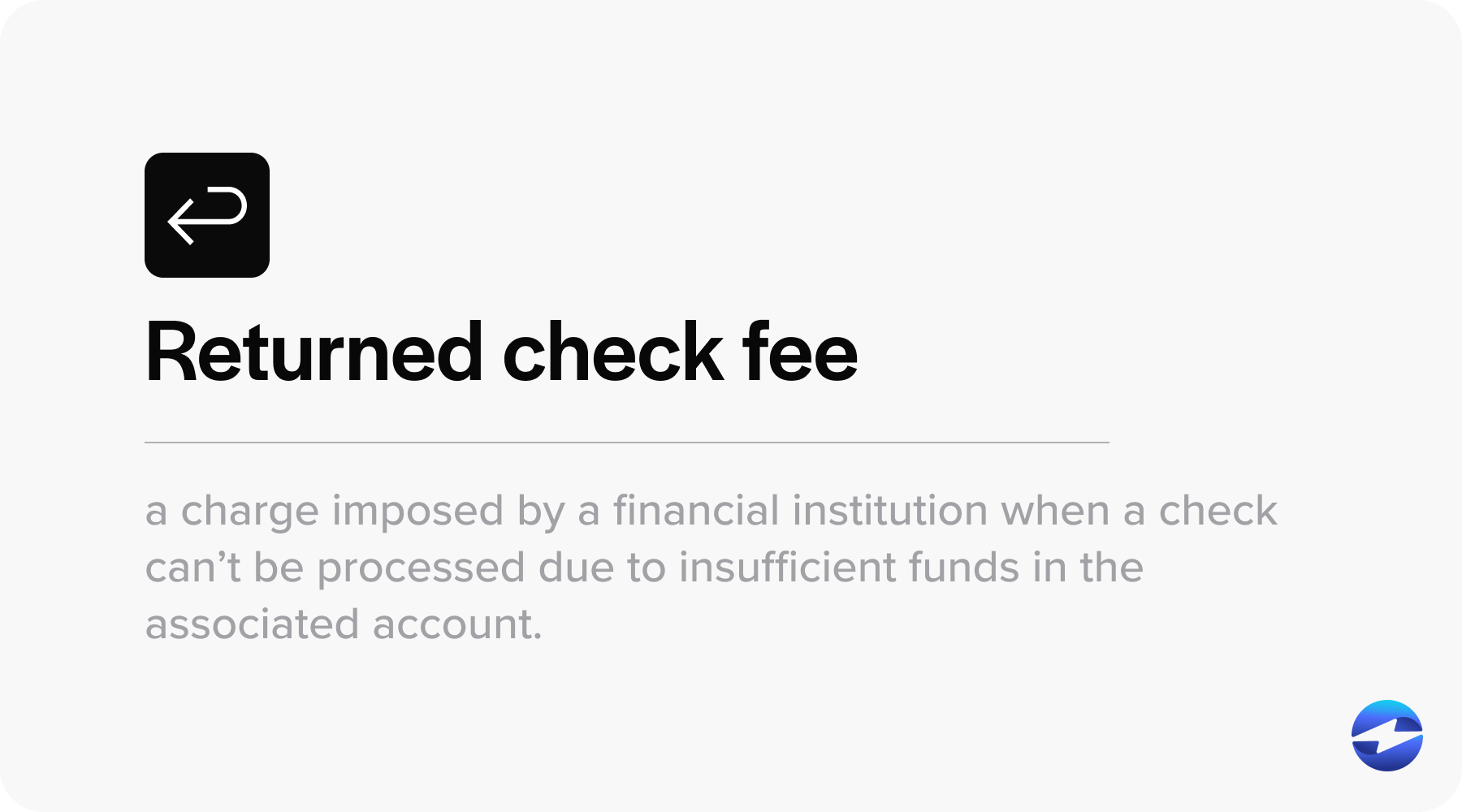
- Bank Fees: The payee’s bank will almost certainly charge a “returned item fee” or “deposit item returned fee” for processing the unpayable check. These fees can range from $10 to $30 or more per incident.
- Unpaid Bills and Damaged Credit: If the payee had written checks or made payments based on the assumption that the funds from the returned check were available, those subsequent transactions might also bounce, leading to their own NSF fees and potentially damaging their credit score if critical payments (like mortgage or utility bills) are missed.
- Administrative Burden and Lost Time: Dealing with a returned check requires time and effort to contact the payer, potentially re-deposit the check, or seek alternative payment methods. This diverts resources from productive activities.
- Damaged Relationships: Repeated returned checks from a customer or client can erode trust and damage business relationships, leading to a refusal to accept checks from them in the future.
Impact on the Payer (Issuer)
The individual or entity who wrote the returned check faces a more direct and often more severe set of consequences.
- NSF Fees from Their Bank: The payer’s bank will impose a non-sufficient funds (NSF) fee (or overdraft fee if the bank chooses to cover the check) for each bounced check. These fees are substantial, often ranging from $25 to $35 per returned item. If multiple checks are presented on an underfunded account, these fees can quickly accumulate to hundreds of dollars.
- Fees from the Payee: The payee, having incurred their own bank fees and administrative costs, will often demand reimbursement from the payer, adding another layer of expense. Many businesses include terms in their contracts allowing them to charge a fee for returned checks.
- Potential Credit Score Implications: While a returned check itself doesn’t directly hit a credit score like a missed loan payment, the consequences can. If a returned check leads to missed payments on credit cards, loans, or utilities, these missed payments will negatively impact the payer’s credit score. Furthermore, frequent overdrafts or returned checks can lead banks to report negative activity to ChexSystems, which can make it difficult to open new bank accounts in the future.
- Legal Ramifications: In some jurisdictions, writing a check knowing there are insufficient funds can be considered a criminal offense, particularly if there’s an intent to defraud. More commonly, businesses or individuals may pursue civil action to recover the funds plus any associated fees.
- Reputational Damage: For businesses, a returned check can signal financial instability to suppliers, employees, or partners, harming their reputation and trust within the community. For individuals, it can strain personal relationships.
Impact on Financial Institutions
Banks are not immune to the repercussions of returned checks.
- Administrative Burden: Processing returned checks involves significant administrative overhead, including notifications, re-routing, and fee assessments. This consumes bank resources and staff time.
- Processing Fees: While banks charge fees to customers, they also incur internal costs for handling returned items and communicating across the banking network.
- Risk Management: Banks must manage the risk of potential losses from covering overdrafts or dealing with fraudulent checks, which can impact their bottom line and regulatory compliance.
Navigating and Resolving a Returned Check Situation
Discovering that a check has been returned can be stressful, but understanding the correct steps to take can mitigate the damage and resolve the situation efficiently. Proactive measures are also crucial for prevention.
Steps for the Payee
If you’ve received a returned check, swift and decisive action is key.
- Contact the Payer Immediately: This is the first and most critical step. Inform the payer about the returned check, the reason for the return (if known), and the exact amount owed, including any fees you’ve incurred.
- Request an Alternative Payment: Ask the payer to provide immediate payment via a more secure method, such as a wire transfer, certified check, cashier’s check, direct deposit (ACH), or cash. Avoid accepting another personal check unless absolutely necessary and with strong assurances.
- Understand Your Bank’s Policy on Re-depositing: Some banks allow you to re-deposit a returned check, but this is often ill-advised unless the payer confirms that funds are now available and the original issue (e.g., stop payment) has been resolved. If the check bounces again, you’ll incur another fee.
- Document Everything: Keep a clear record of all communications with the payer, your bank statements showing the returned check and fees, and any attempts to collect the funds.
- Pursue Legal Options (if necessary): For significant amounts or uncooperative payers, you may need to consider small claims court or consulting with an attorney. Many states have specific laws regarding bad checks, which may allow for recovery of the original amount, fees, and sometimes additional penalties.
Steps for the Payer
If you’ve issued a returned check, your priority should be to rectify the situation as quickly as possible to avoid escalating costs and further damage.
- Address the Underlying Issue: If the check bounced due to insufficient funds, immediately deposit enough money into your account to cover the original check amount, plus any fees the bank might charge, and potentially enough for any other pending transactions. If it was a stop payment, ensure you’ve communicated clearly with the payee.
- Contact the Payee Promptly: Reach out to the payee, apologize for the inconvenience, and arrange for immediate payment of the original amount plus any fees they incurred (your bank’s fees, their bank’s fees, and any penalty fees you agreed to).
- Monitor Your Bank Statements: Carefully review your bank statements for NSF fees and ensure that the returned check is properly accounted for.
- Negotiate with Your Bank (if applicable): If this is your first returned check or a rare occurrence, you might be able to call your bank and request a waiver of the NSF fee. It’s not guaranteed, but a good banking relationship can sometimes lead to fee reversal.
Preventive Measures
Prevention is always better than cure when it comes to returned checks. Both payers and payees can take steps to minimize their risk.
- For Payers:
- Reconcile Bank Accounts Regularly: Keep track of your spending and deposits to know your true available balance.
- Use Online Banking and Alerts: Set up balance alerts and transaction notifications to stay informed about your account activity and avoid accidentally overdrawing.
- Maintain a Buffer: Always keep a little extra money in your checking account than you anticipate needing, acting as a safeguard against unexpected expenses or calculation errors.
- Utilize Alternative Payment Methods: Where possible, opt for electronic payments like direct debit, online bill pay, or wire transfers, which offer more certainty and immediate fund verification.
- For Payees:
- Request Secure Payment Methods: For large amounts or new customers, consider requiring cashier’s checks, certified checks, money orders, or electronic transfers, which offer greater security.
- Verify Funds (if possible/applicable): Some banks offer services to verify funds for large checks, though this is not always readily available for personal checks.
- Establish Clear Payment Terms: If you run a business, clearly outline your returned check policy, including any fees you will charge, in your contracts or invoices.
- Be Wary of Overpayments: A common scam involves sending an overpayment check and asking for the difference back. If the original check bounces, you’re out the money you sent.
Broader Financial Implications and Modern Alternatives
While paper checks are declining in usage, understanding the intricacies of returned checks remains relevant in the broader financial landscape, especially as the principles of financial responsibility and risk management apply across all payment methods.
Legal Ramifications and Credit Impact
Beyond immediate fees, persistent issues with returned checks can attract more severe legal and financial consequences. State laws vary, but in many places, writing a check knowing it will bounce, particularly for a significant amount, can lead to criminal charges (e.g., misdemeanor or felony bad check charges). More commonly, collection agencies may be involved, or civil lawsuits filed to recover the funds, legal fees, and damages.
The impact on credit scores is usually indirect. A bounced check itself doesn’t directly appear on a credit report unless it leads to unpaid debts that are then reported to credit bureaus. However, a pattern of returned checks can lead banks to close accounts or report negative information to specialty credit bureaus like ChexSystems, making it challenging to open new checking or savings accounts with other financial institutions for several years.
The Decline of Paper Checks and Rise of Digital Payments
The digital age has undeniably transformed how we transfer money. Electronic payment methods such as Automated Clearing House (ACH) transfers, wire transfers, direct deposits, digital wallets (e.g., PayPal, Venmo, Zelle), and online bill pay have largely supplanted paper checks for many transactions. These digital alternatives often offer:
- Speed: Funds clear much faster, often instantly or within a day.
- Security: Reduced risk of checks being lost, stolen, or forged.
- Certainty: Funds are typically verified before transfer, significantly reducing the chances of “returned” transactions due to insufficient funds.
- Convenience: Transactions can be initiated from anywhere with an internet connection.
Despite this shift, paper checks are still used by many, particularly for certain business-to-business transactions, rent payments, or by individuals less comfortable with digital banking. Therefore, the knowledge of what constitutes a returned check, and how to manage its consequences, remains a fundamental aspect of comprehensive financial literacy.
In conclusion, a returned check is more than just a minor hiccup; it’s a clear signal of a financial transaction gone awry, carrying immediate costs and potential long-term repercussions for all involved. By understanding the reasons behind these occurrences, the consequences they bring, and adopting proactive financial management strategies, individuals and businesses can navigate the complexities of banking with greater confidence and maintain sound financial health in an ever-evolving payment landscape.
aViewFromTheCave is a participant in the Amazon Services LLC Associates Program, an affiliate advertising program designed to provide a means for sites to earn advertising fees by advertising and linking to Amazon.com. Amazon, the Amazon logo, AmazonSupply, and the AmazonSupply logo are trademarks of Amazon.com, Inc. or its affiliates. As an Amazon Associate we earn affiliate commissions from qualifying purchases.