
In the intricate world of compensation and payroll, a “shift premium” stands as a significant financial component for countless employees and a critical budgeting consideration for businesses. Far more than just an additional line item on a paystub, it represents a strategic financial mechanism designed to balance operational needs with employee well-being and market realities. Understanding what constitutes a shift premium, its various forms, and its financial implications is essential for both individuals managing their personal finances and businesses optimizing their operational costs and talent retention strategies.
The Core Concept: Defining Shift Premiums
At its heart, a shift premium is an additional amount of money paid to an employee for working hours that are considered less desirable, non-standard, or otherwise inconvenient. This additional compensation is a recognition of the personal sacrifices an employee makes when their work schedule deviates from the typical 9-to-5, Monday-to-Friday paradigm.
Beyond Base Pay
Unlike standard overtime pay, which compensates for hours worked beyond the regular workweek, a shift premium is tied specifically to the timing of the work. It is an enhancement to the employee’s regular hourly rate or salary for designated shifts, such as evenings, nights, weekends, or holidays. It acknowledges that working during these times can disrupt social lives, family routines, and personal commitments, making these shifts inherently less attractive without additional financial incentive.
Rationale for Existence
The primary rationale for shift premiums stems from both operational necessity and human resource strategy. Many industries require continuous operation, meaning staff must be present 24/7 or during peak non-standard hours. These industries include healthcare (nurses, doctors, technicians), manufacturing (assembly lines, plant operations), hospitality (hotel staff, restaurant workers), retail (late-night stores, weekend sales), transportation (truckers, airline personnel), and emergency services (police, firefighters). Without financial incentives, recruiting and retaining staff for these crucial shifts would be significantly more challenging. From an employee’s perspective, the premium acts as a direct financial offset for the inconvenience, making otherwise undesirable hours more palatable.
Varieties of Premium Pay Structures
Shift premiums are not a monolithic concept; they manifest in several forms, each designed to address specific scheduling challenges and compensate employees accordingly.
Time-Based Premiums
The most common types of shift premiums are dictated by the specific hours or days an employee works:
- Evening/Late Shift Differentials: These premiums are typically paid for shifts that begin or end in the late afternoon or evening, extending into what would traditionally be considered after-work hours. For instance, a shift starting at 3 PM and ending at 11 PM might qualify for an evening differential.
- Night/Graveyard Shift Differentials: Often the highest premium, this compensation is provided for shifts worked overnight, typically from midnight until early morning. These hours are widely considered the most disruptive to natural sleep cycles and social engagement, thus commanding a greater premium.
- Weekend Premiums: Many industries operate seven days a week, and working Saturdays and Sundays often comes with an additional rate. This acknowledges that weekends are prime time for leisure, family, and social activities for the majority of the population.
- Holiday Premiums: Working on a recognized public holiday (e.g., Christmas Day, New Year’s Day, Thanksgiving) almost universally comes with a premium rate, often significantly higher than other shift premiums, sometimes even double or triple the base pay. This reflects the substantial personal sacrifice involved in working on days of widespread celebration and rest.
Condition-Based Premiums
Beyond just time, certain conditions can also trigger premium pay:
- Split Shift Premiums: Less common but prevalent in industries like food service or transportation, a split shift premium compensates employees who work non-consecutive hours in a single workday. For example, working from 7 AM to 11 AM and then returning from 4 PM to 8 PM might incur a premium for the disruption and unpaid time in between shifts.
- On-Call Pay: While not strictly a “shift premium,” on-call pay is a related concept in the realm of premium compensation. It remunerates employees for being available to work during specified off-hours, even if they are not actively working. If called in, they typically receive their regular hourly rate plus any applicable shift premium for the actual hours worked.
Calculation, Application, and Legal Frameworks
The mechanics of how shift premiums are calculated and applied are crucial for accurate payroll and financial compliance.
Methods of Calculation
Shift premiums are generally calculated in one of two ways:
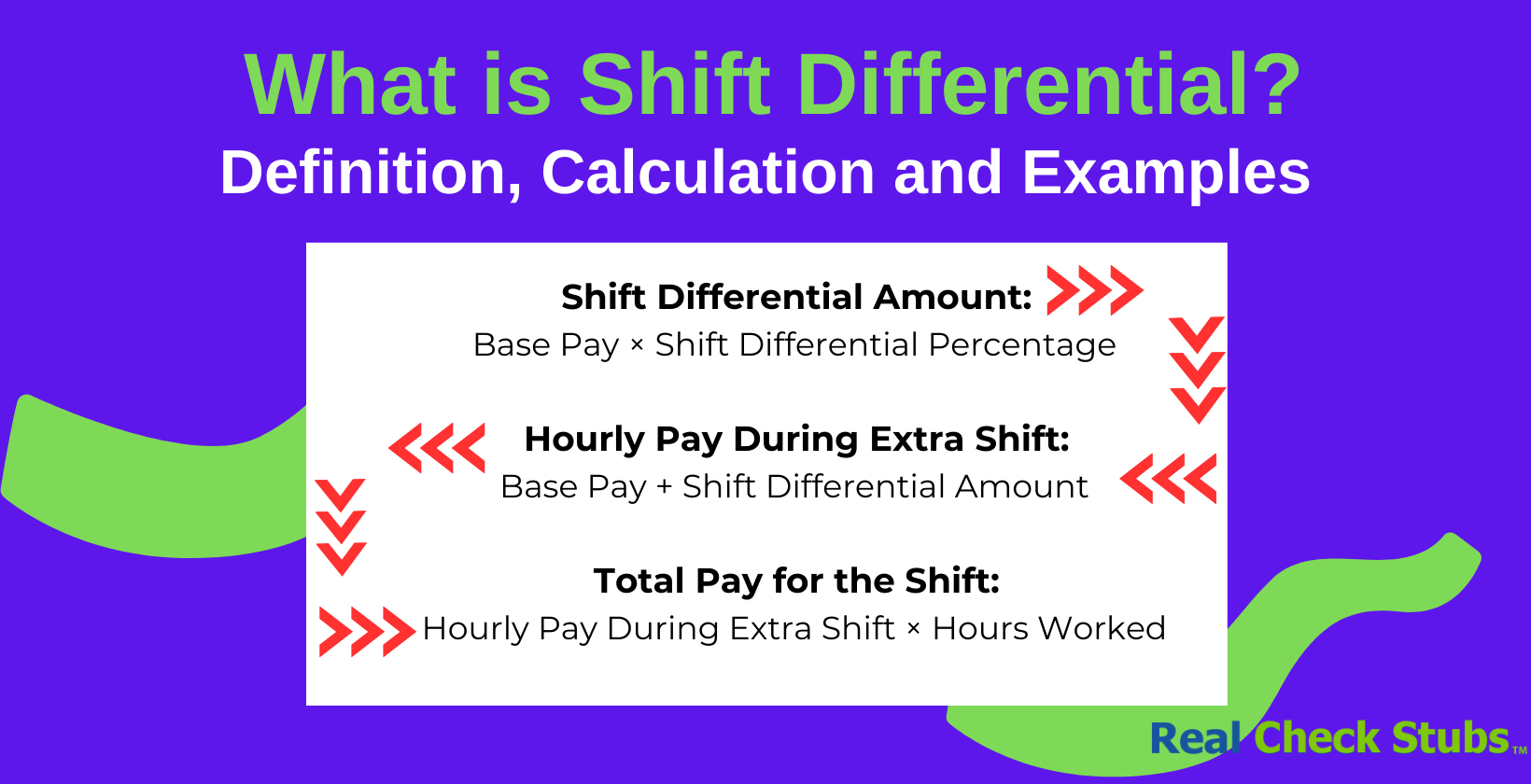
- Hourly Differential: An additional fixed dollar amount is added to the employee’s base hourly wage for every hour worked during the premium shift. For example, an employee earning $20/hour might receive an extra $2/hour for a night shift, bringing their rate to $22/hour for those specific hours.
- Percentage Differential: A specific percentage is added to the employee’s base hourly wage. A common structure might be a 10% premium for evening shifts and a 15% premium for night shifts. A $20/hour employee would then earn $22/hour (10% premium) or $23/hour (15% premium).
Payroll Integration
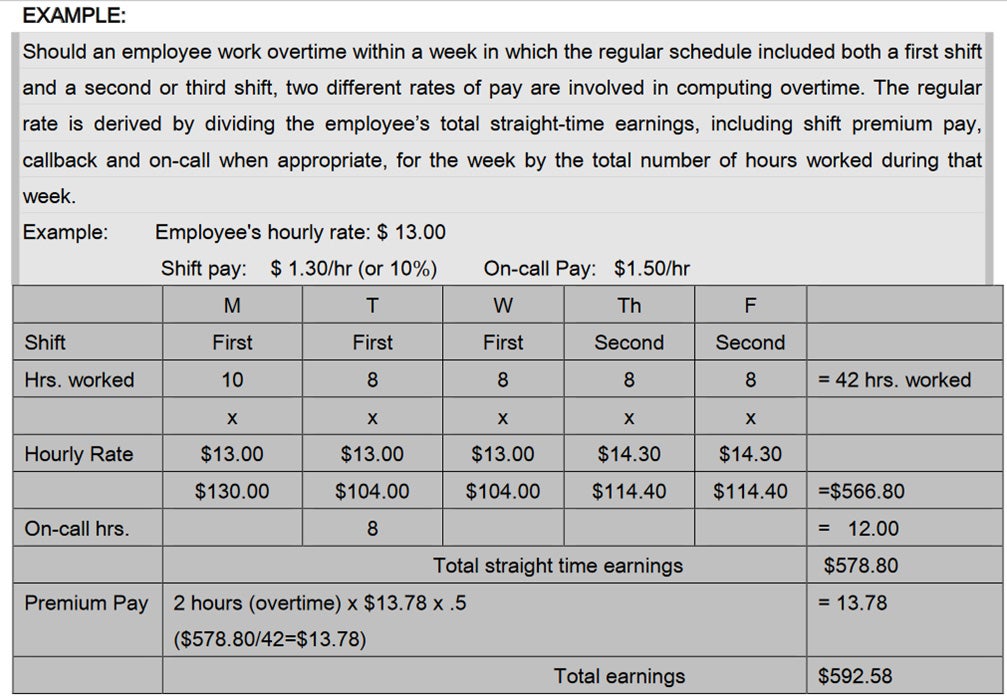
Crucially, shift premiums impact an employee’s gross pay, which in turn affects tax withholdings, contributions to benefits like retirement plans (if based on gross income), and the calculation of overtime. For instance, if an employee works premium hours and overtime hours, the overtime rate is often calculated based on the blended rate (base pay + shift premium) for the hours worked, rather than just the base pay. This necessitates sophisticated payroll systems to ensure accuracy and compliance.

Regulatory and Contractual Obligations
While the Fair Labor Standards Act (FLSA) in the United States does not mandate shift premiums, it does require that any such premiums be included in the “regular rate of pay” when calculating overtime. This means if a shift premium is paid, it must be factored into the time-and-a-half calculation for any overtime hours worked during that premium shift. Beyond federal law, state and local regulations may impose specific requirements. Furthermore, many shift premium structures are established through collective bargaining agreements with unions or are detailed within company policies, creating contractual obligations for employers. Adherence to these frameworks is critical to avoid legal disputes and financial penalties.
Strategic Implications for Business and Employees
Shift premiums are more than just a cost or an income boost; they have profound strategic implications for both individuals and organizations.
Employee Perspective
- Financial Incentive: For employees, the most direct benefit is the increased take-home pay, which can significantly improve their personal finances, help meet financial goals, or simply offset the opportunity cost of working non-standard hours.
- Work-Life Balance Impact: While financially beneficial, employees must weigh the premium against the disruption to their personal lives. Some might prioritize the higher earnings, while others might find the premium insufficient to compensate for the loss of family time or social engagement.
- Job Satisfaction and Retention: Feeling valued and fairly compensated for inconvenient hours can significantly boost job satisfaction and loyalty, reducing turnover in critical roles.
Employer Perspective (Business Finance Focus)
- Recruitment and Retention Tool: For employers, shift premiums are a powerful tool to attract and retain talent for roles that demand challenging schedules. In competitive labor markets, offering robust premiums can differentiate a company from competitors, ensuring adequate staffing for 24/7 operations or peak demand periods.
- Operational Necessity: The cost of shift premiums is often an unavoidable expense for businesses that must operate continuously. It’s a necessary investment to ensure coverage, maintain productivity, and meet customer demands outside of traditional business hours.
- Budgeting and Cost Management: Integrating shift premiums into financial planning is paramount. Businesses must accurately forecast payroll expenses, understanding that labor costs for certain shifts will be higher. This requires meticulous tracking of employee schedules and premium rates.
- Competitive Advantage: Offering attractive shift premiums can position a company as an employer of choice, even for less desirable work times, contributing to a stable and skilled workforce.
- Legal Compliance and Risk Mitigation: Properly implementing and tracking shift premiums ensures compliance with labor laws and collective bargaining agreements, mitigating the risk of costly audits, fines, and lawsuits.
Impact on Total Compensation and Payroll
For businesses, shift premiums directly inflate the total cost of labor. This impact extends beyond just the additional hourly rate to include potential increases in benefits tied to gross income, such as employer contributions to social security, unemployment insurance, and certain retirement plans. Managing a payroll that fluctuates based on dynamic shift patterns and associated premiums requires robust financial systems and forecasting models. Without accurate accounting for these costs, a business’s financial projections can be severely undermined, affecting profitability and resource allocation.
Navigating Shift Premiums: Best Practices for Financial Management
Effective management of shift premiums is a cornerstone of sound business finance, ensuring both operational efficiency and employee equity.
Accurate Tracking and Reporting
The foundation of managing shift premiums lies in precise timekeeping. Implementing robust time and attendance systems that can accurately track specific shift types, start/end times, and automatically apply the correct premium rates is essential. This minimizes manual errors, ensures compliance, and provides clear data for financial analysis.
Transparent Communication
Clear, unambiguous policies regarding shift premiums are vital for both employees and management. Employees need to understand when and how premiums are applied, while managers need clear guidelines for scheduling and budgeting. Transparency builds trust and reduces disputes over compensation.
Financial Planning and Forecasting
Integrating shift premium costs into overall financial planning and budgeting is critical. Businesses should develop sophisticated forecasting models that account for fluctuating staffing needs across different shifts, especially during peak seasons or periods of high demand. This allows for proactive financial management rather than reactive adjustments.
Regular Review and Adjustment
Market conditions, labor laws, and competitive landscapes evolve. Businesses should regularly review their shift premium policies to ensure they remain competitive, cost-effective, and compliant. Adjustments may be necessary to attract talent, manage expenses, or adapt to new regulations.
Leveraging Financial Tools
Modern payroll software and Human Resources Information Systems (HRIS) are indispensable for managing shift premiums. These tools can automate complex calculations, ensure compliance with labor laws, integrate with accounting systems, and provide detailed reporting that aids in financial analysis and strategic decision-making.
In conclusion, a shift premium is a nuanced financial instrument that plays a crucial role in today’s diverse labor market. For employees, it offers a tangible financial reward for flexibility and dedication. For businesses, it is a strategic investment in maintaining operational continuity, attracting talent, and ensuring compliance, all while carefully managing the bottom line. Understanding and effectively managing shift premiums is therefore integral to both personal financial well-being and astute business finance.
aViewFromTheCave is a participant in the Amazon Services LLC Associates Program, an affiliate advertising program designed to provide a means for sites to earn advertising fees by advertising and linking to Amazon.com. Amazon, the Amazon logo, AmazonSupply, and the AmazonSupply logo are trademarks of Amazon.com, Inc. or its affiliates. As an Amazon Associate we earn affiliate commissions from qualifying purchases.