
Understanding Basal Cell Carcinoma: A Financial Overview
A “rodent ulcer” is a colloquial term for Basal Cell Carcinoma (BCC), the most common form of skin cancer. While the term might evoke images of a small, gnawing animal, its medical reality points to a prevalent, slow-growing malignancy originating in the basal cells of the skin’s outermost layer. Unlike some more aggressive cancers, BCC rarely metastasizes to distant parts of the body, yet it demands attention due to its potential for local tissue destruction and, crucially, its significant financial implications for individuals, healthcare systems, and even employers.
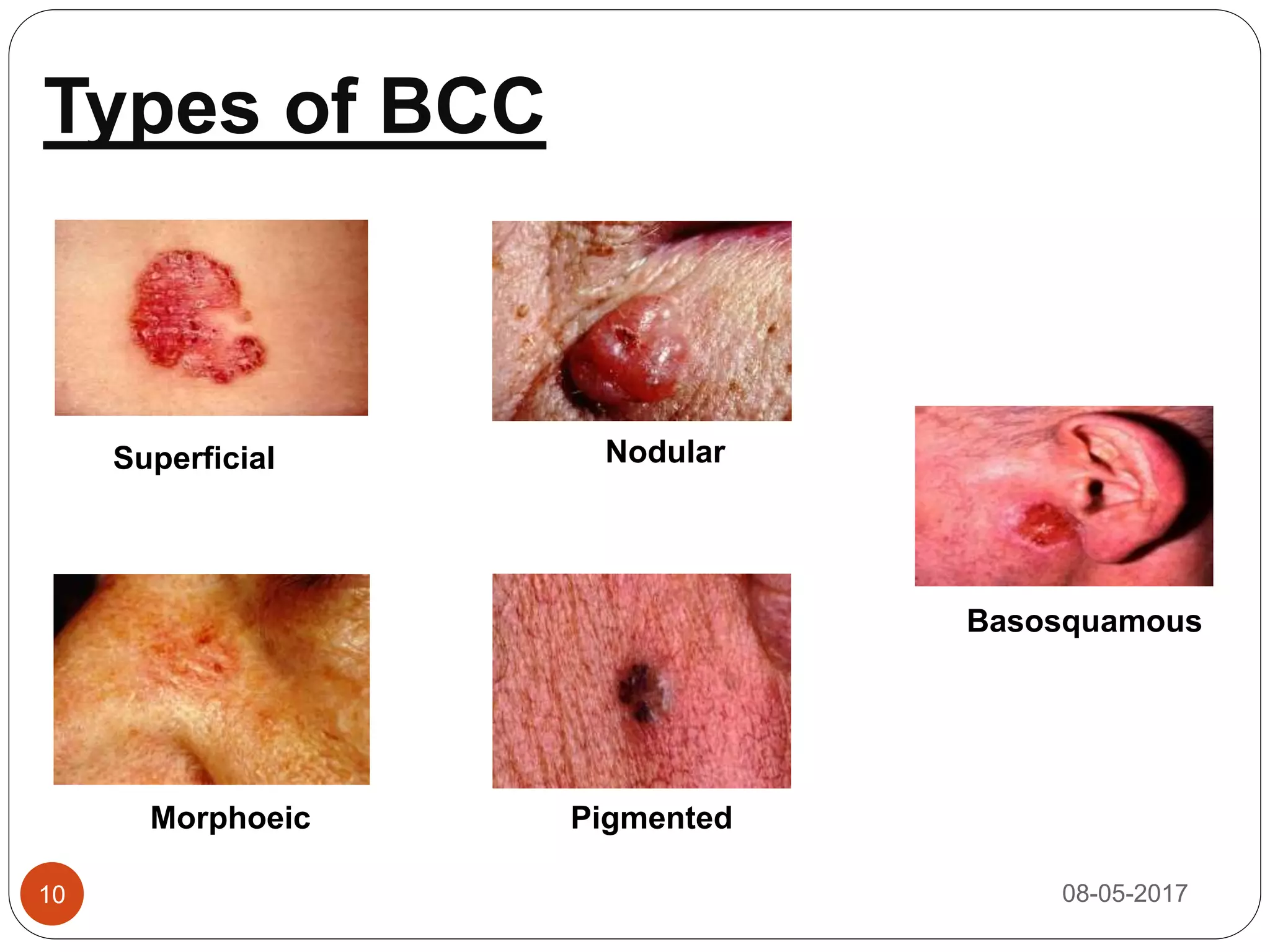
Its prevalence is striking, particularly among fair-skinned individuals with a history of extensive sun exposure. The sheer volume of diagnoses each year means that BCC represents a substantial economic burden, impacting personal finances through direct medical costs, and broader economic stability through lost productivity and healthcare expenditures. Understanding BCC from a financial perspective begins with recognizing its commonality and the necessity of treatment, which, while effective, is rarely without cost. Often appearing as a persistent sore that doesn’t heal, a shiny bump, a red patch, or a scar-like area, early detection is not merely a medical imperative but a critical step in mitigating the financial impact of more complex, costly interventions.
The Financial Landscape of Diagnosis and Treatment
The journey from suspicion to full recovery from BCC involves a series of medical procedures, each carrying its own price tag. These costs accumulate, forming a substantial financial burden.
Initial Consultations and Diagnostic Costs
The first step typically involves a visit to a primary care physician, who may then refer the patient to a dermatologist. Each consultation accrues a co-pay or a fee. Once a suspicious lesion is identified, a biopsy is necessary to confirm the diagnosis. Biopsy procedures—which can include shave, punch, or excisional biopsies—involve not only the cost of the procedure itself but also laboratory analysis and pathologist fees to interpret the tissue samples. While rare for BCC, suspicion of deeper involvement might necessitate imaging studies, adding further to the diagnostic expenses before any actual treatment has even begun. The “cost of knowing” often represents a significant initial outlay.
Treatment Modalities and Their Associated Expenses
Once BCC is confirmed, various treatment options are considered, each with distinct cost profiles and efficacy rates.
- Surgical Excision: This is one of the most common treatments. The cost encompasses the surgeon’s fee, potential anesthesia costs, facility or operating room charges, and subsequent pathology review of the excised margins to ensure complete removal. If the resulting defect is large or in a cosmetically sensitive area, reconstructive surgery may be required, adding a significant layer of expense.
- Mohs Micrographic Surgery: Considered the gold standard for BCCs in delicate areas (face, hands, feet) or for recurrent lesions, Mohs surgery is a specialized procedure performed by a dermatologic surgeon. It involves removing skin layers one at a time and examining them under a microscope immediately, continuing until no cancer cells remain. Its precision offers the highest cure rates and tissue preservation, but it is also one of the most expensive treatments. The higher cost is due to the specialized surgeon’s expertise, the intraoperative laboratory work, and the extended time required for the procedure. However, its high efficacy in avoiding recurrence often makes it a cost-effective choice in the long run by preventing subsequent, even more costly, interventions.
- Radiation Therapy: This option is typically reserved for large, difficult-to-treat lesions, or for patients who are not suitable candidates for surgery. Radiation involves multiple treatment sessions over several weeks, and the cumulative cost can be substantial, factoring in equipment usage, oncology specialist fees, and follow-up care.
- Topical Therapies: For superficial BCCs, topical creams like imiquimod or 5-fluorouracil can be prescribed. While these therapies avoid surgical costs, the prescription medications themselves can be expensive, and they require diligent application over weeks or months. There’s also a potential for less complete clearance compared to surgery, which might eventually necessitate surgical intervention, negating the initial cost savings.
- Cryosurgery and Electrosurgery: These methods involve freezing or burning off superficial lesions. They are generally less expensive initially, but they may have higher recurrence rates for certain types of BCC, potentially leading to more expensive and invasive treatments down the line if the cancer returns.
Post-Treatment Care and Long-term Monitoring
Treatment does not conclude the financial journey. Post-treatment care and long-term monitoring are crucial to detect any recurrence or the development of new lesions. This includes regular follow-up appointments with a dermatologist, often every 6-12 months for several years. Each visit incurs its own costs, such as co-pays or fees. Furthermore, a critical, ongoing expense is the consistent use of sunscreen and other sun-protective measures, which are essential investments to prevent future lesions and avoid the cycle of costly treatments.
Navigating Insurance, Out-of-Pocket Expenses, and Financial Planning
Managing the costs associated with BCC requires a proactive approach to understanding and utilizing health insurance, along with careful personal financial planning.
Role of Health Insurance
Health insurance plays a pivotal role in mitigating the financial impact of BCC. Most plans provide coverage for diagnostic tests, specialist visits, surgical procedures, and radiation therapy. However, the extent of coverage varies significantly between plan types such as Health Maintenance Organizations (HMOs), Preferred Provider Organizations (PPOs), and High-Deductible Health Plans (HDHPs). Understanding whether a provider is “in-network” is critical, as out-of-network services can dramatically increase out-of-pocket costs. Patients should familiarize themselves with their plan’s specifics, including pre-authorization requirements for certain procedures.
Out-of-Pocket Expenses: Deductibles, Co-pays, Co-insurance
Even with insurance, patients are almost always responsible for out-of-pocket expenses.
- Deductibles are the amounts patients must pay before their insurance begins to cover costs. For high-deductible plans, meeting this threshold can be a significant initial financial strain, especially if treatment occurs early in the plan year.
- Co-pays are fixed amounts paid for specific services, such as doctor visits or prescription drugs.
- Co-insurance is a percentage of the cost of a service that the patient is responsible for after the deductible has been met.
These financial structures mean that a BCC diagnosis often translates into thousands of dollars in personal expenditure, even for insured individuals. Health Savings Accounts (HSAs) can be invaluable tools for those with HDHPs, allowing tax-advantaged savings and spending on qualified medical expenses, effectively softening the blow of these costs. Beyond direct medical bills, indirect costs like travel to appointments, lost wages during recovery, and even childcare expenses can further strain a household budget.
Financial Assistance Programs and Resources
When medical bills become overwhelming, various resources can provide relief. Many hospitals offer financial aid programs for uninsured or underinsured patients, often based on income levels. While less common for BCC, some pharmaceutical patient assistance programs may help with adjunctive medications. Non-profit organizations specializing in cancer support can also offer financial guidance, direct aid, or connections to other supportive services. Patients should not hesitate to inquire about these options; a hospital’s financial counselor or a patient navigator can be crucial in identifying and accessing such support.
The Broader Economic Impact: Beyond Direct Medical Bills
The financial ripple effect of a BCC diagnosis extends far beyond individual medical bills, impacting personal income, business productivity, and long-term financial stability.
Loss of Income and Productivity
Undergoing diagnosis and treatment for BCC often necessitates time off work for appointments, surgery, and recovery. For salaried employees, this might mean using sick days or vacation time. For hourly workers or self-employed individuals, it can translate directly into lost income, which is a critical consideration in managing household finances. While BCC is generally not life-threatening, extensive or recurrent lesions, especially on the face or hands, can impact an individual’s ability to perform certain job functions, potentially leading to temporary or even permanent disability, albeit rarely. This diminished productivity represents a tangible economic loss for the individual and the broader economy.
Employer Costs and Benefits
Employers are not immune to the economic consequences of BCC. A higher incidence of chronic conditions like skin cancer among employees can lead to increased health insurance premiums for the company. Furthermore, employee absenteeism for medical appointments and recovery, as well as “presenteeism” (reduced productivity while at work due to health issues), can affect overall business output and profitability. Savvy employers recognize the value of proactive health and wellness programs, including those promoting sun safety awareness, as a means to reduce long-term healthcare costs and maintain a healthy, productive workforce.
Long-term Financial Planning and Health Preparedness
A BCC diagnosis underscores the critical importance of robust long-term financial planning. Maintaining an emergency fund is paramount to absorb unexpected medical costs without resorting to high-interest debt. Individuals might also consider critical illness insurance or enhanced disability coverage, which can provide a lump sum payout or income replacement should a serious health event occur. Budgeting for ongoing preventive care, such as regular dermatologist visits and the purchase of sun protection, should become an integral part of personal finance to proactively manage health risks and avoid future, potentially larger, financial outlays.
The Economic Case for Prevention and Early Detection
From a financial standpoint, the most effective strategies against the costs of BCC are prevention and early detection. These proactive measures offer substantial economic benefits compared to the reactive expenses of treating advanced disease.
Cost-Effectiveness of Sun Protection
Investing in sun protection is arguably one of the most cost-effective health interventions. The relatively low cost of sunscreen, wide-brimmed hats, and UV-protective clothing pales in comparison to the potentially exorbitant costs of treating advanced skin cancer. Public health campaigns advocating sun safety are not just about promoting well-being; they are strategic economic investments designed to reduce the future burden on healthcare systems and improve overall societal productivity. Encouraging widespread adoption of these simple measures can prevent millions of dollars in future medical expenditures.
Early Detection: A Financial Imperative
The financial benefits of early detection cannot be overstated. Small, superficial BCCs are typically treated with less invasive and significantly less costly procedures, such as simple surgical excision or even topical creams. The surgical time is shorter, the need for complex reconstruction is minimal, and recovery is quicker. In stark contrast, a delayed diagnosis can lead to a larger, more deeply invasive lesion. Such cases often necessitate extensive Mohs surgery with complex reconstruction, potentially involving multiple specialists, radiation therapy, or prolonged follow-up, all of which dramatically escalate costs. Regular self-skin exams and professional dermatological checks are, therefore, not just medically prudent but also shrewd financial investments in long-term health, helping to catch lesions when they are most amenable to cost-effective treatment.

Societal Economic Benefits
At a societal level, effective prevention and early detection strategies contribute to a healthier population and a more robust economy. By reducing the incidence and severity of BCC, there is a direct reduction in the burden on healthcare systems, freeing up resources for other critical needs. Furthermore, a healthier population means a more productive workforce, less absenteeism, and a lower overall expenditure on disability and long-term care. The understanding of “what is a rodent ulcer” thus extends beyond its medical definition to encompass a comprehensive financial perspective, highlighting the profound economic implications of this common skin cancer.
aViewFromTheCave is a participant in the Amazon Services LLC Associates Program, an affiliate advertising program designed to provide a means for sites to earn advertising fees by advertising and linking to Amazon.com. Amazon, the Amazon logo, AmazonSupply, and the AmazonSupply logo are trademarks of Amazon.com, Inc. or its affiliates. As an Amazon Associate we earn affiliate commissions from qualifying purchases.