
Microfiber represents a significant leap in material science, a testament to the power of engineered textiles. Far more than just a synthetic fabric, microfiber refers to any fiber with a diameter less than one denier, a unit of linear mass density. To put this in perspective, a single strand of microfiber is often finer than a strand of silk, and approximately 1/100th the diameter of a human hair. This incredibly fine structure is the fundamental characteristic that underpins all of its remarkable properties and widespread applications, making it a cornerstone in various technological advancements.
The creation of microfiber involves sophisticated manufacturing processes that manipulate synthetic polymers at a microscopic level. Primarily composed of polyester and polyamide (nylon) or a blend of both, these materials are extruded into extremely thin filaments. The precise blend and weaving patterns are meticulously engineered to produce textiles with specific functionalities, ranging from ultra-absorbent cleaning cloths to high-performance athletic wear and advanced filtration media. Understanding microfiber requires delving into its unique physical characteristics and the technological innovations that harness them.
The Engineering Marvel of Microfibers
The journey from raw polymers to a functional microfiber textile is an intricate process, showcasing advanced material engineering. The deliberate design of these microscopic fibers and their subsequent fabrication into fabrics is what unlocks their unparalleled performance.
Microscopic Structure and Composition
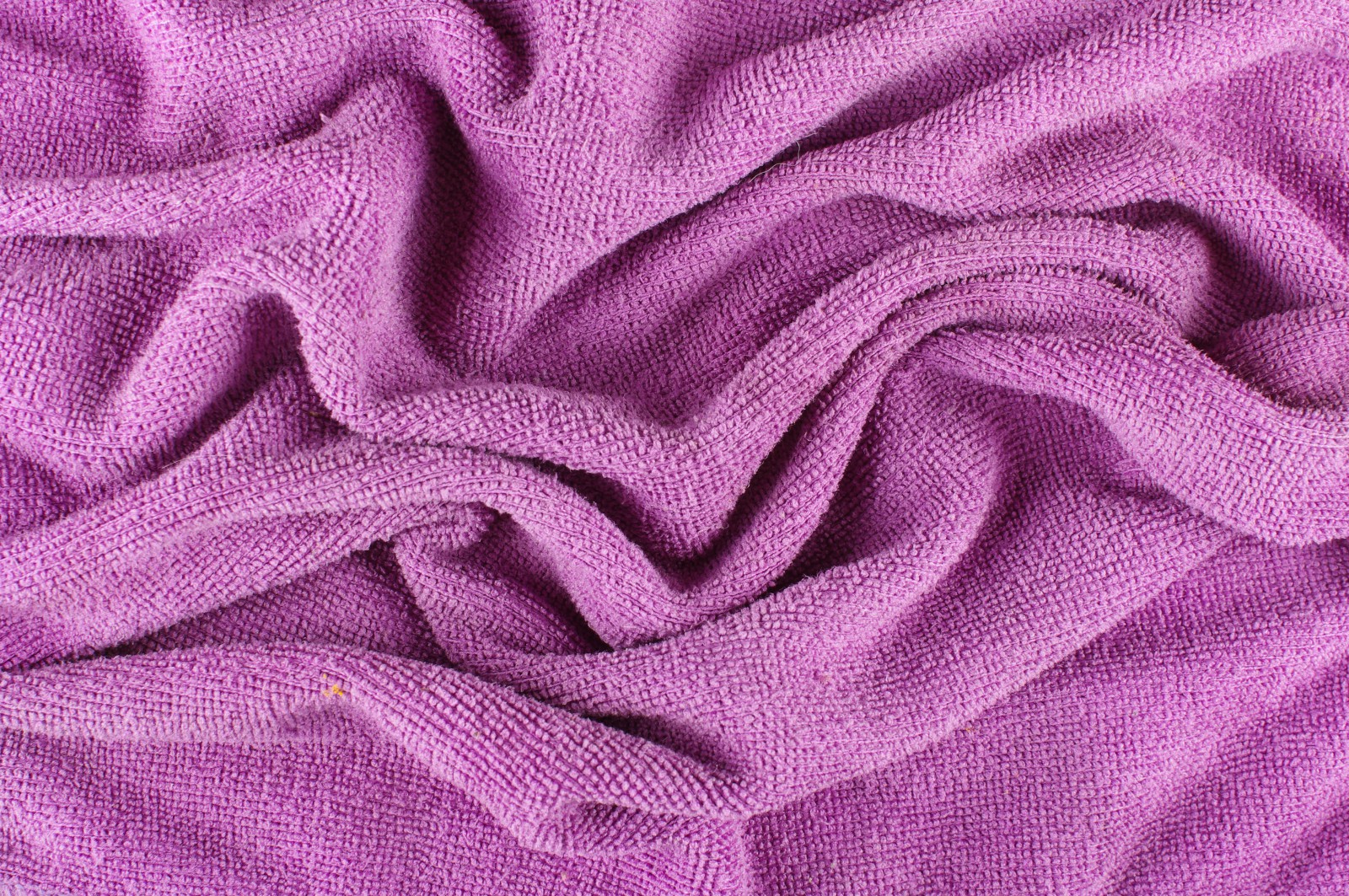
At its core, microfiber’s distinction lies in its incredibly small denier count. The individual fibers are typically less than 10 micrometers in diameter. In many high-performance microfibers, particularly those designed for cleaning, the fibers are also split during the manufacturing process. This splitting creates microscopic “hooks” and “loops” along each strand, dramatically increasing the surface area of the fabric. It also results in an intricate web of tiny capillaries within the fabric structure.
The composition is typically a blend of two synthetic polymers:
- Polyester: Provides the structural integrity, durability, and a degree of absorbency. It’s known for its strength, resistance to stretching and shrinking, and quick-drying properties.
- Polyamide (Nylon): Contributes to the fabric’s absorbency and allows it to pick up and hold dirt, grime, and liquids effectively. Nylon’s inherent softness and elastic recovery are also beneficial.
The precise ratio of polyester to polyamide (e.g., 80% polyester/20% polyamide, or 70%/30%) is a critical design choice, influencing the final texture, absorbency, and specific use-case suitability of the microfiber product. This careful formulation is a key aspect of its technological sophistication.
The Synthetic Genesis: Melt Spinning and Splitting
The production of microfiber primarily relies on variations of the melt spinning process, a common technique in polymer extrusion. In this method:
- Melting: Polymer chips (polyester and polyamide) are melted and mixed.
- Extrusion: The molten polymer blend is then forced through a spinneret, a device with multiple tiny holes. This forms continuous filaments.
- Drawing: The newly formed filaments are rapidly stretched or “drawn” while still hot, which aligns the polymer molecules and reduces the fiber’s diameter significantly, increasing its strength and fineness.
For split microfibers, an additional critical step is involved. Often, the polyester and polyamide components are initially extruded as a single composite filament with a distinct cross-section (e.g., pie-shaped or segmented). This “bicomponent” fiber is then treated, typically with heat or a chemical process, which causes the two polymers to separate or “split” from each other. This splitting action is what creates the vast network of fine, open spaces and sharp edges that define microfiber’s high-performance characteristics. The precision required to consistently produce fibers of such minute dimensions and then effectively split them underscores the advanced manufacturing technology involved.
Unpacking Microfiber’s Unique Properties
The engineered structure of microfiber translates into a suite of properties that are technologically superior to traditional materials. These characteristics make it indispensable in applications demanding high performance, efficiency, and gentleness.
Unparalleled Absorbency and Drying Speed
The vast internal surface area created by the numerous fine fibers and the capillary action within the fabric’s structure enable microfiber to absorb and hold a remarkable amount of liquid. It can typically absorb several times its own weight in water. This high absorbency is critical in cleaning applications, allowing it to efficiently wick away spills and moisture. Despite its high absorbency, microfiber also exhibits excellent drying speed. The small diameter of the fibers and the loose weave allow air to circulate freely, accelerating evaporation and preventing the growth of mold or mildew, a significant advantage in maintaining hygiene and longevity.
Electrostatic Adhesion and Dirt Trapping
One of microfiber’s most impressive technological attributes is its ability to effectively capture and retain dust, dirt, and microscopic particles. When dry, microfiber generates an electrostatic charge through friction. This charge acts like a magnet, attracting and holding dust and other dry debris. When wet, the fine fibers work by mechanical action: the microscopic hooks and loops physically grab and trap dirt, grime, and even bacteria within the fabric’s structure, preventing them from being merely pushed around. This dual mechanism—electrostatic attraction dry, mechanical grabbing wet—makes it exceptionally efficient for thorough cleaning without the need for harsh chemicals.
Non-Abrasive and Lint-Free Performance
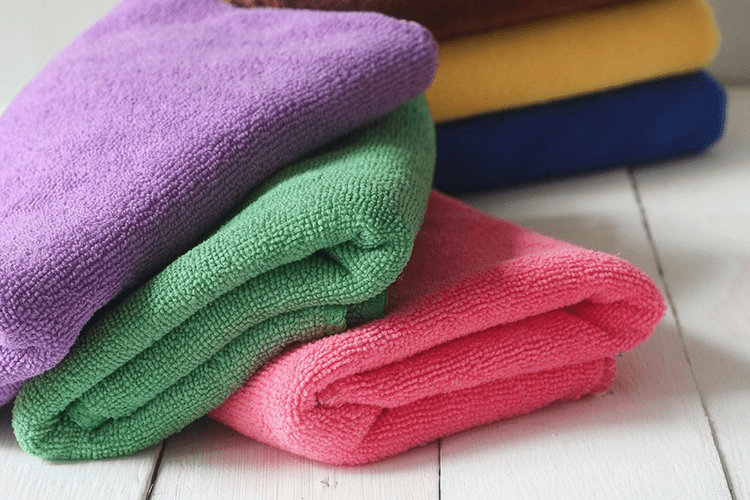
Due to its extremely fine fibers and smooth surface texture (despite the microscopic hooks), high-quality microfiber is non-abrasive. This property is crucial for cleaning delicate surfaces such as optical lenses, touchscreens, high-gloss finishes, and automotive paint, where even slight scratching is unacceptable. Furthermore, because the fibers are continuous filaments and not short, staple fibers like cotton, microfiber fabrics are virtually lint-free. This characteristic is vital in environments requiring a cleanroom standard or for applications where residue can compromise performance, such as cleaning sensitive electronics or medical equipment.
Diverse Applications Across Industries
Microfiber’s superior properties have propelled its adoption across a multitude of industries, replacing conventional materials and enabling new technological solutions.
Cleaning Technology and Electronics
Perhaps its most recognized application is in cleaning. Microfiber cloths have revolutionized household and industrial cleaning by offering a chemical-free, highly effective method for removing dirt, dust, and even bacteria. In the realm of electronics, specialized microfiber cloths are essential. Their non-abrasive, lint-free nature makes them ideal for safely cleaning LCD, LED, OLED, and other delicate display screens, camera lenses, eyeglasses, and sensitive laboratory equipment without leaving scratches or residues. This direct application in maintaining the integrity and performance of our gadgets highlights its critical role in the tech ecosystem.
Performance Apparel and Textiles
The textile industry has widely embraced microfiber for its comfort, durability, and moisture-wicking capabilities. In athletic wear, it’s used to create fabrics that draw sweat away from the body, keeping the wearer dry and comfortable, thus enhancing performance. Its soft texture and ability to drape well also make it popular in high-end fashion and luxurious home textiles. The tight weave of many microfiber fabrics can also provide a barrier against wind and light rain, making them suitable for outdoor gear. The development of specialized weaves and finishes continues to push the boundaries of what these fabrics can offer in terms of breathability, insulation, and water resistance, demonstrating ongoing technological innovation.
Advanced Filtration Systems
The extremely small size of microfiber filaments and the ability to create dense, intricate weaves make it an excellent material for advanced filtration. Microfiber filters are used in HVAC systems, automotive air filters, vacuum cleaners, and industrial air purification systems to capture microscopic particles, allergens, and pollutants with high efficiency. In liquid filtration, particularly for medical and laboratory applications, microfiber media can effectively remove sub-micron particles, ensuring purity and sterility. This application is a clear demonstration of microfiber’s role in public health and environmental technology.
Medical and Healthcare Innovations
In healthcare, microfiber’s ability to trap bacteria and its effectiveness with minimal or no chemical use makes it invaluable for infection control. Microfiber mops and cloths are widely used in hospitals and clinics to maintain hygienic environments, significantly reducing the spread of pathogens. Furthermore, its softness and non-irritating properties lead to its use in wound dressings, surgical gowns, and other medical textiles where patient comfort and cleanliness are paramount. Research continues into specialized antimicrobial microfibers that integrate advanced functionalities to combat healthcare-associated infections even more effectively.
Sustainable Technology: Lifespan and Care
While microfiber is a synthetic material, its inherent durability and reusability contribute to its sustainability profile when managed correctly. Its long lifespan means less frequent replacement, and its efficiency often reduces the need for disposable alternatives or harsh cleaning chemicals.
Durability and Longevity
High-quality microfiber products are designed for extensive use. Unlike natural fibers that degrade with repeated washing and use, polyester and polyamide fibers are highly resistant to wear, stretching, and shrinking. With proper care, a single microfiber cloth can withstand hundreds of wash cycles, maintaining its efficacy over a period of years. This longevity not only offers economic benefits but also reduces the consumption of resources associated with manufacturing and discarding shorter-lived alternatives.
Proper Maintenance for Extended Use
To maximize the technological benefits and extend the life of microfiber products, specific care guidelines should be followed. Washing in warm water with a mild detergent, separate from lint-producing materials like cotton, is recommended. Avoiding fabric softeners is crucial, as they can clog the microscopic spaces between the fibers, reducing their absorbency and electrostatic properties. Air drying or tumble drying on a low heat setting helps preserve the integrity of the fibers. Adhering to these simple care instructions ensures that the engineered properties of microfiber continue to perform optimally for its entire lifespan.
Environmental Considerations and Future Innovations
The environmental impact of synthetic materials, including microfiber, is a subject of ongoing research and innovation. Concerns primarily revolve around microplastic shedding during washing and disposal. The industry is actively responding with technological advancements:
- Reduced Shedding: Innovations in fiber construction and weaving techniques aim to create more robust fabrics that shed fewer microplastic particles.
- Biodegradable Microfibers: Research is exploring the development of plant-based or biodegradable polymers that can mimic microfiber properties, offering a more eco-friendly alternative.
- Recycling Programs: Efforts are underway to establish more efficient recycling pathways for synthetic textiles, including microfiber, to close the loop on their lifecycle.
The continuous evolution in materials science and manufacturing processes aims to address these challenges, ensuring that microfiber remains a technologically advanced and responsible solution for future applications. From its microscopic structure to its far-reaching applications, microfiber stands as a prime example of how precise engineering at the material level can yield transformative results across countless industries.
aViewFromTheCave is a participant in the Amazon Services LLC Associates Program, an affiliate advertising program designed to provide a means for sites to earn advertising fees by advertising and linking to Amazon.com. Amazon, the Amazon logo, AmazonSupply, and the AmazonSupply logo are trademarks of Amazon.com, Inc. or its affiliates. As an Amazon Associate we earn affiliate commissions from qualifying purchases.