
The raglan sweater, distinguished by its unique sleeve construction, stands as a testament to thoughtful garment design that blends functionality with enduring style. Far from a mere fashion trend, the raglan sleeve is a deliberate design choice that significantly impacts a garment’s fit, comfort, and aesthetic appeal, making it a critical consideration in apparel branding and product development. Understanding “what is a raglan sweater” requires delving into its distinctive anatomy, historical journey, and the inherent design advantages that secure its place as a perennial favorite in wardrobes worldwide.
The Distinctive Anatomy of a Raglan Sleeve
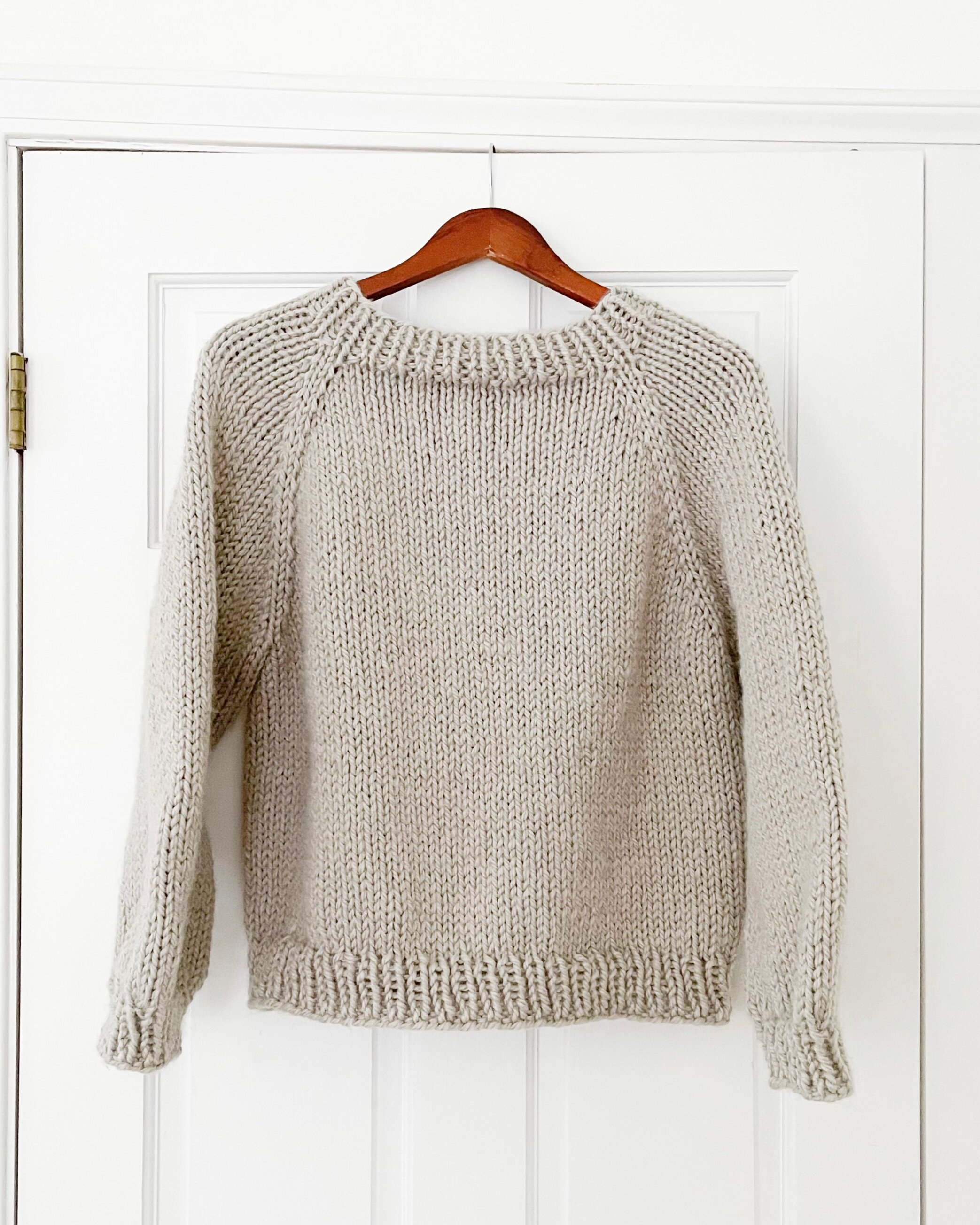
At the heart of a raglan sweater’s identity is its signature sleeve. Unlike conventional set-in sleeves, which feature a seam running vertically down the shoulder to the armhole, the raglan sleeve offers a continuous, diagonal seam. This seam extends from the underarm directly up to the neckline, creating a singular, uninterrupted fabric panel that encompasses both the sleeve and part of the garment’s shoulder.
The Seamless Shoulder Line
The most immediate visual characteristic of a raglan sweater is its seamless shoulder line. This design choice eliminates the traditional shoulder seam, which can sometimes create bulk or a rigid silhouette. Instead, the raglan’s diagonal seam creates a smooth, flowing transition from the neck to the arm, resulting in a more relaxed and often softer shoulder profile. For brands, this translates into a garment that drapes elegantly and communicates a sense of effortless comfort and sophisticated casualness. It allows designers to play with the visual flow of the garment, guiding the eye differently than a sharp, angular set-in sleeve.
Functional Design for Movement
Beyond aesthetics, the raglan sleeve is celebrated for its superior range of motion. The continuous fabric panel under the arm and extending to the neck provides a greater circumference and less restriction around the shoulder and armpit area compared to a set-in sleeve. This functional advantage was historically significant in military and sportswear, where unhindered movement was paramount. In modern apparel, this translates into everyday comfort, making raglan sweaters ideal for active lifestyles, layering, or simply for those who prioritize ease of movement in their clothing. For brands targeting performance or comfort-oriented niches, the raglan sleeve is a foundational design element that directly enhances the user experience and reinforces product value.
Aesthetic Versatility
The unique seam placement of the raglan sleeve also unlocks a wealth of aesthetic possibilities for designers. The diagonal seam itself can be a subtle design detail, or it can be accentuated through contrast stitching, piping, or by utilizing different fabric textures or colors for the sleeve and body. This inherent versatility makes the raglan design a powerful tool for visual branding. It allows for distinctive color blocking schemes that are difficult to achieve with traditional set-in sleeves, offering brands a clear canvas to express their identity through bold graphics, contrasting hues, or subtle material shifts that highlight the garment’s construction.
A Brief History and Evolution in Fashion
The raglan sleeve’s journey from a wartime necessity to a fashion staple underscores its enduring appeal and adaptability within the design landscape. Its origins are firmly rooted in practicality, but its inherent advantages quickly saw it transcend its initial purpose.
Origins in Military Wear
The raglan sleeve is famously attributed to FitzRoy Somerset, 1st Baron Raglan, who, after losing an arm in the Battle of Waterloo, commissioned a new coat design in the mid-19th century. The goal was to create a garment that allowed him greater ease of movement and comfort, particularly when putting it on and taking it off with one arm. The resulting coat featured sleeves sewn in a continuous piece from the collar to the underarm, providing unparalleled freedom. This innovation quickly gained traction in military uniforms and functional outerwear, establishing the raglan as a design synonymous with utility and robustness. For contemporary brands, this historical legacy subtly imbues raglan garments with a sense of durability and purpose, even in casual contexts.
From Sportswear to Everyday Essential
The functional benefits of the raglan sleeve made it a natural fit for sportswear in the early 20th century. Athletes required clothing that wouldn’t restrict their movements, and the raglan sleeve delivered. Baseball jerseys, cycling tops, and track jackets frequently incorporated the design. This association with athleticism and performance cemented its image as dynamic and comfortable. As sportswear influenced mainstream fashion, the raglan sweater transitioned from the playing field to everyday wear, appreciated for its comfort and casual appeal. This trajectory illustrates how thoughtful design solutions, born out of specific needs, can organically cross over into broader fashion trends, becoming iconic design elements in their own right.
Iconic Associations
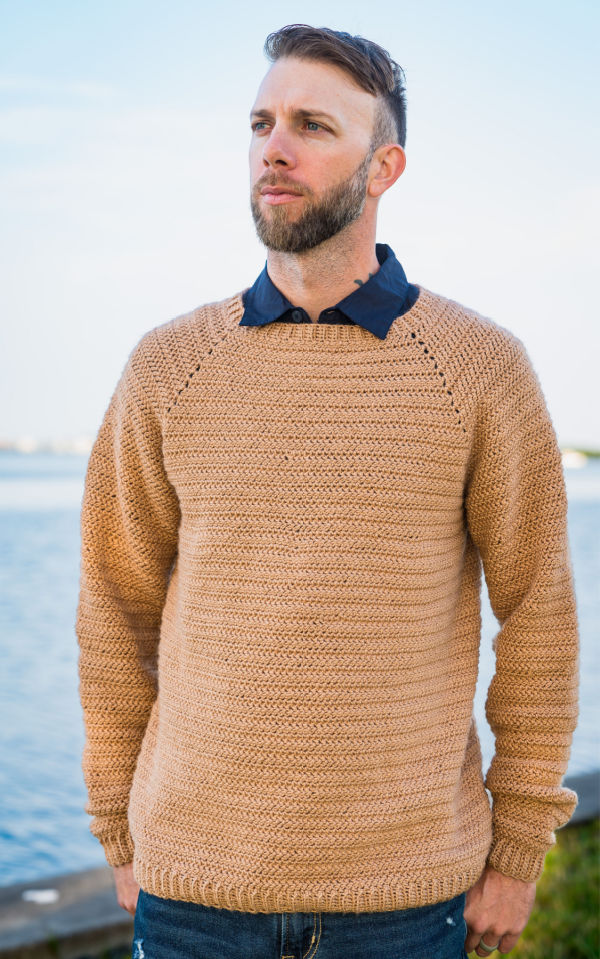
Over decades, the raglan sweater has been embraced by numerous subcultures and fashion movements, solidifying its status. From collegiate wear to rock ‘n’ roll aesthetics and modern streetwear, its adaptable nature has allowed it to fit seamlessly into diverse brand identities. This rich cultural tapestry means that a raglan design can evoke different associations depending on styling, fabric, and branding, offering designers a versatile canvas to tell their brand’s story. Whether aiming for vintage Americana, athletic chic, or minimalist contemporary, the raglan provides a recognizable yet flexible foundation.
Why the Raglan Design Endures: Brand and Consumer Appeal
The longevity of the raglan design isn’t accidental; it’s a direct result of its inherent advantages that resonate deeply with both brands and consumers. Its characteristics align with fundamental desires for comfort, versatility, and subtle style.
Comfort and Fit Across Body Types
One of the raglan’s most significant appeals is its accommodating fit. The diagonal seam allows for a generous fit across the shoulders and chest without appearing oversized or sloppy. This makes raglan sweaters incredibly flattering on a wide range of body types, minimizing issues like tight shoulders or restrictive armholes that can plague traditional set-in sleeves. For brands, this means a wider demographic appeal and fewer fit-related returns, contributing to greater customer satisfaction and brand loyalty. The inclusive nature of the design is a powerful selling point in a market increasingly focused on diverse body representation.
Opportunities for Color Blocking and Visual Branding
As mentioned, the distinct seam lines of the raglan sleeve are an open invitation for creative color blocking. This design feature allows for clear differentiation between the garment’s body and sleeves, enabling brands to use contrasting colors, patterns, or even textures to create visually striking pieces. This is particularly valuable for sportswear brands leveraging team colors, or fashion brands seeking to create bold, recognizable graphic identities. The raglan provides a natural visual break that can be exploited for branding purposes, making logos or unique design elements pop. It offers a structured way to incorporate multiple brand colors or design motifs without making the garment appear busy.
Timelessness and Adaptability
The raglan sweater possesses an inherent timelessness. It is not tied to fleeting trends but rather embodies a classic, utilitarian aesthetic that perpetually cycles through fashion. Its simplicity and functional origins give it a universal appeal that transcends specific style eras. For brands looking to build a sustainable product line, investing in raglan designs ensures relevance for years to come. This adaptability also extends to its ability to be dressed up or down, layered, or worn as a standalone piece, making it a versatile core item for any collection. This adaptability minimizes inventory risk and maximizes product lifecycle, key considerations for any apparel brand.
Beyond the Basics: Styling and Market Presence
The raglan sweater’s presence in the market is ubiquitous, spanning various segments from high fashion to everyday basics. Its versatility in styling and material choices further solidifies its position as a key design element in apparel.
Casual Chic to Athletic Performance
The raglan sweater effortlessly traverses the spectrum of style. A simple cotton raglan can be the epitome of relaxed weekend wear, perfect with jeans and sneakers. In contrast, a raglan made from premium merino wool or cashmere can elevate a casual outfit to chic loungewear. Performance-oriented brands utilize moisture-wicking synthetics and technical fabrics to create raglan athletic tops that optimize movement and regulate temperature during intense activity. This broad applicability means that a raglan design can fit into almost any brand’s aesthetic, provided the fabric choice, finishing, and overall silhouette are aligned with the brand’s identity and target market.
Fabric Choices and Their Impact
The choice of fabric significantly influences a raglan sweater’s character and market positioning. Cotton blends are popular for their breathability and comfort, ideal for casual and everyday wear. Wool, particularly merino, offers warmth and natural moisture-wicking properties, suitable for colder climates or more premium offerings. Technical polyesters and spandex blends are favored for activewear due to their stretch, durability, and performance features. The raglan design itself, by accommodating movement, enhances the inherent properties of these fabrics. Brands strategically select fabrics to align with their product’s intended use, target consumer, and desired price point, all while leveraging the foundational benefits of the raglan sleeve.

Raglan as a Branding Identifier
For many brands, the raglan sleeve isn’t just a construction method; it’s a subtle yet powerful branding identifier. Certain brands have become synonymous with the raglan silhouette, particularly in casual wear and sportswear, embedding it into their brand DNA. This recognition allows them to differentiate their products in a crowded market. Whether through unique seam finishes, integrated logo placements along the diagonal seam, or specific fabric combinations that highlight the raglan construction, brands continually innovate around this classic design. Understanding “what is a raglan sweater” is thus not just about its physical attributes, but also its immense potential as a canvas for brand expression, contributing significantly to a garment’s perceived value and unique market position.
aViewFromTheCave is a participant in the Amazon Services LLC Associates Program, an affiliate advertising program designed to provide a means for sites to earn advertising fees by advertising and linking to Amazon.com. Amazon, the Amazon logo, AmazonSupply, and the AmazonSupply logo are trademarks of Amazon.com, Inc. or its affiliates. As an Amazon Associate we earn affiliate commissions from qualifying purchases.