
Securing funding is a critical hurdle for any aspiring or growing small business. While traditional avenues like bank loans, venture capital, and angel investments often involve debt repayment or equity dilution, small business grants present a uniquely appealing alternative: non-repayable capital. These grants, essentially free money, are awarded by government agencies, corporations, and foundations to businesses that align with their specific missions and objectives. However, the allure of “free money” also means intense competition, making the process of obtaining a grant a strategic endeavor that demands meticulous research, compelling proposal writing, and unwavering persistence. Understanding the ecosystem of grants, identifying suitable opportunities, and crafting a winning application are paramount for any entrepreneur looking to fuel their growth without incurring financial obligations.
Deconstructing Small Business Grants: What They Are and Why They Matter
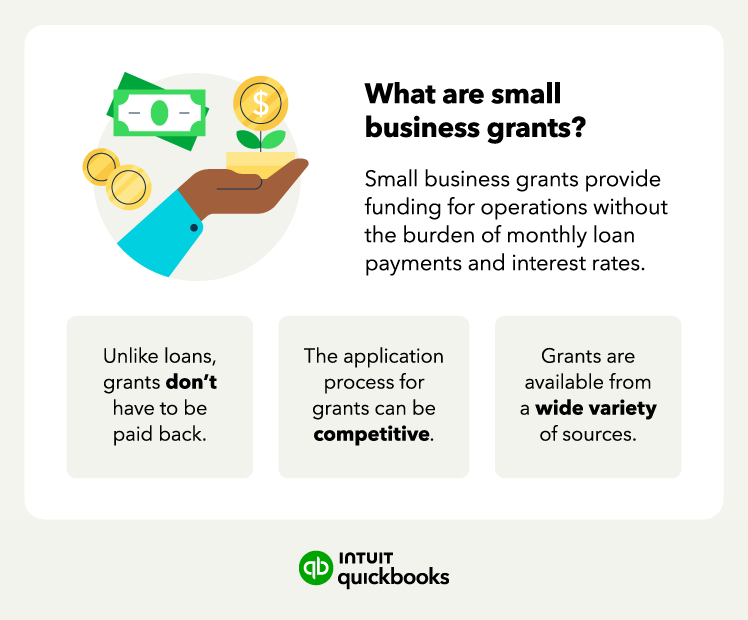
Small business grants are a powerful, non-dilutive form of funding that can provide essential capital for start-ups and established businesses alike. Unlike loans, grants do not need to be repaid, nor do they require you to give up a stake in your company, making them an incredibly attractive option for growth, innovation, and stability.
Grants vs. Other Funding Avenues
To fully appreciate the value of grants, it’s crucial to understand how they differ from other common funding mechanisms. A loan requires repayment, often with interest, and lenders typically assess creditworthiness and collateral. Venture capital and angel investments provide capital in exchange for equity, meaning investors own a piece of your company and expect a significant return. Grants, on the other hand, are awarded based on a specific set of criteria, usually tied to the grantor’s philanthropic, economic, or social goals. The “return” for the grantor is often the successful execution of the proposed project, which ideally contributes to job creation, technological advancement, community development, or addressing a specific societal need. This makes grants particularly valuable for businesses with a social mission, innovative technology, or those operating in underserved areas.
Diverse Types of Grant Opportunities
The landscape of small business grants is vast and varied, sourced from multiple levels and types of organizations, each with its own focus and eligibility requirements.
- Federal Grants: The U.S. government is a major source of grants, primarily through agencies like the Small Business Administration (SBA), the Department of Commerce, and the National Institutes of Health (NIH). These often target specific industries (e.g., technology, healthcare, manufacturing), research and development (e.g., SBIR/STTR programs), or businesses that meet certain socioeconomic criteria (e.g., minority-owned, women-owned, veteran-owned businesses).
- State and Local Grants: Many states and municipalities offer grants to stimulate local economic development, create jobs, or support businesses in specific zones or industries. These can range from grants for facade improvements in downtown areas to funds for businesses committed to hiring local residents or adopting green technologies.
- Corporate Grants: Large corporations often have philanthropic arms or foundations that award grants as part of their corporate social responsibility initiatives. These grants typically align with the company’s values or industry focus. For instance, a tech company might offer grants to businesses developing innovative software, while a logistics company might support businesses focused on supply chain efficiency.
- Foundation Grants: Private foundations, established by individuals or families, are another significant source. They typically have a broad philanthropic mission, supporting causes ranging from education and arts to environmental sustainability and economic empowerment. Researching a foundation’s past awards can reveal its specific areas of interest.
- Niche-Specific and Industry Grants: Many industry associations, non-profits, and incubators offer grants tailored to businesses within specific sectors or addressing particular challenges. For example, grants might be available for food businesses focused on sustainability, artisans preserving traditional crafts, or startups developing solutions for rural communities.
Understanding Grantor Motivations
To successfully secure a grant, it’s crucial to think like a grantor. Organizations don’t just give money away; they invest in projects that align with their strategic objectives. Grantors are motivated by:
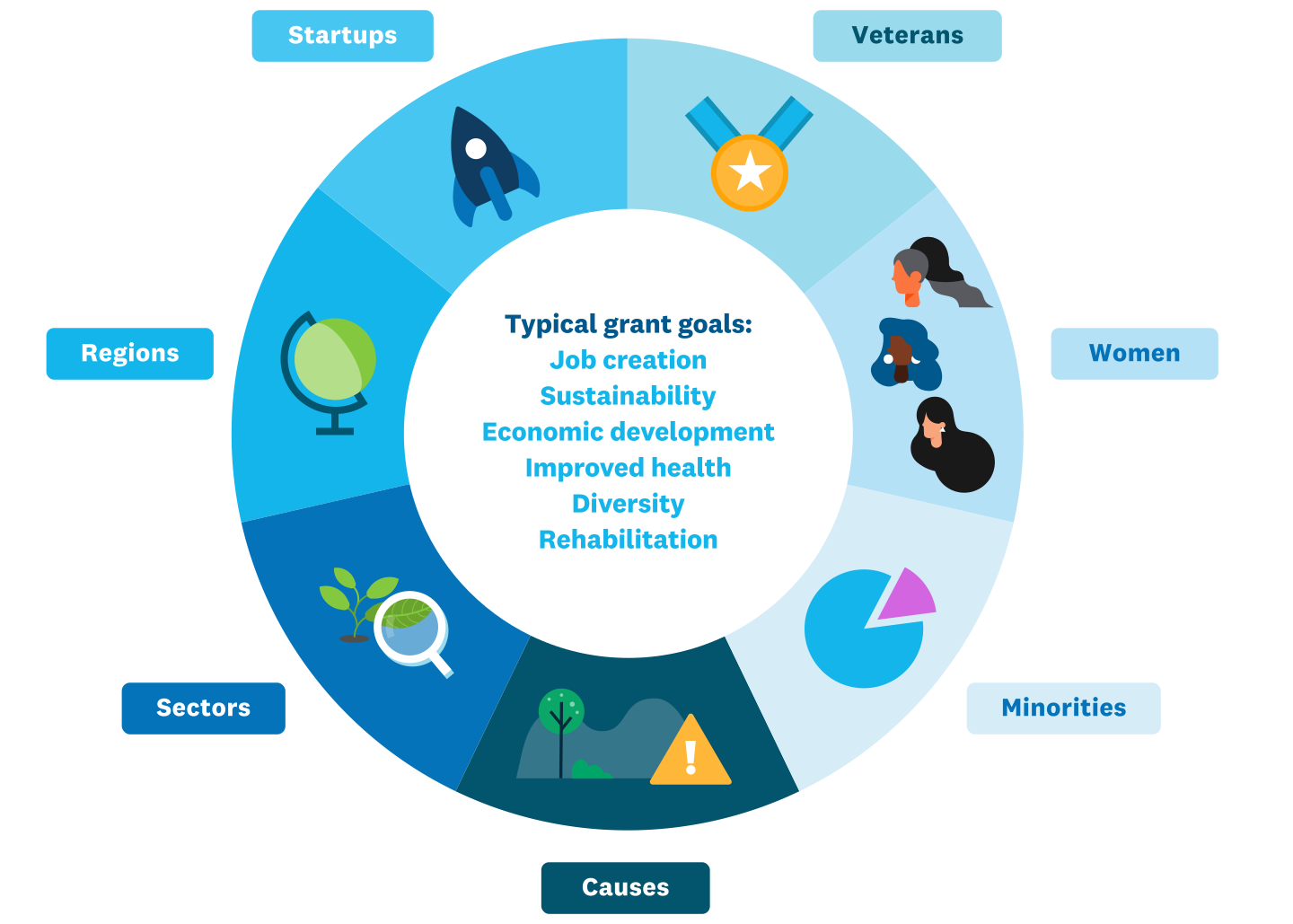
- Economic Development: Creating jobs, stimulating local economies, fostering entrepreneurship.
- Social Impact: Addressing community needs, supporting underserved populations, promoting diversity and inclusion.
- Innovation: Funding groundbreaking research, developing new technologies, solving complex problems.
- Environmental Sustainability: Promoting eco-friendly practices, developing renewable energy, conserving natural resources.
- Specific Demographics: Empowering women, minority, veteran, or disabled entrepreneurs.
By understanding these motivations, you can better position your business and project to demonstrate how it helps the grantor achieve their goals, significantly increasing your chances of success.
Navigating the Landscape: Identifying Promising Grant Prospects
The sheer volume of potential grant opportunities can be overwhelming. A systematic approach to research and identification is essential to avoid wasting time on ineligible or misaligned prospects. The key is to narrow your focus based on your business’s characteristics, industry, location, and specific funding needs.
Leveraging Government Portals and Programs
Government agencies are often the largest source of grant funding. It’s imperative to become familiar with their primary platforms:
- Grants.gov: This is the central hub for all federal discretionary grants. You can search by keyword, agency, category, or eligibility. It requires significant time to navigate, but it’s the definitive starting point for federal opportunities.
- Small Business Administration (SBA): While the SBA primarily offers loan guarantees, they also administer programs like the Small Business Innovation Research (SBIR) and Small Business Technology Transfer (STTR) grants. These are highly competitive, non-dilutive grants for small businesses engaged in federal research and development with commercialization potential. They are structured in phases, allowing businesses to progress from feasibility studies to prototype development.
- State and Local Economic Development Agencies: Nearly every state and major city has an economic development department or an equivalent agency. These organizations often maintain lists of local grant programs, tax incentives, and other funding opportunities designed to attract and retain businesses in their area. Websites for your state’s Department of Commerce or local Chamber of Commerce are excellent starting points.
Exploring Private Foundations and Corporate Giving
Beyond government sources, a vast network of private foundations and corporate philanthropic programs offers substantial funding.
- Foundation Directory Online (FDO): While a paid subscription service, FDO (or similar databases like GrantStation) is an invaluable tool for comprehensive research into private foundations. It allows you to search by keyword, geographic area, grant amount, and focus area, providing details on past awards, contact information, and application guidelines. Many public libraries offer free access to FDO.
- Corporate Websites and Philanthropic Arms: Most large corporations with established giving programs will detail them on their websites. Look for sections like “Corporate Social Responsibility,” “Community,” or “Foundation.” Companies like Google, FedEx, Walmart, and Wells Fargo, among others, have specific grant programs often tied to entrepreneurship, community development, or innovation. Researching their mission and past grantees is crucial to determining fit.
Niche-Specific and Industry-Based Resources
Sometimes, the best opportunities are found within your specific industry or demographic.
- Industry Associations: Trade organizations relevant to your business often track or administer grants specifically for their members. These can be easier to obtain due to less competition or highly specialized criteria.
- Incubators and Accelerators: Programs designed to nurture startups often provide seed funding, mentorship, and sometimes direct grants as part of their offerings. Participation in such programs can significantly enhance your network and visibility to potential funders.
- Demographic-Specific Organizations: If your business is owned by a woman, a minority, a veteran, or falls into another designated group, numerous organizations and foundations specifically fund these entrepreneurs. Examples include grants from the National Association of Women Business Owners (NAWBO) or programs targeted at veteran entrepreneurs.
Utilizing Grant Databases and Professional Networks
While free searches are available, consider investing in a reputable grant database if grant writing will be an ongoing strategy. Additionally, networking can uncover opportunities not publicly advertised. Attend industry conferences, join local business groups, and connect with other entrepreneurs who have successfully secured grants. Sometimes, a warm introduction or insider tip can make all the difference.
The Anatomy of a Winning Grant Application
Securing a grant is rarely a matter of luck; it’s the result of strategic planning, meticulous attention to detail, and persuasive communication. A winning grant application is a cohesive narrative that clearly demonstrates your business’s viability, the project’s impact, and its perfect alignment with the grantor’s mission.
Strategic Alignment: Knowing Your Funder
Before you even begin writing, thoroughly research the grantor. What is their primary mission? What types of projects have they funded in the past? What are their stated priorities? Your application must clearly articulate how your project directly supports their objectives. A generic proposal is a losing proposal. Tailor your language, examples, and emphasis to resonate with their specific values and areas of interest. This shows respect for their mission and maximizes your chances of standing out.
Crafting an Impeccable Business Plan
A grant application is only as strong as the underlying business it proposes to fund. Therefore, a robust, well-researched, and professionally presented business plan is the foundational element. This isn’t just a document; it’s proof of your business’s strategic foresight and operational capability. Key components to highlight include:
- Executive Summary: A concise overview of your business, the problem it solves, your solution, and your request.
- Company Description: Who you are, your mission, vision, and legal structure.
- Market Analysis: A thorough understanding of your target market, industry trends, and competitive landscape.
- Organization & Management: Details about your team’s experience, skills, and organizational structure.
- Service or Product Line: A clear description of what you offer and its unique selling proposition.
- Marketing & Sales Strategy: How you will reach your customers and generate revenue.
Articulating Project Scope and Impact
This section is where you detail exactly what you intend to do with the grant money. Be specific, measurable, achievable, relevant, and time-bound (SMART).
- Project Description: Clearly outline the goals, objectives, activities, and timeline of the project.
- Problem Statement: What specific problem or need does your project address? Provide data or evidence to support this.
- Expected Outcomes and Impact: How will your project make a difference? Quantify the impact wherever possible (e.g., “create 5 new jobs,” “serve 200 underserved clients,” “increase revenue by 15%,” “reduce carbon footprint by 10 tons”). Explain how these outcomes align with the grantor’s mission.
- Sustainability Plan: How will the project continue or sustain its impact beyond the grant period?
Detailed Financial Projections and Budget Justification
Financial transparency and a realistic budget are non-negotiable. Grantors want to see that their money will be used wisely and effectively.
- Budget Breakdown: Provide a detailed line-item budget that clearly shows how every dollar of the grant will be spent. Include categories like personnel, equipment, supplies, marketing, travel, and administrative costs.
- Budget Justification: For each budget item, explain why it’s necessary for the project’s success.
- Financial Projections: Include projected income statements, cash flow statements, and balance sheets for at least the next 1-3 years. This demonstrates the overall financial health and viability of your business, reassuring the grantor that their investment is sound.
- Matching Funds (if applicable): If the grant requires or prefers matching funds (your own contribution or funds from other sources), clearly outline this.
The Power of Narrative: Storytelling Your Vision
While data and facts are crucial, a compelling narrative can make your application truly memorable. Grantors are often sifting through hundreds of proposals; a well-told story can evoke empathy, highlight passion, and make your business stand out.
- Tell Your Story: Share your entrepreneurial journey, the inspiration behind your business, and why you are uniquely qualified to undertake this project.
- Show, Don’t Just Tell: Use anecdotes or specific examples to illustrate the problem you’re solving and the positive impact your business or project will have.
- Enthusiasm and Passion: Convey your genuine commitment and excitement for the project.
Meticulous Presentation and Compliance
Finally, even the most brilliant proposal can be undermined by carelessness.
- Follow Instructions Meticulously: Adhere to all formatting guidelines, word limits, page counts, and required attachments. Missing a single requirement can lead to immediate disqualification.
- Proofread Rigorously: Errors in grammar, spelling, or punctuation detract from your professionalism. Have multiple people review your application.
- Timely Submission: Submit your application well before the deadline. Technical glitches happen, and late submissions are almost universally rejected.
- Organized Attachments: Ensure all supporting documents (resumes, letters of support, financial statements, permits, etc.) are clearly labeled and correctly attached.
Overcoming Challenges and Maximizing Your Chances
The journey to securing small business grants is often protracted and fraught with challenges. It requires a long-term perspective and a willingness to learn and adapt.
The Time and Effort Investment
Grant writing is a labor-intensive process. From initial research to final submission, it demands significant time, effort, and attention to detail. This is not a task to be rushed or underestimated. Many successful grant seekers dedicate specific hours each week to this pursuit, treating it as a strategic component of their business development.
Resilience in the Face of Rejection
Grants are highly competitive, and rejection is a common experience. It’s crucial not to view a “no” as a personal failing, but rather as an opportunity to refine your approach. Request feedback if possible, analyze your application for areas of improvement, and learn from the experience. Persistence is a defining trait of successful entrepreneurs and grant seekers.
Seeking Expert Guidance
For complex or large grant opportunities, consider enlisting the help of a professional grant writer or consultant. While an investment, their expertise can significantly increase your chances of success. They understand the nuances of grant language, common pitfalls, and how to effectively position your project. Additionally, joining local grant-writing workshops or seeking mentorship can provide invaluable insights.

Building Relationships
Often, grants are not just about the quality of the application, but also about the relationship with the funder. Attend grantor information sessions, network with program officers (when appropriate and permitted), and build rapport with community leaders who might support your applications or connect you to opportunities. A long-term strategy of community engagement and demonstrating consistent impact can pay dividends over time.
Securing a small business grant is a challenging yet highly rewarding endeavor. It offers a unique pathway to growth, enabling businesses to innovate, expand, and make a greater impact without the burden of debt or dilution of equity. By understanding the grantor’s perspective, diligently identifying suitable opportunities, crafting a meticulously detailed and compelling application, and cultivating resilience, entrepreneurs can significantly enhance their prospects of obtaining this invaluable funding. The effort invested in pursuing grants is an investment in your business’s future, offering a strategic advantage in a competitive marketplace.
aViewFromTheCave is a participant in the Amazon Services LLC Associates Program, an affiliate advertising program designed to provide a means for sites to earn advertising fees by advertising and linking to Amazon.com. Amazon, the Amazon logo, AmazonSupply, and the AmazonSupply logo are trademarks of Amazon.com, Inc. or its affiliates. As an Amazon Associate we earn affiliate commissions from qualifying purchases.