
Credit cards have become an almost ubiquitous part of modern financial life, offering a blend of convenience, purchasing power, and potential financial benefits. Far from being just a piece of plastic, a credit card is a powerful financial instrument that, when used responsibly, can help you manage your cash flow, make significant purchases, earn rewards, and most importantly, build a strong credit history. This guide will walk you through the process of obtaining a credit card, from understanding its fundamentals to navigating the application process and managing your new credit line responsibly. Whether you’re a first-time applicant or looking to expand your credit portfolio, understanding the mechanics of credit cards is the first step towards harnessing their potential for your financial well-being.
Understanding Credit Cards: More Than Just Plastic
Before embarking on the journey to acquire a credit card, it’s crucial to grasp what they represent in the broader financial landscape. A credit card is essentially a line of credit extended to you by a financial institution, allowing you to borrow funds for purchases up to a predefined limit. Unlike debit cards, which draw directly from your bank account, credit cards involve borrowing and repayment, making responsible usage paramount.
The Role of Credit in Personal Finance
Credit is the foundation upon which many significant financial milestones are built. From securing a mortgage for a home to obtaining a loan for a car or even renting an apartment, your credit history and score play a critical role in how lenders and service providers view your financial reliability. A credit card is often the easiest and most accessible way to begin building this essential financial track record. Consistent, timely payments on a credit card demonstrate to potential lenders that you are a trustworthy borrower, opening doors to more favorable terms on future loans and lines of credit. Conversely, mismanagement can lead to poor credit, higher interest rates, and difficulties in accessing financial products when needed.
Key Benefits and Potential Pitfalls
The advantages of owning a credit card are numerous. They offer unparalleled convenience for online and in-person transactions, often come with robust fraud protection, and provide a buffer in emergencies. Many cards also feature reward programs, offering cashback, travel miles, or points on everyday spending, effectively turning your purchases into savings or perks. However, these benefits come with inherent risks. High-interest rates on unpaid balances can lead to accumulating debt quickly, and late payments can incur fees and damage your credit score. The temptation to overspend is also a significant pitfall, making a disciplined approach to credit usage absolutely essential. Understanding this duality is the first step in making an informed decision about getting a credit card.
Preparing Your Application: Key Factors Lenders Assess
Lenders evaluate several crucial factors when you apply for a credit card to determine your creditworthiness and the risk associated with extending credit to you. Understanding these elements and preparing them beforehand can significantly improve your chances of approval.
Your Credit Score and History
At the heart of any credit card application is your credit score, a three-digit number that summarizes your credit risk. This score is derived from your credit history, which details your past borrowing and repayment behaviors. Lenders typically review reports from credit bureaus (like Experian, Equifax, and TransUnion) to see how consistently you’ve paid bills, the types of credit accounts you hold, the length of your credit history, and your total amount of debt. A higher credit score (generally above 670) indicates lower risk and usually qualifies you for better cards with lower interest rates and more attractive rewards. If you have limited or no credit history, you might need to start with specific cards designed for building credit, such as secured credit cards or student credit cards. It’s always advisable to check your credit score and report before applying to identify any discrepancies and understand your standing.
Income and Employment Stability
Your ability to repay debt is directly linked to your income. Lenders need to ensure you have sufficient funds coming in to meet your payment obligations. They will typically ask for information about your annual income, employment status, and possibly even your employer. Steady employment and a verifiable income stream strengthen your application, signaling financial stability. It’s important to provide accurate information about your income, as misrepresentation can lead to rejection or even account closure later. While a high income is advantageous, it’s not the sole determinant; responsible financial habits with a moderate income can often outweigh a higher income with a history of missed payments.
Debt-to-Income Ratio
The debt-to-income (DTI) ratio is another critical metric lenders use to assess your capacity to take on additional debt. It compares your total monthly debt payments (including existing credit card payments, loan installments, and rent/mortgage) to your gross monthly income. A lower DTI ratio indicates that you have more disposable income available to manage new credit card payments, making you a more attractive applicant. A high DTI, on the other hand, suggests that a significant portion of your income is already allocated to existing debt, potentially making it risky for a lender to extend more credit. Monitoring and managing your existing debts to maintain a healthy DTI is a strategic move before applying for a new credit card.
Navigating Your Options: Different Types of Credit Cards
The credit card market is diverse, offering a wide array of products tailored to different financial needs and credit profiles. Choosing the right card is crucial for maximizing its benefits and ensuring it aligns with your financial goals.
Cards for Building and Rebuilding Credit
For individuals with no credit history (such as students or young adults) or those looking to improve a damaged credit score, specific cards are designed to facilitate this process.
- Secured Credit Cards: These cards require a cash deposit, which typically serves as your credit limit. This deposit minimizes the risk for the issuer, making them accessible to those with poor or no credit. By making on-time payments, you demonstrate creditworthiness, and after a period, you may qualify for an unsecured card, with your deposit returned.
- Student Credit Cards: Tailored for college students, these cards often come with lower credit limits and fewer stringent requirements than standard cards. They are an excellent way for students to begin building credit responsibly while managing their academic and living expenses.
- Authorized User Status: Becoming an authorized user on a trusted family member’s credit card can also help build credit, provided the primary cardholder maintains good payment habits. The account history can appear on your credit report, though you don’t share legal responsibility for the debt.
Rewards-Based Credit Cards
Once you have established a good credit history, a world of rewards-based credit cards opens up, offering incentives for your spending.
- Cash Back Cards: These cards return a percentage of your spending as cash back, either as a flat rate on all purchases or higher rates in specific categories (e.g., groceries, gas, dining) that may rotate quarterly. They are straightforward and offer tangible savings.
- Travel Rewards Cards: Ideal for frequent travelers, these cards offer points or miles that can be redeemed for flights, hotel stays, car rentals, or other travel-related expenses. Many come with premium benefits like airport lounge access, travel insurance, and no foreign transaction fees, though they often carry higher annual fees.
- Points-Based Cards: Similar to travel cards, these accumulate points that can be redeemed for a variety of options, including merchandise, gift cards, travel, or even statement credits. Their flexibility makes them appealing to those who prefer diverse redemption options.
Specialized Credit Cards
Beyond general rewards and credit-building options, there are cards designed for specific financial strategies.
- Balance Transfer Cards: These cards offer an introductory 0% APR period on transferred balances from other credit cards, allowing you to pay down high-interest debt without accumulating more interest for a set period. They are powerful tools for debt consolidation but require a strict repayment plan.
- Low-Interest Rate Cards: For those who anticipate carrying a balance from month to month, cards with consistently low-interest rates can be more economical than rewards cards, as the interest savings can outweigh potential rewards.
- Business Credit Cards: Designed for entrepreneurs and small business owners, these cards help separate personal and business expenses, often offering tailored rewards on business-related spending categories and higher credit limits.
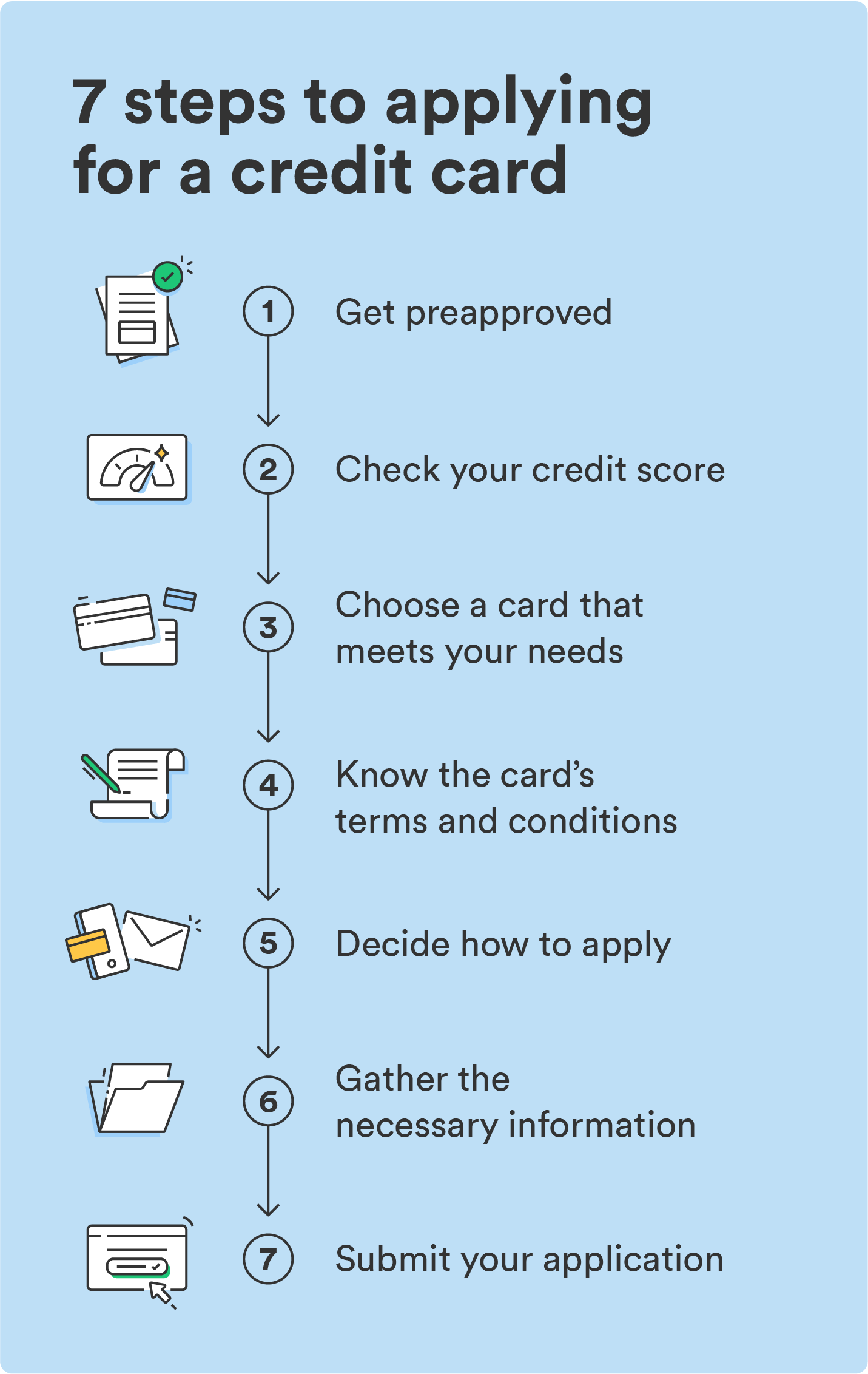
The Application Process: Step-by-Step Guide
Once you’ve identified the type of credit card that best suits your needs, the application process itself is generally straightforward, whether you apply online or in person.
Gathering Necessary Information
Before you begin, have the following information readily accessible:
- Personal Information: Full name, date of birth, Social Security Number (SSN) or Individual Taxpayer Identification Number (ITIN), current address, and previous addresses.
- Contact Information: Phone number and email address.
- Financial Information: Annual gross income, employment status, employer’s name and contact information, and details of existing debts (e.g., student loans, mortgages, auto loans).
- Bank Account Information: For identity verification and potentially linking to future payments.
Having these details on hand will make the application process quick and seamless, reducing the chances of errors or delays.
Online vs. In-Person Applications
Most credit card applications are now completed online, offering convenience and often an instant decision.
- Online Applications: Visit the issuer’s website, fill out the digital form, and submit. Ensure you’re on a secure website. Many online applications offer immediate pre-approval or denial, or they may indicate that your application is under review. This method is fast and allows for easy comparison of different card offers.
- In-Person Applications: You can apply at a bank branch where you have an existing relationship. This might be beneficial if you prefer personalized assistance or need to discuss specific terms. A bank representative can guide you through the form and answer any questions. While often not as fast for approval, it provides a human touch.
Regardless of the method, double-check all information for accuracy before submission. A single typo can lead to a rejected application or delays.
Understanding the Outcome and Next Steps
After submitting your application, you’ll typically receive one of three outcomes:
- Approved: Congratulations! You’ll receive a welcome packet, details about your credit limit, APR, and terms. Your card will usually arrive by mail within 7-10 business days.
- Denied: If denied, the issuer is legally required to send you an Adverse Action Notice explaining the specific reasons for the denial. This notice is invaluable for understanding what areas you need to improve (e.g., credit score, DTI, insufficient income) before reapplying. Don’t reapply immediately; address the issues first.
- Pending/Under Review: Some applications require further review. This might involve verifying information or asking for additional documentation. The issuer will contact you if more information is needed. You can often check the status of your application online or by calling the issuer’s customer service.
Responsible Credit Card Management: Building a Strong Financial Future
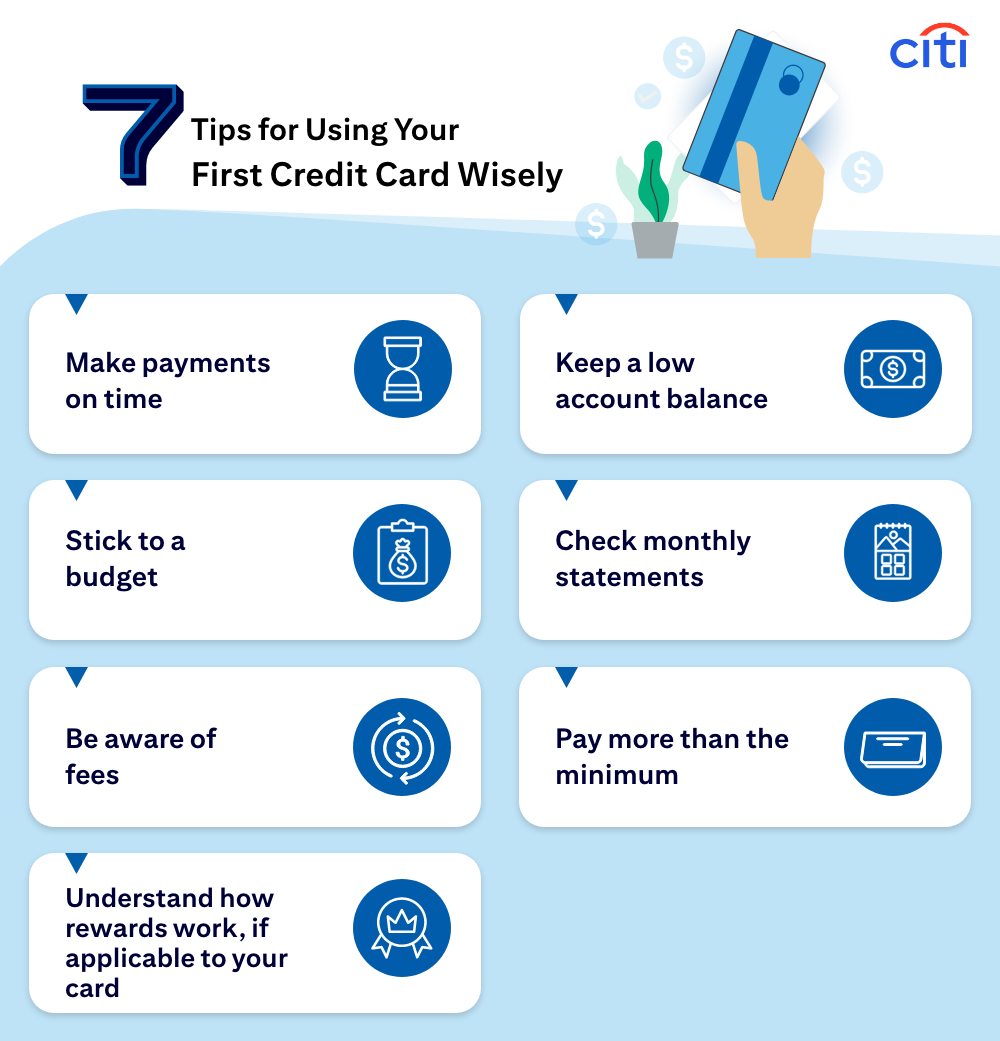
Getting a credit card is just the first step; managing it wisely is where the true financial benefit lies. Responsible usage is paramount to building a positive credit history and leveraging the card’s advantages without falling into debt.
Making Timely Payments
This is the single most critical aspect of credit card management. Always pay your bills on time, every time. Late payments can lead to hefty fees, penalty APRs, and significant damage to your credit score, which can take years to repair. Setting up automatic payments from your checking account or calendar reminders can help ensure you never miss a due date. Even if you can only make the minimum payment, doing so on time is better than missing a payment entirely.
Managing Your Credit Utilization Ratio
Your credit utilization ratio (CUR) is the amount of credit you’re using compared to your total available credit. For example, if you have a $5,000 credit limit and an outstanding balance of $1,000, your CUR is 20%. Lenders generally prefer to see a CUR of 30% or less across all your credit accounts. A high CUR indicates that you might be over-reliant on credit and could be a sign of financial distress, negatively impacting your credit score. Aim to keep your balances low relative to your credit limits, even if you pay off the full balance each month. This demonstrates responsible credit usage and contributes positively to your credit score.

Avoiding Common Credit Card Mistakes
Several common pitfalls can derail your financial health:
- Carrying a Balance: While it’s sometimes unavoidable, consistently carrying a balance incurs interest charges, making your purchases more expensive. The goal should always be to pay your statement balance in full each month to avoid interest.
- Using Your Card for Impulse Buys: Credit cards can make it easy to spend money you don’t have. Distinguish between needs and wants, and avoid using your card for non-essential impulse purchases that you can’t immediately pay off.
- Closing Old Accounts Impulsively: While tempting to simplify, closing old credit card accounts can sometimes hurt your credit score by reducing your total available credit (thus increasing your CUR) and shortening the average age of your credit accounts. Evaluate the impact before closing an account.
- Ignoring Statements and Terms: Always review your monthly statements for accuracy and understand the terms and conditions, especially interest rates, fees, and grace periods. Knowledge is power in managing your finances effectively.
By adhering to these principles of responsible credit card management, you can unlock the full potential of your credit card as a tool for financial growth, security, and convenience, rather than a source of stress and debt. It’s a journey that requires discipline and awareness, but the rewards of a strong financial foundation are well worth the effort.
aViewFromTheCave is a participant in the Amazon Services LLC Associates Program, an affiliate advertising program designed to provide a means for sites to earn advertising fees by advertising and linking to Amazon.com. Amazon, the Amazon logo, AmazonSupply, and the AmazonSupply logo are trademarks of Amazon.com, Inc. or its affiliates. As an Amazon Associate we earn affiliate commissions from qualifying purchases.